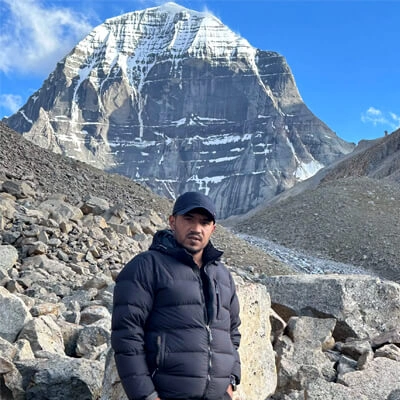
Tibet is the highest country a traveler can visit, and altitude shapes its calendar more than any other factor. The plateau averages 4,500 meters. Lhasa sits at 3,650. The Everest north face overlooks Rongbuk at 5,200. Kailash circles Darchen at 4,600. Each of these elevations behaves differently across the year, and the season that opens one closes another.
Spring delivers warmer afternoons in Lhasa and the longest daylight at altitude. Late spring and early summer open the Kailash kora and bring the Saga Dawa Festival, the holiest day in the Tibetan calendar. Autumn delivers the sharpest mountain visibility of the year for the Everest north face and the cleanest air across the central plateau. Winter belongs to Lhasa, the great monasteries, and travelers who want the country at its most local. This guide explains each window honestly and helps you choose the right month for the experience you actually want.
The best time to visit Tibet is not one window but several, and the right one depends entirely on what you have come for. The traveler who wants Lhasa's monasteries empty and the morning light on the Potala Palace at its sharpest is looking at a different month from the pilgrim walking the Kailash kora or the photographer waiting for sunrise on the Everest north face.
The plateau is the highest inhabited region on Earth, and the climate reflects this — long, dry winters, a short, concentrated summer, and shoulder seasons that move quickly between extremes. The marketing brochures usually tell you Tibet has two seasons. The truth is closer to four, each with its own rewards and its own honest trade-offs.
After two decades of running departures across the Tibetan Plateau, our team has learned that the single biggest determinant of a successful Tibet trip is matching the month to the route. Travelers who came for Kailash in the wrong season missed the kora window. Travelers who came for Everest in the wrong week walked through the clouds at Rongbuk. Travelers who came to Lhasa in peak summer queued behind tour groups at Jokhang and Sera. Tibet rewards careful timing more than almost any destination in Asia.
We have written this guide to do one thing: help you choose the month that matches the experience you actually want. We explain the weather, the permit calendar, the festival cycle, and the operational realities of travel above 3,500 meters. By the end, you will know whether you are an April traveler, a June Saga Dawa traveler, or an October Everest traveler — and why that distinction shapes the entire feel of your time on the plateau.
The Two Primary Windows: Late Spring and Autumn
Most international travelers arrive at one of two windows. The first runs from late April through June. The second runs from mid-September through October. These are the seasons when Lhasa is comfortable, the high passes are open, the Everest north face is at its clearest, and the Kailash kora is operable. They are also the seasons when our private departures fill up earliest because permit slots and luxury inventory in Lhasa tighten months in advance.
Late spring delivers warmer afternoons, longer daylight, and the Saga Dawa Festival on the full moon of May, the holiest day in the Tibetan calendar. Autumn delivers the sharpest mountain visibility of the year — the monsoon retreats from the southern Himalaya in early September and the air across the plateau washes clean. The choice between the two windows usually comes down to whether you are traveling for festivals and pilgrimage or for visibility and photography.
Late Spring: Late April to June
Late spring is the warmer of the two primary seasons. Daytime temperatures in Lhasa rise into the high teens Celsius. Afternoons feel warm, mornings stay cold, and the plateau air loses its winter dryness. The Kailash kora opens fully by mid-May. The Saga Dawa Festival on the full moon of May draws thousands of pilgrims to Mount Kailash, Lhasa, and the Yarlung Valley. The Everest, North Face, and Rongbuk are accessible from late April onward. The Yamdrok and Namtso lakes ice over until late April and reach photogenic clarity in May and June.
The trade-off is the early monsoon edge. By late June, monsoon clouds begin pushing up against the southern Himalaya from Nepal. The Everest north face still photographs well in June, but with more afternoon cloud than in autumn. Travelers who place visibility highest on their list often prefer autumn. Travelers who want the Saga Dawa Festival or the strongest Kailash kora window choose late spring.
Autumn: Mid-September to October
Autumn is the visibility season. The monsoon retreats from the southern Himalaya through September. The air over the plateau, already dry, becomes extraordinarily clear. Late September through late October delivers the sharpest mountain views of the year. The Everest north face from Rongbuk Monastery photographs at its annual best. Skies stay cloudless for stretches of seven and eight days at a time. The Kailash kora is still operable through early October. Lhasa is at its most comfortable — daytime temperatures in the high teens, mornings crisp and clear.
The trade-off is competition for permits and inventory. Autumn is the second peak after the Chinese Golden Week holiday in early October. Permits are processed by the Tibet Tourism Bureau weeks in advance, and the highest-quality luxury hotels in Lhasa book out months ahead. Our team confirms autumn permits and accommodation by spring. If you want October dates, we recommend booking by April at the latest.
The Quiet Windows: Winter and the Monsoon Edge
The two windows most travelers are told to avoid are exactly the windows that reward the right traveler. Winter is the secret season for cultural travel and pilgrimage immersion in Lhasa. The monsoon edge in July and August opens a narrower but rewarding window for travelers who want the plateau at its greenest and the lakes at their richest blue.
Winter: November to March
Winter in Tibet does not behave the way most travelers imagine. The days are dry, the skies are usually clear, and Lhasa often delivers some of the cleanest air of the year. What changes is altitude and crowding. Above 4,500 metres the cold becomes serious — Rongbuk and Everest Base Camp on the Tibet side are technically accessible through December but extremely cold, and the Kailash kora is closed by snow on the high passes from late October through April.
Lhasa, however, is at its most local in winter. Pilgrim numbers rise sharply between November and February as Tibetans from across the plateau and from eastern Tibet travel to the holy city to walk the Barkhor and prostrate at Jokhang.
The Potala Palace, Sera, Drepung, and Ganden are visibly less crowded than in autumn. Hotel rates soften outside the Tibetan New Year period. Tibetan New Year — Losar — falls in February or early March, depending on the lunar calendar, and is one of the most distinctive cultural windows in the country, though permit issuance often pauses around politically sensitive anniversaries in March.
Our winter departures focus on Lhasa, the surrounding monasteries, the Yarlung Valley, and the Yamdrok Lake day trip. Travelers who want unhurried cultural travel without crowds find winter ideal.
Monsoon Edge: July to Mid-September
Tibet sits in the rain shadow of the Himalaya, which means the monsoon affects the plateau much less severely than it affects Nepal or the southern Himalayan slopes. July and August deliver short afternoon showers, mostly in the eastern parts of the plateau. The Everest north face is more often clouded than in autumn, but the central plateau, Lhasa, and the route to Kailash all remain workable. Lakes and grasslands are at their greenest — Namtso, Yamdrok, and the high pastures along the road to Kailash photograph spectacularly in July and August.
The Shoton Festival in Lhasa falls in late August or early September, depending on the lunar calendar, and is the most theatrical festival of the year in the holy city. Giant thangka unveilings at Drepung Monastery, Tibetan opera in Norbulingka, and yogurt offerings across the city define the week. Our team runs Lhasa-focused departures through the Shoton window because the festival is one of the strongest cultural windows in the entire Tibetan year.
Month-by-Month Breakdown
January
Cold, dry, and clear. Lhasa sees crisp mornings around minus eight Celsius and afternoon highs around eight Celsius. Pilgrim numbers in Lhasa peak as Tibetans from across the plateau travel to Jokhang and Barkhor. The Potala Palace photographs cleanly against winter skies.
Mountain regions above 4,500 meters are extremely cold, and most high routes are not operable. The Kailash kora is closed. Tour pricing is at its softest of the year. Permit issuance for foreign travelers can be unpredictable in January and February — our team confirms permits four to six weeks in advance during this window.
February
Continued winter. Tibetan New Year — Losar — often falls in February depending on the lunar calendar. Losar is the most important festival in the Tibetan year, with monastery rituals, household offerings, and pilgrim flows that transform the feel of Lhasa. Foreign-traveler access during the Losar period can be restricted, particularly around politically sensitive anniversaries. We confirm permit availability on a case-by-case basis. Lhasa cultural travel outside the most sensitive windows remains rewarding for travelers who want the city at its most local.
March
Tibet is generally closed to foreign travelers through most of March. The Tibet Tourism Bureau typically suspends new permit issuance from late February or early March through the end of the month around politically sensitive anniversaries. Travelers planning Tibet trips should not book March departures unless our team has specifically confirmed permit windows. The plateau itself is in late winter — cold mornings, clear skies, and quiet cultural sites — but the closure makes March an unreliable booking window.
April
Tibet reopens for foreign travelers, typically from the first or second week of April, depending on the year. Lhasa warms quickly. Daytime temperatures rise into the low teens Celsius. Mornings stay cold. Mountain regions remain cold but accessible — the Everest north face opens to travelers from late April. Kailash remains closed due to snow on the high passes. April delivers the strongest balance of quiet and good weather in the year — visitor numbers are still low because the peak season has not yet started, but the country is open, and the air is clean.
May
Late spring proper. Daytime temperatures in Lhasa reach the high teens. The Kailash kora opens fully by mid-May. Saga Dawa Festival on the full moon of May draws thousands of pilgrims to Mount Kailash for the most sacred kora of the year, to Lhasa for the Buddha's enlightenment celebrations, and to the Yarlung Valley.
The Everest north face is at its strongest spring window — late April through May delivers excellent visibility before the early monsoon clouds arrive. Permit demand rises sharply. Our team confirms Saga Dawa departures by January or February.
June
The warmest month before the monsoon edge. Daytime temperatures in Lhasa reach the low twenties Celsius. The Kailash kora is at its strongest operational window. The Everest north face begins to see more afternoon cloud as the monsoon pushes up against the southern Himalaya, but mornings often deliver excellent visibility. The high pastures along the road to Kailash are at their richest green. Wildflowers carpet the meadows above Tingri. Pilgrim flows on the Kailash kora are heavy through June.
July
The monsoon edge. Tibet sits in a rain shadow but receives short afternoon showers through July, particularly in the eastern parts of the plateau. The central plateau, Lhasa, and the route to Kailash remain workable. Lakes and grasslands are at their greenest of the year. The Everest north face is more often clouded than in autumn. The Ganden Thangka Festival typically falls in late July, depending on the lunar calendar — the giant thangka unveiling at Ganden Monastery is one of the most distinctive cultural events of the summer.
August
Continued monsoon edge. Cooler than July with afternoon showers continuing across the eastern plateau. Lhasa remains workable. The Shoton Festival typically falls in late August or early September, depending on the lunar calendar. The festival opens with the giant thangka unveiling at Drepung Monastery before sunrise on the first day, followed by a week of Tibetan opera at Norbulingka and yogurt offerings across the city. The Shoton week is one of the strongest single cultural windows in the Tibetan calendar, and our team builds dedicated Lhasa departures around it.
September
The transition to autumn. The first half of September continues the Shoton window in Lhasa. By the third week of September, the monsoon retreats from the southern Himalaya, and visibility on the north face of Everest returns rapidly. Daytime temperatures in Lhasa cool noticeably. The Kailash kora is still operable. Late September delivers some of the cleanest air of the entire year — the monsoon has just washed the plateau clean, and the autumn dryness has not yet built up dust.
October
The month with the strongest visibility in the Tibetan year. Air at its clearest. Mornings are cool, afternoons are comfortable. The Everest north face from Rongbuk Monastery photographs at its annual best. The Kailash kora remains operable through early October before the high passes begin to close.
Lhasa cultural travel is at its peak — the city is bustling with pilgrims and tourists, but the weather is reliable, and the light is unmatched. The Chinese National Day Golden Week in early October pushes Chinese domestic tourism to its annual peak. Foreign travelers usually plan around the holiday week to avoid the heaviest crowds at the Potala Palace and Jokhang.
November
The shoulder of winter. Daytime temperatures in Lhasa drop to the low teens Celsius. Mornings cold and clear. The Kailash kora closes for the season. The Everest North Face is technically still accessible in early November, but it's extremely cold at Rongbuk. Lhasa cultural travel remains rewarding and considerably quieter than in October. The Lhabab Düchen, marking the Buddha's descent from the Heaven of Thirty-Three, falls in late October or November, depending on the lunar calendar.
December
Deep winter begins. Lhasa sees crisp mornings around minus seven Celsius and afternoon highs around six Celsius. The plateau is dry and clear. Pilgrim numbers in Lhasa rise sharply through the month. The Potala Palace and the Barkhor circuit are at their most local. Mountain travel above 4,500 meters becomes increasingly difficult. Pricing softens outside the Christmas and New Year holiday week. Permit issuance for foreign travelers continues through December, but our team confirms availability on a case-by-case basis.
Choosing the Right Window for Your Trip Type
For the Mount Kailash Kora
Mid-May to early October. The kora is closed by snow on the high Drolma La pass from late October through April. The strongest pilgrimage window is the Saga Dawa Festival on the full moon of May. June and September deliver the strongest balance of weather and pilgrim flow. The kora is a serious high-altitude undertaking — the Drolma La sits at 5,630 meters, and most travelers complete the circuit in three days.
For the Everest North Face from Rongbuk
Late April through June, and mid-September through October. October delivers the sharpest visibility of the year. May delivers the strongest spring window. June and September are workable but with more afternoon cloud. The road to Rongbuk passes the Gawu La pass at 5,200 metres and the views from the pass are among the most spectacular in the Himalaya.
For Lhasa and the Cultural Heart of Tibet
Year-round, with the major exception of March. April through October delivers the strongest weather and reliable permit issuance. The Shoton Festival in late August or early September is one of the strongest single weeks. November through February delivers Lhasa at its most local — pilgrim numbers peak, and the city feels distinctly Tibetan rather than touristic.
For the Saga Dawa Festival
The full moon of May. Saga Dawa is the holiest day in the Tibetan Buddhist calendar — the day commemorating the Buddha's birth, Enlightenment, and parinirvana on a single full moon. Pilgrimage to Mount Kailash, Lhasa, and the Yarlung Valley all peak on this day. Travelers wanting the Saga Dawa experience should confirm departures by January at the latest, as permits and accommodation tighten earlier than any other window in the Tibetan calendar.
For the Shoton Festival
Late August or early September, depending on the lunar calendar. The Shoton week opens with the giant thangka unveiling at Drepung Monastery before sunrise on the first day. Tibetan opera, yogurt offerings, and pilgrims flow across the Barkhor, defining the rest of the week. We confirm exact dates at booking.
For Photography
Late September through late October for mountain visibility. November through February for monastery interiors and pilgrim portraiture in Lhasa. May through June for the Kailash region and the Yarlung Valley. The plateau light is harshest at midday — most photographers shoot before nine in the morning and after four in the afternoon.
For First-Time Plateau Travelers
April, May, September, and October. These four months offer the strongest balance of weather, visibility, permit reliability, and acclimatization. First-time travelers above 3,500 meters benefit from warmer afternoons that ease acclimatization. Winter is workable for travelers with prior altitude experience, but the cold makes acclimatization more demanding.
At-a-Glance Seasonal Reference
The table below summarises the four primary seasons against the major travel categories. We use this as our internal planning matrix.
|
Season |
Months |
Best For |
Avoid For |
|
Late Spring |
Late April to June |
Saga Dawa, Kailash kora opening, Everest spring window |
Sharpest autumn-style visibility |
|
Monsoon Edge |
July to mid-September |
Shoton Festival, green plateau, Lhasa cultural travel, soft pricing |
Cloudless Everest views |
|
Autumn |
Mid-September to October |
Everest north face, Kailash kora, sharpest visibility, photography |
Quiet trails, soft pricing, festival-lunar windows |
|
Winter |
November to February |
Lhasa pilgrim season, monastery interiors, Losar, soft pricing |
Kailash kora, Everest north face access, March permit closure |
How Our Team Plans Around the Calendar
After two decades of running departures across the Tibetan Plateau, our planning has settled into three rules that help guests get the season right rather than the brand-name month.
- Plan around the permit calendar, not just the weather. Tibet permits are issued by the Tibet Tourism Bureau, and the timing can shift year to year, particularly around politically sensitive anniversaries in March and during the Tibetan New Year. Our team confirms permit windows months in advance and never finalizes an itinerary before permits are secured.
- Confirm Saga Dawa and autumn windows by January. The Saga Dawa Festival in May, the Kailash kora in early summer, and the autumn Everest window are the three highest-demand periods in the Tibetan calendar. Luxury accommodation in Lhasa and tented camps along the Kailash route fill first.
- Acclimatize in Kathmandu or Lhasa before going higher. Lhasa, at 3,650 meters, is the natural acclimatization base for travelers heading to the north face of Everest or Kailash. Our standard practice is to spend two to three nights in Lhasa before any travel above 4,500 meters, and to add a night in Kathmandu for travelers flying in via Tribhuvan.