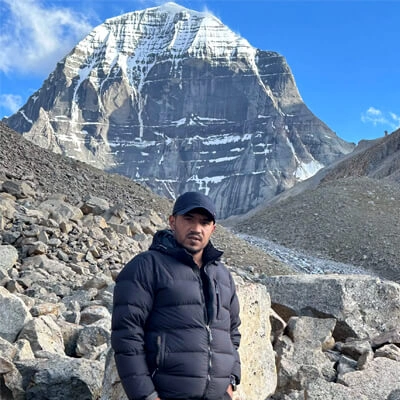
Packing for the Himalayas is where most travelers make their first costly mistake — overpacking, underpacking, or buying gear that does not suit the demands of a luxury-tier itinerary. Travelers staying in heated lodges with hot showers do not need the same kit list as travelers sleeping in tents at base camp.
Travelers on a four-day Bhutan cultural circuit do not need the same kit as travelers on the Mount Kailash kora. This guide separates the universal essentials from the trip-specific gear, walks through the three-layer system that handles every weather condition above 3,000 meters, and tells you honestly what to leave at home. We have built this list across two decades of running luxury departures, and it reflects what our guides actually carry on the trail rather than the generic packing lists most operators publish.
Packing Guide for Nepal, Tibet, and Bhutan
What to pack for the Himalayas is the question every traveler asks two or three times before departure, and the answer changes considerably depending on whether you are heading to a five-star hotel in Kathmandu, a heated luxury lodge in the Khumbu, a tented camp on the Mount Kailash kora, or a dzong-focused cultural circuit in Bhutan.
Generic Himalayan packing lists assume the harshest conditions and produce overflowing duffels that travelers then have to triage on the trail. Luxury-tier packing is different. The lodges are heated. The showers are hot. The sleeping bags and down jackets are provided. The duffel that appears in standard packing lists is roughly twice the size you actually need.
After two decades of guiding travelers across Nepal, Tibet, and Bhutan, our team has watched thousands of duffel bags arrive at Tribhuvan Airport. The pattern is consistent: experienced travelers pack light because they trust the layering system. First-time travelers pack heavy because they do not. The difference is not gear quality — it is understanding which items earn their place in the duffel and which are backup-of-backup items that never get used. This guide explains the difference.
The list below is structured around three principles. First, the three-layer system handles every condition you will encounter at altitude, and adding more layers is rarely the answer. Second, what we provide as part of your luxury booking — down jackets, sub-zero sleeping bags, duffel bags, hot water bottles — does not need to be packed by you. Third, what the lodges already include — bedding, towels, hot showers, charging points, drinking water — should be removed from your packing list rather than duplicated.
Important: We provide a high-altitude-rated down jacket, a sub-zero sleeping bag, and a waterproof duffel bag for every guest on our high-altitude treks above 4,000 meters. These items are part of your luxury package and do not need to be purchased before departure. The list below assumes these items are provided rather than packed.
The Three-Layer System That Handles Every Condition
The single most important concept in mountain packing is the three-layer system. Built correctly, it covers every weather condition from a warm afternoon in the lower Khumbu to a freezing dawn at Kala Patthar. Built incorrectly, it produces a duffel full of redundant clothing that never quite handles the conditions you actually meet on the trail.
Base Layer: Moisture Management
The base layer sits against your skin and moves moisture away from your body. Cotton fails completely at this — it absorbs sweat, holds it, and chills you the moment you stop walking. Merino wool and synthetic technical fabrics manage moisture and dry quickly. Two long-sleeve merino tops and two pairs of merino bottoms cover an entire fortnight on the trail because merino resists odor for days at a time and can be rinsed and dried overnight. Light merino socks (4–5 pairs) sit beneath the heavier trekking socks and prevent blisters by reducing friction at the foot interface.
Mid Layer: Insulation
The mid layer traps warm air against your body and is the layer you add or remove as conditions change. Two mid layers cover every condition: a lightweight fleece jacket for cool mornings and shoulder-season afternoons, and a heavier fleece pullover or insulated synthetic jacket for cold mornings, evenings, and high-altitude rest stops. Thicker is not always better — bulkier layers are heavier and harder to compress when not in use. The two-mid-layer system gives you adjustability without redundancy.
Outer Layer: Wind and Water
The outer layer protects you from wind, rain, and snow. A waterproof and breathable shell jacket with a hood is the single most important piece of gear after your boots. Goretex or equivalent membranes handle the rain that arrives in the lower trekking corridors and the wind that picks up at altitude.
Waterproof shell pants for the lower legs are recommended for monsoon-edge departures and shoulder-season treks where afternoon rain is likely. A heavy down jacket — the high-altitude-rated one we provide — sits over the outer layer at high altitudes and during cold lodge evenings.
Footwear: The Single Most Important Decision
Trekking Boots
The single most important rule of trekking footwear is wear-in time. Boots taken from the box one week before a Himalayan trek will produce blisters within the first two days. Mid-cut to high-cut waterproof leather or synthetic boots from established mountain brands — Salomon, Scarpa, La Sportiva, Asolo, Lowa — are the dependable choices. Ankle support matters more than weight. The boots should be worn for at least thirty hours on uneven terrain before departure, ideally on actual hiking trails rather than urban pavement. New boots are the most common cause of trip-ending blisters on the EBC route.
Camp Shoes
A second pair of comfortable shoes for the lodge or hotel evenings is essential. Lightweight trail running shoes, Crocs, or insulated camp booties all work. The point is to free your feet from the boots after a day's walking. Wet socks dry overnight. Wet boots do not. Camp shoes also handle short walks through lodges, dining rooms, and bathroom blocks without requiring you to lace your boots back on.
Trekking Socks
Three to four pairs of merino or merino-blend trekking socks of medium-to-heavy thickness. Cotton socks are the second most common cause of blisters after unbroken-in boots. Liner socks (light merino under the trekking sock) reduce blisters by absorbing friction between the sock and the boot. The combination of a liner sock and a trekking sock is what experienced trekkers swear by, and it is worth the small additional packing space.
For Cultural-Only Trips
Travelers on cultural circuits in Kathmandu, Bhutan, or a Lhasa-only Tibet itinerary do not need full trekking boots. Comfortable walking shoes with a good grip are sufficient. The streets of Bhaktapur, the steps of the Potala Palace, and the cobbles along the approach trail to Tiger's Nest can all be walked in lightweight hiking shoes or sturdy trail trainers.
Sleep Gear: What We Provide vs. What You Pack
Sleep equipment is the area where the luxury difference is most evident. Heated lodges provide bedding, blankets, and hot water bottles. Tented camps on the Kailash kora include thick pads and heavy synthetic-fill sleeping bags.
The high-altitude-rated down jacket and the sub-zero sleeping bag we provide are calibrated to the coldest conditions on each route.
Provided by Our Team
- High-altitude rated down jacket (up to 6,000 meters on the EBC and Annapurna Circuit; up to 5,800 meters on Kailash and Tibet Everest routes)
- Sub-zero sleeping bag (rated to minus twenty Celsius for Khumbu and Annapurna; rated to minus thirty for Kailash and Tibet Everest)
- Waterproof duffel bag with our team branding
- Heated water bottles distributed at altitude camps
Packed by You
- Silk or cotton sleeping bag liner — adds two to three Celsius of warmth and keeps the sleeping bag clean for repeated use
- Lightweight pillow or pillow case — most lodges provide pillows, but a personal liner improves hygiene and comfort
- Warm sleeping socks (one pair, dedicated to sleep only) — keeping feet warm at night significantly improves sleep quality at altitude
- Lightweight beanie or fleece hat for sleep — heat loss from the head is a meaningful contributor to cold nights at altitude
The Daypack and What Goes In It
Your duffel bag is carried by porters or yaks between lodges. Your daypack is what you carry with you during each day's walk. Daypack discipline is one of the most overlooked aspects of comfortable trekking — too small produces frantic repacking on the trail, too large invites overpacking and unnecessary weight.
The Daypack Itself
A 30- to 35-liter daypack with a hip belt, sternum strap, and integrated rain cover is the standard. Hip belts transfer weight from the shoulders to the hips and dramatically reduce fatigue during long days. Brands like Osprey, Deuter, Gregory, and Lowe Alpine all produce solid options in this range. Daypacks below 25 liters are inadequate for the items you need on the trail. Daypacks above 40 liters tempt overpacking and add unnecessary weight.
Daily Daypack Contents
- Two-liter water bottle or hydration bladder — most water-borne illness on the trail comes from carrying insufficient water and drinking from untreated streams
- Water purification tablets or a SteriPEN — backup for refilling at lodges where bottled water is unavailable
- Sunglasses with full UV protection — UV exposure at altitude is significantly stronger than at sea level
- Sun hat with brim, plus a fleece or wool hat for cold mornings and high passes
- Sunscreen rated SPF 50 or higher — UV exposure at 5,000 meters is intense
- Lip balm with SPF — chapped lips are the most common minor injury at altitude
- Light gloves for cool mornings, plus heavier insulated gloves for high passes and cold dawns
- Buff or neck gaiter — handles cold wind, dust on the trail, and sun protection in one item
- Trekking poles (collapsible) — reduce knee strain on descents by up to thirty percent
- Headlamp with spare batteries — essential for early starts and lodge corridors after dark
- Personal first-aid kit including blister care, painkillers, and any personal medications
- Camera and spare battery
- Snacks for the trail — energy bars, dried fruit, nuts
- Small dry bag for keeping electronics and documents dry in unexpected rain
How Much Clothing Actually Needs to Travel
The single biggest source of overpacking is clothing. Luxury lodges typically offer laundry service at low altitudes. Merino wool resists odor for several days. The body produces less sweat in cold, dry mountain air than in humid conditions at sea level. The quantities below cover a fortnight at altitude without overflowing your duffel.
|
Item |
Recommended Quantity |
|
Merino long-sleeve base layer top |
2 |
|
Merino base layer bottoms (long johns) |
2 |
|
Lightweight fleece (mid layer) |
1 |
|
Heavier fleece or insulated synthetic jacket |
1 |
|
Waterproof shell jacket |
1 |
|
Trekking trousers (quick-dry) |
2 |
|
Waterproof shell pants |
1 (recommended) |
|
Trekking shorts |
1 (lower altitudes only) |
|
Underwear (technical or merino) |
4–5 |
|
Sports bra (where applicable) |
2 |
|
Trekking socks (medium-heavy) |
4 |
|
Liner socks (lightweight merino) |
4 |
|
Casual clothing for Kathmandu / Lhasa / Paro |
1–2 outfits |
Toiletries and Personal Care
Luxury lodges and hotels in Kathmandu, Lhasa, and Paro provide standard toiletries. Lodges along the trekking corridors typically do not. The list below covers the items worth packing rather than buying en route, and the quantities a fortnight at altitude actually requires.
- Toothbrush, toothpaste, dental floss
- Travel-size shampoo, conditioner, body wash (lodges in remote regions do not provide these)
- Quick-dry travel towel — small pack size, dries in hours rather than days
- Hand sanitizer — 100ml bottle, refilled from a larger bottle in your duffel
- Wet wipes and toilet paper — toilet paper is not always provided in remote lodge bathrooms
- Sunscreen (SPF 50+) and lip balm with SPF — already mentioned in daypack, but worth a backup in the duffel
- Moisturizer and a thick lip balm — mountain air at altitude is extraordinarily dry, and skin breakdown is common
- Personal medications in original packaging with prescriptions
- Earplugs and an eye mask — lodges share thin walls, and nighttime sounds carry
- Insect repellent (lower altitudes only — Chitwan, Bardia, the trekking start points)
Documents and Money
Document discipline is one of the most overlooked aspects of Himalayan travel. Lost passports trigger embassy visits and trip-ending delays. The list below is what every traveler should carry, with at least one digital backup stored on a cloud service.
- A passport with at least six months' validity beyond your return date and at least four blank pages
- Visa documentation — Nepal visa-on-arrival receipt, Bhutan visa clearance document, Tibet TTB permit
- Travel insurance policy schedule with the emergency contact number and policy reference
- Two or three color photocopies of the passport biographical page, kept separate from the original
- Passport-size photographs (six, for any in-country permit applications or rebookings)
- An international driving permit if you intend to drive in Bhutan or Nepal (rarely necessary on guided luxury trips)
- Vaccination records (a yellow fever certificate is required for travelers arriving from yellow fever zones)
- Credit cards — primary and backup, ideally on different networks (Visa and Mastercard)
- Cash in mixed denominations — USD or EUR for exchange, plus small denominations for tips and incidentals
- Indian rupees in 100-denomination notes for Bhutan trips (500 and 2000 notes are not accepted)
Tech and Power at Altitude
Cold reduces battery life. Lodges have charging points, but availability is sometimes paid for, and queuing for charging during evening peaks is common above 4,000 meters. The list below is the minimum tech setup that handles a fortnight on the trail.
- Phone with offline maps, downloaded books and music, and your travel insurance details
- Camera body with two batteries and a 64GB or larger memory card
- Power bank (20,000mAh) — covers four to six days of phone and camera charging without lodge access
- Charging cables for phone, camera, and power bank — keep them all together in a small zip pouch
- Universal adapter — Nepal uses Type C/D/M plugs, Tibet uses Type A/C/I plugs, Bhutan uses Type C/D/G plugs
- Headlamp with spare batteries — already mentioned, but critical enough to repeat
- Optional: lightweight tablet or e-reader for evenings — lodges have limited entertainment
Cold Weather Battery Tip
Battery capacity drops by up to fifty percent at minus ten Celsius. Storing batteries in an inner pocket close to your body — particularly overnight — dramatically preserves capacity. The single most useful habit on a winter or high-altitude trek is sleeping with phone, camera battery, and power bank inside the sleeping bag rather than leaving them on the bedside table.
Optional Comfort Items Our Guides See Travelers Bring
The items below are not strictly necessary but consistently appear on the duffels of experienced repeat trekkers. They earn their place by solving specific problems on the trail.
- Compact pack pillow — improves sleep quality dramatically over folded clothes
- Snack stash — chocolate, dried mango, energy bars from home that you trust
- Coffee or tea bags from home — lodge tea and coffee are inconsistent at higher altitudes
- Small notebook and pen — journaling at altitude is a reliable way to process the experience
- Playing cards or compact travel games — evenings at high lodges are long
- Soft earbud-style headphones — lodge walls are thin
- Spare pair of sunglasses — losing or breaking your only pair at altitude is a serious problem, given the UV intensity
What Not to Bring (and What to Leave at Home)
The list below is the most useful section for travelers planning their first Himalayan trip. Each item appears regularly in arriving duffels and consistently goes unused.
- Cotton clothing for trekking — cotton holds sweat, dries slowly, and chills you when you stop walking. Reserve cotton for Kathmandu hotel evenings only
- Heavy jeans or denim — the same problem as cotton, plus they are heavy and slow to dry
- Multiple pairs of walking shoes beyond your trekking boots and one pair of camp shoes — anything more is duplication
- Full-size toiletry bottles — refill smaller travel containers from larger bottles in your home airport
- Hairdryer or other large appliances — lodges do not have the power capacity, and the time at altitude is not conducive to drying hair anyway
- Heavy hardback books — switch to a phone or e-reader
- Excessive jewelry — lodge security is informal at altitude
- Multiple cameras — one body with one or two lenses is enough
- Drone equipment in Bhutan and Tibet — restricted or prohibited in both countries
- Outdated maps or travel guidebooks — phone-based offline maps are more accurate and lighter
Modifications for Cultural-Only Trips
Travelers on cultural-only itineraries — Kathmandu Valley heritage, Bhutan dzong circuit, Lhasa cultural tour — do not need the full trekking kit list. The modifications below preserve comfort while reducing duffel weight by roughly half.
- Skip the trekking boots — sturdy walking shoes are sufficient
- Skip the daypack with hip belt — a 20-25 liter urban-style daypack handles temple visits comfortably
- Skip the technical base layers — light merino or cotton works for cultural travel
- Skip the heavy fleece — one light fleece and a windbreaker are usually enough
- Skip the trekking poles — temple steps are uneven but rarely require poles
- Add: long trousers and modest tops for monastery and dzong visits — shorts and sleeveless tops are not appropriate at temple sites
- Add: a lightweight scarf or shawl — useful for shoulder coverage in monasteries
- Add: comfortable shoes that slip on and off easily — many monasteries require shoe removal at the entrance
Trip-Specific Packing Notes
Everest Base Camp Luxury Trek
Heated lodges throughout, hot showers at most stops, and helicopter transfers at start and end. The high-altitude rated down jacket and sub-zero sleeping bag are provided. Pack the standard high-altitude trekking kit. Power banks are essential because lodge charging at higher altitudes is sometimes paid by the hour.
Annapurna Region (ABC, Circuit, Mardi Himal)
Lower altitudes than EBC, with more variable weather. Rain shells are particularly important in the spring shoulder season. The Annapurna lodges are heated but not always to the same standard as the Khumbu luxury lodges. Pack one extra warm fleece for evening use.
Mount Kailash Kora
More demanding than EBC because of altitude (5,630m at Drolma La) and tented accommodation on parts of the kora. Pack a heavier sleeping bag liner, an extra warm hat, and at least two pairs of warm sleeping socks. The down jacket we provide for Kailash is rated for additional cold.
Bhutan Cultural Tours
Cultural-trip kit list applies. Pack modest, sleeved clothing for dzong and monastery visits. Slip-on shoes are particularly useful due to the repeated removal of shoes at temple sites. The Tiger's Nest hike requires sturdy walking shoes and a lightweight daypack.
Tibet (Lhasa, Everest, North Face, Saga Dawa)
Lhasa cultural circuit uses the cultural-trip kit. Travelers continuing to the Everest north face from Rongbuk or to Mount Kailash need the high-altitude trekking kit. The Tibet plateau is drier and dustier than Nepal — a buff or neck gaiter is particularly useful for the road sections to Tingri and Saga.
Helicopter Tours
Helicopter day tours from Kathmandu to Everest Base Camp or Annapurna require minimal packing — a warm jacket, sunglasses, and a camera. Most helicopter tours land briefly at altitude (at the Kala Patthar Hotel for breakfast at 3,840 meters) and do not involve overnight stays.