The Mythology
During the Samudra Manthan (the churning of the cosmic ocean), a deadly poison (halahala) emerged, threatening to destroy the universe. Lord Shiva drank the poison to save creation. The burning in his throat was so intense that he flew to the Himalayas and struck the mountain with his trident, releasing a jet of cold water.
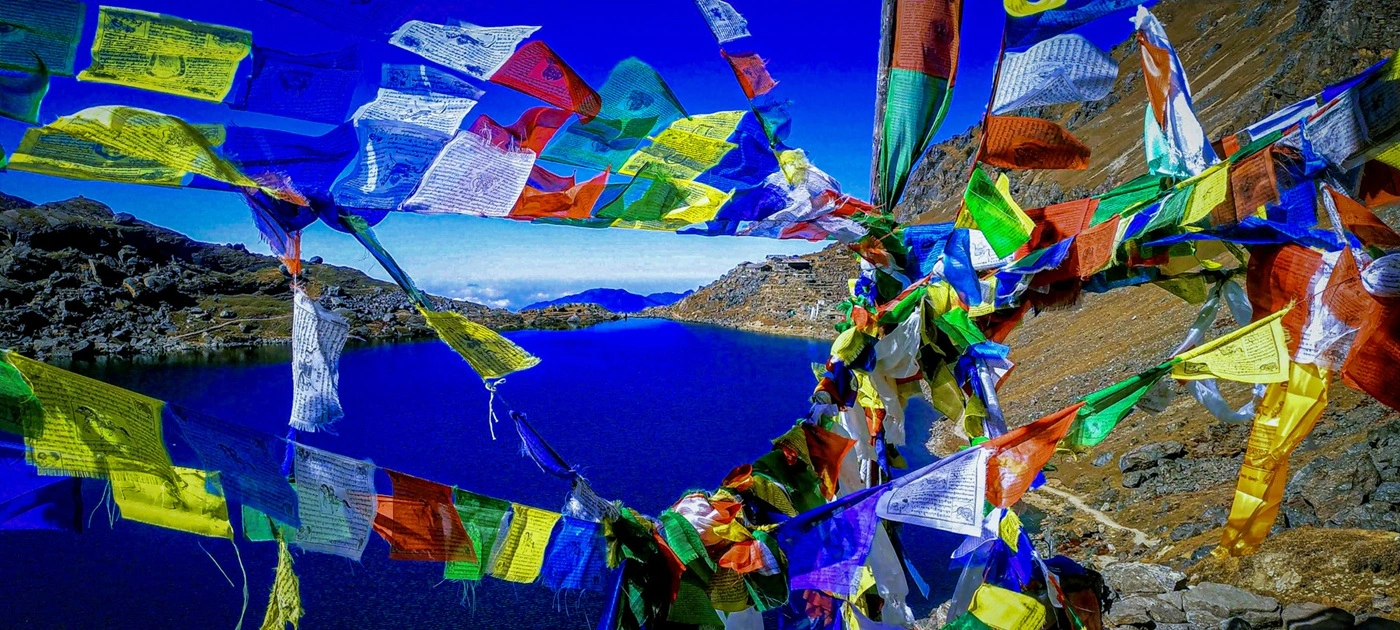
Where the trident pierced the rock, three lakes formed: Gosainkunda, Bhairav Kunda, and Saraswati Kunda. A rock formation at the center of Gosainkunda is venerated as a representation of Shiva resting after his cosmic sacrifice.
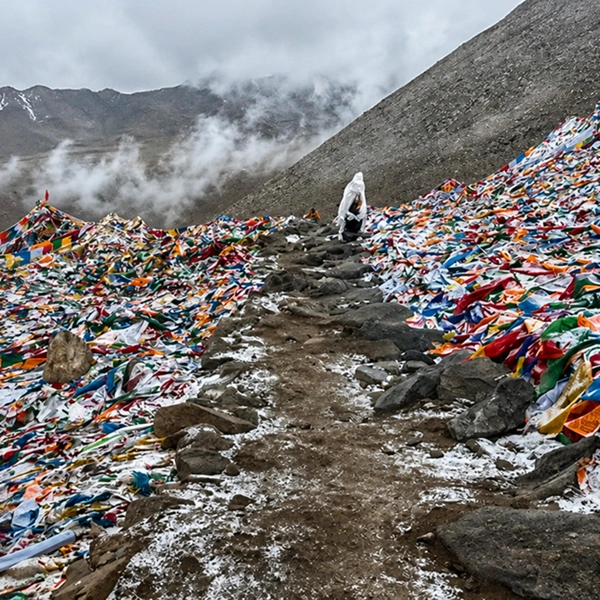
This is not decorative mythology. It is the reason the lake exists as a pilgrimage site. The Janai Purnima festival (the full moon of Shrawan, typically in August) draws thousands of pilgrims who trek for days to bathe in the lake, replace their sacred thread (janai), and receive blessings.
The trek to Gosainkunda during Janai Purnima is a spiritual act, not a tourist activity. We schedule luxury treks either during the festival (for guests who want the pilgrimage atmosphere) or outside it (for guests who want the solitude).
The Route: Day by Day
|
Day
|
Route
|
Altitude
|
Experience
|
|
1
|
KTM → Dhunche
|
1,960m
|
Private SUV. 7-8 hour drive through the Trishuli gorge (same road as Langtang). Arrive at Dhunche, the gateway town. Lodge. Briefing. Hot dinner.
|
|
2
|
Dhunche → Sing Gompa
|
3,330m
|
Through dense oak and rhododendron forest. Climb steadily. Arrive Sing Gompa: a small monastery settlement with a yak cheese factory (Swiss-founded, similar to Kyanjin). Taste the cheese. First mountain views. Cold night. Heated sleeping bags.
|
|
3
|
Sing Gompa → Gosainkunda
|
4,380m
|
Above the treeline. Alpine meadows. Pass Cholang Pati (viewpoint at 3,584m with Langtang Lirung, Ganesh Himal, and Manaslu visible). Continue to Laurebina (3,920m). Final push to Gosainkunda. THE LAKE. Turquoise water in a granite bowl. The Shiva rock formation in the center. 108 smaller lakes scattered across the surrounding ridges.
|
|
4
|
Gosainkunda exploration + return to Sing Gompa
|
4,380m → 3,330m
|
Sunrise at the lake (bring every layer you own). Circumambulate Gosainkunda. Visit Bhairav Kunda and Saraswati Kunda if conditions allow. Descend to the Sing Gompa. Warmer sleep. Second evening at the cheese factory.
|
|
5
|
Sing Gompa → Dhunche → KTM
|
3,330m → 1,400m
|
Descend through the forest to Dhunche. Drive to Kathmandu (7-8 hours). OR helicopter return from Dhunche ($1,750-1,900, 45 min). Arrive at KTM in the afternoon.
|
The 108 Lakes
Gosainkunda is not a single lake. It is the largest in a chain of 108 alpine lakes scattered across the high ridges between 4,000m and 4,600m. The number 108 is sacred in both Hinduism and Buddhism (108 beads on a mala, 108 names of Vishnu, 108 earthly temptations in Buddhism).
The three primary lakes — Gosainkunda, Bhairav Kunda, and Saraswati Kunda — are accessible on a day hike from the main camp. The remaining lakes are visible from the ridgelines but require technical scrambling to reach. The geological origin is glacial: these are tarns carved by retreating ice during the last glaciation, fed by snowmelt and monsoon rain.
The Lodge Reality
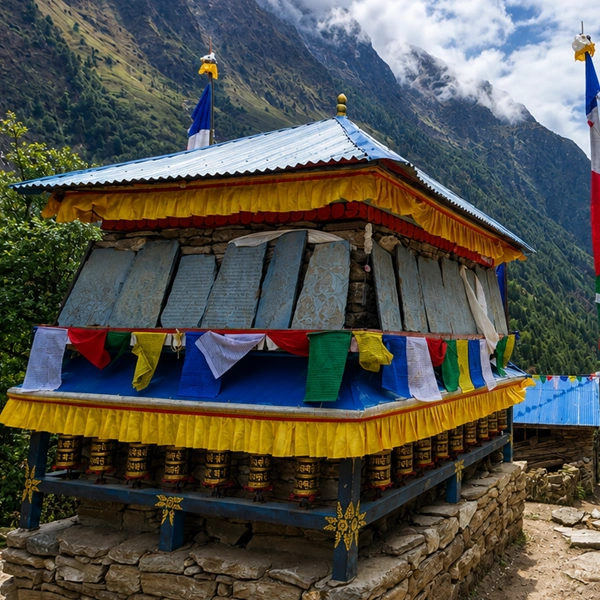
Like Langtang and Mardi Himal, Gosainkunda lacks luxury lodge infrastructure. The teahouses at Sing Gompa and Laurebina are basic: stone and timber, plywood rooms, shared bathrooms, gas heaters, and dal bhat kitchens. At Gosainkunda itself, the lakeside shelters are rudimentary — designed for pilgrims, not luxury travelers.
Our enhancements: a dedicated cook team with fresh ingredients portered from Dhunche. Premium sleeping bags rated to -20°C with silk liners. Hot water bottles. Down jackets. Portable hot water for washing. Pulse-oximeter and satellite phone.
For guests seeking maximum comfort, we deploy a luxury mobile tented camp at the lakeside — heated sleeping tents, a toilet tent, and a dining marquee. The frozen silence of the lake at dawn is the same from a tent as from a teahouse. The difference is the sleeping bag and the breakfast.
The Connections
|
Connection
|
Via
|
What It Adds
|
|
Gosainkunda + Langtang
|
Laurebina La pass (4,610m)
|
12-14-day combined trek. Cross the pass from Gosainkunda into the Langtang Valley. Technically demanding. Crampons may be needed in spring. For experienced trekkers only.
|
|
Gosainkunda + Helambu
|
Descent via Ghopte / Kutumsang
|
7-8 day trek descending south from Gosainkunda through Tamang and Hyolmo villages to Helambu (Melamchi). Culturally rich. Lower altitude on descent. Ends with a drive to KTM.
|
|
Gosainkunda standalone
|
Return via Sing Gompa
|
5 days. The format is described in this guide. Out and back from Dhunche. The simplest option.
|
When to Trek
|
Season
|
Months
|
What You Get
|
|
Autumn
|
Oct–Nov
|
THE BEST. Turquoise lake color. Clearest mountain views. Stable weather. Cold nights (below -5°C at the lake). Few trekkers.
|
|
Janai Purnima
|
August (full moon)
|
Thousands of pilgrims. Sacred bathing. Festival atmosphere. Monsoon weather risk. Crowded trail. A spiritual experience, not a solitude experience.
|
|
Spring
|
Mar–May
|
Rhododendron blooms in the lower forest. Lake may still have partial ice. Warmer nights than autumn. Good visibility.
|
|
Winter
|
Dec–Feb
|
The lake is frozen solid. Spectacular photography. Very cold (-15°C+). Empty trail. Expert cold-weather gear essential. Not for first-time trekkers.
|
Frequently Asked Questions
How hard is the Gosainkunda trek?
- Moderate. 5-6 hours walking per day. Maximum altitude 4,380m. The climb from Sing Gompa to Gosainkunda (1,050m gain) is the hardest day. Well-graded trail. No technical sections. Porters carry everything. Requires reasonable fitness and altitude tolerance.
What is Janai Purnima?
- The full moon festival of Shrawan (typically August). Hindu and Buddhist pilgrims trek to Gosainkunda to bathe in the sacred lake and replace their janai (sacred thread). Thousands attend. The atmosphere is intensely spiritual. Monsoon weather adds risk. We offer two options: trek during the festival (spiritual immersion) or outside it (solitude).
Are there luxury lodges?
- No. Basic teahouses at Sing Gompa and Laurebina. Rudimentary shelters at the lake. We provide: a dedicated cook team, premium sleeping bags (-20°C), hot water bottles, down jackets, portable hot water, and medical monitoring. Luxury mobile tented camp available at the lakeside for maximum comfort.
How much does a luxury Gosainkunda trek cost?
- $2,000-3,000/person for the 5-day standalone trek with enhanced teahouse. $3,000-3,500 with a luxury mobile tented camp at the lake. Helicopter return from Dhunche adds $875- $ 950 per person.
Can I combine Gosainkunda with Langtang?
- Yes. Cross the Laurebina La pass (4,610m) into the Langtang Valley. 12-14-day combined trek. Technically demanding pass crossing. Crampons may be needed. For experienced high-altitude trekkers only.
What permits do I need?
- Langtang National Park entry: $30. TIMS card: $15-25. Both arranged by us. No restricted area permits.
Is the lake really frozen in winter?
- Yes. December through February, Gosainkunda freezes solid. The surface is walkable. The Shiva rock formation rises from a sheet of white ice. Spectacular photography. Very cold (-15°C or colder at night). Only for well-equipped winter treks.
What is the cheese factory at Sing Gompa?
- A Swiss-founded yak cheese factory at 3,330m, similar to the one at Kyanjin Gompa in Langtang. Hard yak cheese is produced using European techniques. You taste it on the way up and buy it on the way down.
Is Gosainkunda suitable for families or seniors?
- The altitude (4,380m) and basic accommodation make this trek challenging for families with children and seniors. Fit adults aged 50-60 with prior trekking experience can attempt it at a leisurely pace. Children 12+ with medical clearance. For guests who want the sacred lake without trekking, helicopter scenic flights over the Gosainkunda basin are available from Kathmandu.
Why should I choose Gosainkunda over Poon Hill or ABC?
- Spiritual significance. Gosainkunda is a living pilgrimage site, not a scenic viewpoint. The mythology, the 108 lakes, the Janai Purnima festival, and the frozen winter landscape give it a dimension that purely scenic treks lack. Choose Poon Hill for the sunrise. ABC for the amphitheater. Gosainkunda is sacred.
The Final Word
Poon Hill is the sunrise. ABC is the amphitheater. Gokyo is the turquoise. Langtang is the cheese factory and the resilience. Gosainkunda is sacred. A lake that exists because a god drove his trident into a mountain to save the universe.
A rock in the center of the water that pilgrims circumambulate every August in freezing waist-deep water. A chain of 108 lakes across the ridgeline, each one a tarn carved by ancient ice.
This is not the most comfortable trek in Nepal. It is the most meaningful one. Tell us your dates.
Seeking the sacred trek?
Five days. 108 lakes. The mythology is alive. Tell us your dates and whether you want the pilgrimage or the solitude.