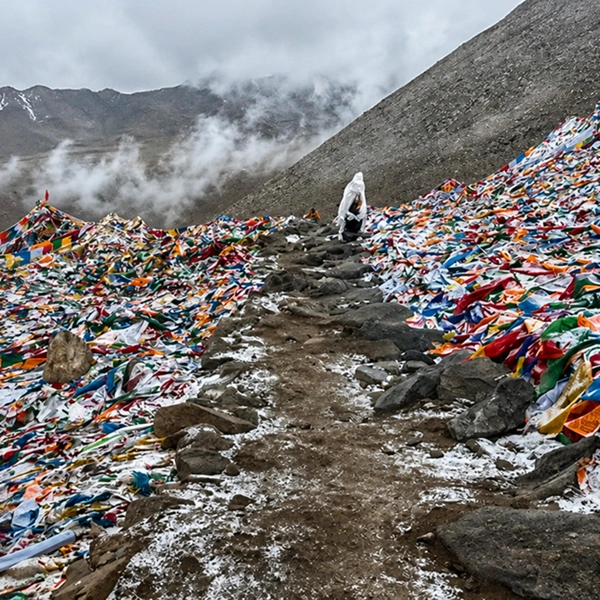
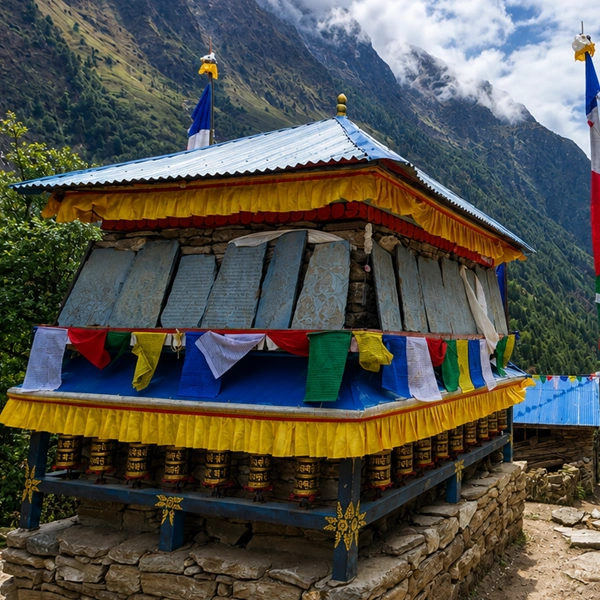
Most of our guests are not mountaineers.
They are doctors, lawyers, founders, and executives in their 50s and 60s. They have desk jobs. They have family lives. They have not climbed anything bigger than a hotel staircase in years. And yet every season, we walk dozens of them to Everest Base Camp safely and joyfully.
How? Because the EBC trek is not a mountaineering climb. It is a long, sustained walk at high altitude. And walking is something almost any healthy adult can train for, given the right plan and enough time.
This guide is the training plan we send to every confirmed guest of Alpine Luxury Treks. Six months. Three pillars. No gym memberships required. No previous mountain experience needed. If you can commit four hours a week for half a year, we can get you to base camp.
First, Let Us Be Clear: This Is a Hike, Not a Climb
There is a lot of bad information online about Everest. Most of it confuses summiting the peak with reaching base camp. They are entirely different journeys.
To climb to the summit of Everest, you need crampons, ice axes, ropes, technical training, and years of high-altitude experience. To trek to Everest Base Camp, you need good boots and the patience to walk for 5 to 7 hours a day.
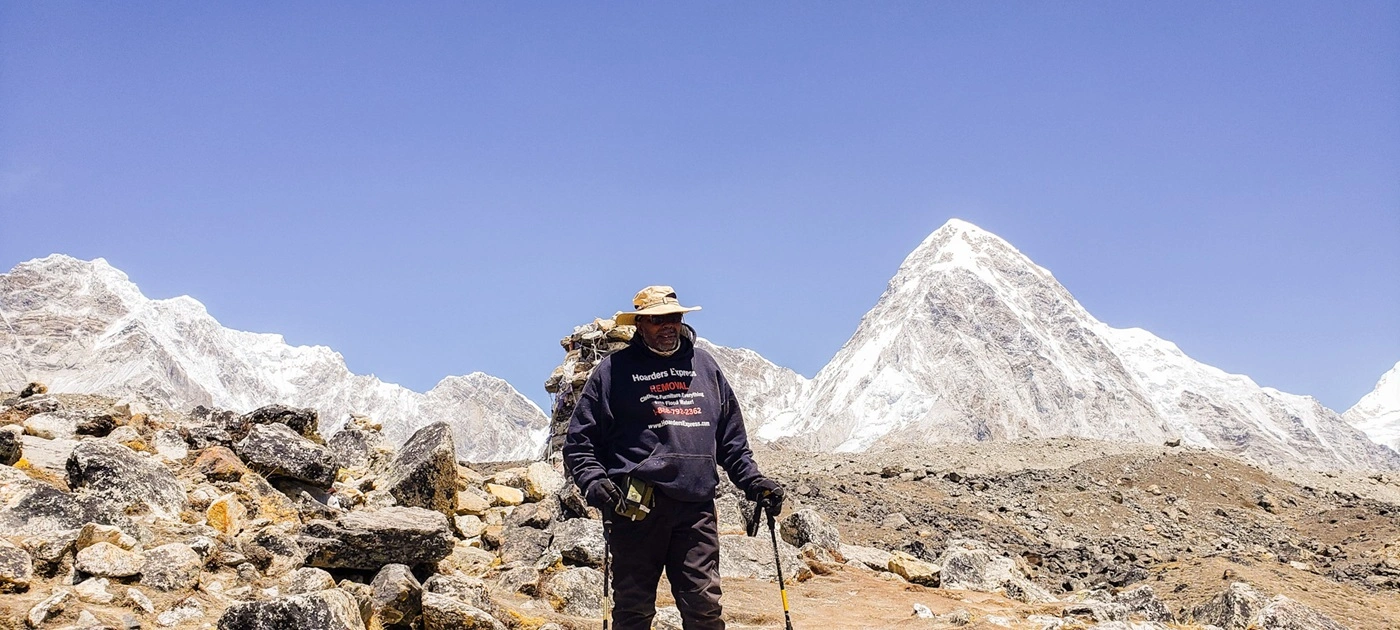
The EBC trail is roughly 130 kilometers round-trip. It starts at Lukla (2,860 meters) and ends at base camp (5,364 meters). Most of our guests also climb to Kala Patthar at 5,545 meters for the iconic Everest sunrise view. The path is mostly stone steps, dirt trails, and wooden suspension bridges. There is no climbing equipment involved.
Age is not a barrier. We have walked guests in their 70s to base camp without issue. What matters is preparation.
Why Treadmill Training Alone Will Not Work
The Khumbu trail is unlike anything you have at home. It is uneven. It is rocky. It is loose underfoot in places.
Research on human walking shows something important. Walking on uneven terrain costs your body 28 percent more energy than walking on a flat surface. Your knees do 28 percent more mechanical work. Your hips do 62 percent more.
That is why training only on a flat treadmill will not prepare you. Your big muscles will be ready. Your stabilizers, ligaments, and joints will not. By day three on the trail, the small muscles around your ankles will start to fail. Your knees will hurt. Your pace will slow.
Real trail preparation means real trail walking. That is built into our plan.
The 3 Pillars of EBC Training
We train guests across three areas. Skip one, and the other two will not save you.
Pillar 1: Cardiovascular Endurance (Aerobic Base)
Your cardiovascular system is the engine. At altitude, it has to work harder to move oxygen. We need to make it efficient before you arrive.
For our demographic, we recommend Low-Intensity Steady State training. LISS means walking, hiking, cycling, or swimming at a comfortable pace where you can still hold a conversation. Your heart rate stays around 60 to 70 percent of maximum.
Why not high-intensity intervals? Because the EBC trek is a long, slow effort, not a sprint. We are training your body to walk steadily for hours, not to hit explosive bursts. LISS also has a much lower injury rate, which matters when you are over 50.
Aim for 3 to 4 sessions a week. Build duration over time. Start at 45 minutes. Work up to 3-6 hours per month by month 5.
Pillar 2: Strength and Joint Resilience
This is where most non-athletes fail. They build cardio and ignore strength.
Then they hit the long descents into Namche or Pheriche, and their knees give out. The descent is harder on the body than the climb. Each downhill step forces your quadriceps to absorb your bodyweight plus your pack. Multiply that by thousands of steps over multiple days. Without strong legs, you will be in pain.
We prescribe four exercises specifically for the EBC trail.
Weighted step-ups. Use a sturdy box or low bench. Add weight in a backpack. This trains the exact muscle pattern you need for the stone staircases above Phakding.
Forward and reverse lunges. These build the small stabilizer muscles around your ankles and hips. You need them for the loose moraine between Lobuche and Gorak Shep.
High-rep squats. Sets of 15 to 20 reps build the kind of muscular endurance that lets you climb for hours without your legs giving out. Forget heavy powerlifting. We want stamina, not maximum strength.
Planks and core work. A weak core forces your lower back to compensate when you carry a daypack. By day five, your back will be screaming. A strong core prevents this entirely.
|
Muscle Focus
|
Exercise
|
On the Trail
|
Why It Matters
|
|
Quads & Glutes
|
High-rep squats, weighted step-ups
|
Long climbs (Namche Hill)
|
Beats leg fatigue on ascents
|
|
Hamstrings & Knees
|
Eccentric step-downs, lunges
|
Long descents (Gorak Shep → Pheriche)
|
Protects knees during downhill walking
|
|
Ankles & Calves
|
Calf raises, single-leg balance
|
Glacial moraines, rocky paths
|
Prevents rollover sprains
|
|
Core
|
Planks, dead bugs
|
Daypack carry (5–10 kg)
|
Stops lower back pain
|
Pillar 3: Mental Resilience and Pacing
This is the pillar most guides do not talk about. We do.
Sherpas have a phrase: "Bistari, bistari." It means slowly, slowly. It is the most important survival skill on this trail.
Sherpas have spent thousands of years adapting genetically to altitude. Their bodies use oxygen with extraordinary efficiency. You and I do not have that genetic advantage. We have to imitate it through pacing.
When you walk too fast at altitude, your body cannot keep up. Your breathing accelerates. You blow off too much carbon dioxide. Your blood chemistry shifts. You get a headache, then nausea, then full altitude sickness. All from walking five minutes faster than you should have.
The fix is simple but psychologically hard. Walk slower than you think you should. Stay at a pace where you can talk in full sentences without gasping. If you can do that, you are fine. If you cannot, slow down.
For high-achieving professionals who run on speed and efficiency in daily life, this is the hardest part of the trek. Our guides will keep reminding you. Trust them. The mountain rewards patience.
Hydration: Why You Need to Train Your Stomach Too
Dehydration makes altitude sickness worse. A lot worse.
At altitude, you lose water twice as fast as at sea level. The air is dry. The air is cold. You breathe harder. Sweat evaporates instantly, so you do not even notice you are losing fluid.
On the trail, you need to drink 4 to 5 liters of water every day. That is a lot of water. If your stomach is not used to handling that volume, you will feel bloated, queasy, and miserable.
So we ask our guests to start drinking 4 liters a day during their last two months of training. Spread it out across the day. Sip, do not chug. Your stomach will adapt within a week or two. By the time you arrive in Kathmandu, drinking 4 liters will feel normal.
Add electrolytes. The salts you lose through breathing and exertion need to be replaced. We recommend a quality electrolyte powder. Avoid the high-sugar sports drinks.
PRACTICE WITH FILTERED WATER
The Khumbu region has banned single-use plastic water bottles. Smart move for the environment. It means you will be filtering or treating your water on the trail. We recommend practicing with a SteriPen or a Lifestraw at home so the routine is automatic by the time you arrive. You do not want to be learning new gear at 4,000 meters.
Get a Medical Screening Before You Train
If you are over 50, this is non-negotiable for us. We require a medical clearance before we accept your booking.
Altitude puts steady stress on your cardiovascular system. Your heart rate goes up. Your blood pressure can spike. If you have undiagnosed heart conditions, hypertension, or sleep apnea, the trail is the wrong place to find out.
Talk to your doctor early in your training window. Ask for a stress test if you have a history of cardiovascular disease. Discuss your training plan. Get clearance to start.
During the same visit, ask about Diamox (acetazolamide). It is the most effective preventive medication for altitude sickness. Most of our guests use it. Your doctor will prescribe the right dose for you.
The 6-Month EBC Training Plan: Month by Month
Here is the plan we send to every guest. Adjust the start date so that month 6 ends with your departure for Kathmandu.
Months 1 to 2: Build Your Base
Goal: Build cardiovascular endurance and start strengthening joints. No impact yet.
Cardio: 3-4 sessions per week of LISS activities. Brisk walking, cycling, or swimming. 45 to 60 minutes per session. Heart rate stays in Zone 2 — comfortable, conversational pace.
Strength: 2 sessions a week. Bodyweight only. Squats, lunges, planks. Focus on perfect form, not heavy weight.
Gear step: Buy your trekking boots now. Wear them on every walk. The break-in process takes weeks. Boots that fit perfectly in the store will reveal hot spots over hours of wear. Better to find them at home than in Lukla.
Months 3 to 4: Add Load and Hills
Goal: Move from general fitness to mountain-specific training.
Cardio: Keep your weekday LISS sessions. Add a longer weekend hike of 2 to 3 hours. Find a route with hills, stairs, or uneven ground. A treadmill on incline counts in winter, but real terrain is better.
Strength: Add weight. Use a backpack with 5 to 8 kilos for step-ups and lunges. Hold dumbbells during squats. The weight should feel manageable but real.
Gear step: Start training with the actual daypack you will use in Nepal. Begin with 3 kg of weight. Add weight each week. Practice adjusting the hip belt so it sits on your hip bones, not your shoulders.
Months 5 to 6: Simulate the Trail
Goal: Build the stamina to trek for multiple consecutive days.
Cardio: This is the cornerstone of your training. Do back-to-back weekend hikes. A 4 to 6-hour hike on Saturday. A 3 to 4 hour hike on Sunday. This trains your body to walk on tired legs, exactly what you will be doing day after day in the Khumbu.
Strength: Maintain 2 sessions a week. Focus on slow, controlled step-downs from a box. This builds the eccentric strength your knees need for the long descents.
Gear step: Practice your full hydration protocol. Drink 4 liters during your Saturday hike. Wear your full layering system. Test your headlamp, your snacks, and your sun protection. Everything you will use in Nepal should be tested at home.
TAPER TWO WEEKS BEFORE DEPARTURE
In your final two weeks, scale back hard training. Light walks. Stretching. Sleep. Your body needs time to fully recover and store glycogen for the trek. Arriving in Kathmandu fatigued from a final intense session is a common mistake. Do not make it.
Pack Smart: Why Weight Is Your Enemy
More guests struggle with packing mistakes than with poor fitness.
At altitude, every extra kilo in your daypack costs you energy you cannot afford to spend. Your body has to fuel basic walking, fight the cold, manage the altitude, and digest food, all on reduced oxygen. Adding unnecessary weight forces it to work even harder.
Be ruthless with your daypack. It should hold only what you need between meals: 2 to 3 liters of water, a waterproof jacket, a fleece, sun protection, snacks, and a basic first aid kit. Everything else goes in your duffel bag, which your porter or our yak team will carry.
Use trekking poles. They are not optional for our older guests. Used correctly, poles transfer about 20 percent of your weight to your upper body. Over 130 kilometers and tens of thousands of vertical meters of descent, that is the difference between sore knees and broken ones.
How Our Luxury Lodges Make Recovery Easier
Training builds the engine. Recovery keeps it running. This is where Alpine Luxury Treks gives our guests a real edge.
Standard teahouses on the EBC trail are rough. Plywood walls. Sub-zero rooms. Shared squat toilets. Most trekkers rack up 24 to 36 hours of sleep debt over the trip, exactly when their body needs maximum recovery.
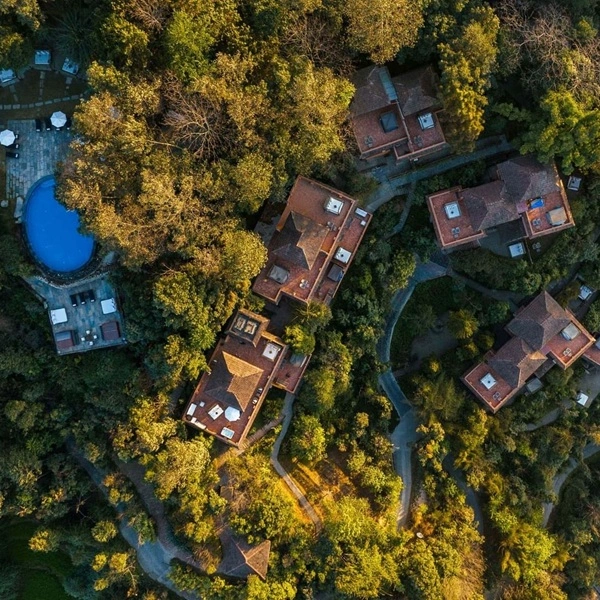
Our lodges are different. Heated rooms. Electric blankets. Insulated walls. Some properties even offer oxygen-enriched sleeping environments. Your body uses its energy for acclimatization, not for shivering through the night.
The food matters too. We serve hot, hygienic, varied meals with proper protein and complex carbohydrates. You will not be eating dal bhat for the eighth night in a row. Good nutrition speeds muscle repair and protects against altitude-induced appetite loss.
And finally, the helicopter returned. We extract our guests from Gorak Shep by helicopter at the end of the trek. This skips the brutal three-day descent that destroys older trekkers' knees. You arrive at base camp triumphant, then fly back to Kathmandu the next day with your joints intact.
The Bottom Line: Discipline, Not Athleticism
Reaching Everest Base Camp does not require an elite athlete's body. It requires six months of disciplined preparation, smart pacing on the mountain, and a team that knows what they are doing.
If you are reading this in your 50s or 60s and wondering whether you can do it, the honest answer is yes. We have walked guests like you to base camp every season for years. The mountain is more accessible than people think.
What you need is a plan. You now have one. What you need next is a team. That is where we come in.
Ready to start training for your Everest Base Camp trek?
Talk to our team about a 2026 luxury EBC trek. We will send you our full training plan, gear list, and a medical questionnaire to share with your doctor.