The Birthplace of Buddha
The Sacred Garden: Where It Started
The Sacred Garden is the innermost precinct of the Lumbini complex. It contains the exact birthplace of Siddhartha Gautama, who became the Buddha. The Maya Devi Temple shelters the marker stone, a nativity sculpture depicting Queen Maya Devi gripping a sal tree branch during delivery, and the foundations of ancient stupas dating to the 3rd century BCE.
Beside the temple: the Ashoka Pillar, erected by Emperor Ashoka in 249 BCE during his pilgrimage. The Brahmi inscription on the pillar records that this is the birthplace of the Buddha and that Ashoka exempted the village from taxes.
The Puskarni (sacred pool) is where Maya Devi bathed before giving birth. Pilgrims still circumambulate the pool. The Bodhi tree inside the garden provides shade and silence. The atmosphere is not theatrical. It is still. The garden is small enough to walk in 20 minutes but deep enough to sit in for hours.
The Monastic Zone: 25 Countries, One Purpose
Surrounding the Sacred Garden, Lumbini’s Monastic Zone is divided by a central canal into two sectors. The East Monastic Zone houses Theravada Buddhist monasteries. The West Monastic Zone houses Mahayana and Vajrayana monasteries. Over 25 countries have built temples and meditation centers here, each in their own national architectural style. Walking through the zone is like walking through the entire Buddhist world in a single afternoon.
|
Monastery
|
Country / Tradition
|
Why Visit
|
|
Myanmar Golden Temple
|
Myanmar / Theravada
|
The most visually striking structure in the zone. Gold-plated pagoda. Ornate interior with painted Jataka murals. Active monastic community.
|
|
Zhong Hua Chinese Temple
|
China / Mahayana
|
Massive complex. Traditional imperial Chinese architecture. One of the largest Buddhist temples in South Asia. The meditation hall is open to visitors.
|
|
Korean Daesung Shakya
|
South Korea / Mahayana
|
Minimalist Korean design. Tea ceremony traditions. Serene contemplative gardens.
|
|
Thai Royal Monastery
|
Thailand / Theravada
|
White and gold Thai architecture. Active monastic program. Meditation instruction available.
|
|
German Lumbini Meditation Center
|
Germany / Theravada
|
Western-facing meditation center. Vipassana instruction in English. Popular with international visitors.
|
|
Vietnamese Phat Quoc Tu
|
Vietnam / Mahayana
|
Vietnamese pagoda style. Lotus pond gardens. Photogenic at sunset.
|
|
Cambodian Monastery
|
Cambodia / Theravada
|
Angkor-influenced architecture. Provides a direct visual connection to the Southeast Asian Buddhist tradition.
|
The Eternal Peace Flame burns at the northern end of the central canal. It was lit in 1986 and has not been extinguished since. The World Peace Pagoda (Shanti Stupa), a gleaming white Japanese-built stupa, stands at the southern boundary, visible from across the entire complex.
Beyond the Garden: The Archaeological Circuit
Lumbini is the birthplace. But Prince Siddhartha lived his first 29 years in the surrounding Shakya kingdom before renouncing his palace life to seek Enlightenment. The archaeological sites within a 30-kilometer radius trace that story.
|
Site
|
Distance
|
What It Is
|
|
Tilaurakot (Kapilavastu)
|
27 km west
|
The ruins of the Shakya palace, where Siddhartha grew up. Excavated fortifications, gates, and palace foundations. The Eastern Gate is where the prince departed on his Great Renunciation. Museum on-site.
|
|
Kudan
|
24 km west
|
The Nyagrodharama: where the Buddha returned after enlightenment to meet his father, King Suddhodana. Ashoka pillar fragment found here.
|
|
Niglihawa
|
30 km NW
|
Ashoka pillar marking the birthplace of Kanakmuni Buddha, one of the previous Buddhas. An important pilgrimage site for understanding the pre-Shakyamuni Buddhist tradition.
|
|
Devdaha
|
70 km east
|
The birthplace of Queen Maya Devi, Siddhartha’s mother. Excavated palace ruins and pond. Connects the maternal lineage to the birth narrative.
|
|
Ramgram Stupa
|
100 km SE
|
The only original, undisturbed relic stupa of Shakyamuni Buddha in the world. Never opened by archaeologists. The relics inside are believed to have been placed by the Koliyas after the Buddha’s cremation.
|
Every other relic stupa was opened by Ashoka, and the relics were redistributed. Ramgram is the exception — legend says Naga serpents guarded it so fiercely that even Ashoka could not approach. It remains undisturbed. For Buddhist pilgrims, this is one of the most sacred archaeological sites on earth. We include it as a day excursion for guests staying 3+ nights.
The Crane Sanctuary and Wetlands
Lumbini’s flat Terai landscape includes extensive wetlands that serve as habitat for the endangered Sarus crane — the world’s tallest flying bird, standing nearly 6 feet. The crane sanctuary within the Lumbini Development Zone is a quiet birding destination: Sarus cranes, painted storks, lesser adjutant storks, and dozens of waterfowl species. We arrange early-morning birding walks with local naturalist guides. For guests coming from Chitwan, this extends the wildlife narrative into a completely different ecosystem.
Where to Stay
Lumbini’s hotel infrastructure is less developed than Kathmandu, Pokhara, or Chitwan. The luxury tier is smaller but genuine.
|
Property
|
From / Night
|
Character
|
|
Buddha Maya Garden Hotel
|
$120–200
|
The best hotel in Lumbini proper. Manicured gardens. Pool. Spa. Restaurant with international and Nepali cuisine. Walking distance to the Sacred Garden. The default luxury choice.
|
|
Lumbini Hokke Hotel
|
$80–150
|
Japanese-operated. Clean, minimal, quiet. Japanese hospitality standards. Onsen-style bathing. Excellent for guests who want simplicity aligned with the spiritual atmosphere.
|
|
Tiger Palace Resort
|
$100–180
|
Resort-style property with a casino. Pool. Spa. Conference facilities. Less spiritually aligned but more amenity-rich. Suit guests who want resort comfort with Lumbini as a day trip.
|
Lumbini does not have a Dwarika’s or a Meghauli Serai. The luxury here is not in the hotel — it is in the access. A private guide walking you through the Sacred Garden at dawn, when the monks are chanting and no tourists have arrived. A private car to Tilaurakot with a scholar who can read the Ashoka inscriptions. A meditation session led by a resident monk in a Myanmar pagoda. The hotels are comfortable. The experiences are extraordinary.
Private Meditation and Mindfulness
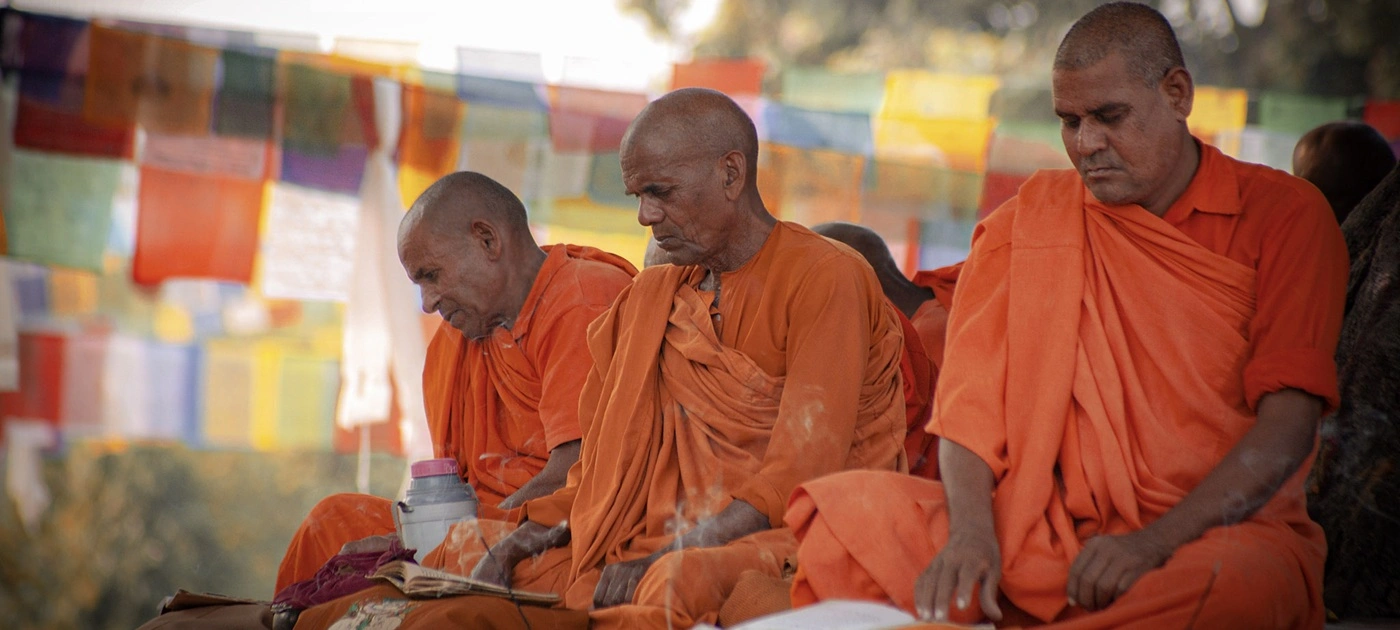
We arrange private meditation sessions inside functioning monasteries. The German Lumbini Meditation Center offers Vipassana instruction in English. The Thai Royal Monastery provides guided mindfulness in the Theravada tradition. The Chinese Zhong Hua Temple has a meditation hall open to private groups. These are not tourist experiences. They participate in the monastic program, adapted for guests with a serious interest.
For guests who want deeper immersion, we arrange a sunrise circumambulation of the Sacred Garden with a local Buddhist scholar, followed by seated meditation at the Puskarni pool. The combination of the site's historical gravity and the morning silence creates a depth of experience that no other location in Nepal offers.
Getting Here
|
Option
|
Duration / Cost
|
Notes
|
|
Flight KTM–Bhairahawa
|
35 min / $100–140
|
Buddha Air or Yeti Airlines to Gautam Buddha Airport. 22 km (30 min drive) to Lumbini.
|
|
Drive from Chitwan
|
4–5 hours / $115–150
|
Natural pairing: Chitwan safari, then a pilgrimage to Lumbini. Private SUV through the Terai plains.
|
|
Drive from Pokhara
|
6–7 hours / $130–160
|
Longer but scenic. Through Tansen (Palpa) hill town — possible lunch stop.
|
|
Drive from Kathmandu
|
8–10 hours / $150–180
|
Long. Better to fly. Only recommended if combining with Chitwan en route.
|
When to Visit
October to March: the best window. Cool, dry, clear. Comfortable for walking in the Monastic Zone and the archaeological sites. April-May: increasingly hot (up to 40°C) — manageable with early-morning visits and air-conditioned hotels.
June-September: monsoon heat and humidity. Wetlands are lush, but walking is uncomfortable. Buddha Jayanti (the full moon of Vaisakha, typically in May) is the most significant pilgrimage day — the Sacred Garden is packed with devotees. We schedule visits either before or after this date for a quieter experience.
Sample Schedules
2 Nights: The Spiritual Bookend
Day 1: Arrive from Chitwan (4-5 hour drive) or Bhairahawa flight. Check in to Buddha Maya Garden. Afternoon: East Monastic Zone — Myanmar Golden Temple, Thai Royal Monastery. Sunset at the World Peace Pagoda. Day 2: Sunrise circumambulation of the Sacred Garden with a scholar guide. Maya Devi Temple. Ashoka Pillar. Puskarni pool meditation. Afternoon: private car to Tilaurakot (Kapilavastu palace ruins). Day 3: Morning birding at the crane sanctuary. Departure to Kathmandu (flight) or Pokhara (drive).
3 Nights: The Deep Immersion
Adds: Day 3 morning private Vipassana session at the German Meditation Center. Afternoon: West Monastic Zone — Chinese Zhong Hua Temple, Korean monastery, Vietnamese pagoda. Day 4: excursion to Kudan and Niglihawa (Ashoka pillars). Or: full-day Ramgram Stupa excursion for guests with serious archaeological interest. This is the schedule for travelers who came to Lumbini as a destination rather than a stopover.
Frequently Asked Questions
What is Lumbini?
- The birthplace of Siddhartha Gautama, the historical Buddha, is approximately 623 BCE. A UNESCO World Heritage Site in the Terai plains of southern Nepal. The Sacred Garden contains the exact birth site (marker stone at Maya Devi Temple), the Ashoka Pillar (249 BCE), and the Puskarni sacred pool. Surrounded by monasteries built by 25+ countries.
How many days do I need?
- Two nights for a meaningful visit: Sacred Garden, Monastic Zone, Tilaurakot excursion. Three nights for deep immersion, adding private meditation, the full West Monastic Zone, and the Ramgram or Niglihawa archaeological excursions. One night is too rushed for the spiritual atmosphere to register.
What is the best hotel?
- Buddha Maya Garden Hotel: the best in Lumbini proper. Pool, spa, gardens, walking distance to the Sacred Garden. Lumbini Hokke Hotel: Japanese-operated, minimal, quiet, onsen-style bathing. Tiger Palace Resort: resort-style with casino, pool, more amenities, but less spiritually aligned.
Can I meditate at the monasteries?
- Yes. We arrange private meditation sessions at the German Lumbini Meditation Center (Vipassana in English), the Thai Royal Monastery (Theravada mindfulness), and the Chinese Zhong Hua Temple (meditation hall). These are participation in monastic programs, not tourist demonstrations.
What is Tilaurakot?
- The archaeological ruins of the Shakya palace at Kapilavastu, 27 km west of Lumbini. Where Prince Siddhartha spent his first 29 years before the Great Renunciation. Excavated fortifications, gates, palace foundations, and a museum. The Eastern Gate is where the prince departed.
What is the Ramgram Stupa?
- The only original, undisturbed relic stupa of Shakyamuni Buddha in the world. 100 km southeast of Lumbini. Never opened by archaeologists. The relics inside are believed to have been placed after the Buddha’s cremation. Legend says Naga serpents guarded it so fiercely that even Emperor Ashoka could not approach.
Is Lumbini suitable for all ages?
- Yes. Elevation ~100m. Flat terrain. Zero altitude risk. The Sacred Garden and Monastic Zone are within walking distance. Rickshaws and bicycles available within the Development Zone. Air-conditioned hotels for heat management. Suitable for seniors, families, and guests with mobility limitations.
When is the best time to visit?
- October to March: cool, dry, comfortable walking weather. April-May: hot (up to 40°C) but manageable with early-morning visits. June-September: monsoon humidity. Buddha Jayanti (full moon of Vaisakha, May) is the biggest pilgrimage day — the Sacred Garden will be crowded.
How does Lumbini pair with Chitwan?
- Naturally. Chitwan to Lumbini is a 4-5 hour drive through the Terai. Safari first, then spiritual pilgrimage. This pairing gives guests Nepal’s subtropical wildlife and its deepest spiritual site in a single low-altitude sequence — no mountains, no altitude, no physical exertion.
Do you include Lumbini in your itineraries?
- Yes. We position Lumbini as the spiritual bookend to the Nepal itinerary — typically after Chitwan and before the return flight to Kathmandu. For guests on the 10-day Deep Immersion or the Spiritual Luxury Pilgrimage framework, Lumbini receives 2-3 dedicated nights.
The Final Word
Lumbini is the quietest place in this entire content library. No altitude. No adventure. No adrenaline. A garden. A pillar. A pool. A flame that has been burning since 1986. Monasteries from 25 countries are arranged along a canal. The sound of monks chanting at dawn. The Sarus crane stands six feet tall in the wetlands.
The luxury at Lumbini is not in the hotel. It is in the access: a private scholar at the Ashoka Pillar who can read Brahmi script. A private meditation session inside a Myanmar pagoda. A sunrise walk around the exact spot where the person who changed the spiritual trajectory of a billion people was born. If you came to Nepal for the mountains, Lumbini will show you what the mountains are standing next to. Tell us your dates.
Including Lumbini in your Nepal journey?
Two nights after Chitwan. Three nights as a spiritual destination in its own right. We build around your interest and your pace.