Where to Stay
Six Senses Thimphu — The Palace in the Sky
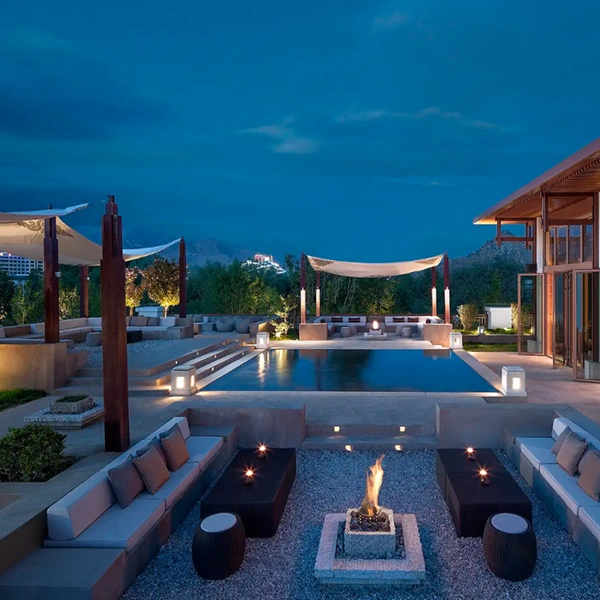
20 suites and 5 freestanding villas at 2,400 meters. The villas are the pinnacle: private butler, dedicated spa treatment room, floor-to-ceiling windows, and a traditional wood-burning stove set against sleek stone, timber, and rammed-earth interiors. The reflecting infinity pool hangs over the valley. The Prayer and Meditation Pavilion sits above the clouds. The Earth Lab runs sustainability workshops. The Alchemy Bar mixes drinks with local botanicals.
The spa is the most advanced in Bhutan. Temperature-controlled indoor pool. Five treatment rooms. The Dotsho hot stone bath (indigenous herbs, altitude recovery). Clear quartz crystal energy regulation. Bhutanese chanting and Himalayan singing bowls. The signature experience is not a massage — it is a recalibration of your nervous system using tools that predate the hotel by a thousand years.
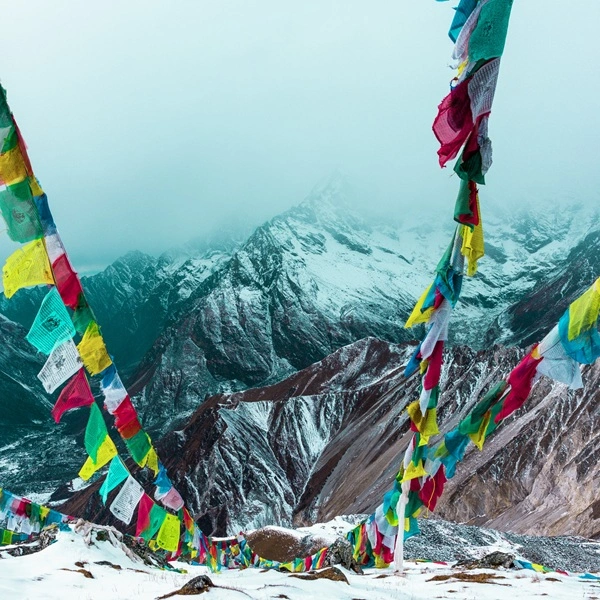
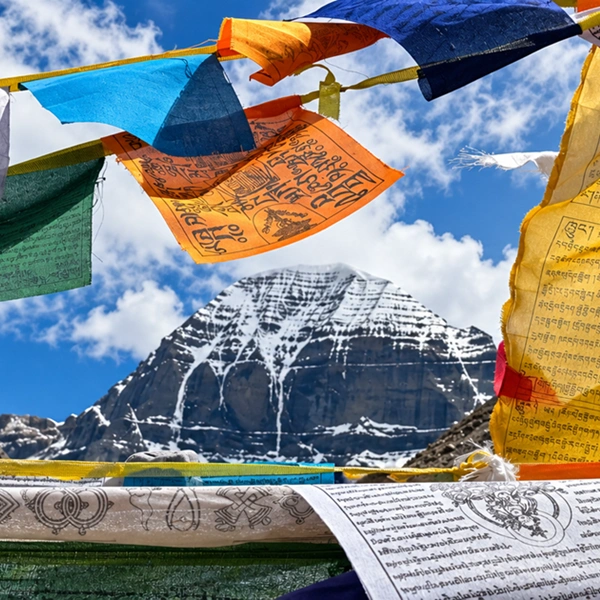
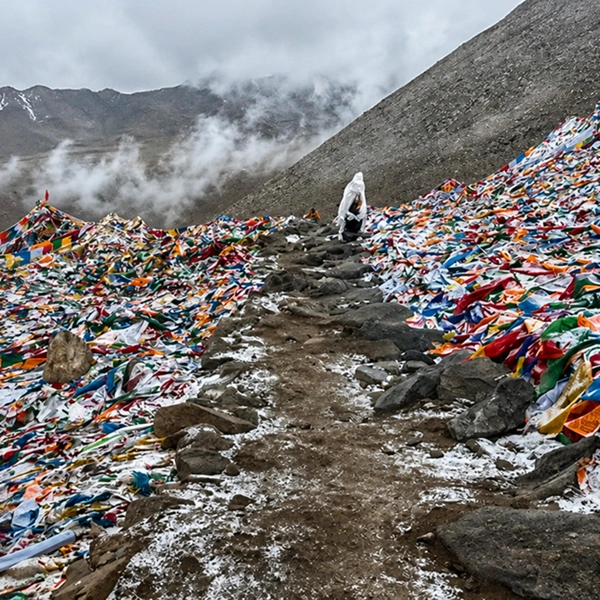
Dining at Namkha: farm-to-table from the lodge’s private organic gardens. Artisanal momos with fiery ezay chili paste. The Lungsigang Picnic: a guided hike through pine forest to a clearing draped in prayer flags, where you eat traditional butter tea, masala chai, and a multi-course lunch overlooking the valley. Private BBQ Terrace Dinners and sunset cocktails at Nibnub Point with dedicated chefs and waitstaff beside roaring fires.
Amankora Thimphu
16 suites in the upper Motithang area, concealed in virgin pine forest, minutes from the city center. Designed by Kerry Hill. Soaring ceilings. Warm wood-paneled walls. Terrazzo bathtubs. Twin vanities. Central wood-burning stove with banquette window seats. No televisions. The silence is architectural.
What Amankora does that nobody else does: private intellectual lectures on Buddhism and Bhutanese history delivered by Mynak Tulku Rinpoche — a highly respected Buddhist leader, the 12th reincarnation of his lineage, and the founder of the National Library in Thimphu. You receive guided meditations, philosophical discourse, and traditional khata scarf blessings in an intimate setting.
Private archery lessons on the lodge’s manicured grounds (traditional bamboo bows, Bhutanese targets at 460 feet). Hot-oil Ayurvedic head massage. Farm-to-table dining from a private kitchen garden: local ingredients elevated to the highest standard of execution.
Pemako Thimphu
66 rooms — the largest luxury hotel in Thimphu. Fortress architecture in the city center. Duplex Luxury Suites with imposing views of the mountains, the Wang Chhu river, and the 169-foot Buddha Dordenma. Intricate hand-drawn murals cover the suite walls — you sleep inside a work of art.
The Lotus Realm Spa operates on Sowa-Rigpa (traditional Bhutanese-Tibetan medicine): massages, body scrubs, and hot stone therapies designed to restore balance through ancient principles rather than modern marketing. Pedestrian access to the Tashichho Dzong and the Centenary Farmers Market — no vehicle needed for the city’s most important sites.
The Postcard Dewa
13 rooms and 2 signature suites. The most intimate option. Rooms: 995-2,100 sqft. The Dewa Suite: private living room, sprawling private garden, terrace, and a dining gazebo overlooking the forested valley.
Temperature-controlled pool. Yoga pavilion. Hot stone baths for muscular recovery. The deliberately small footprint means personalized, anticipatory service and absolute privacy. This is the hotel for people who want to be invisible.
Le Méridien and Taj Tashi
Le Méridien: sophisticated rooms with Bhutanese furnishings. Royal Suite. Sese Shamu Pan-Asian restaurant. Latest Recipe open-kitchen Western buffet. Centrally located for government meetings and textile shopping.
Taj Tashi: Bhutanese architectural grandeur with Indian hospitality standards. Wellness center. Fine dining. Panoramic mountain views. Both serve as excellent urban bases.
What to Eat
Phangu
Taba area. Private, themed dining spaces adorned with ancient wooden masks, murals, and prayer flags. A tasting menu that reinterprets Bhutanese classics with modern technique. The signature: a complex preparation of pig’s head that pushes the boundaries of traditional Bhutanese cuisine. This is the restaurant that proves Thimphu has a fine-dining scene.
Babesa Village Restaurant
A 600-year-old heritage structure on the Thimphu Expressway. Ancestral recipes rarely found in modern restaurants. Jaju: a delicate, frothy milk and turnip leaf soup. Mengay: “Bhutanese Pizza” — a dense red rice base topped with a buttery paste of egg, perilla seeds, and garlic. Stepping into Babesa is stepping into a kitchen that has been cooking for 25 generations.
Folk Heritage Museum Restaurant
Seasonal, organic, strictly local. You sit on vibrant cushions around low wooden tables. You eat from hand-carved wooden bowls. Butter tea (suja). Red rice. Khulee (buckwheat pancakes). Over 100 meat and 60 vegetarian preparations. Ja sha maroo (spicy minced chicken). Traditional dining etiquette is enforced. The meal is a course in how Bhutan eats, not how hotels serve.
Monastery Courtyard Dinners
Through our network, private candlelit dinners are hosted inside the courtyards of active centuries-old monasteries. High gastronomy in spaces normally reserved for ascetic practice. Heritage farmhouse dinners in 200-year-old noble houses: saffron-infused rice wine, live traditional musicians singing Bhutanese folk ballads. These are not meals. They are cultural events.
Who You Meet
Mynak Tulku Rinpoche
The 12th reincarnation of his lineage. Founder of the National Library in Thimphu. Through Amankora and specialist operators, you receive a private audience: guided meditation, theological conversation, and a traditional khata blessing.
This is not a scheduled tourist event. It is a personal encounter with a living, reincarnate Buddhist master — and it requires strict adherence to monastic courtesy and advance arrangement through institutional relationships.
Ap Dorji — The Astrologer
Astrology is foundational in Bhutan. It dictates marriages, business decisions, political appointments, and travel dates. Ap Dorji provides private astrological readings based on ancient Tibetan and Bhutanese charts.
The reading is deeply personal: your birth year, your elemental sign, your compatibility with specific travel dates, your auspicious directions. For couples planning blessings or vow renewals, a high lama often selects the ceremony date based on the astrological profiles of both partners.
Sunrise at Buddha Dordenma
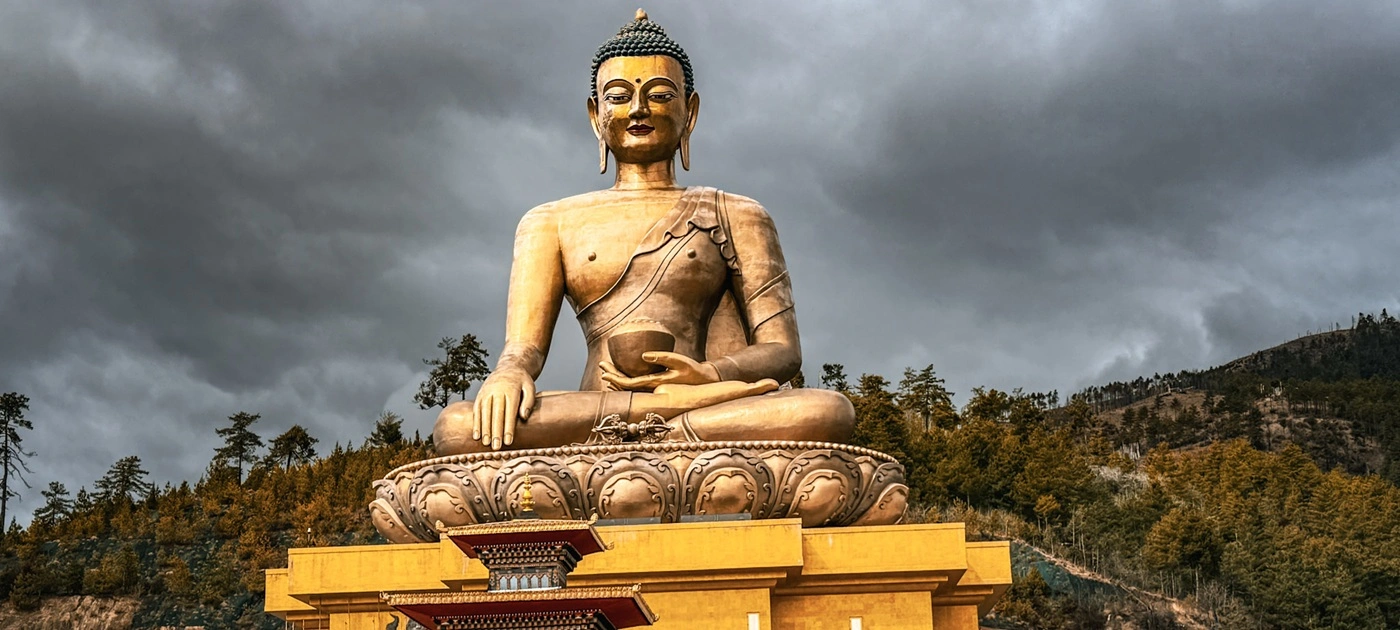
169 feet. Gilded. Housing 125,000 smaller Buddhas inside. At sunrise, before the site opens to the public, a local monk leads a guided meditation at the base of the statue in complete solitude. The valley fills with mist below you. The statue glows. The monk chants. You are the only people there.
What to Buy
Kelzang Textiles — The $6,000 Silk Kira
Helmed by master weaver Kelzang Wangmo (“Jambay”). Specializes in Kishuthara — an intricate silk-on-silk textile from the remote Lhuntse district in Eastern Bhutan. A single silk kira panel takes months to weave. Fair-trade certified. Artisan living wages guaranteed. Museum-quality pieces from $6,000. This is the pinnacle of Himalayan textile art and slow fashion. You are not buying a garment. You are acquiring a hand-woven artifact.
Lungta Handicrafts — Bespoke Gho and Kira
Certified Himalayan antiques. Bespoke tailoring: select handwoven fabric, have a Gho or Kira custom-fitted by expert seamstresses in 3-5 days. Tailoring: Nu. 8,000-15,000 ($95-180) excluding fabric. The Gho or Kira you take home fits you perfectly and was cut to your measurements in a Thimphu workshop.
VAST Gallery — Contemporary Bhutanese Art
The Voluntary Artists Studio. Gallery, creative incubator, and philanthropic center. The most promising emerging Himalayan artists. The TWINZ (Tashi Dendup and Ugyen Samdrup): identical twin brothers collaborating on single canvases, blending post-war European painting with Himalayan Shamanism and Buddhism. Appointment-only studio visits for serious collectors.
Choki Traditional Art School — The Workshops
A 340-year-old heritage building. Private workshops with senior artisans. Not observation. Participation.
|
Workshop
|
Duration
|
What You Do
|
|
Tsa-Tsa Making & Painting
|
90 min
|
Shape and paint sacred clay votives used in Buddhist rituals. Deeply meditative. You take your tsa-tsa home.
|
|
Prayer Flag Printing (Dar-Pa)
|
90 min
|
Ancient woodblock printing. Learn the elemental symbolism of the five colors. Take home a blessed prayer flag you printed yourself.
|
|
Atsara Mask Making
|
120 min
|
Carve and paint the expressive masks worn by jesters during tshechu festivals. The mask you make is the souvenir nobody else has.
|
|
Bamboo Crafting
|
120 min
|
Sustainable weaving with locally sourced Himalayan bamboo. Tradition meets ecological mindfulness.
|
Each workshop includes butter lamp lighting and signature mint tea. The concept of a “souvenir” transforms: what you take home is not something you bought. It is something you made, in a 340-year-old building, with the hands of an artisan guiding yours.
Frequently Asked Questions
What is the best hotel in Thimphu?
Six Senses (Palace in the Sky): 5 private villas, crystal meditation, Dotsho, reflecting pool. Amankora: 16 suites, Mynak Rinpoche lectures, archery, farm-to-table. Pemako: 66 rooms, fortress architecture, Sowa-Rigpa spa, city-center access. Postcard Dewa: 13 rooms, maximum privacy. Six Senses for wellness. Amankora for spiritual depth. Pemako for urban luxury. Postcard Dewa for invisibility.
How many days should I spend in Thimphu?
Minimum 2 nights: Tashichho Dzong, Buddha Dordenma, Centenary Farmers Market, one lodge experience. Recommended 3 nights: adds Mynak Rinpoche audience, textile shopping, Choki Art School workshop, Phangu dinner. Extended 4 nights: includes an astrological reading, a monastery courtyard dinner, a visit to the VAST gallery, and a deeper wellness program.
Can I meet a Rinpoche?
Yes. Through Amankora and specialist operators, private audiences with Mynak Tulku Rinpoche (12th reincarnation, founder of the National Library). Guided meditation, theological discourse, and khata blessing. Requires advance arrangement through institutional relationships and strict adherence to monastic protocol.
What is the best restaurant in Thimphu?
Phangu: tasting menu, modern Bhutanese fine dining, private themed rooms. Babesa: 600-year-old heritage building, ancestral recipes, “Bhutanese Pizza.” Folk Heritage Museum: traditional etiquette, wooden bowls, 100+ preparations. Namkha at Six Senses: farm-to-table haute cuisine. For experiential: monastery courtyard dinners or heritage farmhouse dinners with live musicians.
What textiles should I buy?
Kelzang Textiles: Kishuthara silk-on-silk kira from Lhuntse ($6,000+). The absolute pinnacle. Lungta Handicrafts: bespoke Gho or Kira tailored to your measurements in 3-5 days ($95-180 tailoring, fabric separate). Royal Textile Academy: understanding the art before you buy.
What are the Choki Art School workshops?
90-120 minute private sessions in a 340-year-old building. Tsa-tsa making (sacred clay votives). Prayer flag printing (woodblock). Atsara mask carving. Bamboo crafting. Includes butter lamp lighting and mint tea. You take home what you made. Not a tour. A masterclass.
What is ema datshi?
The national dish. Chilies cooked in cheese sauce. The chili is treated as a vegetable, not a spice. Variations: kewa datshi (potato), shamu datshi (mushroom). Served with red rice. The foundation of every Bhutanese meal. Every restaurant in this guide serves a version. Babesa’s is the most traditional.
Is Thimphu walkable?
The city center is walkable, with Tashichho Dzong, the Centenary Farmers Market, Pemako, and textile shops. Six Senses and Amankora are in the hills above the city (15-20 min drive). Postcard Dewa is on the outskirts. No self-driving allowed for tourists — private chauffeured SUV (Land Cruiser) for all inter-lodge movement.
What is the Buddha Dordenma?
169 feet tall. Gilded bronze. Houses 125,000 smaller bronze and gilt Buddhas inside. One of the largest sitting Buddha statues in the world. Sweeping sunset views of the Thimphu valley. Sunrise guided meditation with a local monk before public hours is the defining spiritual experience in Thimphu.
How do I get to Thimphu from Paro?
Drive: 1.5 hours through winding mountain road (private SUV). Helicopter: 15-20 minutes ($1,458-1,758) via Royal Bhutan Helicopter Service. The helicopter eliminates switchbacks and provides immediate immersion in the valley. For multi-valley circuits, the helicopter transfer is strongly recommended.
The Final Word
Thimphu is the capital that refused to become a capital. No traffic lights. No skyscrapers. No fast food chains. The tallest structure is a 17th-century fortress that houses both the king’s throne room and the monastic body. The finest meal is served in a 600-year-old building from hand-carved wooden bowls.
The most valuable acquisition is a silk textile woven by a single artisan over six months. And the most profound experience is a private conversation with a man who is the 12th reincarnation of his lineage, in a pine-forest lodge with no television, where the only sounds are a wood-burning stove and his voice explaining the nature of impermanence.
This is not a city that sells luxury. It is a city that defines itself by what it refuses to build, what it refuses to commercialize, and what it refuses to allow you to access without earning it through patience, respect, and the willingness to sit on a cushion and listen. Tell us your dates.