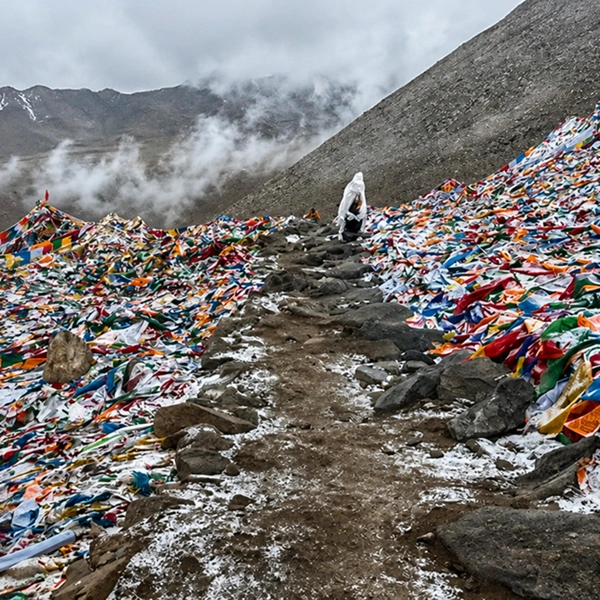
The first time you see the price comparison, there’s a moment of sticker shock. A standard Everest Base Camp trek runs $1,200 to $1,800 per person. A luxury EBC trek runs $3,500 to over $6,500. Same mountain. Same trail. Same 5,364-meter terminus with a wind-battered cluster of prayer flags marking the spot where every Everest summit expedition begins. So what, exactly, does the extra $4,000 buy?
The answer isn’t opulence. It’s physiology. Above 4,000 meters, the human body is engaged in a constant negotiation with altitude — and every element of your environment either helps or hinders that negotiation. A heated room isn’t a comfort; it’s a metabolic subsidy. A private helicopter out of Gorak Shep isn’t a flex; it’s joint preservation. An oxygen-enriched sleep environment isn’t a gimmick; it’s a measurable, documented sleep architecture improvement. The luxury EBC trek isn’t a more comfortable version of the standard trek. It’s a fundamentally different physiological experience of the same geography.
This guide breaks down the cost delta between standard and luxury modalities across every dimension that matters: accommodation, aviation, nutrition, sleep, risk management, and staff support. For trekkers planning a once-in-a-lifetime expedition to the foot of the world’s highest peak, understanding these differences isn’t about justifying an expense — it’s about calibrating the investment to the probability of success.
THE NUMBERS
Cost Breakdown: Standard vs Luxury Everest Base Camp Trek
The cost discrepancy between the two modalities is rooted in a simple logistical reality: in the Khumbu region, every kilogram of supplies must be transported via human porter, pack animal, or helicopter. Basic survival is expensive. Comfort scales exponentially.
|
Cost Component
|
Standard
|
Luxury
|
What You’re Buying
|
|
Total Trip Investment
|
$1,200–$2,500
|
$3,500–$6,500+
|
All-inclusive logistics and aviation
|
|
Lodge per night
|
$3–$30
|
$150–$400
|
Heating, en-suite bathrooms, and insulation
|
|
Aviation
|
Fixed-wing to Lukla
|
Private helicopter return
|
Reliability and joint preservation
|
|
Guide-to-client ratio
|
1:4 to 1:12
|
1:1 to 1:4
|
Safety monitoring and personalization
|
|
Porter support
|
1:2 (shared)
|
1:1 (personal)
|
Reduced daypack weight, flexibility
|
|
Meals
|
Carbohydrate-heavy basics
|
Multi-course gourmet
|
Hygiene and nutritional density
|
These numbers translate to compounding returns on the trail. Every improvement in sleep, nutrition, or logistical reliability feeds directly into the single metric that matters: whether you reach base camp in a state capable of appreciating it.
THE SCIENCE
Why Altitude Physiology Makes Luxury a Performance Tool
The central challenge of the Everest Base Camp trek is hypobaric hypoxia. As altitude increases, barometric pressure decreases, and with it the partial pressure of inspired oxygen. At base camp, oxygen availability is roughly 50% of sea-level values. The human body compensates through immediate cardiovascular responses — faster heart rate, deeper breathing — and long-term hematological changes, including the production of erythropoietin to increase red blood cell mass. This adaptation is what we call acclimatization.
But the body can only perform one major adaptive task at a time. If it’s also fighting to stay warm — if a trekker is shivering through the night in an unheated teahouse at minus 10°C — metabolic energy that should be dedicated to acclimatization is diverted to thermoregulation instead. This is the core physiological argument for luxury EBC trekking: heated rooms aren’t a comfort feature. They’re an acclimatization aid.
Oxygen Saturation at Altitude
|
Elevation
|
Location
|
Typical SpO₂ Range
|
|
2,860 m
|
Lukla
|
92–95%
|
|
3,440 m
|
Namche Bazaar
|
88–92%
|
|
4,410 m
|
Dingboche
|
82–88%
|
|
4,940 m
|
Lobuche
|
78–85%
|
|
5,364 m
|
Everest Base Camp
|
75–82%
|
The Cold Stress Problem
Exposure to cold activates the sympathetic nervous system, increasing heart rate and blood pressure while reducing muscle efficiency. This “cold pressor response” is particularly dangerous at high altitude because it exacerbates pulmonary vasoconstriction — the narrowing of blood vessels in the lungs — thereby increasing the risk of High Altitude Pulmonary Edema (HAPE). Research shows that simultaneous exposure to hypoxia and cold places significantly more strain on the cardiovascular system than hypoxia alone.
A trekker in a luxury lodge with electric blankets and room heaters avoids this autonomic stress entirely. Studies of electric blanket use in cold environments show they support thermoregulation by preventing the sharp core temperature drops that trigger shivering thermogenesis. In practical terms, you sleep instead of shivering. Your body acclimatizes instead of surviving. This is the single most important physiological advantage of the luxury modality.
THE SLEEP FACTOR
High-Altitude Sleep Disruption: Why Recovery Fails at 4,500 m
Sleep is the most critical recovery mechanism for any athlete, and it’s profoundly disrupted at altitude. Polysomnographic studies on mountaineers at 4,559 meters show a dramatic reduction in sleep efficiency — from 93% at sea level to 69% on the first night. More critically, slow-wave sleep (deep sleep), which is responsible for physical repair and hormonal optimization, can collapse from 18% of total sleep time to just 6%.
|
Sleep Metric
|
Sea Level (490 m)
|
High Altitude (4,559 m)
|
|
Sleep Efficiency
|
93%
|
69% (first night)
|
|
Slow-Wave (Deep) Sleep
|
18%
|
6%
|
|
Apnea-Hypopnea Index
|
<5 per hour
|
30+ per hour
|
|
Mean SpO₂ during sleep
|
96%
|
74%
|
The disruption is caused by hypoxemia and periodic breathing — an oscillating pattern of central apneas followed by hyperventilation as the body struggles to balance oxygen and carbon dioxide. In a standard teahouse, where plywood walls transmit every cough and snore and ambient temperature often drops below freezing, these physiological arousals are compounded by environmental ones. The result is chronic sleep deprivation, which independently increases the risk of Acute Mountain Sickness (AMS).
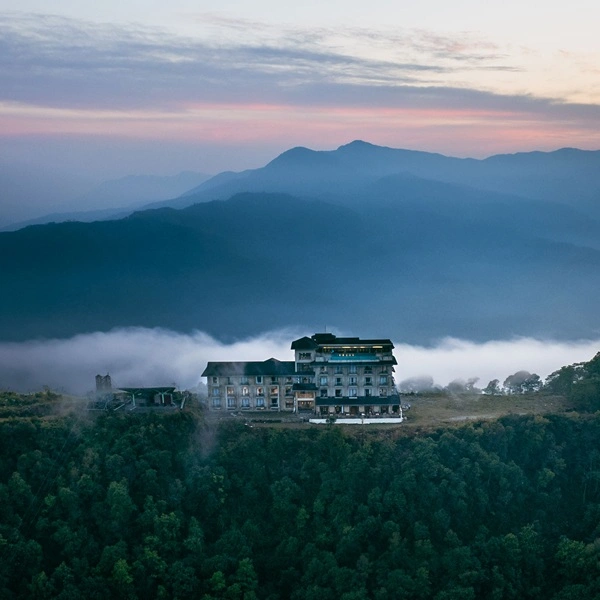
Luxury lodges counter this through environmental control. Heated rooms paradoxically help you sleep by allowing your core temperature to drop naturally — the biological signal the brain uses to initiate sleep — without the body needing to shiver to generate heat. Oxygen-enriched rooms, available at facilities like Hotel Everest View, have been shown to increase the percentage of slow-wave sleep from 13.9% to 17.2% and measurably improve cognitive performance the following day. Soundproofed, insulated rooms in properties like Mountain Lodges of Nepal ensure that when you do fall asleep, you stay asleep through the deeper stages of rest.
A standard trekker loses roughly 2–3 hours of quality sleep per night at altitude. Over a 12-day trek, that’s 24–36 hours of sleep debt — accumulated at exactly the moment the body needs recovery most. The luxury trekker’s $400-per-night suite isn’t about thread count. It’s about arriving at base camp with a functional nervous system.
THE INFRASTRUCTURE
Teahouses vs Luxury Lodges: A Side-by-Side Comparison
The evolution of Himalayan accommodation has created a wide spectrum of quality. On one end, the traditional teahouse is simple, communal, culturally authentic, and physically punishing. On the other hand, purpose-built luxury lodges that function as high-altitude sanctuaries. The physical differences between the two directly determine the physiological outcome of the trek.
|
Feature
|
Standard Teahouse
|
Luxury Lodge
|
|
Room Temperature
|
Ambient (often sub-zero by midnight)
|
18–22°C via heaters and electric blankets
|
|
Bathrooms
|
Shared, often outside; squat toilets above 4,000 m
|
Private en-suite with running hot water
|
|
Acoustics
|
Plywood walls, no insulation
|
Insulated or traditional stone construction
|
|
Hot Water
|
Paid bucket showers, inconsistent
|
24-hour running hot showers
|
|
Heating Source
|
Central yak-dung stove (dining room only)
|
In-room electric heating and blankets
|
Luxury operators like Mountain Lodges of Nepal (MLN) and Everest Summit Lodges maintain properties strategically placed along the EBC trail — Lukla, Phakding, Monjo, Namche, Thame, Kongde, Tyangboche, Pangboche, and beyond. This creates a true lodge-to-lodge experience where trekkers never sleep in subpar accommodations. The Kongde Lodge at 4,250 meters features a library and happy hour, transforming downtime between trekking stages into genuine leisure.
THE FOOD
High-Altitude Nutrition: Dal Bhat vs Gourmet Cuisine
At high altitude, caloric requirements balloon. A trekker on the EBC trail burns between 4,000 and 6,000 calories per day, fueling both physical exertion and thermogenesis. Meeting that caloric demand is challenging because altitude suppresses appetite, one of the most common and dangerous symptoms of AMS.
Standard Dining: Functional but Risky
Teahouse menus across the Khumbu are broadly standardized: dal bhat (lentils and rice), Tibetan noodles, fried rice, momos, porridge, and eggs. The food is nutritious enough in principle. The primary risk isn’t nutrition — it’s hygiene. Meat must be carried up from lower elevations by porters, often without refrigeration, for several days before reaching the higher lodges. Standard trekkers are routinely advised to go vegetarian for the duration of the trek to avoid stomach issues that can derail an entire expedition.
Luxury Dining: Chef-Crafted Recovery
Luxury lodges prioritize chef-crafted meals using organic produce, often grown in their own high-altitude greenhouses. Breakfast moves beyond instant porridge to include fresh fruit, pastries, eggs prepared to order, and proper espresso. Dinner is a set three-course affair: soups, international entrees (including seared yak steak transported under strict cold-chain hygiene), and desserts. Unlimited boiled and filtered water is standard, along with electrolyte-enriched drinks — critical for meeting the 3–4 liter daily hydration requirement. The ability to eat varied, appetizing, hygienic food directly counters altitude-induced appetite loss and maintains the energy reserves needed for the final push to base camp.
THE AVIATION
The Lukla Flight Problem and the Helicopter Solution
The flight into Lukla is one of the most anxiety-inducing elements of the entire EBC trek. Lukla airport’s runway is just 527 meters long, sloping uphill at a 12% grade, with a sheer cliff at one end and a mountain at the other. Fixed-wing flights require strict visibility and wind conditions. During peak trekking seasons, 50–60% of flights are delayed or canceled, and trekkers are routinely stranded in Ramechhap (a four-hour drive from Kathmandu) or Kathmandu itself for days at a time.
|
Factor
|
Fixed-Wing (Standard)
|
Helicopter (Luxury)
|
|
Success rate
|
Moderate, weather-dependent
|
High, flexible visibility tolerance
|
|
Departure point
|
Ramechhap (4-hour drive from KTM)
|
Kathmandu direct
|
|
Weather tolerance
|
Strict clear-weather requirement
|
Operates in light fog and cloud cover
|
|
Landing procedure
|
High-risk sloping runway
|
Low-risk vertical landing
|
The Helicopter Return: The Single Best Upgrade
Perhaps the most valuable luxury element of the entire trek is the helicopter return from Gorak Shep (5,164 m) or Lobuche (4,940 m) back to Lukla or directly to Kathmandu. The advantages compound:
Joint preservation is the underrated benefit. Descending steep, rocky Himalayan trails for three to four days is punishing on knees and ankles — and unlike the ascent, the descent provides no acclimatization benefit. Skipping it via helicopter eliminates 3–4 days of cumulative micro-injury.
Time efficiency matters for professional travelers. A 20–90 minute flight replaces four days of walking, compressing the full journey into 9–11 days instead of 14+.
And the aerial perspective is transformative. The helicopter route provides a bird’s-eye view of the Khumbu Icefall, the South Col, and the Lhotse Face — features that are visually inaccessible from the ground trail. It’s the single most memorable photographic opportunity of the entire trek.
THE HUMAN FACTOR
Guiding Ratios, Senior Sherpas & Porter Welfare
The quality of trekking staff is the make-or-break factor in any Himalayan expedition. This is where the luxury premium pays its most direct dividend — and where the ethical stakes are highest.
Senior Guides and Low Client Ratios
Standard guides are government-licensed and competent, but often manage large groups (1:8 or higher). Luxury itineraries use senior guides with extensive high-altitude experience, advanced wilderness medical training, and frequently, Everest summit experience. Staff-to-client ratios on luxury treks run 1:4 or even 1:1. This means daily pulse-oximeter checks, individualized hydration monitoring, and data-driven decisions about group pace. It also means deeper cultural interpretation — senior guides fluent in English, with real knowledge of Sherpa history, Tibetan Buddhism, and the monasteries that dot the route.
Porter Welfare: The Ethical Foundation
A significant portion of the luxury premium goes directly to the welfare of the porters — the backbone of the entire Himalayan trekking economy. Ethical luxury operators enforce strict maximum load limits (typically 20 kg per porter), compared to the 30–40 kg loads common in the budget sector. Luxury porters receive professional-grade clothing, boots, and comprehensive medical and evacuation insurance. A 1:1 porter-to-trekker ratio is standard, meaning clients carry only a minimal 5 kg daypack — which significantly reduces physical fatigue and improves trail enjoyment. The premium isn’t just about your comfort. It’s about ensuring the people making your trek possible are treated as professionals rather than expendable labor.
THE SAFETY NET
Risk Management and Emergency Infrastructure at Altitude
Safety in the Himalayas isn’t the absence of accidents — it’s the presence of systems to manage the unpredictable. Luxury operators provide a safety infrastructure that is invisible until the moment it’s needed. Then it becomes the most valuable asset on the trail.
Technology and Emergency Supplies
When cellular networks fail at high altitude — which they do, frequently — luxury operators carry satellite phones to maintain constant contact with Kathmandu. Standard treks may carry a single emergency oxygen tank; luxury groups carry comprehensive oxygen support sufficient for multiple participants across the entire route. High-end agencies maintain pre-arranged priority agreements with helicopter rescue companies, meaning their clients are first in line for evacuation if HACE or HAPE develops. In a condition where every hour matters, that priority can be decisive.
The Psychology of Zero Friction
Beyond hard safety, there’s the psychological dimension. Luxury removes the micro-stressors that accumulate over a two-week trek: charging ports for cameras and phones, reliable Wi-Fi to message family, consistent hot showers, comfortable bedding. None of these items matters individually. Cumulatively, they preserve the mental state that enables positive altitude performance. The trek stops being a battle against the environment and becomes a journey through it — a shift that trained mountaineers recognize as decisively important for long-duration high-altitude work.
THE RESCUE PRIORITY FACTOR
In a serious altitude emergency, helicopter evacuation is the only option above 4,000 m. The weather can ground flights for days. Operators with pre-arranged priority contracts bypass the waiting list. This single logistical detail can be the difference between successful recovery and a fatal outcome.
A DAY IN THE LIFE
Standard vs Luxury Trek: The Same Day at 4,410 m (Dingboche)
To visualize the cumulative effect, compare a single day at Dingboche — a critical acclimatization point on the way to base camp — across both modalities.
|
Time
|
Standard Trek
|
Luxury Trek
|
|
6:00 AM
|
Room at sub-zero. Dressing inside a sleeping bag to stay warm.
|
Room at 20°C. Waking up on a memory-foam mattress under a duvet.
|
|
7:30 AM
|
Porridge and instant coffee in a cold dining room.
|
Eggs to order, fresh fruit, and espresso.
|
|
9:00 AM
|
Carrying an 8 kg daypack. Shared guide monitors 10 clients.
|
Carrying a 3 kg daypack. Personal guide provides cultural insights.
|
|
3:00 PM
|
Queue for a shared bathroom. Skipping the shower due to cold.
|
Private en-suite hot shower followed by a massage session.
|
|
7:00 PM
|
Dal bhat or noodle soup. Social but loud dining environment.
|
Three-course gourmet dinner in a heated lounge.
|
|
9:00 PM
|
Shivering in a sleeping bag. Frequent hypoxic awakenings.
|
Sleeping in a heated bed. Monitored by pulse oximetry.
|
Extrapolate this across 12–14 days. The luxury trekker experiences dramatically less allostatic load — the physiological wear-and-tear that accumulates under chronic stress. By the time they reach the final push from Lobuche to base camp, they’re operating from a position of physical and mental surplus. The standard trekker, by contrast, is operating from a deficit.
THE BOTTOM LINE
Is a Luxury EBC Trek Worth the Cost?
For most travelers, an Everest Base Camp trek is a once-in-a-lifetime undertaking. The cost of failure — due to altitude sickness, injury, flight cancellations, or pure exhaustion — isn’t measured in dollars. It’s measured in the loss of an experience that can’t be easily repeated. When a trek fails, you don’t get a refund on the two weeks of vacation time, the months of training, or the emotional investment.
The luxury EBC trek applies the marginal-gains principle rigorously. Improve sleep quality by 20%. Reduce metabolic heat drain by 30%. Guarantee logistical reliability with a helicopter rather than praying for clear weather at Lukla. Compound these gains across 12 days, and you fundamentally change the odds of reaching base camp — and more importantly, of reaching it in a state capable of experiencing what you’re seeing.
The $4,000 premium isn’t opulence. It’s the architecture of recovery: heated lodges, gourmet nutrition, helicopter logistics, elite guiding, and the systematic removal of friction at every point where the environment would otherwise grind you down. For trekkers who want to witness the world’s highest peaks from a position of strength rather than exhaustion, it’s not an indulgence. It’s the tool that makes the experience possible.
Standard trekking offers an authentic, raw engagement with the Himalayas — and there’s genuine value in that for trekkers who specifically want it. But for the discerning traveler whose goal is to arrive at Everest Base Camp alert, healthy, and capable of appreciating the majesty of what they’ve come to see, the luxury modality isn’t a question of taste. It’s a question of physiology.
Ready to stand at the foot of Everest — in a state capable of remembering it?
Inquire about our Signature Luxury Everest Base Camp Trek and let our senior Sherpa team handle every detail — from Lukla flight to helicopter return.