Altitude sickness on the Everest Base Camp trek isn’t a budget-vs-luxury problem — the atmospheric pressure at 5,364 meters is the same regardless of what you paid for your hotel. What luxury actually buys is the systematic management of altitude risk: oxygen-enriched rooms, twice-daily pulse oximetry, conservative acclimatization schedules, on-trail Gamow bags, satellite-linked telemedicine, and helicopter evacuation protocols that activate only when genuinely needed. This is the definitive guide to preventing and treating altitude sickness on a luxury EBC trek in 2026.
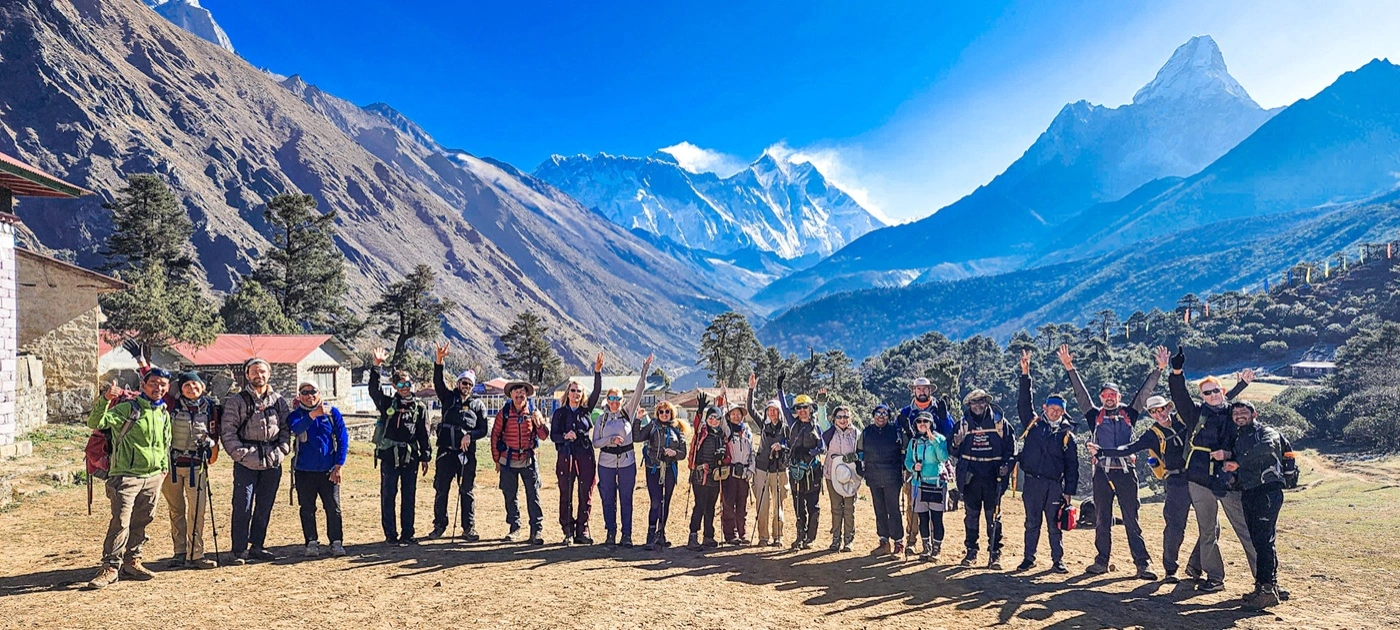
Altitude Sickness on the Luxury Everest Base Camp Trek

Here’s the uncomfortable truth no luxury trekking website wants to lead with: at 5,364 meters, atmospheric pressure is approximately half that at sea level. That number doesn’t care about your room rate. It applies equally to a backpacker in a $5 plywood teahouse and a luxury client paying $400 a night for an oxygen-enriched suite.
Acute Mountain Sickness affects up to 50% of people who ascend rapidly to high altitude. Severe variants — High Altitude Pulmonary Edema (HAPE) and High Altitude Cerebral Edema (HACE) — remain the leading causes of death in the Khumbu, and they don’t discriminate by income.
So what does the luxury premium actually buy you in terms of altitude safety? A great deal, as it turns out — just not in the obvious ways. The luxury EBC paradigm doesn’t eliminate the physics of hypobaric hypoxia. It manages them.
Through architectural oxygen enrichment, scientifically calibrated acclimatization profiles, mandatory twice-daily pulse oximetry, on-trail Gamow bags, satellite-enabled telemedicine, and rigorous clinical thresholds for evacuation, premium operators construct a multi-layered defensive matrix around the human body. The mountain stays the same. Your relationship with it changes.
This guide explains exactly how altitude sickness develops, what the three main syndromes look like, which medications are used and why, how luxury lodge architecture neutralizes physiological stress, and what the on-trail medical protocol actually consists of when something goes wrong. For trekkers planning a luxury EBC expedition in 2026, understanding this matters — because the difference between a safe trek and a dangerous one isn’t just the lodge tier. It’s the medical infrastructure built around it.
THE PHYSICS
Why Altitude Affects the Body: Hypobaric Hypoxia Explained
The cause of altitude illness isn’t a change in the oxygen concentration of the air — it remains a constant 20.9% from sea level all the way to the summit of Everest. The cause is the drop in barometric pressure, which pushes oxygen across the membranes of your lungs into your bloodstream.
As pressure drops, less oxygen crosses with each breath. At 3,050 meters (10,000 ft), the partial pressure of inspired oxygen is only 69% of sea level. At Everest Base Camp (5,364 m), atmospheric oxygen density is roughly half the sea-level baseline. Your blood becomes progressively less saturated with oxygen, your tissues are starved, and your body launches a complex physiological response to compensate — a process called acclimatization.
Healthy adults at sea level maintain an arterial oxygen saturation (SpO₂) of 98–99%. At Everest Base Camp, even fully acclimatized trekkers may show resting readings between 60% and 90%. This isn’t pathology; it’s an expected adaptation.
The body responds by accelerating breathing rate, increasing heart rate, dilating cerebral blood vessels to maintain brain oxygen delivery, and — over days and weeks — producing more red blood cells (erythropoiesis) to carry more oxygen with each beat. This physiological adaptation takes time. When the rate of ascent outpaces the rate of adaptation, altitude illness develops.
THE THREE SYNDROMES
AMS, HAPE & HACE: Symptoms, Causes & Severity
Altitude illness presents as three primary syndromes, each with distinct mechanisms and severity profiles. Understanding which is which can save your life or someone else’s on the trail.
Acute Mountain Sickness (AMS)
AMS is the most common manifestation of altitude maladaptation, affecting up to 50% of rapid ascenders. It’s fundamentally a neurological syndrome: the defining symptom is a throbbing, typically bi-frontal headache, accompanied by one or more secondary symptoms including nausea or vomiting, profound fatigue, dizziness, loss of appetite, and severe sleep disturbances.
The cause is hypoxia-induced cerebral vasodilation — your brain’s blood vessels dilate to maintain oxygen delivery, but if the volume expansion exceeds the brain’s capacity to displace cerebrospinal fluid, intracranial pressure rises, the meninges stretch, and you get a headache. AMS is uncomfortable but not immediately dangerous. It’s also the warning signal that ignoring further ascent could be.
High Altitude Cerebral Edema (HACE)
HACE represents the life-threatening end-stage progression of severe AMS. It’s defined clinically by a worsening of AMS symptoms that culminates in ataxia — loss of voluntary muscle coordination producing a staggered, drunken-looking gait — along with severe lassitude, altered mental status, and progressive encephalopathy.
The mechanism is a catastrophic breakdown of the blood-brain barrier: sustained hypoxia triggers a biochemical cascade involving Vascular Endothelial Growth Factor (VEGF) and inflammatory mediators, increasing capillary permeability and allowing fluid and proteins to leak directly into brain tissue. Without aggressive intervention — immediate descent or hyperbaric therapy — HACE progresses rapidly to coma and death from brain herniation. The ataxia test (heel-to-toe walking in a straight line) is the single most important field diagnostic. If a trekker can’t do it cleanly, the situation is critical.
High Altitude Pulmonary Edema (HAPE)
HAPE is a distinct, non-cardiogenic pulmonary condition — and it’s the most frequent cause of altitude-related death. Initial symptoms include unexplained reduction in exercise tolerance, extreme exertional shortness of breath, and a dry, persistent cough. As edema worsens, symptoms escalate to shortness of breath even at rest, central cyanosis (bluish lips and fingertips), and a productive cough yielding pink, frothy sputum.
The mechanism is an exaggerated hypoxic pulmonary vasoconstrictive response — widespread, uneven constriction of the pulmonary arterial bed generates dangerously high pressures, damaging fragile capillaries and causing plasma to leak into the alveolar spaces. The victim essentially drowns in their own extravasated fluids. HAPE often presents suddenly on the second or third night at a new high altitude, and it can occur independently of AMS — meaning you can have a perfectly clear head and still develop HAPE.
THE LAKE LOUISE AMS SCORE
Professional luxury trekking guides use the Lake Louise AMS Score as their standard clinical tool. A score of 3–5 indicates mild AMS — monitor closely, but ascent may continue. A score of 6–12 indicates moderate-to-severe AMS — ascent must stop, descent should be considered, and any clinical worsening triggers mandatory descent. When combined with pulse oximetry data, this score serves as the objective standard for determining whether the expedition continues.
BEFORE YOU ARRIVE
Pre-Acclimatization: How Luxury Trekkers Prepare at Sea Level
Many luxury trekkers now engage in scientific pre-acclimatization protocols weeks or months before departure — a strategy that significantly reduces the risk of altitude illness and can be the difference between a comfortable expedition and a difficult one.
Altitude Tents and Intermittent Hypoxic Breathing
Normobaric hypoxia simulation equipment — altitude tents from manufacturers like Hypoxico — lets trekkers sleep in reduced-oxygen environments at home for weeks before the expedition. This Intermittent Hypoxic Breathing (IHB) triggers a cascade of physiological adaptations well before the trek begins: increased erythropoiesis (red blood cell production), enhanced pulmonary ventilation, and optimized oxygen delivery to peripheral tissues. By the time you board your flight to Kathmandu, your body is already partially adapted to what awaits.
Heat Training and Cross-Adaptation
Recent sports science research has identified a phenomenon called cross-adaptation: exposing the body to one environmental stress promotes adaptations that carry over to another stressor. Heat training — specifically, repeated sauna exposure — triggers cardiovascular adaptations, including increased plasma volume, improved movement economy, and improved oxygen delivery.
These adaptations significantly improve the body’s response to hypoxic stress, reducing the cardiovascular strain required to maintain adequate cardiac output at high altitudes. For trekkers without access to altitude tents, regular sauna sessions in the months before departure deliver real, measurable physiological benefit.
THE MEDICATION QUESTION
Acetazolamide, Dexamethasone & HAPE Prophylaxis: What Works
Luxury trekking itineraries routinely incorporate pharmacological prophylaxis, particularly for clients on fixed schedules in which the natural pace of acclimatization may be insufficient. The Wilderness Medical Society (WMS) publishes the definitive clinical guidelines for these medications. Here’s what actually gets used and why.
|
Medication |
Used For |
Dosage |
Mechanism |
|
Acetazolamide (Diamox) |
AMS prevention |
125 mg twice daily |
Stimulates breathing rate, accelerates acclimatization |
|
Dexamethasone |
Severe AMS, HACE rescue |
4 mg every 6 hours |
Reduces brain inflammation; bridge to descent |
|
Nifedipine |
HAPE prevention/treatment |
As prescribed |
Calcium channel blocker; reduces pulmonary pressure |
|
Sildenafil |
HAPE management |
2–4 days post-arrival |
PDE5 inhibitor; targeted pulmonary vasodilation |
Acetazolamide (Diamox): The Standard Preventive
Acetazolamide is the foremost prophylactic medication for AMS. As a carbonic anhydrase inhibitor, it forces the kidneys to excrete bicarbonate, inducing a mild metabolic acidosis. The brain detects this acidosis and stimulates the central respiratory drive — you breathe faster and deeper, raising arterial oxygen and accelerating natural acclimatization.
The standard prophylactic dose is 125 mg twice daily, ideally starting 24–48 hours before the initial ascent. Common side effects include paresthesia (tingling in fingers and toes) and frequent urination. Critical warning: if Acetazolamide is discontinued prematurely at altitude before the body has fully adapted, a rapid rebound effect can precipitate sudden AMS.
Dexamethasone: Rescue Medication, Not Prevention
Dexamethasone is a potent synthetic corticosteroid used primarily for treating severe AMS and HACE. Unlike Acetazolamide, it doesn’t facilitate true physiological acclimatization — it suppresses inflammation and dramatically reduces cerebral edema, masking the symptoms of altitude illness. Because of this masking effect, it’s reserved as a rescue medication used as an adjunct to immediate descent, or cautiously as prophylaxis for rapid, high-risk summit days. The standard adult treatment dose is 4 mg every 6 hours.
Nifedipine and Sildenafil: HAPE-Specific
For individuals with known HAPE susceptibility, managing pulmonary hypertension is critical. Nifedipine, a calcium channel blocker, directly reduces pulmonary artery pressure, alleviating the shear stress on alveolar capillaries that causes fluid leakage. Sildenafil, a PDE5 inhibitor, promotes targeted pulmonary vasodilation in both prophylactic and treatment modalities. WMS guidelines suggest continuing Sildenafil for 2–4 days after reaching target elevation to ensure pulmonary pressures stabilize.
DISCLAIMER
All altitude medications must be prescribed and supervised by a qualified physician familiar with altitude medicine. The information above is for educational purposes; do not self-prescribe. Luxury trekking operators coordinate medication protocols with your home physician before departure, and trip-doctor guides carry comprehensive medication kits with appropriate physician oversight.
THE SCHEDULE
Luxury EBC Acclimatization Profile: Why It Takes 10–12 Days
The fundamental rule of altitude mountaineering: once above 2,500 meters, sleeping altitude should not increase by more than 300–500 meters per day, with a dedicated rest day for every 1,000 meters of cumulative gain. The luxury EBC trek is meticulously engineered around these limits, typically spanning 10–12 days and strictly enforcing the “climb high, sleep low” doctrine.
|
Day Phase |
Route |
Sleep Altitude |
Net Gain |
|
Initial Ascent |
Lukla → Phakding |
2,610 m |
-230 m (descent) |
|
Hypoxic Breach |
Phakding → Namche |
3,440 m |
+830 m |
|
Acclimatization I |
Namche day hike to Everest View Hotel |
3,440 m |
0 m |
|
Mid-Mountain |
Namche → Tengboche |
3,860 m |
+420 m |
|
High Alpine |
Tengboche → Dingboche |
4,410 m |
+550 m |
|
Acclimatization II |
Dingboche day hike |
4,410 m |
0 m |
|
Glacial Moraine |
Dingboche → Lobuche |
4,940 m |
+530 m |
|
Final Push |
Lobuche → Gorakshep / EBC |
5,164 m |
+224 m |
|
Summit & Extract |
Kala Patthar → helicopter |
Heli-return |
N/A |
The two-night stays at Namche Bazaar (3,440 m) and Dingboche (4,410 m) are non-negotiable. Namche is the first major hypoxic test — the day-hike to Hotel Everest View at 3,880 m followed by descent back to 3,440 m for sleep is the perfect application of climb-high-sleep-low, triggering ventilatory adaptation and erythropoietin release without compromising sleep architecture. Dingboche’s second acclimatization day ensures deep cellular adaptation before trekkers enter the desolate, oxygen-starved upper glacial moraines beyond.
LODGE ARCHITECTURE
How Luxury Lodges Reduce Altitude Risk: Oxygen, Heat & Sleep
Premium lodges aren’t about thread count — they’re about engineering an indoor microclimate that materially reduces physiological stress at altitude. Three architectural interventions matter most.
Oxygen Enrichment Systems: Concentrators vs Cylinders
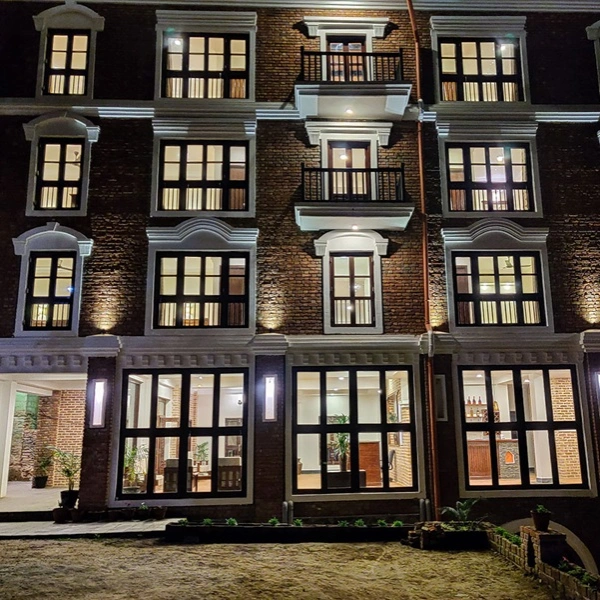
The Hotel Everest View at 3,880 meters in Syangboche exemplifies the pinnacle of architectural integration with oxygen. Built with formidable 40-centimeter-thick stone walls and a Japanese-designed earthquake-resistant timber frame, the property's 12 deluxe rooms feature integrated oxygen pipeline systems that deliver medical-grade oxygen via a centralized 60 psi line at a continuous flow rate of 2 liters per minute.
There’s a meaningful debate in high-altitude medicine between two oxygen delivery methods: heavy pressurized cylinders (storing finite, highly compressed gas at up to 2,000 psi, posing fire hazards in timber lodges and immense logistical challenges) versus electronic oxygen concentrators (which draw in ambient room air, filter out nitrogen through internal zeolite sieve beds, and deliver continuous, purified oxygen indefinitely). Provided there’s a stable electrical supply — which luxury lodges secure via solar arrays and backup generators — concentrators offer a safer, self-sufficient, limitless oxygen supply.
Why Nocturnal Oxygen Enrichment Changes Everything
During sleep at high altitude, hypoxemia fundamentally alters respiratory drive. The lack of oxygen triggers hyperventilation, which rapidly blows off carbon dioxide. The resulting hypocapnia (low CO₂) suppresses the brain’s drive to breathe, producing a pathological pattern called periodic breathing, or Cheyne-Stokes respiration: rapid deep breathing followed by apneic pauses where breathing stops entirely, until rising CO₂ forces the brain to gasp for air.
This cycle produces frequent micro-arousals throughout the night, drastically reducing sleep efficiency and severely truncating both REM sleep and deep slow-wave sleep. By enriching the sleeping environment with oxygen, the luxury lodge stabilizes arterial oxygen saturation, eliminates the trigger for periodic breathing, and restores normal sleep architecture.
Critically, contemporary research confirms that nocturnal oxygen enrichment does not blunt daytime acclimatization — ventilatory and cardiovascular adaptations proceed normally while you reap the benefits of accelerated muscle recovery, reduced systemic inflammation, and improved cognitive function the following morning.
Thermal Regulation and Cross-Adaptation
Nighttime temperatures at higher elevations routinely plummet to -15°C to -20°C. In standard teahouses, your body expends a massive amount of energy to maintain core temperature, primarily through shivering thermogenesis — an unconscious, energy-intensive mechanism that rapidly depletes carbohydrate stores.
Luxury lodges with electric blankets, hot water bags, and thoroughly heated dining rooms remove this burden entirely. By minimizing cold stress, the cardiovascular system is spared the additional exhausting work of peripheral vasoconstriction.
This is cross-adaptation in action: reducing one environmental stressor (cold) significantly enhances physiological capacity to cope with another (hypoxia). Trekkers preserve vital glycogen stores, maintain higher metabolic efficiency, and experience markedly lower rates of fatigue-induced AMS.
ON-TRAIL MEDICINE
Pulse Oximetry, Lake Louise Scoring & Telemedicine on the Trail
The luxury trekking sector distinguishes itself most clearly through proactive, continuous clinical monitoring — shifting the paradigm from reactive mountain rescue to preventative field medicine. Given the high financial investment and often older client demographic, the threshold for meticulous medical oversight is exceptionally high.
Bi-Daily Pulse Oximetry
The cornerstone of altitude management on luxury expeditions is the mandatory use of finger pulse oximeters twice daily. The device measures the percentage of hemoglobin binding sites in arterial blood occupied by oxygen (SpO₂). At Everest Base Camp, healthy, fully-acclimatized trekkers may show resting readings between 60% and 90% — not pathology, but expected adaptation.
What matters is the pattern: significant deviation from group baseline averages, or failure to recover oxygen saturation during rest, serves as the critical early warning indicator of maladaptation. The clinical protocol is strict: if a trekker’s SpO₂ falls below 75% and doesn’t rebound with rest, or if the objective drop accompanies a subjective Lake Louise Score above 8, immediate descent is mandated.
Why Objective Monitoring Matters in Luxury Trekking
Highly motivated, high-achieving clients often try to minimize or conceal their AMS symptoms to avoid abandoning an expensive expedition. The pulse oximeter is the objective clinical tool that overrides subjective optimism. When the numbers indicate a descent, the expedition descends — regardless of how the client feels about it. This protocol is what makes luxury trekking measurably safer than ego-driven independent ascents.
Telemedicine: “Hello Doctor” and Satellite Connectivity
The Khumbu region was historically isolated from definitive medical care, leaving the trekker's fate in the hands of the immediate guide. That changed with the proliferation of high-altitude telecommunications. Projects like the EU-funded e-Rés@MONT have demonstrated the viability of real-time teleconsultation in austere mountain environments.
The Everest Link Wi-Fi network has expanded across the trail, enabling live telehealth services — initiatives like the “Hello Doctor” program connect trekkers and guides to qualified medical professionals via a digital alert interface for consultation on altitude sickness, gastrointestinal issues, and cold-weather injuries. Critical decisions — administering Dexamethasone, calling for helicopter evacuation — are now guided by expert medical consensus rather than the isolated judgment of a trail guide.
The Himalayan Rescue Association (HRA) and Everest ER
The HRA, founded in 1973, operates vital aid posts including Pheriche (4,240 m) staffed by volunteer international physicians specializing in wilderness and altitude medicine. Beyond Pheriche, the Everest ER clinic — founded in 2003 by Dr. Luanne Freer — operates directly at Everest Base Camp during the peak spring climbing season, equipped to handle severe trauma and altitude-related emergencies with on-site stabilization, ultrasound diagnostics, and coordination of medical evacuations. Luxury trekking operators maintain close coordination with these facilities, ensuring clients have access to the highest standard of altitude care available anywhere in the Himalayas.
WHEN SOMETHING GOES WRONG
Gamow Bags, Helicopter Evacuation & Emergency Protocols
Despite flawless acclimatization, luxurious thermal environments, and rigorous pharmacological prophylaxis, acute pulmonary or cerebral edema can manifest with terrifying speed. When weather grounds helicopters or darkness precludes immediate descent over treacherous moraines, luxury operators rely on highly specialized deployable medical hardware to save lives.
The Gamow Bag: Portable Hyperbaric Therapy
The Gamow Bag is one of the most critical innovations in high-altitude survival. Invented by Dr. Igor Gamow in 1987 and first tested in practice during the Wyoming Centennial Everest Expedition in 1988, today’s Gamow bag is an inflatable, cylindrical pressure bag of urethane-coated nylon — a portable hyperbaric chamber for austere wilderness medicine. It’s a mandatory component of medical kits carried by premium trekking operators and is permanently stocked in high-altitude luxury lodges.
When a patient suffering from severe AMS, HACE, or HAPE is sealed inside the 7-foot bag and pressurized with a mechanical foot pump, the chamber reaches an internal pressure of approximately 2 psi — equivalent to 105–220 mmHg above atmospheric pressure. This effectively simulates a rapid, life-saving descent of 1,000–3,000 meters, depending on starting elevation.
Pop-off relief valves regulate pressure to prevent barotrauma while continuously venting exhaled CO₂. The increased partial pressure of oxygen reverses hypoxia-induced pulmonary vasoconstriction and cerebral vasodilation within minutes.
CRITICAL DISTINCTION
The Gamow bag is a temporal bridge, not a definitive cure. It stabilizes a critically ill patient sufficiently to survive the night or regain enough function to withstand the physical exertion of subsequent descent. It buys time. It does not replace the absolute necessity of physical descent or helicopter evacuation.
Helicopter Evacuation: When and How Much
When terrestrial descent is unfeasible and clinical stabilization fails, helicopter evacuation is the ultimate non-negotiable failsafe. High-altitude helicopters extract critically ill patients from established helipads near luxury lodges in Namche, Tengboche, Dingboche, and Gorakshep.
A single helicopter evacuation from the upper Khumbu can cost between $5,000 and $10,000. Comprehensive trekking insurance explicitly covering high-altitude helicopter evacuation above 5,000 meters is an absolute non-negotiable prerequisite for any luxury trek.
Avoiding the “Fake Rescue Scam”
Heavy reliance on lucrative helicopter infrastructure gave rise to a publicized issue known as the “fake rescue scam” — unscrupulous budget trekking firms colluding with helicopter operators and Kathmandu medical facilities to fabricate unnecessary medical emergencies, sometimes through adulterated food or exaggerated clinical assessments, thereby triggering fraudulent insurance claims for “lifesaving” extractions.
This fraudulent ecosystem extracted nearly $20 million from international insurers and severely damaged the Nepalese trekking industry’s reputation. The luxury paradigm inherently circumvents this hazard by internalizing all medical oversight — longitudinal pulse oximetry data, fairly compensated guides, established telehealth, and transparent pricing structures — thereby eliminating the kickback economy.
In a true luxury operation, helicopters are summoned only in cases of genuine medical necessity or as pre-booked itinerary features (the scenic Kala Patthar return). Strict operational integrity ensures that the rescue protocol is driven solely by trekker safety and divorced from illicit financial incentives.
THE MENTAL GAME
How Psychological Comfort Reduces Altitude Sickness Risk
This is the dimension of luxury altitude management most people miss: the psychological framework matters as much as the physiological one. Excessive anxiety and fear at altitude stimulate the sympathetic nervous system — increasing resting heart rate, exacerbating altitude-induced hyperventilation, and elevating systemic cortisol levels.
This psychogenic stress response can perfectly mimic, or actively worsen, the early symptoms of AMS, creating a dangerous feedback loop. Worse, extreme altitude itself negatively impacts the central nervous system, producing perception disorders, loss of concentration, and emotional volatility.
Flow theory — the psychological framework relating to optimal human experience — posits that maintaining a sense of control and deep task absorption serve as powerful psychological buffers against environmental threats. Luxury amenities (predictably hygienic bathrooms, expertly prepared gourmet nutrition, warm beds, the constant assurance of dedicated, highly trained support staff) drastically reduce the cognitive load associated with basic survival tasks.
Trekkers are freed from the anxiety of securing pathogen-free water, enduring sleepless nights in thin sleeping bags, or managing heavy equipment. Environmental insulation reduces perceived psychological risk, mitigates fear, and enables the individual to maintain a calm, energy-efficient state.
The mind is freed to focus on the aesthetic beauty of the Himalayas rather than threat monitoring. Psychological comfort works synergistically with physiological acclimatization: by reducing mental strain, the trekker conserves the enormous biological energy required to meet the severe physical demands of the ascent. This isn’t soft science. It’s measurable, and it’s one of the strongest medical arguments for the luxury modality on extreme-altitude treks.
FINAL WORD
Why the Luxury Modality Is Safer at Altitude
The luxury Everest Base Camp trek doesn’t conquer altitude sickness. The atmospheric pressure at 5,364 meters remains absolute and indiscriminate — it doesn’t care about your room rate or your operator’s star rating. What luxury actually does is meticulously manage the human body’s fragile relationship with a hostile, oxygen-starved atmosphere.
Architectural oxygen enrichment neutralizes nighttime hypoxemia. Thermal regulation eliminates glycogen-depleting shivering thermogenesis. Conservative acclimatization profiles respect the physiology of erythropoiesis. Bi-daily pulse oximetry catches maladaptation before it becomes catastrophic. On-trial Gamow bags and pre-positioned helicopter rescue protocols provide an impenetrable safety net when something goes wrong.
The result is a fundamentally different relationship with altitude risk. The luxury EBC trek transforms what was historically a perilous endurance test into a safe, accessible, awe-inspiring high-altitude experience — one where the question isn’t whether you’ll survive the trek, but how deeply you’ll be able to appreciate the mountains while you’re among them. That’s the architecture of recovery, applied to the highest peaks on earth.
Ready to experience Everest with the safety architecture only luxury operators provide?
Inquire about our Signature 2026 Luxury Everest Base Camp Trek — conservative acclimatization, bi-daily pulse oximetry, Gamow bag-equipped guides, and pre-arranged helicopter rescue priority.
Need Help? Call Us+977 9851013196orChat with us on WhatsApp
Need Help? Call Us+977 9851013196