A luxury guide to weather, festivals, and the months when Everest actually shows its face.
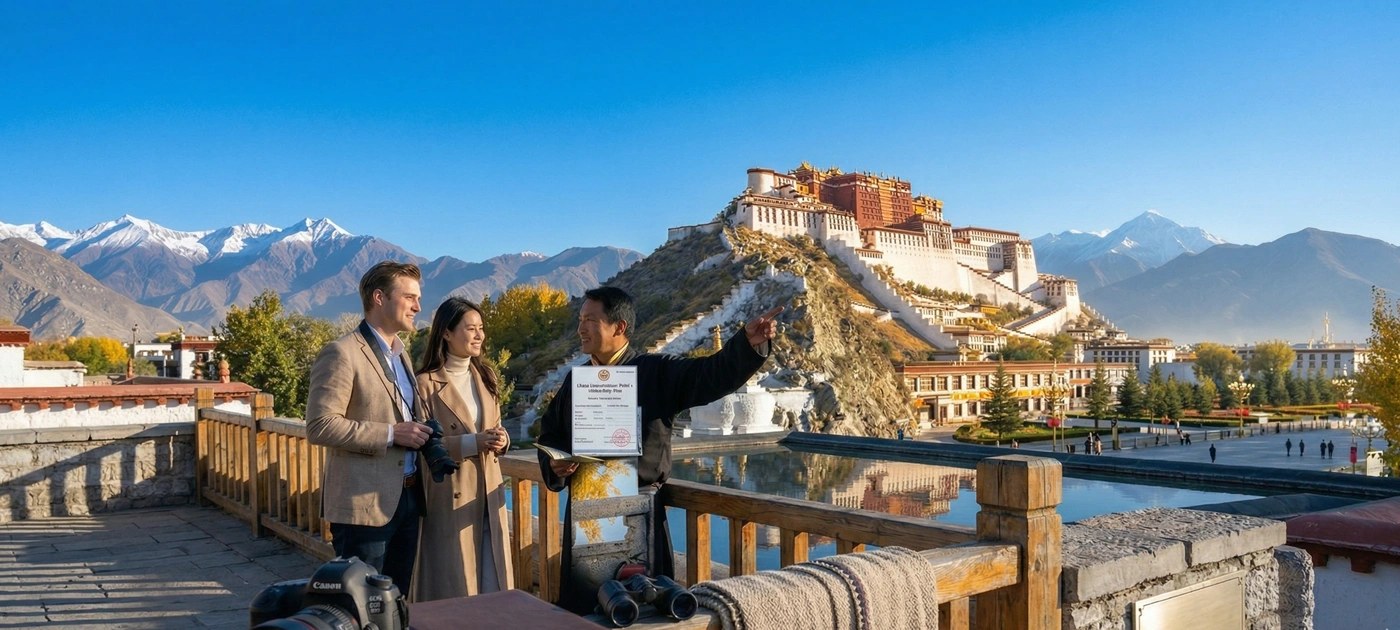
Best time to visit Tibet

Tibet doesn't give you Everest every day. The mountain is there, of course—8,849 meters of limestone and ice anchored to the Tibetan Plateau—but whether you actually see it depends entirely on when you arrive. Timing in Tibet isn't a matter of preference; it's about physics.
Cloud cover, oxygen density, road closures, festival calendars, and the narrow windows when high-altitude passes aren't buried in snow all conspire to make some months spectacular and others genuinely miserable. For luxury travelers who've invested significantly to reach the roof of the world, arriving in the wrong month is an expensive mistake.
The short answer: spring (April through June) and autumn (September through October) deliver the clearest skies, the warmest temperatures, and the sharpest mountain photography. But the full picture is more nuanced than that—and depending on whether you're chasing Everest Base Camp, the Kailash Kora, the Shoton Festival, or the peach blossoms of Nyingchi, your ideal window shifts. Here's the breakdown.
Seasons
Four Seasons, Four Very Different Tibets
Spring: April – May
The premier window for Everest Base Camp and serious trekking. Daytime temperatures climb to a pleasant 15–20°C, though nights remain biting cold. In late March and early April, the Nyingchi region erupts with wild peach blossoms against a backdrop of snow-capped peaks—one of the most striking seasonal landscapes anywhere in Asia.
EBC ideal Clear skies, Peach blossoms, Cold nights
Summer: July – August
Warmer weather and the highest oxygen content of the year—roughly 66% of sea level—make altitude easier on the body. This is festival season: the Shoton Festival fills Lhasa in August, and the Nagqu Horse Racing Festival draws nomadic riders from across the plateau. The trade-off: peak pricing, peak crowds, and rainfall that mostly falls at night but can disrupt travel on mountain roads.
Highest oxygen Festival season Peak prices Occasional rain delays
Autumn: September – October
The photographer's season. September brings golden highland barley harvests across the plateau, and by October, skies reach maximum clarity with stable, sunny weather. Visibility for Himalayan peaks is at its annual best. Excellent for trekking, Kailash, and the Tibet train journey. The last comfortable window before winter shuts down high passes.
Best photography Golden harvests, Peak visibility, Book early
Winter: November – March
The low season, and for good reason. Temperatures plummet to -10°C at night, and critical high-altitude roads—to Namtso, western Tibet, and some passes—close under snow. But there's a quiet beauty here: significant discounts on hotels, flights, and tours, and Lhasa fills with Tibetan pilgrims rather than tourists. The most authentic and least expensive window, if you can handle the cold.
Deep discounts, Authentic & quiet, Severe cold, Road closures
By Activity Best Months for What You're Actually Doing
The ideal month shifts depending on your primary objective. Everest and Kailash demand different windows. Namtso is frozen for half the year. The train is best when the plateau is green. Here's the activity-by-activity breakdown.
- Everest Base Camp Apr – early Jun & Sep – Oct. Clearest summit views, stable weather, manageable temperatures
- Mount Kailash Kora, Apr – mid-Jun & Sep – mid-Oct. Passes are open; Saga Dawa Festival (usually June) is a highlight
- Lake Namtso, Jun – Sep. The lake is frozen, or roads are inaccessible, from late autumn through early spring
- Tibet Train Journey, Jul – Oct: Green plateau landscapes; best window views of high-altitude terrain
- Cycling & Trekking May, Jun, Sep, Oct Moderate temperatures, dry trails, manageable altitude conditions
- Mountain Photography Apr – Jun & Sep – Oct Sharpest air clarity, dramatic lighting, snow-capped peaks visible
- Shoton Festival, August, Lhasa's biggest cultural event — giant thangka unveiling at Drepung
- Budget Travel Nov – Mar: Lowest prices on hotels, flights, and tour packages
Spring and autumn give you the Himalayas in high definition. Summer gives you the oxygen and the festivals. Winter gives you solitude. There's no wrong season—only the wrong expectations.
Luxury Planning
Pro Tips for 2026: Book Months Ahead for Summer & Golden Week
The summer months and China's October Golden Week holiday (the first week of October) see the heaviest demand for permits, flights, and premium accommodations. For luxury travelers, booking three to four months in advance isn't cautious—it's essential. High-end lodges in Lhasa and the EBC region fill fast, and permit processing adds its own timeline.
Altitude Is Easier in Summer
If altitude sickness is a serious concern, summer's higher oxygen levels—approximately 66% of sea level versus significantly less in winter—make a meaningful physiological difference. For first-time visitors to the Tibetan Plateau, the July–August window is measurably easier on the body, even if it's the busiest and most expensive time to visit.
The Photography Equation
The "sharpest air" for mountain photography falls in the April–June and September–October windows. Atmospheric moisture is lowest, visibility is maximized, and the Himalayas stand out in a definition that summer haze simply can't match. Golden hour on the plateau is extraordinary during these months—plan your EBC and Kailash itineraries around dawn and dusk positioning.
The Luxury Traveler's Calendar
- April–May: Everest Base Camp with peach blossoms. The prestige window.
- June: Saga Dawa Festival at Kailash. Spiritual and photographic peak.
- August: Shoton Festival in Lhasa. Cultural immersion at its highest.
- September–October: Harvest gold, crystal skies, perfect trekking. The connoisseur's choice.
- November–February: Pilgrim season in Lhasa. Solitude, deep discounts, bitter cold. For the experienced and the curious.
Timing Is the Luxury
You can buy the best hotel in Lhasa, charter a private Land Cruiser to Everest Base Camp, and hire a guide who's circumambulated Kailash a dozen times. None of it matters if you arrive in February and the pass is under two meters of snow, or in late July when monsoon clouds erase the Himalayas from the horizon.
In Tibet, timing isn't a detail of the itinerary—it is the itinerary. The difference between a cloud-shrouded base camp and a crystalline view of the summit is a matter of weeks, sometimes days. For luxury travelers, the real investment isn't money. It's choosing the right window and building everything else around it.
Spring and autumn remain the gold standard. But Tibet rewards specificity—know exactly what you're there to see, match it to the month, and the plateau delivers something no amount of planning can buy: the feeling that the entire Himalayan range was arranged, just for a moment, specifically for you.
Need Help? Call Us+977 9851013196orChat with us on WhatsApp
Need Help? Call Us+977 9851013196