Bhutan is often called a “land of happiness,” but for most visitors, its real magic lies in the quiet, everyday culture. Monasteries clinging to cliffs. Fortress-like dzongs watch over valley towns. Simple village life unfolds just as it has for generations.
A luxury cultural tour lets you see all of this at a calm, comfortable pace. No rushed checklists. No big-group buses. No race to fit five monasteries into one afternoon.
What makes a luxury cultural journey different is not the hotel category. It is time and access. You travel with a private guide who speaks your language. You move in a comfortable vehicle through winding mountain roads. You stay in well-placed hotels that let you wake up refreshed and ready. Instead of ticking off Tiger’s Nest and a temple before sunset, you get space to feel Bhutan’s actual rhythm.
Monasteries That Feel Alive
The monasteries are the heart of any cultural trip to Bhutan. Tiger’s Nest (Paro Taktsang) is the most famous temple, perched on a cliff that seems to rise directly from the valley floor. With a luxury cultural tour, you hike at your own pace, and your guide explains the stories behind the monastery without turning the visit into a performance.
Some guests reach the top in three hours. Others take five and stop for a long tea break at the halfway viewpoint. Both approaches are right. There is no “correct” way to experience Tiger’s Nest — there is only your way.
Beyond Tiger’s Nest, you’ll visit quieter monasteries in places like Punakha and Gangtey, where the air feels still, and the monks go about their daily routines without the pressure of crowds. These are the moments that feel the most real — sitting quietly while prayers echo in a dim hall or watching a monk in bright robes pause to smile at a passing child. The cameras tend to come down at these moments. Most guests find they don’t need them.
Dzongs: More Than Just Old Fortresses
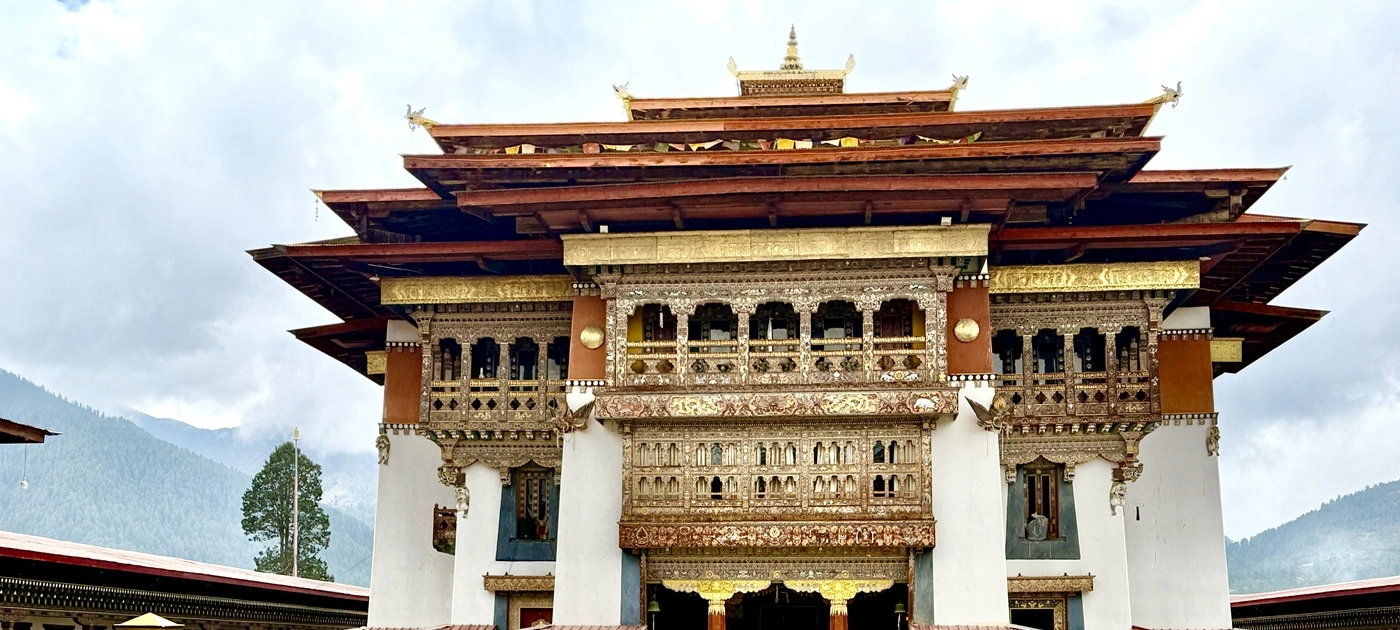
Dzongs are everywhere in Bhutan. Massive white-walled, golden-roofed buildings that once guarded the kingdom’s borders and now house both monasteries and government offices. They are the visual signature of the country.
A luxury cultural tour helps you understand what each dzong means without turning the visit into a dusty lecture. In Thimphu, you’ll explore Tashichho Dzong, learning about its role as the seat of Bhutan’s government and the office of the King. In Punakha, the magnificent Punakha Dzong sits at the junction of the Mo Chhu and Pho Chhu rivers — most people consider it the most beautiful building in Bhutan, and your first sight of it from the bridge is something you remember.
With a private guide, you can pause for photos, ask questions, and step into a nearby temple or courtyard when allowed. You never feel rushed. If a particular mural catches your eye, you stay with it. If you want to sit on a courtyard bench for fifteen minutes and just watch the monks walk past, that’s your time to use.
Everyday Life in Villages and Markets
Beyond the grand monasteries and dzongs, Bhutan’s soul lives in its villages and markets. A luxury cultural journey often includes a short village walk or a visit to a local market where farmers sell vegetables, cheese, and hand-spun wool.
Sometimes you’ll stop for tea at a family home, where you taste local food and learn how people farm, cook, and celebrate in the hills. The conversations are unhurried. Your guide translates. The host pours tea, then more tea, then somehow a small lunch appears.
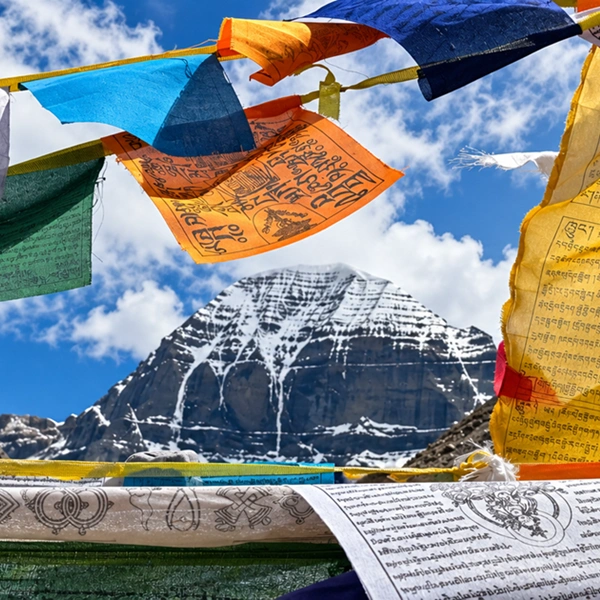
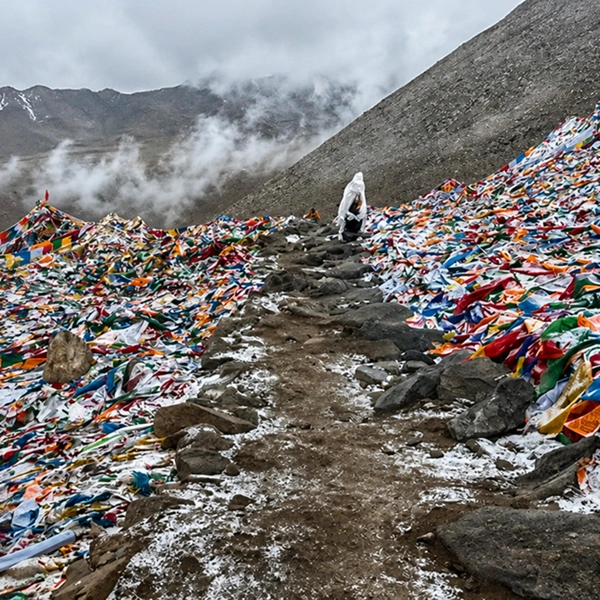
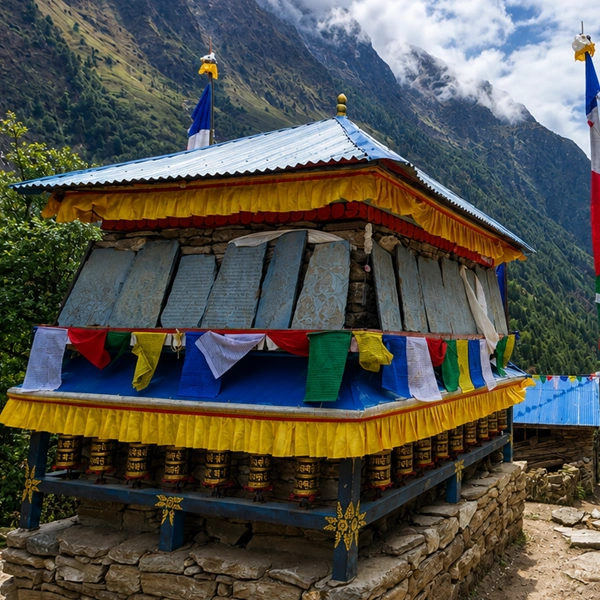
You might see prayer flags strung between houses, hear a temple bell in the distance, and feel the slow, gentle pace that makes Bhutan so different from busy cities. This is the part of the trip most guests describe afterward as the one that stayed with them — not the famous sights, but the small-village moments when Bhutan stopped being a destination and became a place.
“We recently took a couple from Copenhagen, Mads and Sofie, on an 8-day cultural tour. They had visited many countries before. After their afternoon at a farmhouse in the Punakha Valley — where they helped knead dough for buckwheat noodles and shared a long lunch with the family — Sofie wrote to us: ‘The dzongs were beautiful. The monasteries were powerful. But the kitchen in that farmhouse is what we will remember in five years.’”
Why “Luxury” Fits So Well
Luxury, in this context, simply means comfort and flexibility. You stay in clean, well-placed hotels. You have a guide who speaks your language. You move at a pace that feels natural, not stressful. You choose how deep you want to go on any given day — a short valley walk, a quiet monastery, or a full day exploring local life — without worrying about missing a “must-see” list.
This kind of trip works for both first-time visitors who want to see the heart of Bhutan and for returning travelers looking for quieter, less-touristy moments. It is about the country, not just the camera.
How We Design Cultural Journeys
Every cultural tour we build starts with a simple question: what draws you to Bhutan? Some guests come for the monasteries. Some for architecture. Some for the slow village life. Most come for a mix of all three.
Once we understand what interests you, we build a 7- to 10-day itinerary through the western valleys — Paro, Thimphu, Punakha, and sometimes Gangtey — with the right balance of grand sights and quiet ones. We select a guide whose personality fits yours. We book hotels that match your style. And we leave room in the schedule for the unplanned moments that often turn out to be the best part of the trip.
A Few Common Questions
How long should a cultural tour of Bhutan be?
Seven to ten days works best for most cultural travelers. Shorter trips feel rushed because the drives between valleys take time. Longer trips let you add Gangtey or Bumthang for a deeper experience. We typically recommend eight days as the sweet spot for first-time cultural visitors.
Can non-Buddhists visit the monasteries and dzongs?
Yes, absolutely. Visitors of all backgrounds are welcomed at most monasteries and dzongs in Bhutan. Modest dresses require long pants, covered shoulders, removed shoes when entering temple halls. Your guide briefs you on protocol and handles any restricted area access on your behalf.
Will I be allowed to take photos?
Outside the buildings, generally yes. Inside temple halls and certain restricted areas, photography is usually not permitted out of respect for the sacred space. Your guide will tell you exactly when cameras are fine and when to put them away. Most guests find the no-photo moments are the ones they remember most clearly.
Is a cultural tour suitable for first-time visitors?
Very much so. A luxury cultural tour is one of the best ways to experience Bhutan for the first time because it covers the iconic sights (Tiger’s Nest, Punakha Dzong, the major monasteries) while also showing you the village life that gives the country its character. You leave with a real understanding of Bhutan, not just photographs.
Ready for a Real Bhutan Trip?
If you want a journey that feels like real Bhutan — not just picture-perfect poses — we’d love to help you plan it.
Send us your dates and your interests, and we’ll design a luxury cultural tour that matches your pace and your curiosity. No rigid checklists. No commitment. Just a starting point built around what genuinely matters to you.
Planning a cultural journey through Bhutan?
Send us your dates and interests. We’ll design a luxury cultural tour that fits your pace and your curiosity.