Getting There
Himalaya Airlines. Kathmandu to Lhasa. 80-95 minutes. The only international route into Tibet. Sit on the left side for Everest views. Economy: $380-580, depending on season. April frequency: Monday/Wednesday/Friday. Peak season (June-September): Monday through Friday. Group Chinese Tourist Visa required (minimum 4 travelers, 3+ working days processing in Kathmandu). A Tibet Entry Permit is required to board. We handle all paperwork.
Private Jets
For those who bypass commercial aviation entirely: private charters from Kathmandu to Lhasa. Light jet (Cessna CJ3+): $17,000-25,000 round trip, 6-7 passengers. Midsize (Hawker 800XP): $21,000-32,000. Heavy jet (Gulfstream G550): $38,000-62,000, 14-16 passengers.
Flight times: 2-4 hours, depending on aircraft type and high-altitude routing profile. Operators: Mercury Jets, Charter Flights Aviation, LunaJets. Upon arrival at Lhasa Gonggar Airport, EmpireCLS VIP transfers in a Rolls-Royce Phantom or Bentley limousine for the 60 km drive to the city center.
The Altitude: Your First 12 Hours
47.6% of arriving tourists experience Acute Mountain Sickness within 12 hours. Headache. Nausea. Insomnia. Shortness of breath. At 3,650m, the oxygen density is 65% of sea level. Your hotel’s oxygen system is not an amenity. It is the reason you sleep on your first night.
Every luxury hotel has in-room medical oxygen concentrators. The Shangri-La adds a 24-hour Oxygen Lounge on the first floor: a glass-enclosed courtyard where you breathe enriched air while reading, working, or recovering. A house doctor is perpetually on call.
The Lhasa People’s Hospital has a dedicated altitude acclimatization center funded with 1.5 million RMB by the Beijing and Tibet governments, which uses multiparameter monitors to stabilize blood oxygen levels and heart rate. Pharmacological options: Diamox (acetazolamide) to accelerate acclimatization, Nifedipine for susceptibility profiles. Consult your doctor before departure.
The Starry Sky Tibetan Medicine Bath
The ultimate plateau healing experience. A personalized herbal bath soup tailored to your physiological constitution and travel fatigue. Wooden tubs behind soft gauze curtains. Raw goji berries and Himalayan herbs brewed in clay pots beside you. After the bath: a dressing room with Dyson hairdryers, marble countertops, and premium toiletries.
Then, a natural-wood lounge overlooking the mountains with traditional Tibetan sweet tea. This is traditional medicine presented as luxury wellness. Not a hotel spa treatment — a diagnostic therapeutic intervention rooted in centuries of high-altitude healing.
Where to Stay
|
Hotel
|
From/Night
|
What Defines It
|
|
St. Regis
|
$250-1,000
|
Golden Energy Pool: indoor pool lined with 24-karat gold leaf tiles. Iridium Spa. Yan Ting: Cantonese/Sichuanese, 6 private dining rooms + VIP villa.
Social: open kitchen, Himalayan views. 24-hour butler. Potala Palace and Sera Monastery design motifs.
|
|
Shangri-La
|
$250-450
|
The altitude specialist. 24-hour Oxygen Lounge (glass courtyard). On-call house doctor. Potala View Executive Suites: 95 sqm, Horizon Club privileges (bespoke planning, private check-in, all-day dining, canapés).
Khata + chima welcome. Prayer-flag chandeliers. Shang Palace: 10 private rooms. CHI Spa.
|
|
Songtsam Linka
|
$200-400
|
Built by Potala Palace artisans. 45 suites with hand-painted thangka murals, authentic Tibetan carpets, and handcrafted copperware. Fish-fin facade.
Curated library with Tibetan afternoon tea. Antique jewelry boutique. In-room medical oxygen. Hyper-local yak cuisine from Dangxiong County pastures.
|
|
InterContinental
|
$150-300
|
Glass pyramid architecture. Vast climate-controlled indoor ecosystem. Spacious rooms.
Free diffuse oxygen. Best as a self-contained resort (remote from the old town). Value option.
|
|
Ustay
|
$150-250
|
Local boutique. Hermès toiletries. Diffuse oxygen. In-house photography in traditional Tibetan garments.
Proves that high-end amenities are not exclusive to mega-resorts.
|
What to Eat
Inside the Hotels
St. Regis Yan Ting: the most refined Chinese dining in Lhasa. Cantonese, Sichuanese, Hunanese. Six private rooms plus a VIP villa. Social: open kitchen, Asian-international fusion, Himalayan views. Shangri-La Shang Palace: ten private rooms, refined Chinese gastronomy.
Shambhala restaurant: Tibetan-Nepalese tapas, barley wine, prayer-flag chandelier. Songtsam Linka: fiercely hyper-local. Yak meat, butter, and milk from Dangxiong County. Highland barley and potatoes. House-made yak sausage. Tenderloin with chili sauce and scallions.
On the Streets
Tibetan Family Kitchen near Barkhor: the finest authentic dining in Lhasa. Historic building. Homemade dishes that people cite as the culinary highlight of their journey. House of Shambhala: old town near Jokhang. Yak Pizza. Roti Prata. Rooftop with Potala views. Deeply romantic. Makye Ame: the yellow building on Barkhor’s southeast corner.
The 6th Dalai Lama’s legendary love poetry and trysts happened here. Traditional Tibetan fare in a building steeped in romantic history. Tashi 1: one of the oldest restaurants. Momos. Thukpa. Pentoc: hidden alley off Beijing East Road. Shemdre (meat and potatoes).
Chang (barley beer). Dunya: yak steak and yak burgers with English service. Crazy Yak Saloon: aweto (Cordyceps sinensis) chicken and beef — the world’s most expensive medicinal fungus, endemic to the Tibetan plateau, served as a luxury dish.
VIP Access: Potala, Jokhang, Sera
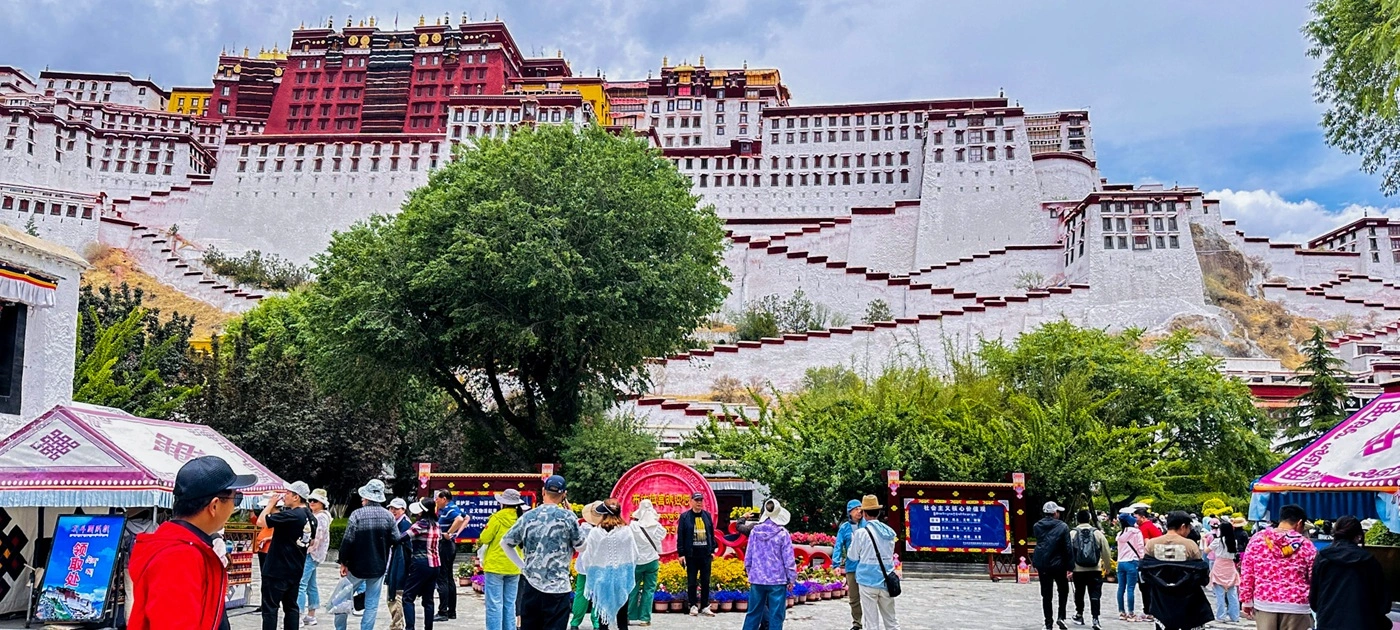
Potala Palace: 5,000 daily visitor cap. 60-minute window inside. Tickets are released 15 days in advance via WeChat at 8:30 AM and sell out in minutes, with a 15-minute payment deadline. 365 stone steps to the entrance at 3,700m. Through our operators, all ticketing and permits are pre-secured.
You enter through VIP channels with a private scholar-guide who deciphers the 2,500 sqm of murals, explains the contrast between the Dalai Lamas’ austere quarters and the jewel-encrusted religious halls, and navigates the 1,000 rooms at your pace.
Jokhang Temple: schedule for late afternoon when pilgrim density decreases. VIP channels to approach the 2,500-year-old Jowo Shakyamuni statue — the most venerated object in Tibetan Buddhism — with unhindered proximity. Sera Monastery: front-row access to the daily monk debates — scholars clapping, shouting, and arguing theological points in the same courtyard where this tradition has been practiced for six centuries.
What to Buy
Dzi Beads
The most expensive jewelry on the plateau. Etched agate beads with eye-like patterns. Believed to be “treasures left by the gods.” Powerful amulets for wealth, wisdom, and protection. Authentic ancient Dzi beads command extraordinary prices from international collectors. Replicas are everywhere — use a local expert and request QR-code-verified certificates.
Tibetan Turquoise and Red Coral
Genuine Tibetan turquoise: vivid blue-green or forest green with golden-brown spiderweb matrix. Set into heavy silver rings, braided into hair, inlaid into Gau portable shrines by master silversmiths tracing their craft to 15th-century Nepalese influences. Antique red coral: historically imported from the Mediterranean. Heirloom pieces repurposed into contemporary necklaces with fine silver wirework. Both require authentication — commercial-grade fakes are pervasive.
Thangka Paintings
Scroll paintings on cotton or silk depicting Buddhist deities, mandalas, and historical events. Mineral pigments. Gold accents. Months or years to complete. Private visits to the Xueduibai School for Traditional Arts: master painter Yeshi Tenzin oversees a six-year curriculum in the geometry and theology of the art form. Commission a bespoke piece from a living master.
Norlha: Yak Khullu
On Barkhor Street. Slow, sustainable luxury garments woven from yak khullu — the ultra-soft undercoat of the plateau yak. Employing nomads-turned-artisans in Ritoma Village. Scarves, shawls, and clothing that rival the world’s finest cashmere. A tangible, wearable connection to the grasslands.
Dropenling
A social enterprise near the Jokhang Temple. Stone carvings. Painted wood boxes. Textiles. Every item 100% Tibetan-made — verified. Your purchase directly reinvests in the artisan community. The ethical shopping standard in Lhasa.
Cultural Etiquette
Walk clockwise around monasteries, stupas, prayer wheels, and Mani stones (counter-clockwise only at Bön temples). Cover shoulders and legs in sacred spaces. Remove hats. Do not touch statues, sit on prayer texts, or step over sacred items. Do not touch anyone’s head — it is the seat of the spirit.
Do not be alarmed when locals stick out their tongue upon meeting you — it is a respectful greeting. Add “la” to names (Tenzin-la) for polite address. Step over thresholds, never on them. Accept butter tea with both hands. Never drain the bowl completely — allow it to refill continuously. Eagles are sacred. Livestock with coloured cloth strips are dedicated to the gods and must not be disturbed.
Frequently Asked Questions
How do I fly to Lhasa?
Himalaya Airlines. Kathmandu to Lhasa. 80-95 minutes. Economy: $380-580. Frequency varies by season (3-5 flights/week). Sit on the left for Everest views. Group Chinese Tourist Visa + Tibet Entry Permit required. We handle all paperwork. Private jets: $17,000-62,000 depending on aircraft.
Will I get altitude sickness?
47.6% of arriving tourists experience AMS within 12 hours. Every luxury hotel has in-room oxygen concentrators. The Shangri-La has a 24-hour Oxygen Lounge. Consult your doctor about Diamox before departure. Our first day in Lhasa is always paced gently: no strenuous activity, slow walking, hydration, and early rest with oxygen.
What is the best hotel in Lhasa?
St. Regis: gold pool, butler, Yan Ting dining, Iridium Spa. Shangri-La: Oxygen Lounge, Horizon Club, CHI Spa, 10 private dining rooms. Songtsam Linka: Potala artisans, 45 suites with thangka murals, hyper-local yak cuisine. InterContinental: value, glass pyramids. Ustay: boutique, Hermès.
How do I get VIP access to the Potala Palace?
Standard tickets sell out in minutes via WeChat, 15 days in advance. We pre-secure VIP tickets and permits. You enter through priority channels with a private scholar-guide. 60-minute standard window — our guides maximize every minute. 365 stone steps at 3,700m: pace slowly, breathe deliberately.
What should I buy in Lhasa?
Dzi beads (ancient agate amulets, QR-verified certificates). Tibetan turquoise (spiderweb matrix, silver settings). Thangka paintings (commissioned from Xueduibai School masters). Norlha yak khullu (cashmere-rival scarves from nomad artisans). Dropenling (100% Tibetan-made verified crafts). Use local experts for jewelry authentication.
What is aweto?
Cordyceps sinensis. A rare medicinal fungus endemic to the Tibetan plateau. One of the most expensive natural ingredients on earth. Served at Crazy Yak Saloon as aweto chicken and aweto beef. The intersection of luxury dining, traditional Chinese medicine, and Tibetan terroir.
What is the Starry Sky Tibetan Medicine Bath?
A personalized herbal bath tailored to your physiology. Wooden tubs. Goji berries and Himalayan herbs are brewed in clay pots. Post-bath: Dyson amenities, a marble dressing room, and a mountain-view lounge with sweet tea. Traditional Tibetan medicine presented as diagnostic luxury wellness.
What cultural rules should I follow?
Walk clockwise around sacred sites. Cover shoulders and legs. No head-touching. Accept tea with both hands. Never drain the butter tea bowl. Add “la” to names. Step over thresholds. Eagles are sacred. Coloured-cloth livestock are dedicated to gods. Tongue-sticking is a greeting, not an insult.
How many nights should I spend in Lhasa?
Minimum 3: acclimatization + Potala + Jokhang + Barkhor. Recommended 4-5: adds Sera debates, Drepung dawn visit, Norbulingka, Starry Sky bath, cooking class, and shopping. Extended: combine with Shigatse (Tashilhunpo), Gyantse, EBC, or Kailash. Lhasa is the staging point for all Tibetan itineraries.
When is the best time to visit Lhasa?
April-early June (spring): clear skies, moderate temperatures. September-November (autumn): sharpest views, dry. Summer (June-August): warmest, peak season, possible cloud. Winter: below -20°C at night, but pristine clarity and total seclusion (hotels mitigate cold with heated rooms and oxygen). 2026 specifics: Saga Dawa, May 17-31, Butter Lantern Festival, March 3.
The Final Word
Lhasa is the city where a 24-karat gold swimming pool sits 3 kilometers from a temple built in 647 AD. Where a sommelier pours aged cognac while monks debate theology in a courtyard outside. Where a nomad’s yak provides the meat for your dinner and the undercoat for your scarf.
Where a six-year-old student at a painting school learns the precise geometry of a deity’s face using techniques unchanged for five centuries. And where your hotel pumps medical-grade oxygen into the ventilation system so you can sleep at an altitude that most of the world’s population cannot function at.
The altitude has not changed. The oxygen has not increased. But the infrastructure has evolved to the point where the Roof of the World is no longer a destination you endure. It is a destination you experience — with a scholar-guide, an oxygen-enriched room, and a Potala Palace view from a bathtub that someone lined with 24-karat gold because they understood that luxury at 3,650 meters means something different from luxury at sea level. Tell us your dates.