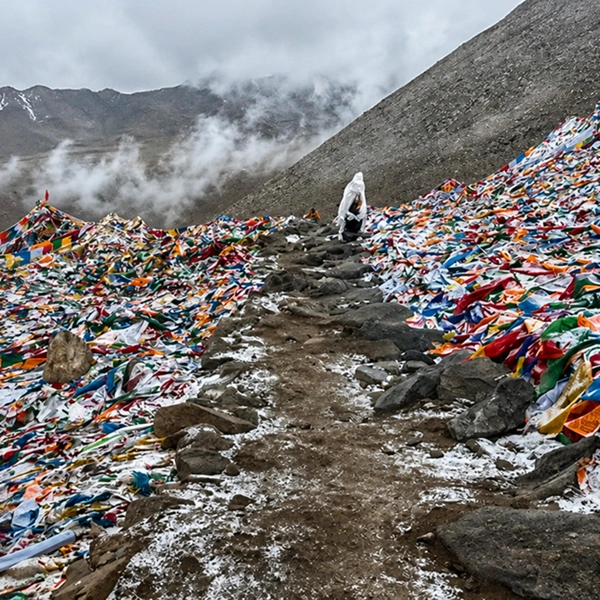
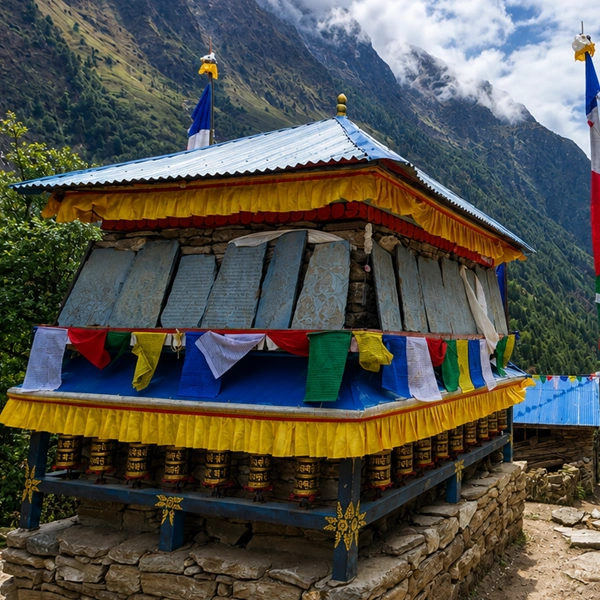
Ten years ago, trekking in Nepal meant shared tea house bunks, communal dining halls warmed by a single yak-dung stove, and long days on exposed trails followed by nights in rooms where your breath visibly frosted on the ceiling. That version of trekking still exists and is still valuable. But a quiet revolution has happened alongside it.
A new category of boutique luxury lodges has been built in the Everest region, the Annapurna foothills, and Upper Mustang — heated rooms, ensuite bathrooms, gourmet dining, trained mountain doctors on call, and service standards that bear almost no resemblance to the trekking experience most people imagine when they think of Nepal.
Luxury trekking in Nepal is not tea-house trekking with slightly nicer food. It is a different product category entirely. You walk the same trails, cross the same passes, and see the same mountains as any other trekker. But where you sleep, how you eat, how your body recovers overnight, and how your itinerary responds to altitude or weather issues are radically different.
At Alpine Luxury Treks, we have been running trekking itineraries from our Kathmandu base for 15 years. In that time, we have watched the boutique lodge network mature from a handful of isolated properties into a genuine circuit network across the country’s five major trek regions. We have also watched helicopter-supported trekking evolve from a niche option into a mainstream tool that lets time-poor travelers experience remote high-altitude terrain that previously required 20-day commitments.
This guide is the complete 2026 reference to what luxury trekking in Nepal actually looks like today. Region by region. Lodge by lodge. Honest about what luxury does and does not mean at altitude. With the specific operational detail, we give our guests when they sit across from us at our Kathmandu office, asking which trek fits them.
In This Guide
- What “luxury trekking” means in Nepal (and what it doesn’t)
- Choosing the right trek: a comparison of the five major regions
- Trek 1 — Everest Base Camp (Luxury Lodge Circuit)
- Trek 2 — Annapurna Base Camp (Luxury Lodge Trek)
- Trek 3 — Annapurna Circuit (Full Circuit with Luxury Extensions)
- Trek 4 — Upper Mustang (Shinta Mani Mustang Circuit)
- Trek 5 — Manaslu Circuit (Quiet Alternative to Annapurna)
- Helicopter-enhanced trekking: when and why
- Altitude, fitness, and safety realities
- When to trek: seasonal windows by region
- What luxury trekking actually costs in 2026
- How we design luxury trekking itineraries
- Frequently asked questions
What “Luxury Trekking” Actually Means in Nepal
We need to be clear about this from the start. “Luxury” at 4,000 meters in the Himalayas does not mean what it means at a beach resort. It cannot. The physical laws of altitude, weight transport, and remote supply chains set hard limits on what is possible.
What luxury trekking in Nepal actually delivers, across the reputable operators and lodge networks:
Accommodation
Private rooms with ensuite bathrooms, hot running water, electric heating (or high-grade radiant heating at higher elevations), and proper beds with duvets. This alone separates luxury from standard tea-house trekking by a category. In a standard tea house, you share a bathroom down the hall, hot water is unreliable, and rooms are often unheated even at -15°C.
At the premium end: Shinta Mani Mustang (opened in 2023 at 3,800 meters), Everest Summit Lodges (eight properties across the Everest region), Ker & Downey boutique lodges (Annapurna foothills), Yeti Mountain Home (Everest and Annapurna regions), and COMO Uma Paro’s Nepal equivalents. Each is a design-forward boutique property with curated interiors, not a luxury-washed tea house.
Food and Hydration
Proper kitchens staffed by trained chefs. Multi-course dinners. Fresh ingredients flown or portered in weekly. Dietary requirements accommodated properly (real vegetarian options, real gluten-free protocols, not just “dal bhat without the meat”). Filtered and bottled water included throughout. Proper coffee — usually espresso machines running on the lodge’s hydroelectric or solar power.
Guiding and Medical Support
Senior trekking guides with 15-20+ years of experience. Guide-to-guest ratios of 1:4 at the standard level and 1:2 for the premium circuits. Trained mountain doctors on call — not through mobile phone from Kathmandu, but physically available at the lodge altitude for emergency consultation. Pulse oximeter and blood pressure monitoring are built into the daily routine. Portable oxygen and Gamow bags at every lodge above 4,000 meters.
Logistics
Private porters, so you only carry a daypack. Duffel bags were transported ahead to the next lodge. Helicopter evacuation within two hours if medically indicated. Charter flights to Lukla or Jomsom that depart on your schedule rather than the shared flight schedule. Airport-to-lodge transfers handled by your operator, not by whatever vehicle shows up at the terminal.
What Luxury Does Not Mean at Altitude
Luxury trekking does not remove altitude exposure. It does not eliminate the 6- to 8-hour walking days at elevation. It does not make you immune to acute mountain sickness. It does not let you skip acclimatization. It does not mean the trek is easy. The mountains are the same mountains. The weather is the same weather. What changes is everything surrounding the walking itself — the recovery quality, the logistical smoothness, the margin of safety, and the experience when you are not actively on the trail.
Choosing the Right Trek: Comparing the Five Major Regions
Each of Nepal’s major trek regions has a distinct character, difficulty profile, and optimal traveler match. Use this table to identify which trek aligns with your fitness, interests, and time budget.
|
Trek Region
|
Duration
|
Max Altitude
|
Difficulty
|
Best For
|
|
Everest Base Camp
|
12–16 days
|
5,545m (Kala Patthar)
|
Strenuous
|
Iconic bucket-list trekkers seeking the classic Himalayan experience
|
|
Annapurna Base Camp
|
7–11 days
|
4,130m
|
Moderate
|
First-time luxury trekkers, couples, moderate-fitness travelers
|
|
Annapurna Circuit
|
14–18 days
|
5,416m (Thorong La)
|
Strenuous
|
Variety-seekers wanting multiple landscapes in one trek
|
|
Upper Mustang
|
9–12 days
|
3,840m (Lo Manthang)
|
Moderate
|
Cultural trekkers drawn to Tibetan Buddhist heritage and desert landscapes
|
|
Manaslu Circuit
|
14–18 days
|
5,106m (Larkya La)
|
Strenuous
|
Experienced trekkers seeking a quieter alternative to the Annapurna Circuit
|
Below, we profile each trek in depth — including the specific luxury lodge networks available, seasonal windows, and the type of traveler who typically books each one.
1. Everest Base Camp: The Luxury Lodge Circuit
Duration: 12–16 days · Max altitude: 5,545m (Kala Patthar) · Best seasons: mid-Sept to mid-Nov, mid-March to May · Difficulty: Strenuous
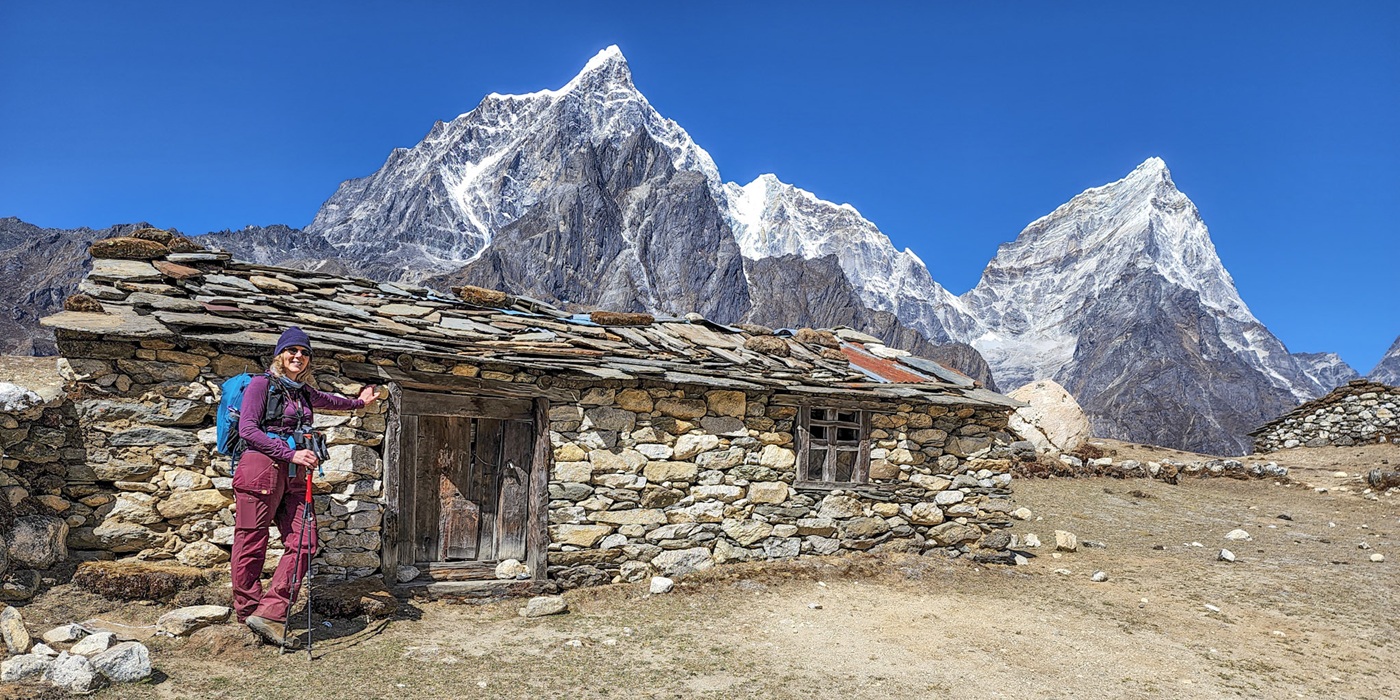
Everest Base Camp is the most iconic trek in the world, and for most travelers visiting Nepal, it is the reason they come. The luxury version of this trek has matured dramatically over the past decade — what used to be a pure expedition experience is now available as a fully supported boutique lodge circuit.
The Classic Route
The standard EBC trek begins with a morning flight from Kathmandu to Lukla (2,860 meters) — a short but famously dramatic landing at what is often called the most challenging airport on earth. From Lukla, the trail climbs through the Dudh Koshi valley to Namche Bazaar (3,440 meters, the Sherpa capital), then onwards via Tengboche Monastery (3,860 meters), Dingboche (4,410 meters), Lobuche (4,940 meters), and finally to Gorak Shep (5,164 meters), from which trekkers reach Everest Base Camp and the adjacent viewpoint of Kala Patthar (5,545 meters) for the classic sunrise Everest view.
The total trek covers approximately 130 kilometers over 12-16 days, with built-in acclimatization days at Namche Bazaar and Dingboche. Luxury operators add an additional buffer day to account for weather delays on return flights to Lukla.
Luxury Lodge Options
The Everest region has the most developed luxury lodge network in Nepal. Three operators dominate the space.
Everest Summit Lodges operates eight boutique properties across the region — Phakding, Monjo, Namche, Tashinga, Mende, Tengboche, Pangboche, and Lobuche. Each lodge features private ensuite rooms with heated floors, professional kitchens, and panoramic mountain views. The network allows for a completely self-contained luxury circuit from Lukla to the higher reaches of the trek without crossing into standard tea-house accommodation at any point.
Yeti Mountain Home operates in Lukla, Phakding, Namche, Thame, and Kongde. The Kongde property (3,800 meters) sits on a ridgeline, offering some of the most spectacular Himalayan views from any lodge in the Everest region. Yeti Mountain Home runs heated rooms, ensuite bathrooms, and proper fine-dining menus.
For the absolute premium tier, specialized operators build private expedition-style comfort camps with portable heated dining tents and ensuite toilet tents at the highest elevations. This is the option selected by guests who want to combine the luxury lodge circuit through the mid-altitudes with expedition-grade private camping at Gorak Shep and Base Camp itself.
What Makes the Luxury EBC Experience Different
The honest answer is altitude recovery. Standard tea-house trekkers at Lobuche (4,940 meters) sleep in unheated rooms at overnight temperatures that drop to -15 or -20°C. Even with a proper sleeping bag, sleep quality at that altitude in that cold is poor, and poor sleep compounds altitude stress day over day.
At Everest Summit Lodge, Lobuche, or an equivalent, you sleep in a heated private room with a hot shower. Your body recovers properly overnight. The cumulative impact across a 14-day trek is significant — you arrive at Kala Patthar on the summit morning physically fresher and mentally sharper than trekkers on the standard circuit.
“In April 2025, we guided Henrik and Astrid Lindqvist from Stockholm — both in their early sixties — on a 14-day luxury EBC trek using Everest Summit Lodges throughout. Neither had trekked above 4,000 meters before. On the summit morning at Kala Patthar, Astrid looked at Everest in the predawn orange light and said to her husband: ‘This is the first morning of my life I understand why people come here.’ She told us at Kathmandu airport three days later: ‘I expected exhaustion. What I got was clarity.’ They are returning for an Annapurna Circuit attempt in October 2026.”
2. Annapurna Base Camp: The First-Timer Luxury Trek
Duration: 7–11 days · Max altitude: 4,130m (ABC) · Best seasons: mid-Sept to Nov, mid-March to May · Difficulty: Moderate
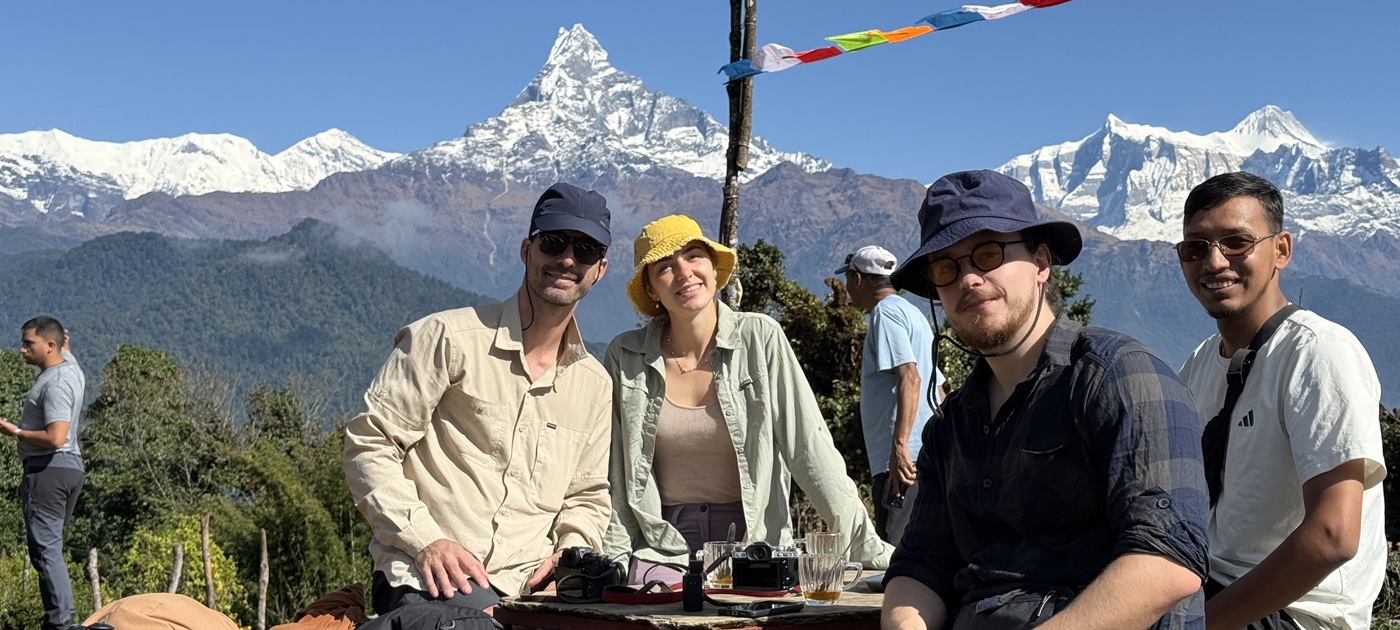
The Annapurna Base Camp (ABC) trek is the most first-timer-friendly of the major Nepal trek options, and the trek we most commonly recommend to luxury trekkers who have not spent significant time above 4,000 meters before.
Why ABC Works for First-Time Luxury Trekkers
Three reasons. First, the maximum altitude is 4,130 meters at the sanctuary itself — meaningful altitude exposure, but a full 1,400 meters lower than the EBC summit morning. Acute mountain sickness risk is materially lower, and the altitude is in the range where physiological adaptation is manageable for most healthy adults.
Second, the trek is shorter — typically 7-11 days from start to finish — which makes it accessible to time-constrained professionals who cannot commit to the 14-16-day EBC window.
Third, the scenery is arguably more visually spectacular on a day-to-day basis than EBC. The trail passes through the Modi Khola gorge, climbs through rhododendron and bamboo forests (the May version of this trek is stunning), and culminates in the Annapurna Sanctuary — a glacial amphitheater ringed by ten peaks above 7,000 meters, including Annapurna I (8,091 meters), Annapurna South, Machapuchare (the sacred “Fishtail” peak), and Gangapurna. You walk into the sanctuary, and 360 degrees of Himalayan wall surrounds you.
The Route
Most luxury ABC itineraries begin with a domestic flight from Kathmandu to Pokhara (elevation 825 meters, 30 minutes), followed by a transfer to the trailhead in Ghandruk or Nayapul. The trail climbs steadily through Chhomrong (2,170 meters), Bamboo (2,310 meters), Himalaya (2,920 meters), and Machapuchare Base Camp (3,700 meters) before the final short climb to Annapurna Base Camp. Most itineraries include a Poon Hill (3,210 meters) extension for sunrise Himalayan views.
Luxury Lodge Options
The Annapurna region is well served by boutique lodges at mid elevations, but thins out above 3,500 meters. Ker & Downey operates four boutique lodges in the region — Basanta Lodge (Majhagaun), Himalaya Lodge (Ghandruk), Gurung Lodge (Majhgaon area), and Sikles Lodge. Each features ensuite bathrooms, heated rooms, and properly staffed kitchens.
Pavilions Himalayas near Pokhara serve as the luxury base for pre- and post-trek stays. Tiger Mountain Pokhara Lodge, perched at 1,650 meters with panoramic views across Pokhara and the full Annapurna range, is where we typically base our guests for the acclimatization day before the trek begins.
At the higher elevations approaching ABC itself, accommodation remains primarily tea-house grade — the altitude and remoteness have not yet attracted full boutique development. Premium-tier guests sometimes add helicopter support for the two highest overnight sections (Deurali and MBC) to return to Pokhara for a night at Pavilions or Tiger Mountain mid-trek, effectively converting those sections into day hikes.
3. Annapurna Circuit: The Full Himalayan Variety Pack
Duration: 14–18 days · Max altitude: 5,416m (Thorong La Pass) · Best seasons: mid-Sept to mid-Nov, mid-March to May · Difficulty: Strenuous
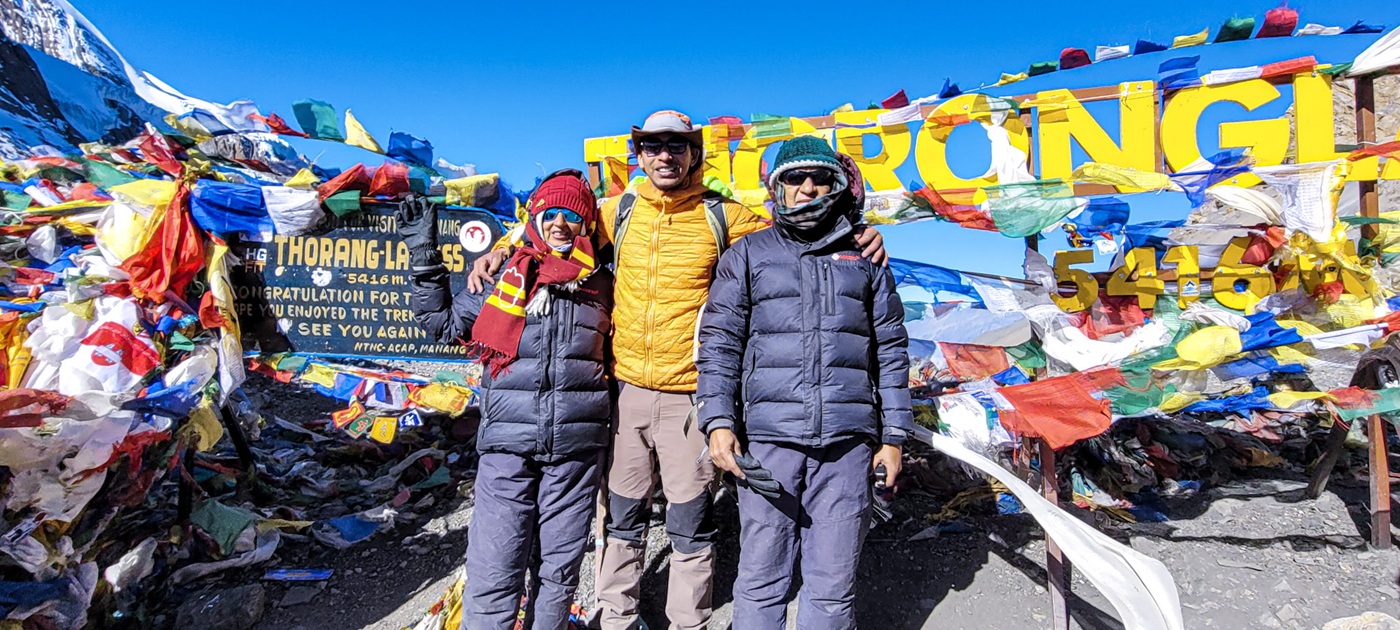
The Annapurna Circuit is often described by experienced trekkers as the most varied trek in the world. Over 14-18 days, it carries you through four distinct climate and vegetation zones — subtropical forest, temperate Gurung villages, dry Tibetan-style highlands, and glacial alpine passes — culminating in the crossing of Thorong La Pass at 5,416 meters.
The Classic Circuit Experience
The trek traditionally begins at Besi Sahar (820 meters) and follows the Marsyangdi River valley northward through lush rhododendron and oak forests. After several days of steady climb, the trail emerges into the arid Manang valley (3,540 meters) — a dramatic climate shift into Tibetan Buddhist territory with centuries-old monasteries, prayer walls, and wind-swept villages.
From Manang, trekkers acclimatize carefully (including day hikes to the Ice Lake at 4,620 meters), then push to Thorong Phedi (4,540 meters), and finally over Thorong La Pass (5,416 meters) in a grueling summit day before descending to Muktinath (3,760 meters) — one of the holiest pilgrimage sites in both Hinduism and Buddhism.
From Muktinath, the trek descends through Kagbeni (the gateway to Upper Mustang), Jomsom, Marpha, and the apple-growing villages of the Kali Gandaki gorge — one of the deepest in the world.
Luxury Adaptations of the Circuit
The full classic Circuit is long. Modern luxury adaptations use road access or helicopter support to streamline logistics without removing the core trekking experience. Common modifications:
Road access to higher trailheads: Many operators now begin the trek at Chame (2,670 meters) or Manang (3,540 meters) rather than Besi Sahar, bypassing the lower-altitude days. This reduces total trek length by 3-5 days without removing the high-altitude and cultural highlights.
Helicopter finish from Jomsom: Most modern Circuit trekkers helicopter from Jomsom back to Pokhara rather than continuing the descent on foot. This saves 2-3 days, and the trail through the lower Kali Gandaki is less distinctive than the higher sections.
Hybrid luxury accommodation: The Circuit passes through multiple regions with different boutique lodge availability. A full luxury Circuit typically combines Ker & Downey boutique lodges in the lower sections with graded tea houses in the higher sections, sometimes adding tented camps at Thorong Phedi. The overall experience is not uniform boutique luxury; it is a managed hybrid that prioritizes comfort where it is genuinely available.
Who Should Book the Circuit
Experienced trekkers who want variety rather than a single iconic summit. The Circuit is not for first-time luxury trekkers — the altitude exposure, the 2-week commitment, and the physical demand of crossing Thorong La Pass in a single summit day make it a challenging undertaking. If you have already completed ABC or a similar moderate trek, the Circuit is the logical next step. If you are new to high-altitude trekking, start with ABC first.
4. Upper Mustang: The Shinta Mani Luxury Circuit
Duration: 9–12 days · Max altitude: 3,840m (Lo Manthang) · Best seasons: May–October (including monsoon) · Difficulty: Moderate
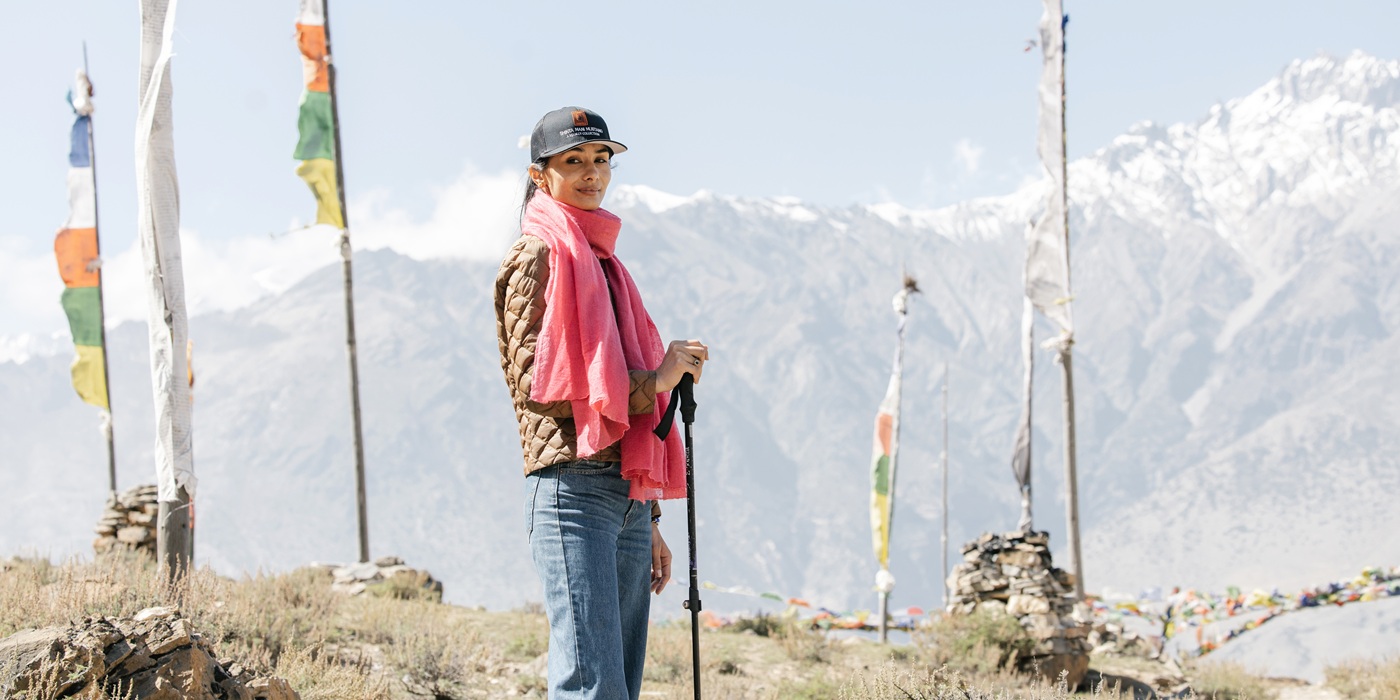
Upper Mustang is the one Nepal trek that deserves a different conversation from the others. It is not a high-altitude alpine adventure like EBC or Annapurna Circuit. It is a cultural expedition into a restricted Tibetan Buddhist kingdom that operates under its own permit system and its own climate calendar.
The Land Behind the Mountains
Upper Mustang sits in the rain shadow north of the Annapurna and Dhaulagiri massifs. These two 8,000-meter ranges block the monsoon, which means Upper Mustang is dry year-round — technically a high-altitude desert. The landscape is dramatically different from the forested mid-hills of the Annapurna region or the glacial Everest Valley: ochre-and-umber eroded cliffs, whitewashed Tibetan-style villages, ancient cave monasteries carved into sandstone, fluttering prayer flags against wind-carved canyons.
The cultural heart of the region is Lo Manthang (3,840 meters), a 600-year-old walled city that served as the capital of the Kingdom of Lo until Nepal abolished its monarchies. The royal palace still stands. Ancient Tibetan Buddhist monasteries — Thubchen Gompa, Jampa Gompa, Chode Gompa — date from the 14th and 15th centuries and house original murals in their original colors.
The Shinta Mani Mustang Revolution
Until 2023, luxury trekking in Upper Mustang was limited — the region had excellent guides and strong cultural programming, but accommodation was primarily tea-house grade. The opening of Shinta Mani Mustang, A Bensley Collection in 2023 at 3,800 meters, fundamentally changed the luxury positioning.
Designed by Bill Bensley (the architect behind Pemako Punakha in Bhutan and Shinta Mani Angkor in Cambodia), the property brings genuine 5-star luxury to Upper Mustang. 29 suites averaging 60-80 square meters, with in-room heating systems, oxygen availability, private balconies overlooking the Annapurna massif, and a dining program that uses ingredients flown in weekly from Pokhara and Kathmandu.
Suite rates are approximately 1,800 USD per night, all-inclusive, and the full 9-day Shinta Mani Mustang experience (including charter flights from Pokhara, all ground transfers, cultural programming, and all meals) is approximately 19,500 USD per person.
The Tiji Festival
Upper Mustang’s cultural high point is the Tiji Festival, a three-day Tibetan Buddhist ritual held annually in Lo Manthang’s central square. The festival celebrates the victory of Buddhism over evil spirits, featuring elaborate Cham masked dances performed by monks from Chode Gompa. The dates shift year to year with the lunar calendar — May 16-18 in 2026.
For cultural travelers and photographers, a trek timed to coincide with the Tiji Festival is one of the most meaningful experiences available in the Himalayas. We book these trips 9-12 months in advance because charter flight capacity to Jomsom and accommodation in Lo Manthang are both sharply limited.
Who Should Book Upper Mustang
Cultural travelers drawn to Tibetan Buddhist heritage and desert landscapes. Travelers who want luxury-grade trekking without the altitude exposure of EBC or the Annapurna Circuit (the max altitude here is just 3,840 meters). Travelers with restricted monsoon travel windows, because Upper Mustang is accessible in July-August when the rest of Nepal is flooded. Photographers who want access to visually distinct terrain — the Mustang landscape is unlike anywhere else in Nepal.
5. Manaslu Circuit: The Quiet Alternative
Duration: 14–18 days · Max altitude: 5,106m (Larkya La) · Best seasons: mid-Sept to mid-Nov, mid-March to May · Difficulty: Strenuous
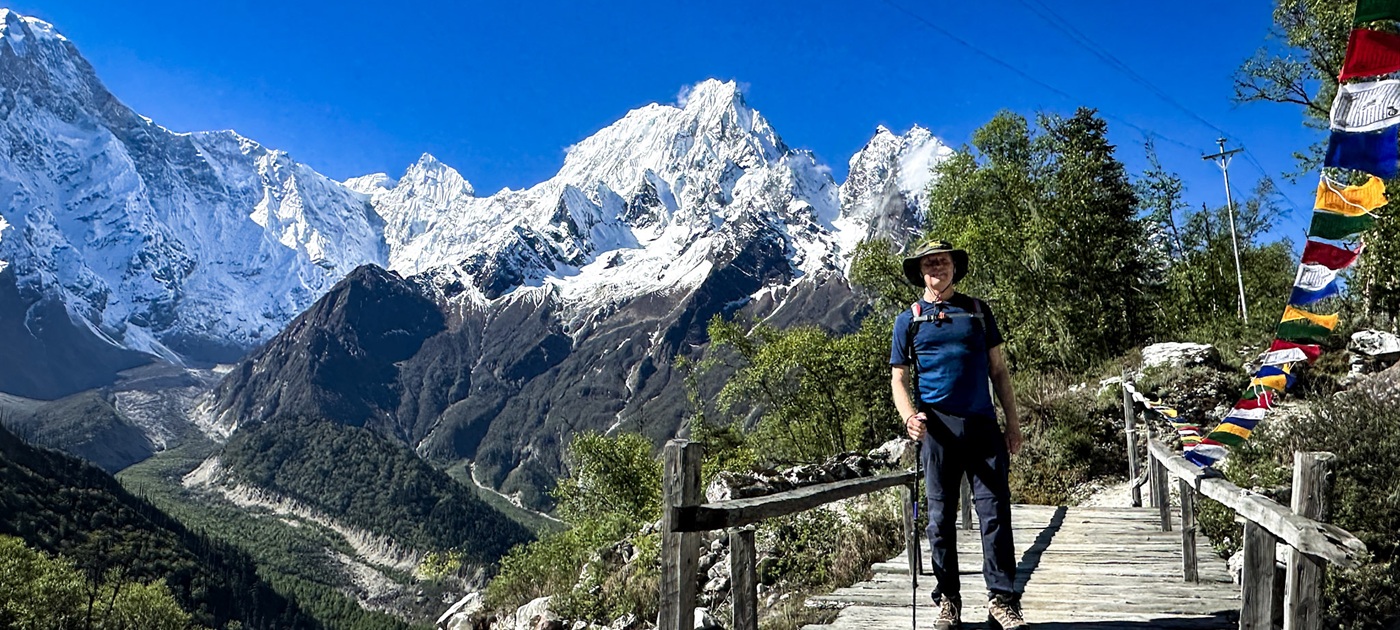
The Manaslu Circuit has become the sophisticated trekker’s alternative to the Annapurna Circuit. Similar trek length, similar high-altitude pass crossing, similar mix of cultural and alpine terrain — but roughly one-tenth the visitor traffic, a stronger Tibetan Buddhist cultural character, and genuinely uncrowded trails.
Why Manaslu Appeals to Repeat Trekkers
The Annapurna Circuit is magnificent, but it is now heavily trafficked — during peak October weeks, Thorong La Pass sees hundreds of trekkers on the same morning at the summit. The lodges are crowded. The trail is a steady procession.
Manaslu is different. The region requires a restricted-area permit (not just the standard TIMS and conservation area permits), which structurally caps visitor volume. The trail traces the Budhi Gandaki valley around Manaslu (8,163 meters, the world’s eighth-highest peak), passing through remote Gurung and Tibetan villages that have seen far less tourism development than equivalent Annapurna settlements.
The crux of the trek is the Larkya La Pass (5,106 meters) — slightly lower than Thorong La but a significantly longer summit day with more exposed terrain.
Luxury Lodge Availability
Honesty requires disclosure: Manaslu’s luxury lodge network is less developed than the Annapurna or Everest regions. The area has good-quality tea houses (some operators classify the better properties as “deluxe tea houses”), and private expedition camping is straightforward to arrange, but there is no Ker & Downey or Everest Summit Lodges equivalent that covers the full circuit.
For luxury Manaslu itineraries, we typically run a hybrid approach: premium private camping with heated dining tents and ensuite toilet tents at the higher elevations, combined with the best available lodges in the lower sections, plus pre- and post-trek stays at boutique properties in Kathmandu and Pokhara.
Who Should Book Manaslu
Experienced high-altitude trekkers who have already completed EBC or Annapurna Circuit and want a quieter, more culturally immersive repeat experience. Trekkers who are willing to accept deluxe tea-house accommodation (with genuine private expedition camping at the highest elevations) in exchange for genuine remoteness and lighter trail traffic. Travelers drawn to Tibetan Buddhist culture in regions less touristically developed than Mustang.
Helicopter-Enhanced Trekking: When and Why
Helicopter support has evolved from a niche emergency option into a mainstream tool for time-constrained luxury trekkers. Used correctly, it opens trek experiences that would otherwise be impossible for guests with limited vacation windows.
The Most Common Helicopter Configurations
Return leg helicopter: Trek in, fly out. The most common configuration. You complete the full upward trek (where most of the experience happens), then helicopter out from a high point rather than retracing your steps down. This cuts 3-5 days off most trek itineraries without omitting any iconic landscapes or cultural moments.
EBC luxury heli trek: Some operators (including us) run 5-7-day trek packages that use helicopter transport to reach higher starting altitudes (e.g., direct flights to Namche Bazaar or Dingboche), allowing the trek to focus on the higher elevations where the iconic Everest landscapes are most visible. We have covered this extensively in our dedicated Luxury vs. Standard EBC Trek comparison.
Private scenic helicopter tours: For travelers who cannot trek at all but want the Himalayan experience, helicopter tours with Everest Base Camp landings (approximately 15-20 minutes on the ground at 5,340 meters) or Annapurna Base Camp landings are widely available. Pricing typically runs 4,200-6,000 USD for a private charter with a champagne breakfast at a lower-altitude lodge on the descent.
When We Recommend Helicopter Use and When We Don’t
We recommend helicopter return legs for most luxury trekkers — the upward trek delivers the experience, and the helicopter return eliminates three to five days of retracing steps that would otherwise be a lower-value portion of the trip.
We recommend skipping low-altitude sections of the trek by helicopter for guests with limited time who want to focus on the iconic high-altitude portions.
We do not recommend skipping acclimatization days by helicopter. Acute mountain sickness is a physiological reality, not a matter of willpower, and skipping acclimatization days to save time can cause serious medical issues that ruin the trip entirely. We actively refuse itineraries that ask us to skip acclimatization regardless of guest preference.
Altitude, Fitness, and Safety Realities
What Altitude Does to Your Body
Above 2,500 meters, atmospheric oxygen levels drop meaningfully. At 5,000 meters, effective oxygen availability is roughly half of sea level. Your body adapts through several mechanisms — increased breathing rate, increased red blood cell production, and gradually improved mitochondrial efficiency — but this adaptation takes time.
Acute mountain sickness (AMS) affects roughly 30-40% of trekkers ascending above 3,500 meters too quickly. Symptoms range from headache and nausea to severe cases of high-altitude pulmonary edema (HAPE) or cerebral edema (HACE), both of which are life-threatening and require immediate descent.
The honest reality: altitude exposure is the defining physiological challenge of trekking in Nepal, and no amount of luxury accommodation changes the fundamental physics. We cover this in detail in our dedicated Altitude Sickness Guide for Luxury EBC Trekkers — the specific symptoms to watch for, the protocols we use to monitor guest altitude response, and the decision thresholds at which we recommend descent.
Fitness Requirements by Trek
For Annapurna Base Camp or Upper Mustang, most reasonably active adults in their 40s-60s can complete the trek with adequate pre-trip cardiovascular preparation (6-8 weeks of consistent walking and stair work). The altitude and daily distances are manageable.
For Everest Base Camp, Annapurna Circuit, or Manaslu Circuit, genuine fitness preparation matters. Eight to twelve weeks of sustained aerobic conditioning (3-4 sessions per week) plus weighted backpack training on stairs is the minimum. The summit mornings (Kala Patthar, Thorong La, Larkya La) involve 6-10-hour walking days at altitudes where the same effort feels dramatically harder than at sea level.
We routinely turn away guests whose fitness assessment falls below the threshold for their intended trek. This is not a commercial decision — it is a safety decision. We would rather lose a booking than put a guest into a physical situation beyond their capability at 5,000 meters.
Medical Screening and Insurance
All guests booking high-altitude luxury treks with us complete a medical screening form. Specific pre-existing conditions (uncontrolled hypertension, certain cardiac conditions, recent surgeries, severe lung conditions) are disqualifying or require physician clearance. We also require travel insurance that explicitly covers high-altitude helicopter evacuation — standard policies often exclude above 4,500 or 5,000 meters, and verifying coverage in advance is essential.
When to Trek: Seasonal Windows by Region
Season determines everything in Nepal trekking. Each region has specific windows when the trek is safe, beautiful, and logistically reliable — and other windows when it is not. Below are our honest recommendations by region. We covered this in our dedicated Best Time to Visit Nepal guide; here, we focus specifically on trekking windows.
|
Trek Region
|
Peak Season
|
Secondary Season
|
Avoid
|
|
Everest Base Camp
|
Mid-Sept to mid-Nov
|
Mid-March to May
|
June-Aug (monsoon), Jan-Feb (extreme cold)
|
|
Annapurna Base Camp
|
Mid-Sept to Nov
|
Mid-March to May
|
June-Aug (monsoon, leeches)
|
|
Annapurna Circuit
|
Oct to mid-Nov
|
April to May
|
Dec-Feb (Thorong La snow closure)
|
|
Upper Mustang
|
May-Oct (incl. monsoon)
|
March-April
|
Dec-Feb (extreme cold), Nov uncertain
|
|
Manaslu Circuit
|
Mid-Sept to mid-Nov
|
Mid-March to May
|
Dec-Feb (Larkya La closure), Jun-Aug
|
What Luxury Trekking Actually Costs in 2026
Pricing transparency matters because luxury trekking in Nepal spans a wide cost range. Below are the 2026 all-inclusive price ranges for the major luxury trek configurations, based on our current operational experience. These include: all permits, all accommodation (boutique lodges where available, deluxe tea houses where not), all meals, licensed guides, porters, domestic flights, all ground transfers, and Kathmandu bookend stays at a boutique property.
|
Trek Configuration
|
Duration
|
2026 Price Range (per person)
|
|
Annapurna Base Camp (luxury lodges)
|
9–11 days
|
7,500–11,000 USD
|
|
EBC with Everest Summit Lodges
|
14–16 days
|
11,000–18,000 USD
|
|
EBC Luxury Helicopter Trek (shorter)
|
7–9 days
|
14,000–22,000 USD
|
|
Annapurna Circuit (with heli finish)
|
13–15 days
|
12,000–18,000 USD
|
|
Upper Mustang + Shinta Mani Mustang
|
9 days
|
19,500 USD (fixed package)
|
|
Manaslu Circuit (hybrid luxury)
|
15–17 days
|
10,000–15,000 USD
|
|
Private EBC scenic helicopter only
|
Half day
|
4,200–6,000 USD (private charter)
|
WHAT DRIVES THE PRICE RANGE
Three factors move pricing within each range. First, group size: smaller groups (2-4 guests) cost more per person than larger groups (8+). Second, specific lodge selection: Everest Summit Lodges' pricing differs from Yeti Mountain Home's at equivalent elevations. Third, helicopter usage: each additional helicopter leg costs 3,500-6,000 USD per charter. International flights to Kathmandu are always additional. We provide detailed per-guest quotes after an initial consultation.
How We Design Luxury Trekking Itineraries
Every luxury trek itinerary we build starts with a conversation and a structured intake. Three things matter most: your goal, your altitude history, and your real available time.
The Goal Question
Iconic summit experience? That points toward EBC. Variety and geographic breadth? Annapurna Circuit. First luxury trek with manageable altitude? Annapurna Base Camp. Cultural depth over alpine experience? Upper Mustang. Remote quiet circuit as a repeat trekker? Manaslu. Short window, maximum impact? EBC luxury helicopter trek. The goal determines the region; the region determines almost everything else.
The Altitude History Question
Have you trekked above 4,000 meters before? Above 5,000 meters? How did your body respond to the altitude? This determines which trek is safely within your physiological envelope. Pushing a first-time high-altitude trekker directly onto EBC or the Annapurna Circuit is not always wise, and we will say so.
The Time Question
A 14-day trek requires a 17-18 day total trip (including Kathmandu bookends, acclimatization days, and buffer time for potential flight delays on return). A 9-day trek requires 12 days. If your available window is 10 days or less, we steer you toward the shorter options (ABC, Upper Mustang) or helicopter-compressed versions of the longer trails. We do not run rushed itineraries for the classic longer treks — the altitude math does not permit it.
The Lodge Selection Question
For regions with multiple boutique lodge networks (Everest, Annapurna foothills), we match lodge selection to your aesthetic preferences and priorities. Everest Summit Lodges for architectural refinement. Yeti Mountain Home for high-elevation views. Ker & Downey for mid-hill village integration. Tiger Mountain Pokhara Lodge and Pavilions in the Himalayas for a pre- and post-trek luxury base. Shinta Mani Mustang stands alone in Upper Mustang.
“In October 2024, we hosted Dr. Michael and Jennifer Chen from San Francisco — a neurosurgeon and a venture partner, both active hikers in their late 40s — on a 10-day luxury Annapurna Base Camp trek using Ker & Downey lodges. Michael had been clear in the initial consultation: ‘I can’t take 16 days off work. I need a trek that maximizes Himalayan experience in the narrowest possible window.’ We built the trip with helicopter support from Pokhara to the MBC ridge on the return leg to compress the descent. Jennifer told us on Day 5 in the sanctuary: ‘I am standing inside the mountains.’ They booked an EBC luxury helicopter trek for October 2026 before they flew home.”
Frequently Asked Questions
What is luxury trekking in Nepal?
Luxury trekking in Nepal is a category of trekking that uses boutique heated lodges with ensuite bathrooms, private porters, trained senior guides, professional kitchens, helicopter evacuation support, and proper medical protocols — rather than standard tea-house accommodation with shared facilities. The actual walking, altitude exposure, and trail difficulty remain the same as any other trek. What changes are the recovery quality, logistical smoothness, and margin of safety? The boutique lodge networks have matured over the past decade in the Everest region, Annapurna foothills, and Upper Mustang.
How much does a luxury trek in Nepal cost in 2026?
Luxury trek pricing varies substantially by region and configuration. Annapurna Base Camp luxury treks run 7,500-11,000 USD per person. Everest Base Camp with boutique lodges runs 11,000-18,000 USD per person. The full Shinta Mani Mustang 9-day experience in Upper Mustang is 19,500 USD per person. Helicopter-enhanced short EBC treks run 14,000-22,000 USD. These prices include all permits, boutique accommodation, meals, guides, porters, domestic flights, and ground transfers. International flights to Kathmandu are additional.
Which luxury trek is best for first-timers?
Annapurna Base Camp is the trek we most commonly recommend to first-time luxury trekkers. The maximum altitude (4,130 meters) is well below the EBC or Annapurna Circuit levels, making the risk of acute mountain sickness materially lower. The duration is 7-11 days, which fits most professional vacation windows. The scenery is arguably more visually spectacular day-to-day than EBC, culminating in the Annapurna Sanctuary amphitheater ringed by ten 7,000-meter peaks. Ker & Downey lodges provide boutique accommodation at the mid-elevations.
What is the best time for luxury trekking in Nepal?
Mid-September to mid-November is peak season for the Everest, Annapurna, and Manaslu regions — the post-monsoon atmosphere is clearest of the year, and trekking conditions are optimal. Mid-March to May is the strong secondary window with added rhododendron bloom at 2,500-3,500 meters. Upper Mustang runs on a different calendar due to its rain-shadow geography — May through October, including the monsoon months. We cover this in detail in our dedicated Best Time to Visit Nepal guide.
Do I need to be extremely fit to trek in Nepal?
You need to be genuinely fit for EBC, Annapurna Circuit, or Manaslu Circuit. Eight to twelve weeks of sustained aerobic conditioning plus weighted pack training on stairs is the minimum preparation. Annapurna Base Camp and Upper Mustang are more forgiving — most reasonably active adults in their 40s-60s can complete these treks with 6-8 weeks of preparation. All guests booking high-altitude treks with us complete a medical screening, and we occasionally turn away guests whose fitness falls below the threshold for their intended trek. It is a safety decision, not a commercial one.
What happens if I get altitude sickness during the trek?
Acute mountain sickness (AMS) affects roughly 30-40% of trekkers ascending above 3,500 meters. We monitor pulse oximeter readings twice daily above 4,000 meters and adjust itineraries in real time based on your response. Mild AMS (headache, nausea) is managed with rest, hydration, and pacing adjustments. Moderate AMS requires descent. Severe AMS (HAPE or HACE symptoms) triggers immediate helicopter evacuation — typically within 2 hours at our supported lodges. All guests on high-altitude treks must have travel insurance that explicitly covers helicopter evacuation above the trek's altitude, which we verify before departure.
Can I do the Everest Base Camp in one week?
Yes, through a helicopter-supported luxury trek configuration. Standard EBC takes 12-16 days due to acclimatization requirements. Our EBC Luxury Helicopter Trek compresses this to 7-9 days by using charter helicopter transport to bypass the lower-altitude trek sections and focus the walking days on the higher elevations where the iconic scenery actually happens. The trade-off is cost (14,000-22,000 USD per person) and slightly higher altitude stress because the acclimatization curve is more aggressive. We cover the full comparison in our Luxury vs. Standard EBC Trek Cost Comparison guide.
What is special about Upper Mustang?
Upper Mustang is the one Nepal trek region that operates on a different climate calendar from the rest of the country. It lies in the rain shadow of the Annapurna and Dhaulagiri ranges, which block monsoon clouds, so the region is dry year-round and peak-accessible during June-August, when the rest of Nepal is flooded. Culturally, Upper Mustang is a formerly independent Tibetan Buddhist kingdom with 600-year-old walled cities, cave monasteries, and original 14th-century murals at Thubchen and Jampa Gompas. The Tiji Festival in May (May 16-18 in 2026) is the cultural high point. The Shinta Mani Mustang lodge at 3,800 meters is the premier luxury property in the region.
How far in advance should I book a luxury trek?
Nine to twelve months ahead for peak-season EBC trekking (October-November). Six to nine months for the Annapurna and Manaslu peak seasons. The Shinta Mani Mustang 9-day experience and the Tiji Festival in Upper Mustang both require 9-12 months lead time due to charter flight capacity and fixed accommodation inventory. Spring-season trekking is slightly less booking-pressured than autumn but still benefits from 6-month lead times. Specific lodges, like Everest Summit Lodges, sell out for the busiest weeks a full year in advance.
Is helicopter use considered “cheating” on a trek?
No, when used thoughtfully. Most luxury trekkers use helicopter support for the return leg — trek in, fly out — because the upward trek delivers the experience while the descent primarily retraces steps. We also recommend helicopter skipping for guests with restricted time windows to focus the trek on iconic high-altitude portions. What we do not recommend, and actively refuse, is using helicopters to skip acclimatization days. Acute mountain sickness is a physiological reality, and rushing the altitude curve for convenience causes serious medical issues that ruin the trip entirely.
The Final Word
Luxury trekking in Nepal rewards specificity. The region you choose, the lodge network you book, the seasonal window you trek in, the altitude history you arrive with, and the fitness you have done or not done — each of these makes your trek different from someone else’s on the same trail.
Our job at Alpine Luxury Treks is to match these variables to your actual situation rather than sell you the trek that is easiest for us to sell. If EBC is not right for you, we say so. If your available time window does not match any trek, we suggest alternatives. If your fitness is below the threshold for your target trek, we tell you directly and recommend a preparation plan or a different trek.
Send us your travel window, your altitude and trekking history, and what draws you to Nepal. We will recommend the specific trek that suits you, select the lodge network that matches your style, handle every logistical detail from Kathmandu arrival through the final helicopter return — and leave you to do what you actually came for: walking at altitude through the most extraordinary mountains on earth.
Planning a luxury trek in Nepal for 2026 or 2027?
Tell us your trekking history, your available time window, and what draws you to Nepal. We will recommend the right trek, book the right lodges, and handle every detail from your arrival in Kathmandu to your final descent.