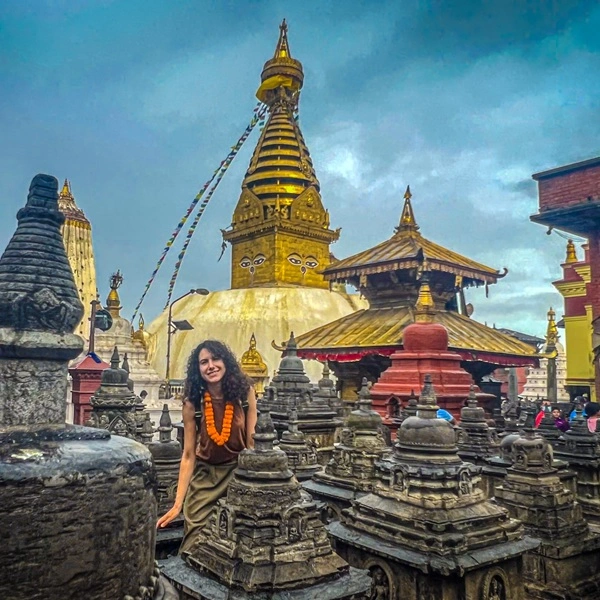
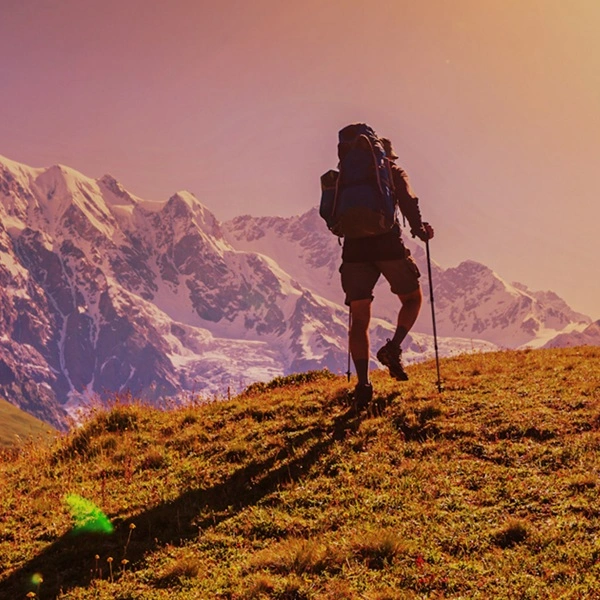
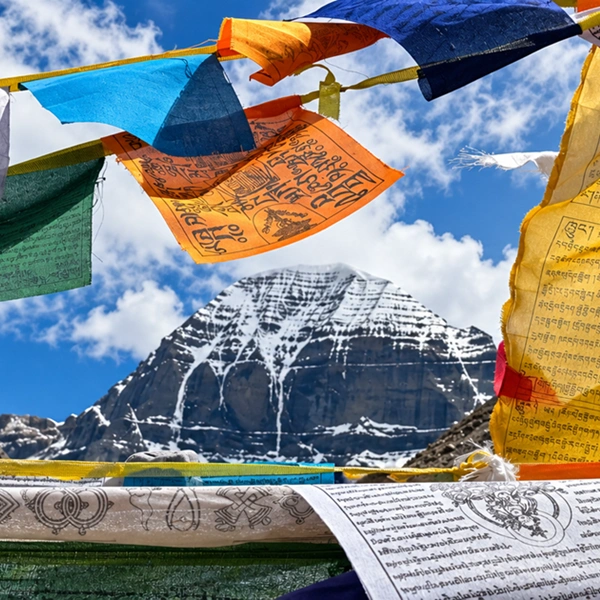
Most travelers arrive in Nepal looking up. At the mountains. At Everest. At the Annapurna range, catching the morning light from Pokhara. They spend their trip at altitude, surrounded by rock and ice, and leave thinking Nepal is a vertical country.
It is not. At the bottom of those mountains, below the middle hills and the terraced rice paddies, Nepal flattens into the Terai — a subtropical lowland belt that runs the entire length of the country’s southern border with India. The Terai is hot, green, and profoundly wild. Sal forests. Elephant grass taller than a person. River systems that flood annually during the monsoon and retreat in winter to expose sand banks where crocodiles sun themselves.
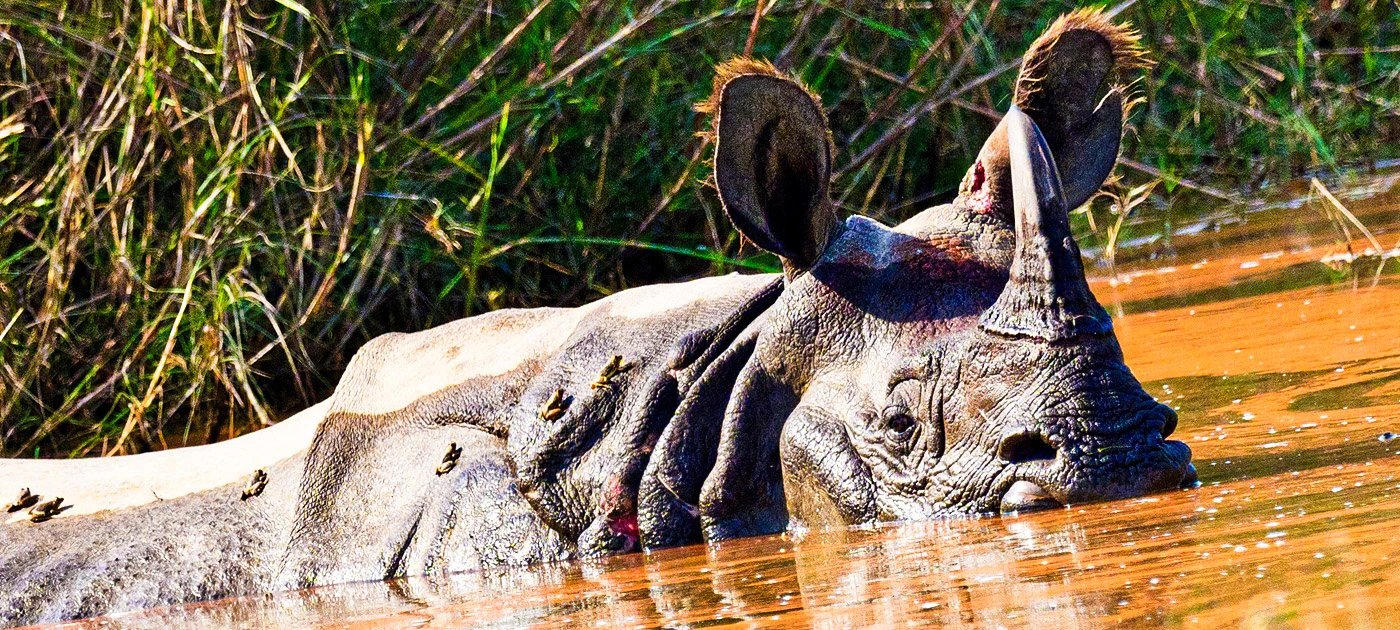
This is where Nepal’s megafauna lives. Greater one-horned rhinoceros — once hunted nearly to extinction, now numbering over 700 in Nepal alone, thanks to aggressive conservation. Bengal tigers — shy, solitary, and increasingly visible in Bardia National Park, where anti-poaching investment has allowed the population to recover. Asian elephants. Sloth bears. Leopards. Gangetic dolphins. Gharial crocodiles. And more than 600 bird species, making the Terai one of the richest birding corridors in the world.
A luxury safari in Nepal is not the same as the African savanna experience. It is a subtropical jungle experience — denser forest, shorter sighting distances, a different rhythm of patience and reward. But for travelers who appreciate genuine wildness, the Terai delivers something African parks increasingly cannot: uncrowded parks, minimal vehicle traffic, and wildlife encounters where you are frequently the only observer.
At Alpine Luxury Treks, we have been running Chitwan and Bardia itineraries for 15 years. This guide covers both parks in depth — what to expect, where to stay, when to go, what you are likely (and unlikely) to see, and how to combine a safari with the rest of your Nepal trip.
In This Guide
- Nepal safari vs African safari: setting expectations
- Chitwan National Park: the accessible giant
- Bardia National Park: the tiger frontier
- Chitwan vs Bardia: choosing the right park
- Luxury lodge profiles
- What you will (and might not) see: honest wildlife expectations
- Tharu indigenous culture
- Birding in the Terai
- When to go: seasonal guide
- How to combine a safari with the rest of Nepal
- Frequently asked questions
Nepal Safari vs African Safari: Setting Expectations
If you have been on an African safari before, you need to recalibrate your expectations for Nepal. The two experiences are fundamentally different in character.
|
Factor
|
African Safari
|
Nepal Safari
|
|
Landscape
|
Open savanna, long sight lines, vast plains
|
Dense subtropical forest, elephant grass, river corridors
|
|
Sighting style
|
Animals visible at a distance, multiple species simultaneously
|
Closer encounters, single species at a time, patience-dependent
|
|
Vehicle traffic
|
Multiple vehicles at popular sightings
|
Often, the only vehicle in the area
|
|
Star species
|
Big Five (lion, leopard, elephant, buffalo, rhino)
|
Bengal tiger, one-horned rhino, Asian elephant, gharial
|
|
Guide style
|
Vehicle-based with a tracker
|
Jeep, canoe, walking, and elephant-back options
|
|
Crowd level
|
Popular parks can feel congested in peak season
|
Genuinely uncrowded even in peak season
|
The Nepal advantage: intimacy. In Bardia on a January morning, you might follow tiger pugmarks along a riverbed for an hour with no other visitors in sight. In Chitwan, a canoe ride down the Rapti River puts you within meters of basking gharial crocodiles and kingfishers — and the silence is broken only by the paddle. The scale is smaller, the encounters are closer, and the wildness feels more personal.
Chitwan National Park: The Accessible Giant
Chitwan was Nepal’s first national park, established in 1973 and designated a UNESCO World Heritage Site in 1984. It covers 932 square kilometers of subtropical lowland along the Rapti, Reu, and Narayani rivers. The park sits at roughly 100-150 meters elevation, lower than most cities in Europe.
Why Chitwan Works for Most Travelers
Accessibility. Chitwan is approximately five to six hours by road from Kathmandu, or a 25-minute domestic flight from Kathmandu to Bharatpur airport, followed by a 20-minute drive to the park boundary. This makes it easy to integrate into almost any Nepal itinerary without burning multiple travel days on logistics.
Rhino probability. Chitwan’s greater one-horned rhinoceros population is the star attraction. The park hosts over 700 rhinos — the second-largest population in Asia after Kaziranga in India. On a standard 2-3 day safari stay, the probability of seeing at least one rhino is very high — we estimate above 90 percent for guests staying at well-positioned lodges with experienced guides. Rhinos are large, relatively habituated to vehicles, and frequently found in the grasslands and along riverbanks during morning and late-afternoon drives.
Multi-mode safari. Chitwan offers jeep drives, canoe trips on the Rapti and Narayani rivers, walking safaris with armed rangers, and cultural village experiences in Tharu communities. This variety keeps a 2-3 day stay dynamic rather than repetitive.
Wildlife in Chitwan
The species list is substantial. Greater one-horned rhinoceros (700+). Bengal tigers (roughly 130 in Chitwan, though sightings are rare — more on this in the honest expectations section). Asian elephants (both wild and domestic working elephants used by park rangers).
Sloth bears. Spotted deer (chital). Sambar deer. Wild boar. Langur and rhesus monkeys. Mugger crocodiles. Gharial crocodiles (the long-snouted fish-eating species, critically endangered globally). Gangetic dolphins in the Narayani River.
Birding is exceptional. More than 550 bird species have been recorded in Chitwan, making it one of the top 10 birding sites in Asia. Common sightings include great hornbills, giant hornbills, spotted owlets, peacocks, white-rumped vultures, Pallas’s fish eagles, and Bengal floricans.
What a Day Looks Like in Chitwan
Predawn wake-up, usually 5:30-6:00 AM. Hot tea delivered to your room. Morning game drive into the park, typically 3-4 hours, focused on the grasslands and riverine forest where rhino, deer, and birdlife are most active during cool morning hours.
Return to the lodge for a late breakfast and a rest period through the hottest part of the day. Afternoon activity: typically a canoe trip on the Rapti River (silent, engine-free, with gharial and mugger crocodile sightings almost guaranteed) followed by a walking safari along the riverbank or through the sal forest with an armed ranger.
Late afternoon: Tharu cultural experience (village walk, Tharu stick dance performance, or a visit to a Tharu community museum). Sundowners on the lodge terrace. Dinner. Night sounds — the Terai at night is alive with insect, frog, and nightbird calls that form a dense acoustic wall.
Bardia National Park: The Tiger Frontier
If Chitwan is Nepal’s accessible safari park, Bardia is its wild frontier. Located in the far western Terai, Bardia National Park covers 968 square kilometers of sal forest, riverine grassland, and the Karnali River corridor. It is more remote, less visited, and significantly wilder than Chitwan.
Why Bardia Matters: The Tiger Story
Bardia has the highest Bengal tiger density of any park in Nepal. The population has recovered dramatically over the past decade thanks to aggressive anti-poaching investment, community buffer-zone management, and prey-based recovery. Current estimates place the park’s tiger population at roughly 125-130 individuals.
The probability of a tiger sighting in Bardia is significantly higher than in Chitwan. The reason is structural: Bardia’s habitat is more open in the riverine corridors, the park receives far fewer visitors (which means less disturbance), and the tiger population has become somewhat habituated to the low-volume vehicle traffic.
For a 3-4-night luxury stay at Bardia in peak season (January-March), we estimate the probability of a tiger sighting at 40-60 percent for guests with experienced guides. This is a genuine probability, not a guarantee — tigers are still solitary, secretive predators. But it is meaningfully higher than Chitwan’s roughly 10-15 percent sighting probability over the same period.
For travelers whose primary goal is to see a wild Bengal tiger in Nepal, Bardia is the right choice. It is farther to reach and has fewer luxury lodge options, but it delivers a materially better chance at the sighting most safari travelers dream of.
Getting to Bardia
Bardia is approximately 585 kilometers west of Kathmandu by road — a 10-12 hour drive that is impractical for most luxury itineraries. The standard approach is a domestic flight from Kathmandu to Nepalgunj (approximately 75 minutes), followed by a 2-3 hour drive to the park. Flight reliability to Nepalgunj is generally good in the dry season but can be disrupted during monsoon months.
The remoteness is part of the appeal. Bardia feels genuinely wild in a way that Chitwan, with its proximity to Bharatpur and the highway, sometimes does not. The Karnali River at dawn, with mist rising through the sal forest and fresh tiger pugmarks on the sand banks, is one of the most atmospheric wildlife experiences available in Asia.
Wildlife in Bardia
Bengal tigers (125-130). Greater one-horned rhinoceros (approximately 40 — a smaller but growing population). Asian elephants (wild herds). Swamp deer (barasingha) — a species not found in Chitwan. Gharial crocodiles along the Karnali and Babai rivers. Gangetic dolphins. Sloth bears. Wild boar. Four-horned antelope. More than 400 bird species.
The Karnali River is particularly rich. Guided rafting trips along the river combine wildlife viewing (gharial, dolphins, eagles, kingfishers) with the experience of floating through undisturbed subtropical wilderness.
Chitwan vs Bardia: Choosing the Right Park
This is the most common question we get from safari-focused guests. The honest answer depends on your priorities, time, and tolerance for logistics.
|
Factor
|
Chitwan
|
Bardia
|
|
Access from Kathmandu
|
5-6 hr drive or 25-min flight to Bharatpur
|
75-min flight to Nepalgunj + 2-3 hr drive
|
|
Rhino probability
|
Very high (90%+ on 2-3 day stay)
|
Moderate (smaller population, ~40 animals)
|
|
Tiger probability
|
Low (10-15% on 2-3 day stay)
|
Moderate-good (40-60% on 3-4 day stay, peak season)
|
|
Visitor volume
|
Moderate — Nepal’s most-visited park
|
Low — genuinely uncrowded
|
|
Luxury lodge quality
|
Excellent (Meghauli Serai, Barahi Jungle Lodge, others)
|
Good but fewer options (Tiger Tops Karnali Lodge, Bardia Wilderness Camp)
|
|
Wilderness character
|
Well-managed, some peripheral development
|
Genuinely remote and wild
|
|
Best for
|
First safari, rhino focus, easy logistics, shorter stays
|
Tiger priority, serious wildlife travelers, longer stays, repeat visitors
|
Our recommendation for first-time Nepal safari travelers: **Chitwan.** The accessibility, the rhino probability, and the luxury lodge quality make it the easier choice for travelers who are combining safari with a broader Nepal itinerary.
Our recommendation for dedicated safari travelers or those returning to Nepal: **Bardia.** The tiger probability, the wildness, and the uncrowded trails make it the stronger choice for travelers who are willing to invest the extra travel time for a deeper wildlife experience.
For travelers with 5-6 nights available: both. We occasionally build dual-park itineraries that start at Chitwan for rhinos and the Rapti River experience, then fly west to Nepalgunj and drive to Bardia for the tiger focus. This combination requires a total of 5-6 safari nights (2-3 at each park) and provides comprehensive coverage of Nepal’s Terai megafauna.
Luxury Lodge Profiles
Meghauli Serai, Chitwan (Taj Safari)
Meghauli Serai is the flagship luxury safari lodge in Nepal. Operated by Taj Hotels, the property sits on the banks of the Rapti River directly across from Chitwan National Park. The 29 rooms and suites face the river, with floor-to-ceiling windows framing views of the park’s grasslands beyond. The design blends traditional Tharu architectural elements — mud-and-daub walls, thatched structural accents — with Taj-level interiors: polished stone floors, rain showers, deep soaking tubs.
The property operates its own fleet of open-top safari jeeps and canoes, and offers walking safari programs. The Jiva Spa offers Ayurvedic treatments. Evening cultural programs feature Tharu stick dancing performed by local community members. The farm-to-table dining program sources vegetables from the lodge’s own gardens and fish from the Rapti.
For luxury travelers, Meghauli Serai is our default recommendation in Chitwan. It combines the strongest wildlife positioning (direct river frontage opposite the park) with Taj-standard hospitality. Rates start around 350-500 USD per night, depending on the season.
Barahi Jungle Lodge, Chitwan
A strong independent alternative to Meghauli Serai. Barahi sits inside the buffer zone adjacent to the park, offering 25 well-appointed rooms and a swimming pool. The lodge’s guides are among the most experienced in the Chitwan region, several of whom have 20+ years of park-tracking experience. The property runs a community partnership program with nearby Tharu villages.
Barahi works well for travelers who want quality safari guiding and comfortable accommodation at a slightly more accessible price point than Meghauli Serai.
Tiger Tops Karnali Lodge, Bardia
Tiger Tops is Nepal’s original safari operator — the brand that pioneered wildlife tourism in the Terai decades ago. The Karnali Lodge in Bardia sits on the banks of the Karnali River at the edge of the park. Twelve rooms with river-facing verandas. The guides are among the best tiger trackers in Nepal, with deep knowledge of individual tiger territories and movement patterns.
For serious wildlife travelers heading to Bardia specifically for tigers, Tiger Tops Karnali is the natural choice. The guiding quality is the primary differentiator — these are tracker-guides, not general naturalists.
Bardia Wilderness Camp
A smaller, more intimate alternative in Bardia run by a Nepali family with deep ties to the local community. Tented accommodation with a genuine wilderness atmosphere. The camp’s owner-operators have been working in Bardia for over two decades and personally lead many of the game drives and walking safaris. Strong choice for travelers who prioritize authenticity and personal attention over polish.
What You Will (and Might Not) See: Honest Wildlife Expectations
We believe in honest wildlife expectation-setting. Safari operators who promise tiger sightings are either lying or operating in a different park. Here is what we tell our guests.
Near-Certain at Chitwan (2-3 day stay)
Greater one-horned rhinoceros (90%+ probability). Gharial and mugger crocodiles on river trips (95%+ probability). Spotted deer, sambar deer, wild boar (effectively guaranteed). Multiple bird species, including hornbills, eagles, kingfishers, and peacocks. Langur and rhesus monkeys.
Possible but Not Guaranteed at Chitwan
Wild Asian elephants (30-40% probability — depends on season and herd movements). Sloth bears (20-30% probability — secretive and mainly nocturnal). Bengal tigers (10-15% probability on a standard 2-3 day stay — Chitwan’s forest is dense and tigers are shy).
Near-Certain at Bardia (3-4 day stay)
Fresh tiger pugmarks and territorial markings (90%+ probability — you will see evidence of tigers even if you do not see the animal itself). Gharial crocodiles along the Karnali (95%+). Spotted deer, sambar, wild boar. Swamp deer (barasingha). Multiple raptor species.
Possible but Not Guaranteed at Bardia
Bengal tiger (40-60% probability in peak season, January-March, with experienced guides). This is the highest probability of a tiger sighting in Nepal, but still not a certainty. Wild elephants (30-40%). Gangetic dolphins in the Karnali (20-30% — rare and elusive). Sloth bears (20-30%).
We have an honest conversation with every guest who tells us they are coming to Nepal to see a wild tiger. We explain the probabilities. We recommend Bardia over Chitwan if the tiger is the primary goal. We recommend a minimum 3-4 night stay to maximize encounter windows. And we make clear that even at Bardia, with 4 nights and the best guides in the park, there is a 40-60 percent chance you will NOT see a tiger. If a guaranteed big-cat sighting is your priority, Indian parks like Ranthambore or Bandhavgarh offer higher density and sighting reliability. We say this openly because we would rather set expectations accurately than deliver disappointment.
Tharu Indigenous Culture
The Tharu are the indigenous people of the Terai lowlands. Their culture predates Hindu and Buddhist influence in the region by centuries, and they maintain distinct traditions in architecture (mud-and-daub houses with elaborate geometric wall paintings), food (river fish, snails, wild greens, fermented rice beer), and performing arts (the Tharu stick dance, performed by men in pairs with rhythmic wooden sticks).
Tharu villages border both Chitwan and Bardia, and community-based cultural visits are a standard component of luxury safari itineraries. These visits are not staged performances — they are genuine interactions with farming families who have lived in the Terai for generations.
We arrange Tharu cultural experiences through direct partnerships with communities. Guests visit Tharu homes, watch stick dance demonstrations by village cultural groups, learn about the Tharu relationship with the forest and river ecosystems, and often share a meal of locally caught fish and seasonal vegetables. These interactions are among the most meaningful cultural moments our safari guests describe afterward.
Birding in the Terai
Nepal’s Terai belt is one of the ten richest birding corridors on earth. Chitwan alone has recorded more than 550 species. Bardia adds another 400+. For serious birders, the Terai is a destination in its own right.
Key species include: great hornbill, giant hornbill, Indian grey hornbill, white-rumped vulture (critically endangered), Pallas’s fish eagle, Bengal florican (critically endangered grassland bustard), Sarus crane (the world’s tallest flying bird), red-headed trogon, black-chinned yuhina, lesser adjutant stork, and numerous kingfisher species.
We run dedicated birding extensions for interested guests. Typical format: early morning birding walk (5:30-8:30 AM) with a specialist bird guide before the standard game drive, plus a late afternoon birding session along the river. Chitwan’s Bis Hajaar Tal (Twenty Thousand Lakes) area and the Rapti River corridor are the premium birding zones. At Bardia, the Karnali River banks and the Babai Valley offer excellent raptor and waterbird viewing.
When to Go: Seasonal Safari Guide
The Terai has a sharply defined seasonal calendar. Getting the timing right determines both comfort and the probability of wildlife sightings.
|
Season
|
Conditions
|
Safari Quality
|
|
Oct – Dec
|
Post-monsoon, 20-28°C days. Grass is still tall from monsoon growth.
|
Good. Rhinos and deer easy to find. Tigers harder in tall grass. Excellent birding.
|
|
Jan – Mar
|
Cool, dry, 12-25°C days. Elephant grass cut back. Water sources are concentrating.
|
Best. Peak tiger probability at Bardia. Rhinos fully visible. Wildlife congregates at water.
|
|
Apr – May
|
Hot, 30-38°C days. Dry landscape. Water sources at a minimum.
|
Good wildlife, but uncomfortable heat. Morning-only activity. Best water-hole concentration.
|
|
Jun – Sep
|
Monsoon. 25-35°C with heavy rain. Park roads are flooded. Grass has explosive growth.
|
Parks are partially closed. Not recommended. Roads are impassable, and visibility is near zero in tall grass.
|
Our strongest recommendation for first-time safari visitors: late October through February. This window offers pleasant temperatures, post-monsoon greenery, good wildlife visibility, and a high probability of tiger sightings at Bardia (specifically January-March).
For dedicated tiger seekers at Bardia specifically: January through mid-March. The elephant grass has been cut back by park authorities, water sources are at their dry-season minimum (concentrating wildlife), and tigers are more active in the cooler morning temperatures.
How to Combine Safari with the Rest of Nepal
Safari works as a standalone trip (3-5 days for a single park, 5-7 for both), but most luxury travelers incorporate it into a broader Nepal itinerary. Here is how the geography connects.
Kathmandu + Chitwan
The most common combination. Fly Kathmandu to Bharatpur (25 minutes) or drive (5-6 hours through the scenic middle hills). Spend 2-3 nights at Meghauli Serai or Barahi Jungle Lodge, then return to Kathmandu by air or continue to Pokhara. This combination adds 3-4 days to a Kathmandu cultural itinerary and provides a dramatic climate contrast — from 1,400 meters and cool temples to 150 meters and subtropical wildlife.
Chitwan + Lumbini + Pokhara Triangle
A natural geographic loop. Chitwan sits between Kathmandu and Pokhara, and Lumbini is roughly 3 hours southwest of Chitwan by road. The triangle works as a 7-8-day extension: 2-3 nights in Chitwan, 1-2 nights in Lumbini (Buddha’s birthplace), and 2-3 nights in Pokhara. This is our most popular non-trekking Nepal framework.
Safari + Trekking
Chitwan pairs naturally with Annapurna region treks (Pokhara is the transit hub for both). A common luxury framework: trek first (7-14 days), then decompress at Chitwan for 2-3 nights on the way back to Kathmandu. The Terai’s warmth and low altitude serve as physical recovery after high-altitude exertion.
Nepal Safari + Bhutan
For combination travelers doing both countries, Chitwan slots into the Nepal leg before the Kathmandu-Paro flight to Bhutan. A typical flow: Kathmandu (2-3 days cultural) → Chitwan (2-3 days safari) → return to Kathmandu → fly to Paro for the Bhutan leg. We cover the full Nepal-Bhutan combination in our dedicated guide.
“In February 2025, we hosted Julian and Camille Renaud from Lyon on a 5-night Chitwan-Bardia dual-park safari. Julian, a wildlife photographer whose previous work was entirely African — Kenya, Tanzania, Botswana — told us at the start that he was skeptical the Terai could compete. On the third morning at Bardia, their guide Gyan led them along the Karnali riverbed to a clearing where a female Bengal tiger was resting in the early sun with two cubs. They watched for twenty minutes from 60 meters. Julian shot three rolls before the tiger moved into the sal forest. At dinner that night, he said: ‘I have seen lions in the Mara fifty times. I will remember this tiger in Bardia for the rest of my life. The silence was the difference.’”
“In November 2024, we hosted Priscilla and David Okafor from Lagos on a 12-day Nepal trip combining Kathmandu, Chitwan, and Pokhara. They had no trekking interest. Priscilla, a retired secondary school principal, spent her two Chitwan afternoons in the Rapti River canoe watching gharial crocodiles and asking their naturalist guide increasingly detailed questions about each bird species. She identified 47 species in two days using the lodge’s field guide. She told us at Kathmandu airport: ‘I came to Nepal thinking it was only mountains. The jungle was the trip.’”
Frequently Asked Questions
What is a luxury safari in Nepal like?
A luxury safari in Nepal is a subtropical jungle wildlife experience, not an African savanna safari. You stay at boutique lodges on the boundary of Chitwan or Bardia National Park and explore by open-top jeep, river canoe, walking safari with armed rangers, and cultural village visits. The forest is denser, and sighting distances are shorter than in Africa. The wildlife includes greater one-horned rhinoceros, Bengal tigers, Asian elephants, gharial crocodiles, and more than 600 bird species. The experience is intimate, uncrowded, and closer to genuine wilderness than most comparable safari destinations.
Will I see a Bengal tiger in Nepal?
Possibly, but not certainly. Tiger sighting probability at Bardia is 40-60 percent during a 3-4-night peak-season stay (January-March) with experienced guides. At Chitwan, the probability drops to roughly 10-15 percent over 2-3 nights because the forest is denser and the visitor volume slightly higher. If a guaranteed big-cat sighting is your primary goal, Indian parks like Ranthambore offer higher density. We are honest about these probabilities because we would rather set expectations accurately than deliver disappointment.
Should I choose Chitwan or Bardia?
Chitwan for first-time safari visitors, travelers combining safari with a broader Nepal itinerary, and those prioritizing rhino sightings (90%+ probability). Bardia for dedicated wildlife travelers, those prioritizing tiger sightings (40-60% probability in peak season), and those who value genuine remoteness and uncrowded parks. If you have 5-6 nights, we can build a dual-park itinerary that covers both parks.
When is the best time for a Nepal safari?
Late October through February for most travelers. January through mid-March specifically for tiger-seekers at Bardia, when the elephant grass has been cut back and wildlife concentrates at dwindling water sources. April and May are possible but uncomfortably hot (30-38°C). June through September is monsoon — parks are partially closed and not recommended.
How long should I spend on a safari in Nepal?
Two to three nights at a single park is the minimum for a meaningful safari experience. Three to four nights at Bardia if tiger is your primary goal. Five to six nights if you want to visit both Chitwan and Bardia. Most travelers combine a safari with other Nepal experiences (cultural, trekking, and Pokhara) within a 10-14-day total itinerary.
How much does a luxury safari in Nepal cost?
A 2-3-night luxury Chitwan safari at Meghauli Serai (Taj) costs approximately 3,000-5,000 USD per person, all-inclusive of accommodation, meals, game drives, canoe trips, cultural experiences, and transfers from Kathmandu. A 3-4-night Bardia safari at Tiger Tops Karnali Lodge costs approximately 3,500-6,000 USD per person, including domestic flights to Nepalgunj and ground transfers. Dual-park itineraries run approximately 7,000-10,000 USD per person for 5-6 nights.
Can I combine a Nepal safari with trekking?
Yes, and this is a popular combination framework. The typical structure: complete your trek first (EBC, Annapurna Base Camp, or Upper Mustang), then fly or drive to Chitwan for 2-3 nights of safari as physical recovery. The Terai’s warmth and low altitude (100-150 meters) serve as an excellent decompression after high-altitude exertion. We cover the trekking options in our dedicated Luxury Trekking in Nepal guide.
Is an elephant-back safari available in Nepal?
Elephant-back safari was historically a common activity in Chitwan, but has been significantly scaled back due to animal welfare concerns. Some operators still offer it through community-managed elephant programs, but the practice is controversial. We do not include elephant-back safari in our standard itineraries. Jeep, canoe, and walking safaris offer excellent wildlife viewing without the ethical considerations associated with other options.
What should I pack for a safari in Nepal?
Neutral-colored clothing (khaki, olive, tan) for game drives. Long pants and long sleeves for walking safaris and insect protection. A sun hat and high-SPF sunscreen. Quality binoculars (8x42 or 10x42 for wildlife, lighter for birding). A zoom lens if you are photographing (200-400mm range for wildlife, 70-200mm for birds, and general). Light rain layer in October-November. Warm fleece or light jacket for cool mornings in January and February. Insect repellent with DEET for evening use.
Can I combine a Nepal safari with a trip to Bhutan?
Yes. Chitwan slots naturally into the Nepal leg of a Nepal-Bhutan combination trip. The typical flow: Kathmandu cultural days, Chitwan safari (2-3 nights), return to Kathmandu, fly to Paro for the Bhutan leg. This adds 3-4 days to the Nepal portion. We design the full two-country itinerary as a single unified trip — details in our Nepal and Bhutan combination guide.
The Final Word
Nepal’s safari country is the part of the trip most travelers do not plan for, and many describe afterward as the most unexpected highlight. The Terai is not the Himalayas. It is not cold, steep, or demanding. It is warm, flat, dense, and alive — a subtropical wilderness where one-horned rhinos graze in grasslands, gharial crocodiles slide from sand banks into green rivers, and Bengal tigers move through sal forest with a silence that makes every sighting feel earned.
For travelers who want Nepal without the altitude, and for travelers who have already done the mountains and want to see the other half of the country, the Terai delivers something genuinely different. Two to four nights at Chitwan or Bardia changes the shape of a Nepal trip in a way that no additional day in Kathmandu can match.
Tell us your travel window and your wildlife priorities. We will recommend the right park, book the right lodge, pair you with the right naturalist guide, and build the safari into whatever broader Nepal (or Nepal-Bhutan) itinerary makes sense for your trip.
Planning a luxury safari in Nepal?
Tell us your wildlife priorities, your travel window, and whether you want Chitwan, Bardia, or both. We will design the safari and integrate it into your broader Nepal itinerary.