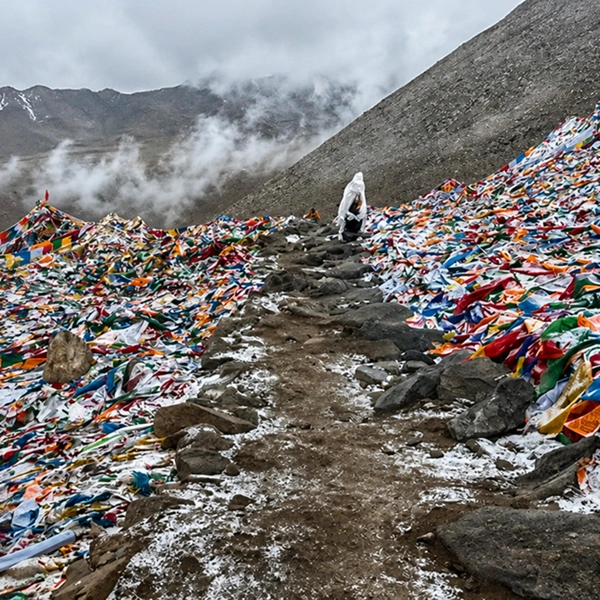
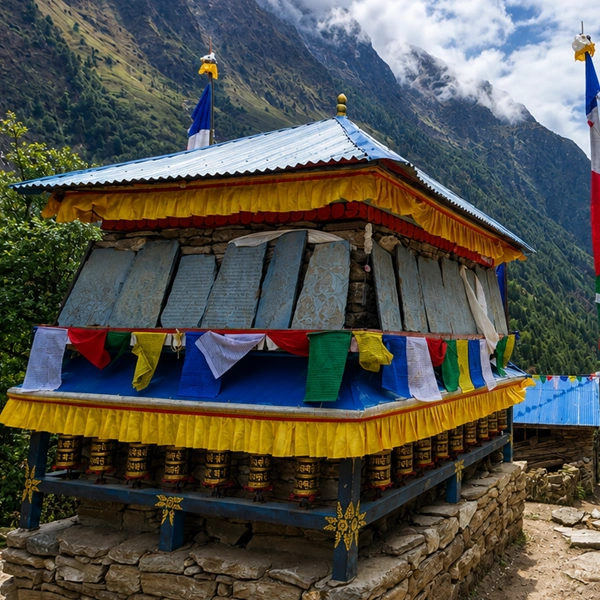
Most international visitors come to Nepal for the mountains. They think of Everest, Annapurna, trekking permits, and altitude sickness medication. The cultural heritage of the Kathmandu Valley — one of the richest archaeological concentrations in Asia — is treated as a day or two of filler before the real trip begins.
This is backward. The Kathmandu Valley’s three medieval cities were trading with Tibet, China, and India centuries before Everest had a name. The metalwork, woodcarving, and stone sculpture produced by the Newari artisans of Patan and Bhaktapur between the 12th and 18th centuries rival anything produced in medieval Europe. The living religious traditions — the Kumari (living goddess), the daily aarti ceremonies at Pashupatinath, the continuous butter-lamp offerings at Boudhanath — are not museum exhibits. They are happening right now, every day, unchanged.
A luxury cultural tour gives you time and interpretation. You are not rushing through Durbar Square in 45 minutes before your flight to Lukla. You are spending a full morning with an art historian guide who can tell you why the Taleju Temple’s proportions follow specific Tantric geometric principles, why the golden window of Patan’s Royal Palace is considered one of the finest pieces of metalwork in Asia, and why the Newari potter in Bhaktapur is using the same wheel design his family has used since the 15th century.
At Alpine Luxury Treks, we have been building cultural itineraries from our Kathmandu base for 15 years. Many of our guests arrive planning a trekking trip and leave telling us the cultural days in the valley were the highlight. This guide covers everything we recommend to travelers who want Nepal’s heritage at depth — not as a prelude to something else, but as the trip itself.
In This Guide
- Why Nepal’s cultural heritage deserves its own trip
- The Kathmandu Valley UNESCO circuit
- Lumbini: the birthplace of the Buddha
- Pokhara beyond the mountains
- Newari heritage cuisine
- Where to stay: luxury hotels as cultural experiences
- A sample 10-day luxury cultural itinerary
- How we design cultural tours at Alpine Luxury Treks
- Frequently asked questions
Why Nepal’s Cultural Heritage Deserves Its Own Trip
The Kathmandu Valley contains seven UNESCO World Heritage Sites. Seven. Within a radius you could cycle across in an afternoon. No other metropolitan area in Asia has this density of protected heritage.
Three medieval Durbar Squares — Kathmandu, Patan, and Bhaktapur — each built by rival Malla kings competing to outdo each other in temple architecture, metalwork, and woodcarving. Two massive Buddhist stupas — Boudhanath and Swayambhunath — are among the most important pilgrimage sites in the Buddhist world. Two Hindu temple complexes — Pashupatinath (Nepal’s holiest Hindu site) and Changu Narayan (a 4th-century Vishnu temple and the oldest in the valley).
Beyond the UNESCO list, the valley contains hundreds of bahals (Newari Buddhist monastery courtyards), hidden temples, active cremation ghats, centuries-old water spouts (dhunge dhara), and neighborhood shrines that are used daily by the people who live beside them. This is not dead heritage preserved behind rope barriers. It is lived culture, functioning exactly as it has for centuries.
QUICK CONTEXT: THE NEWARI CIVILIZATION
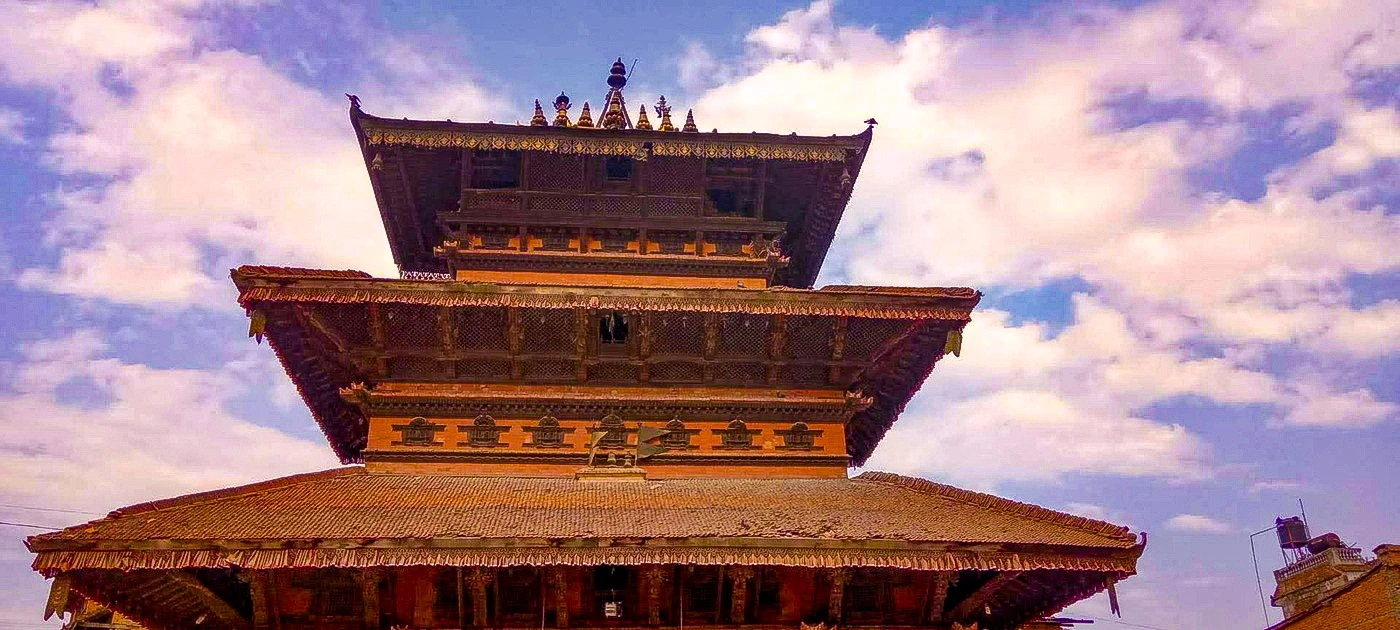
The Newar people are the indigenous inhabitants of the Kathmandu Valley. Their civilization, which flourished from roughly the 5th to the 18th century under the Licchavi and Malla dynasties, produced one of the most sophisticated artistic traditions in Asia — bronze sculpture, repoussé metalwork, woodcarving, stone sculpture, and pagoda architecture that influenced temple design from Tibet to Japan. The Newari pagoda style is believed to be the direct ancestor of the multi-tiered pagoda form that spread across East Asia. Today, the Newar community maintains distinct language, cuisine, festivals, and artistic traditions that survive alongside Nepal’s dominant Indo-Aryan culture.
The Kathmandu Valley UNESCO Circuit
Kathmandu Durbar Square
The historic royal square of the Malla kings of Kathmandu. Despite significant earthquake damage in 2015, the square retains its extraordinary layered character — medieval pagoda temples, Tantric shrines, the Hanuman Dhoka Royal Palace, and the Kumari Ghar (home of the living goddess) surround a public space that has been the political and spiritual center of the valley for over 600 years.
The Taleju Temple, rising above the square’s northeastern corner, is open to the public only during Dashain. The Kasthamandap (the wooden pavilion from which the city takes its name) was rebuilt after the earthquake using traditional construction techniques. The Kumari Ghar is the residence of the Kumari — a young Newari girl selected as the living incarnation of the goddess Taleju, who appears at a carved wooden window to give darshan (sacred viewing) to visitors in the courtyard below.
We schedule Kathmandu Durbar Square visits for early morning (7:30-8:00 AM) before the main tourist traffic arrives. With our cultural guides — several of whom hold art history degrees from Tribhuvan University — a visit that most travelers rush through in 45 minutes becomes a two-hour exploration of medieval Tantric architecture, Newari metalwork, and the daily religious rituals that continue unbroken in the temples around the square.
Patan Durbar Square and the Golden Temple
Patan (also called Lalitpur, “city of beauty”) is the most artistically refined of the three Durbar Squares. The square is dominated by the Krishna Mandir — a stunning 17th-century stone temple built in the Mughal-influenced shikhara style, uniquely different from the pagoda architecture elsewhere in the valley. The Patan Royal Palace houses the Patan Museum, widely considered the finest museum in Nepal and one of the best in South Asia, which houses a collection of Hindu and Buddhist bronze sculptures, stone carvings, and religious artifacts.
A short walk from Durbar Square brings you to Hiranya Varna Mahavihar, commonly called the Golden Temple — a 12th-century Buddhist monastery with a gilded facade that is still actively used by the Newar Buddhist community. Inside the courtyard, monks conduct daily puja ceremonies amid intricately detailed metalwork and ancient stone carvings.
Patan is also the center of Nepal’s traditional metalworking community. The side streets around Durbar Square contain working bronze workshops where artisans produce repoussé Buddhist statuary, ritual vessels, and decorative metalwork using techniques unchanged since the Malla period. We arrange private workshop visits where you can watch a master craftsman shape a bronze Buddha over several hours.
Bhaktapur: The Medieval City
Bhaktapur is the third and most atmospherically intact of the valley’s medieval cities. Located 13 kilometers east of Kathmandu, it has maintained a distinctly slower, less commercialized character than the capital. The main Durbar Square is smaller than Kathmandu’s or Patan’s but arguably more photogenic — the Nyatapola Temple, a five-story pagoda built in 1702, is the tallest temple in the entire valley, and its proportions are considered architecturally perfect by Newari standards.
The 55 Window Palace, with its famous carved wooden window, is the finest example of Newari window-carving technique in the country. The Golden Gate (Sun Dhoka) at the entrance to the palace courtyard is considered the single most important work of gilded metalwork in Nepal.
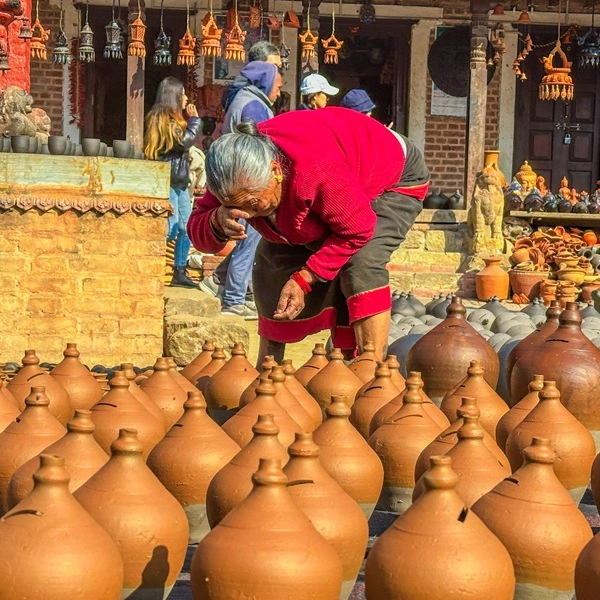
But the real pleasure of Bhaktapur is the streets. The side lanes beyond Durbar Square lead to Pottery Square (Dattatreya Square), where potters work at traditional hand-kicked wheels surrounded by hundreds of clay pots drying in the sun. The neighborhoods between the squares contain hidden bahals — Buddhist monastery courtyards that most visitors never find without a guide. The Peacock Window, a carved wooden masterwork on a backstreet near Dattatreya Square, is regularly cited as the finest piece of woodcarving in Nepal.
We typically recommend a half-day in Bhaktapur, arriving by 8 AM and spending the morning walking through the squares and streets. Lunch at one of the rooftop restaurants facing Nyatapola Temple — juju dhau (Bhaktapur’s famous king curd, a thick, sweetened yogurt unique to the city) is mandatory.
Boudhanath Stupa
Boudhanath is one of the largest Buddhist stupas in the world and the spiritual center of Nepal’s Tibetan exile community. The massive white dome, topped with the all-seeing eyes of the Buddha, is surrounded by a kora (circumambulation path) that is in continuous use from dawn to well after dark. Maroon-robed monks, Tibetan families, local Newari Buddhists, and international pilgrims circle the stupa clockwise, spinning prayer wheels and chanting mantras.
The monastery rooftops surrounding the stupa host meditation retreats and dharma teachings. The alleyways behind the main kora contain Tibetan restaurants, thangka painting workshops, and incense shops. At 5 PM on most evenings, the entire kora fills with butter-lamp light and the sound of monastic horns and drums.
For cultural travelers, Boudhanath is best experienced twice: once in the morning for the calm atmosphere of circumambulation, and once at dusk for the lamp-lighting ceremony. We build both visits into our Kathmandu cultural itineraries.
Swayambhunath (Monkey Temple)
Swayambhunath sits on a hilltop west of Kathmandu and is one of the oldest Buddhist sites in the valley — archaeological evidence suggests continuous use from the 5th century. The main stupa is reached by climbing 365 stone steps through a forest of monkeys (hence the nickname). At the top, the panoramic view of the Kathmandu Valley and the Himalayan range beyond it is one of the most photographed viewpoints in the country.
The temple complex surrounding the stupa includes both Hindu and Buddhist shrines — reflecting the syncretic religious character of the valley where Hindu and Buddhist traditions have coexisted and blended for centuries. The prayer wheels at the base of the stupa are among the largest in Nepal.
We schedule Swayambhunath visits at sunrise, when the morning light hits the stupa’s golden spire, and the valley below is still mist-covered. The monkeys are most active at dawn and provide constant, if slightly chaotic, entertainment.
Pashupatinath Temple
Pashupatinath is the holiest Hindu temple in Nepal and one of the most sacred Shiva temples in the world. Located on the banks of the Bagmati River, the temple complex includes the main pagoda temple (entry restricted to Hindus), open-air cremation ghats along the riverbank, and dozens of smaller shrines, lingas, and meditation pavilions.
The cremation ghats are the most culturally striking element for international visitors. Deceased Hindus are cremated on raised stone platforms at the river’s edge in full public view. The aarti ceremony at dusk — with fire offerings, chanting, and the glow of oil lamps reflected in the river — is one of the most powerful atmospheric experiences in the Kathmandu Valley.
Sadhus (Hindu holy men) in distinctive orange robes and ash-covered faces gather at the temple complex, particularly around the upstream ghats. Photography of sadhus is generally welcomed but a small offering (50-100 rupees) is customary.
For visitors unfamiliar with Hindu cremation traditions, the experience can be emotionally confronting. Our guides brief guests in advance and approach the visit with sensitivity, explaining the religious significance of the cremation rites and the Hindu understanding of death and rebirth.
Changu Narayan
The oldest temple in the Kathmandu Valley dates from the 4th century. Dedicated to Vishnu, the temple sits on a hilltop east of Bhaktapur and contains some of the finest stone and bronze sculpture from the Licchavi period (roughly 300-900 CE). The famous Garuda statue at the temple entrance, dating from approximately 464 CE, is considered the oldest carved stone statue in the valley.
Changu Narayan receives far fewer visitors than the Durbar Squares, which makes it a pleasant contrast — quiet, forested, and unhurried. We often combine it with a visit to Bhaktapur as a half-day loop from Kathmandu.
Lumbini: The Birthplace of the Buddha
Lumbini, in the Terai lowlands of southern Nepal, is one of the four most sacred sites in Buddhism — the place where Siddhartha Gautama was born in approximately 563 BCE. For cultural travelers with any interest in Buddhist heritage, Lumbini is non-negotiable.
The Sacred Garden
The Mayadevi Temple marks the exact birthplace. Inside, a marker stone indicates the precise spot where Maya Devi gave birth to Siddhartha while holding a branch of a sal tree. Adjacent to the temple, the Ashoka Pillar — erected by the Indian emperor Ashoka in 249 BCE — is the oldest known inscription confirming Lumbini as the Buddha’s birthplace. The sacred garden also contains the Puskarini Pond, where Maya Devi is said to have bathed before giving birth.
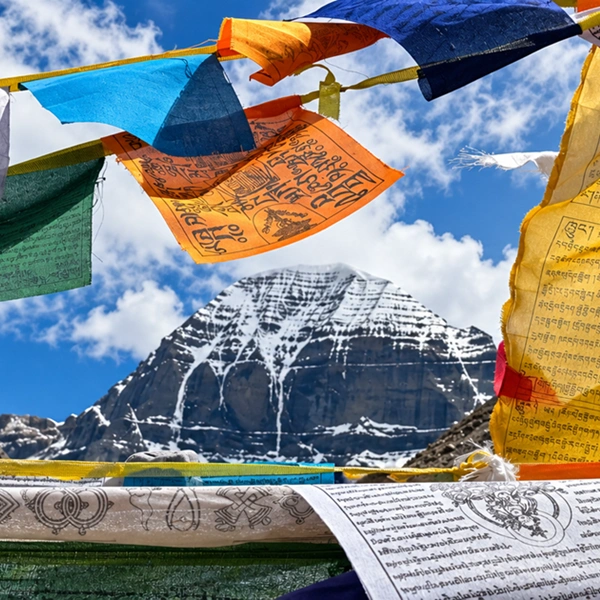
The atmosphere at Lumbini is profoundly quiet. Monks from across Asia visit in continuous pilgrimage. Butter lamps burn at all hours. Prayer flags flutter between ancient trees. For many of our guests, Lumbini is the most contemplative single location on their entire Nepal trip.
The Monastic Zones
Surrounding the sacred garden, Buddhist nations from across Asia have built monasteries in their national architectural styles — Thai, Myanmar, Chinese, Korean, Japanese, German, French, Cambodian, and more. The eastern monastic zone (Theravada) and western monastic zone (Mahayana) create a remarkable architectural survey of global Buddhist traditions in a single walkable area.
We recommend a full day at Lumbini, arriving in the morning, spending time at the sacred garden through midday, and visiting the monastic zones in the afternoon by bicycle or electric buggy (the site is very spread out). Lumbini pairs naturally with Chitwan National Park — the two are approximately three hours apart by road.
Pokhara Beyond the Mountains
Pokhara is primarily known as the gateway to the Annapurna trek. But the city itself has cultural depth that most trekkers overlook entirely because they arrive, spend one night at a lakeside hotel, and fly to a trailhead the next morning.
The World Peace Pagoda, built by Japanese monks, sits on a forested ridge above Phewa Lake and offers one of the most spectacular views of the Annapurna range in the country. The Seti River Gorge cuts directly through the center of town — a hidden canyon visible from several bridges where the white-water river roars through a crevasse so narrow you could almost jump across it. The International Mountain Museum traces the full history of Himalayan mountaineering with original equipment, photographs, and summit relics.
Pokhara’s lakeside strip has evolved into a vibrant cultural zone with galleries, live music venues, and restaurants serving both Nepali and international cuisine. The old city (Pokhara Bazaar) retains its traditional character with Newari-style architecture and morning fish markets along the lake.
For luxury cultural travelers, Pokhara works best as a 2-3 day pause between Kathmandu’s intensity and a wildlife safari or trekking extension. The pace is slower. The air is cleaner. The Annapurna views from properties like Tiger Mountain Pokhara Lodge or Pavilions Himalayas are reason enough.
Newari Heritage Cuisine
Newari food is the indigenous cuisine of the Kathmandu Valley and one of the most complex traditional cuisines in South Asia. It is sharply different from the dal bhat (lentils and rice) that defines standard Nepali cooking.
What Newari Cuisine Looks Like
A full Newari samay baji (ceremonial feast plate) includes beaten rice (chiura), marinated buffalo meat (choila), spiced lentil patties (bara or wo), boiled egg, black soybeans (bhatmas sadeko), pickled radish, wild mushroom curry, fried fish, fermented vegetable relish (gundruk), and achar (spiced condiments). The plate is traditionally served on a brass tray and eaten with the hands.
Juju dhau, the king curd of Bhaktapur, is arguably the most famous single food item in the valley — a thick, sweetened yogurt set in traditional clay pots that is genuinely unavailable in the same quality outside Bhaktapur itself. Yomari — steamed rice-flour dumplings stuffed with chaku (molasses) or khuwa (reduced milk) — are the festive sweet of the Newar community, traditionally eaten during the December Yomari Punhi festival.
Where to Experience Newari Cuisine
We arrange heritage Newari dining experiences through several channels. Private meals at restored Newari homes in Patan’s bahal courtyards, with traditional cooking demonstrations and multi-course samay baji presentation. Lunch at Bhojan Griha in Kathmandu — a 150-year-old restored Rana-era house that serves a 22-course Newari tasting menu with cultural performance. Juju dhau tasting in Bhaktapur directly from the potter-turned-curd-maker families in the lanes behind Durbar Square.
For guests staying at Dwarika’s Hotel, the property’s Krishnarpan Restaurant serves a formal 6- to 22-course Nepali tasting menu featuring traditional Newari and broader Nepali dishes, accompanied by a cultural explanation of each course.
“In October 2025, we hosted Richard and Theresa Chambers from Edinburgh on a 12-day Nepal cultural tour. Richard, a retired art history professor, had visited cathedrals and museums across Europe for decades but had never been to South Asia. On their second morning, standing in the courtyard of Patan’s Golden Temple while monks conducted morning puja, he told Theresa: ‘I have spent forty years studying how cultures express the sacred. This courtyard is as refined as anything in Florence.’ He spent three more hours in the Patan Museum that afternoon. They extended their trip by two days.”
Where to Stay: Luxury Hotels as Cultural Experiences
In Nepal, several luxury properties are themselves significant cultural artifacts — not just places to sleep, but places that contribute to the trip's heritage experience.
Dwarika’s Hotel, Kathmandu
Dwarika’s is not just the finest heritage hotel in Nepal — it is one of the most important cultural preservation projects in the country. The property was founded by Dwarika Das Shrestha, who spent decades rescuing carved wooden architectural elements (windows, doors, pillars, struts) from demolished medieval Newari buildings across the valley. These salvaged pieces were incorporated into the hotel’s construction, making the building itself a museum of Newari woodcarving.
The result is a hotel that feels like stepping into a 16th-century Newari palace with 21st-century amenities. Hand-carved wooden window frames. Original terracotta tile floors. Stone courtyards with water features. The Pancha Kosha Himalayan Spa offers treatments based on Ayurvedic and Tibetan medicine principles. For cultural travelers, Dwarika’s is our default Kathmandu recommendation because staying in the building is a cultural experience in itself.
Baber Mahal Vilas, Kathmandu
A restored 19th-century Rana palace in the Baber Mahal neighborhood. The property blends Rana-era architecture — neoclassical columns, stucco ornamentation, European-influenced garden design — with modern boutique interiors. The location, within walking distance of Kathmandu Durbar Square, makes it a strong base for culturally focused itineraries.
The Nanee, Kathmandu
A newer addition to the Kathmandu luxury landscape. The Nanee is a small boutique property in Durbarmarg with contemporary design, curated art, and a strong culinary program. It works well for travelers who want luxury-forward aesthetics alongside the heritage circuit rather than heritage-forward aesthetics at their hotel.
Tiger Mountain Pokhara Lodge
Perched at 1,650 meters above Pokhara with direct views across Phewa Lake to the full Annapurna range. The property’s stone-and-slate construction is designed to integrate with the hillside, and the dining program uses organic produce from the lodge’s own farm. For a cultural itinerary that includes a Pokhara leg, Tiger Mountain is the natural choice.
A Sample 10-Day Luxury Cultural Tour
This is the itinerary framework we most commonly build for cultural travelers who want Nepal’s heritage at depth without trekking. Adjust based on interests, fitness, and seasonal window.
|
Days
|
Program
|
Stay
|
|
1–2
|
Kathmandu — Kathmandu Durbar Square, Kumari visit, Swayambhunath sunrise, Thamel walking tour
|
Dwarika’s Hotel
|
|
3
|
Patan — Durbar Square, Patan Museum, Golden Temple, bronze workshop visit
|
Dwarika’s Hotel
|
|
4
|
Bhaktapur & Changu Narayan — full day in the medieval city, Pottery Square, Peacock Window, juju dhau, Changu Narayan temple
|
Dwarika’s Hotel
|
|
5
|
Boudhanath & Pashupatinath — morning stupa circumambulation, thangka workshop, afternoon Pashupatinath temple, and dusk aarti ceremony
|
Dwarika’s Hotel
|
|
6
|
Fly to Pokhara — afternoon World Peace Pagoda, Seti Gorge, lakeside
|
Tiger Mountain Pokhara Lodge
|
|
7
|
Pokhara — Sarangkot sunrise, International Mountain Museum, old bazaar, optional short hike to Australian Camp viewpoint
|
Tiger Mountain Pokhara Lodge
|
|
8
|
Drive to Lumbini (5 hours) — afternoon arrival, sacred garden, Ashoka Pillar, Mayadevi Temple
|
Lumbini Garden New Crystal Hotel or Buddha Maya Garden Hotel
|
|
9
|
Lumbini — monastic zone exploration by bicycle, meditation at the sacred Bodhi tree, museum visit
|
Lumbini property
|
|
10
|
Fly Bhairahawa to Kathmandu — final shopping, Newari farewell dinner at Bhojan Griha or Krishnarpan, departure
|
Dwarika’s Hotel or airport transfer
|
This itinerary is a template. We commonly extend it by 2-3 days to include Chitwan National Park for a wildlife safari (geographically between Pokhara and Lumbini). For travelers coming from or going to Bhutan, we insert the Kathmandu-Paro flight after Day 5 or Day 10. For guests interested in Nagarkot or Dhulikhel (mountain-view hill towns above the valley), we add a night between Bhaktapur and Pokhara. Festival-focused cultural tours restructure around Dashain, Tihar, or Holi dates.
How We Design Cultural Tours at Alpine Luxury Treks
Every cultural tour we build starts with a simple question: what draws you to Nepal beyond the mountains?
Some guests come for the art and architecture — the metalwork of Patan, the woodcarving of Bhaktapur, the stone sculpture of Changu Narayan. We pair them with guides who hold art-history credentials and can explain Tantric iconographic symbolism, Licchavi stone-carving techniques, and why the Krishna Mandir in Patan was built in the shikhara style when every other temple in the valley is a pagoda.
Some guests come for the religious heritage — Boudhanath’s Tibetan Buddhist community, Pashupatinath’s Hindu cremation rituals, Lumbini’s Buddhist pilgrimage. We match them with guides whose personal spiritual practice adds genuine interpretive depth.
Some guests come for the food — Newari heritage cuisine, the farm-to-table experiments at Dwarika’s Krishnarpan, the street food culture that pulses through every neighborhood market. We build culinary walking tours, cooking classes, and heritage dining experiences into the itinerary.
And some guests — the ones who often enjoy the trip most — simply come because someone told them Nepal is more than mountains. These are the guests who tend to extend their trips mid-visit, because the cultural density of the Kathmandu Valley keeps revealing new layers.
“In November 2024, we hosted Yuki and Takeshi Murakami from Kyoto — Yuki is a ceramicist, Takeshi a retired university librarian — on an 8-day Nepal cultural tour. They had no interest in trekking. On Day 3, Yuki spent two hours sitting on the ground in Bhaktapur’s Pottery Square watching a Newari potter shape clay vessels on a traditional foot-kicked wheel. She asked our guide to translate a conversation with the potter about the clay sourcing and kiln temperatures. When they left, Yuki told Takeshi: ‘His technique predates anything in Kyoto’s pottery tradition by at least three centuries. I will be thinking about this for years.’ They are returning in October 2026 for a combined cultural and Dashain festival trip.”
Frequently Asked Questions
What is a luxury cultural tour in Nepal?
A luxury cultural tour focuses on Nepal’s heritage rather than trekking or adventure. You visit the Kathmandu Valley’s UNESCO World Heritage Sites, explore medieval Newari cities, experience Buddhist and Hindu pilgrimage traditions, and stay in heritage luxury hotels that are themselves cultural artifacts. You travel with specialist cultural guides, often with backgrounds in art history or religious studies. The pace is unhurried, and the focus is on interpretation and depth rather than distance covered.
How many days do I need for a cultural tour of Nepal?
Seven to ten days is the sweet spot for a culture-focused trip. This covers the four Kathmandu Valley Durbar Squares, the major Buddhist and Hindu sites, and either a Pokhara extension or a pilgrimage to Lumbini. Adding Chitwan National Park for a wildlife safari extends the trip to 12-14 days. A cultural tour combined with Bhutan typically lasts 14-21 days.
Do I need to trek on a trip to Nepal?
No. A substantial percentage of our luxury travelers visit Nepal exclusively for the cultural heritage without any trekking component. The Kathmandu Valley’s seven UNESCO World Heritage Sites, Lumbini’s Buddhist pilgrimage, Pokhara’s mountain views, and Chitwan’s wildlife safari provide a full 10-14-day luxury itinerary without going above 1,650 meters in altitude. Trekking is optional, not essential.
What is the best time for a cultural tour of Nepal?
October through early December and March through May. These windows provide stable weather, comfortable temperatures in the Kathmandu Valley (15-25°C during the day), and alignment with major festivals (Dashain and Tihar in October-November; Holi in March). Winter (December-February) works well for cultural-only itineraries — cold mornings, clear skies, and uncrowded sites. Monsoon (June-August) is not recommended for most cultural travelers due to rain and reduced visibility.
Where should I stay for a cultural tour of Nepal?
Dwarika’s Hotel in Kathmandu is our default recommendation for heritage-focused travelers — the building incorporates rescued medieval Newari woodcarvings and is itself a cultural experience. Baber Mahal Vilas (restored Rana palace) and The Nanee (contemporary boutique) are strong alternatives. Tiger Mountain Pokhara Lodge is the natural choice in Pokhara. Lumbini’s hotel options are more modest but adequate for a 1-2 night stay.
Is Nepal safe for cultural tourists?
Yes. Nepal is broadly safe for international travelers, particularly those traveling with licensed guides and established operators. Petty theft (pickpocketing in crowded areas like Thamel and Durbar Squares) is the main concern. Our guides manage logistics, route planning, and crowd navigation. We recommend standard travel precautions: secure your valuables, keep passport copies separate from originals, and carry a money belt in crowded sites. Nepal has no recent history of terrorism or political violence targeting tourists.
What is Newari cuisine, and where can I try it?
Newari cuisine is the indigenous food tradition of the Kathmandu Valley — sharply different from standard dal bhat. A full samay baji feast plate includes beaten rice (chiura), marinated buffalo meat (choila), lentil patties (bara), black soybeans, pickled vegetables, and multiple condiments. Juju dhau (king curd from Bhaktapur) is the most famous single dish. We arrange heritage Newari dining at Bhojan Griha (a 150-year-old restored Rana house), Krishnarpan at Dwarika’s Hotel (6-to-22-course tasting menu), and private samay baji meals in restored Newari homes in Patan.
Can I combine a cultural tour with a trip to Bhutan?
Yes, and this is one of our most popular combination frameworks. The flight from Kathmandu to Paro is 45-75 minutes. A typical combination runs 14-21 days: 7-10 days of Nepal cultural depth followed by 7-10 days in Bhutan. The two countries offer radically different cultural experiences that complement rather than overlap. We cover this in detail in our dedicated Nepal-and-Bhutan combination guide.
What happened to Nepal’s heritage sites in the 2015 earthquake?
The April 2015 earthquake caused significant damage to several UNESCO sites, particularly in Kathmandu Durbar Square and Bhaktapur. Many structures have since been rebuilt or are currently being restored using traditional construction techniques. Patan Durbar Square and Boudhanath sustained less damage and are fully intact. Some buildings in Kathmandu Durbar Square remain under scaffolding, but the square is fully accessible, and the active reconstruction is itself culturally interesting — traditional masons using ancient techniques alongside modern earthquake-resistant reinforcement.
How far in advance should I book a cultural tour?
Six to nine months ahead for peak autumn (October-November) and spring (March-April) travel. Three to six months for winter and shoulder seasons. If your trip overlaps with Dashain, Tihar, or Holi, standard peak-season timelines apply. Luxury properties like Dwarika’s book out faster than standard hotels during peak weeks, so earlier booking gives you more room selection flexibility.
The Final Word
Nepal’s mountains are extraordinary. Everyone knows this. What fewer travelers know — and what our cultural tour guests discover — is that the Kathmandu Valley below those mountains contains one of the richest living heritage sites in Asia. The metalwork of Patan. The woodcarving of Bhaktapur. The continuous religious practice at Boudhanath and Pashupatinath. The birth site of the historical Buddha at Lumbini. The medieval streets where potters, bronze casters, and thangka painters still work exactly as their ancestors did.
This heritage does not require a trek to reach. It does not require altitude acclimatization. It does not require a specific fitness level. It requires time, attention, and a guide who can translate what you are seeing into something you understand. That is what a luxury cultural tour delivers.
Tell us what draws you to Nepal. We will build a cultural tour that matches your interests, select the right guide to suit your curiosity, book the right heritage properties, and leave you to discover what many of our guests describe as the most unexpected part of their Nepal experience: the culture is more extraordinary than the mountains.
Planning a cultural tour of Nepal?
Tell us your interests and your travel window. We will design a heritage-focused itinerary with the right guides, properties, and pace — whether in the Kathmandu Valley, Lumbini, Pokhara, or all three.