Maha Shivaratri at Pashupatinath: The Great Night of Shiva
Most Hindu festivals happen during daylight. Maha Shivaratri happens in darkness. It is observed on the fourteenth day of the waning moon, the darkest night of the month. The timing is deliberate. In Shaivite theology, darkness is not evil. It is the primordial condition from which the devotee must awaken. The festival is a technology for awakening: fasting, sleep deprivation, continuous mantra chanting, and the physical subjugation of the body to make the mind receptive to the divine.
The festival exists across the entire Hindu world — over 300 million Shaivites observe it globally. But its epicenter is Pashupatinath in Kathmandu. The temple’s combination of Vedic priestly authority, mass Sadhu congregation, open-air cremation, and state-level military ceremony makes it the most concentrated, complex, and visually overwhelming Shivaratri observance on earth.
At Alpine Luxury Treks, we arrange guided access to Pashupatinath for Maha Shivaratri each February. The experience requires preparation, cultural sensitivity, and genuine physical endurance. This guide covers everything you need to know.
In This Guide
- The mythology: poison, marriage, and the cosmic dance
- Pashupatinath Temple: the 246-hectare sacred complex
- The four prahars: the architecture of the night
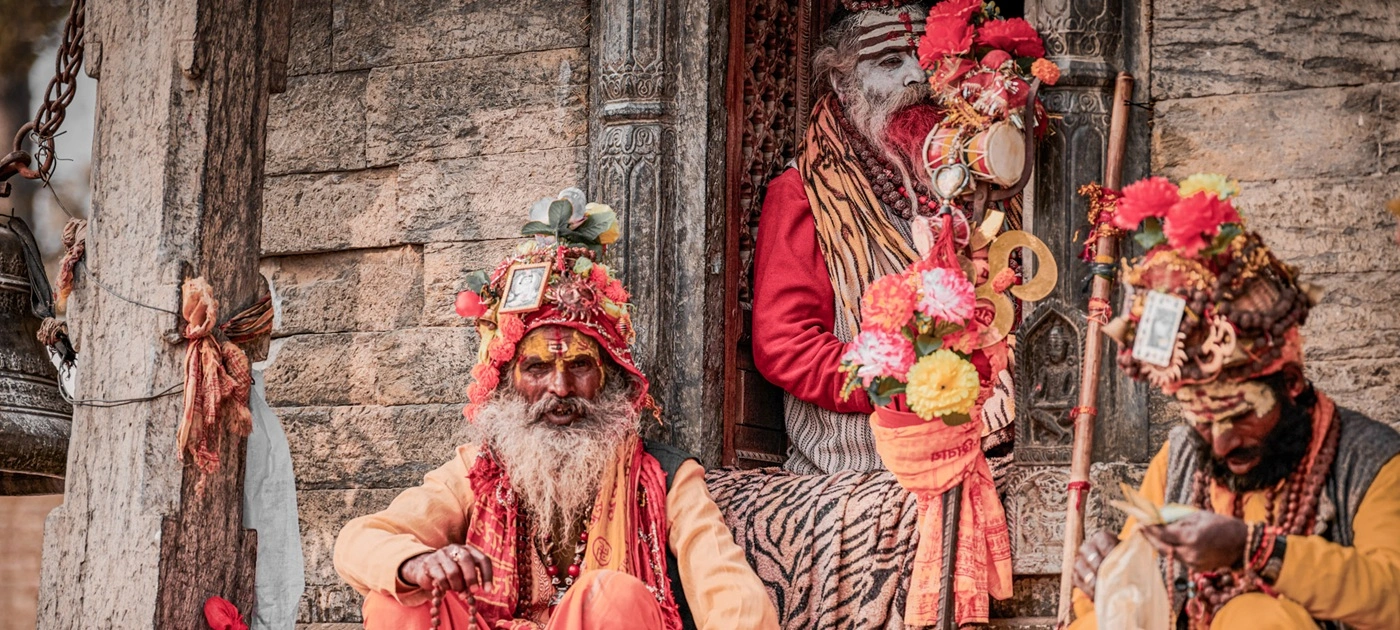
- The 4,000 Sadhus: ash, fire, and cannabis
- The Sadhu Bidai: the state farewell
- Nepal Army Day: militarism meets mysticism
- Gosaikunda Lake: the frozen alpine pilgrimage
- Community bonfires and the psytrance phenomenon
- How to experience Shivaratri as a visitor
- Frequently asked questions
The Mythology: Poison, Marriage, and the Cosmic Dance
Maha Shivaratri draws from three intersecting mythological streams, each explaining a different dimension of Shiva’s character.
The Halahala: Shiva Saves the Universe by Drinking Poison
During the churning of the cosmic ocean (Samudra Manthana), gods and demons working together to extract the nectar of immortality accidentally released a lethal poison — halahala — that threatened to destroy the universe. Shiva stepped forward and consumed it. Rather than swallowing the poison (which would have destroyed him) or spitting it out (which would have destroyed the earth), he held it suspended in his throat. The toxin burned his throat permanently blue, earning him the name Nilakantha — the blue-throated one.
The myth establishes Shiva as the ultimate altruist: someone who absorbs the world’s poison so others can live. Shivaratri devotees fast, meditate, and pour cooling liquids over the Shiva Lingam as a symbolic act of soothing the heat still burning in the god’s throat.
The Divine Marriage: Consciousness Meets Energy
Shivaratri is also the anniversary of the cosmic marriage between Shiva and Parvati. In Hindu metaphysics, Shiva is unmanifest, pure, static consciousness. Parvati is dynamic, creative material energy. Their union is the convergence of the two forces required for reality to exist. For devotees, celebrating the marriage is an acknowledgment that pure withdrawal (Shiva’s default state) and active engagement with the world (necessitated by Parvati) must coexist.
The Tandava: The Dance That Destroys and Creates
Shiva as Nataraja — Lord of the Dance — performs the Tandava, a fierce cosmic dance that simultaneously creates, preserves, and destroys the universe. The continuous chanting, bell-ringing, and drumming during Shivaratri are not passive worship. They are the mortal chorus joining Shiva’s celestial rhythm. The philosophy: destruction of the old (ego, attachment) creates the void necessary for the new (enlightenment).
Pashupatinath Temple: The 246-Hectare Sacred Complex
Pashupatinath is not a single temple. It is a 246-hectare complex of 518 temples, ashrams, and monuments along the banks of the Bagmati River. UNESCO designated it a World Heritage Site in 1979. It is the most important Shiva temple in Nepal and one of the most important in the world.
The name “Pashupati” means “Lord of all beings” or “Lord of the animals.” The founding legend: Shiva, exhausted by his cosmic duties, took the form of a golden deer and hid in the forests along the Bagmati. When the other gods found him and attempted to drag him back, a struggle ensued. One of his golden antlers broke off and fell into the earth. It was later discovered as the Lingam that forms the temple’s sanctum.
The Bagmati’s ghats serve as Kathmandu’s primary open-air cremation site. The theological belief: souls cremated here achieve instant moksha, permanently exiting the cycle of rebirth. During Shivaratri, the cremation fires and the devotional fires burn simultaneously along the same riverbank. Life and death occupy the same geography.
The Bhatta-Rajbhandari Priestly Hierarchy
Pashupatinath’s priesthood is unique in the Hindu world. The core priests are not local. Four Bhatta Brahmins — Vedic scholars from Karnataka, India — hold exclusive authority to enter the inner sanctum and touch the Shiva Lingam. They are selected through rigorous examinations of Vedic and Agamic knowledge. The current head priest, Ganesha Bhatta, is the fifteenth head priest from Udupi.
Supporting them are 108 Rajbhandaris — local Newar caretakers from Devpatan who maintain the temple, manage devotee offerings, and operate in rotating shifts. The Rajbhandaris cannot touch the Lingam or perform the core puja independently. The system combines non-local Vedic orthodoxy with deeply rooted local institutional knowledge. Neither side can function without the other.
The Four Prahars: The Architecture of the Night
The night is divided into four three-hour phases (prahars). Each phase escalates the intensity of worship from initial invocation through a midnight apex to exhausted dawn reflection.
|
Phase
|
What Happens
|
|
6–9 PM
|
Invocation. Devotees take purifying dips in the freezing Bagmati. Bhatta priests light hundreds of oil lamps and perform the initial abhishekam — bathing the Lingam in milk, ghee, and water. Pashupat Stotra and Om Namah Shivaya were chanted continuously.
|
|
9 PM–12 AM
|
Meditation. Atmosphere shifts inward. Ghee, milk, and honey were poured over the Lingam. Chanting shifts to the Rudram (Vedic hymn invoking Shiva’s grace) and the Maha Mrityunjaya Mantra (protection from untimely death). Devotees outside sit in silent meditation or sing kirtans to fight sleep.
|
|
12–3 AM
|
The apex. The darkest hour. Shiva’s presence is believed to be at maximum concentration. The most intensive abhishekam of the night. Thousands of diyas lit simultaneously — blinding illumination representing the total destruction of spiritual darkness. Priests chant the Shiva Tandav Stotra. Lotus flowers offered.
|
|
3–6 AM
|
Dawn reflection. Exhausted tranquility. Silent repentance. Solidification of vows. Final abhishekam with ghee, flowers, and Himalayan herbs. Shiva Lingam adorned with fresh garlands. Temple bells ring at first sunlight. The vigil is complete.
|
The structure is not arbitrary. It is a calibrated escalation designed to push the human body and mind through stages of sensory withdrawal, rhythmic entrancement, and psychological breakthrough. Sleep deprivation combined with continuous Sanskrit chanting genuinely alters consciousness. Practitioners report experiences they describe as mystical. Whether or not you share the theology, the psychophysiological process is real and observable.
The 4,000 Sadhus: Ash, Fire, and Cannabis
Weeks before Shivaratri, over 4,000 Sadhus abandon their isolation — Himalayan caves, Indian plains, cremation grounds — and converge on Pashupatinath. They establish temporary dhunis (sacred fire camps) throughout the temple grounds and the adjacent Mrigasthali forest. These fires serve as warmth, cooking hearths, and ritual altars simultaneously.
What You Will See
Naga Babas — naked ascetics, their bodies covered entirely in pale grey ash harvested from the cremation pyres along the Bagmati. The ash is a physical reminder of mortality. Aghori Babas — members of an esoteric, feared sect who deliberately violate Hindu purity taboos as a spiritual practice, living on cremation grounds and embracing the grotesque to prove that Shiva’s consciousness inhabits the beautiful and the horrific equally.
The ritual smoking of cannabis is a visible and controversial element. While cannabis is restricted under Nepali law, enforcement is suspended within the temple precinct during Shivaratri. The Sadhus consume it as a religious sacrament — a tool for inducing the trance-like meditative states associated with Shiva’s own mythological propensity for cosmic intoxication.
The Sadhu Bidai: The State Farewell
Despite having renounced civil society, the Sadhus are formally integrated by the Nepali state through a centuries-old tradition called the Sadhu Bidai (Farewell of the Saints). Initiated in approximately 1774 CE, the system is managed by the Guthi Sansthan and the Pashupati Area Development Trust.
Upon arrival, each Sadhu is categorized into one of five theological grades — Lalmohariya, Mahantha, Bhesdhari, Sanyasi, or Digambara (Naga Baba) — and issued a color-coded identification card (red, blue, white, yellow, or green). During the formal farewell, which is funded by a state budget of approximately NPR 3 million, the Sadhus receive financial stipends ranging from Rs. 200 to Rs. 9,000, depending on their card color and rank. They also receive Rudraksha garlands from state officials. The naked Naga Babas and those traveling from deep within India receive the highest stipends to cover border-crossing logistics.
The state’s institutionalization of radical asceticism is one of the most extraordinary features of Nepali governance. The government systematically accommodates, categorizes, and financially supports the very individuals who have formally rejected the existence of government.
Nepal Army Day: When the Military Celebrates Shiva
Since 1991, Nepal Army Day has been formally synchronized with Maha Shivaratri. The alignment is not coincidental. In Vedic theology, Shiva is the ultimate guarantor of cosmic peace — the exact objective of a military force.
The ceremony takes place at the Army Pavilion in Tundikhel, central Kathmandu. The President (who serves as Supreme Commander), the Prime Minister, the Chief Justice, and the diplomatic heads attend. The display includes running rifle salutes, artillery fire, synchronized parades, weapons displays, helicopter flyovers with ‘Sena Diwas’ banners, and paratrooper free-fall competitions. International military bands from India, the UK, and the US perform.
Following the martial displays, the President travels directly to Pashupatinath to offer personal prayers — physically embodying the unification of the state’s military authority with its ancient spiritual heritage. The transition from cannon fire at Tundikhel to temple bells at Pashupatinath takes about twenty minutes by motorcade. For visitors, witnessing both on the same day is a genuinely surreal experience.
Gosaikunda Lake: The Frozen Alpine Pilgrimage
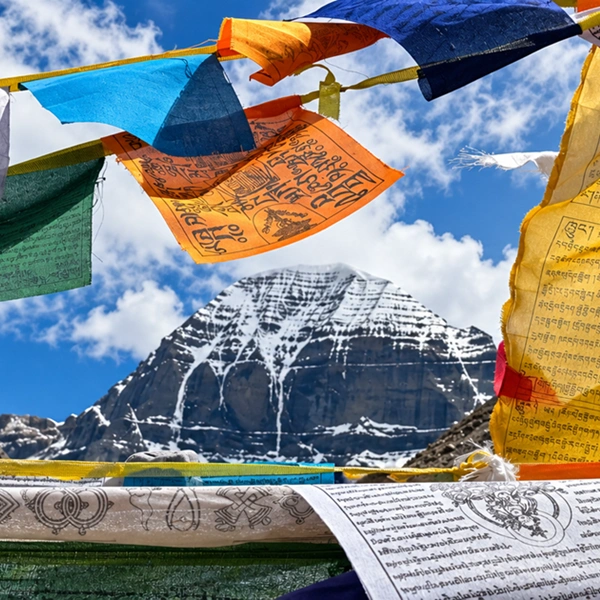
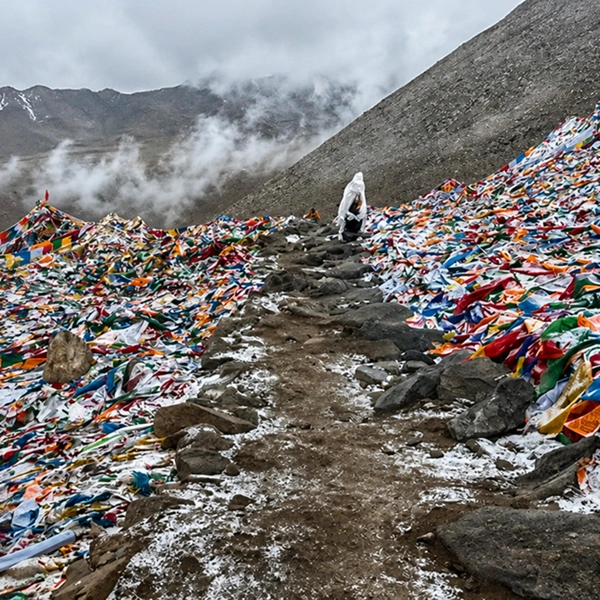
The mythology of Shivaratri extends far beyond the temple. After consuming the halahala poison, Shiva — burning from the toxin in his throat — fled into the frozen Himalayas. He struck a mountainside with his trident. From the three fissures, glacial water erupted, pooling to create Gosaikunda and the surrounding 108 alpine lakes at 4,380 meters in the Langtang National Park.
The lake is 120 kilometers north of Kathmandu, requiring a 6-8-hour drive followed by a 2-3-day vertical trek. It remains frozen from October to June. Devotees believe a holy dip in the lake — or using water sourced from it during Shivaratri pujas — washes away a lifetime of karmic debt and facilitates the liberation of ancestral spirits.
While the physical pilgrimage to Gosaikunda peaks during the Janai Purnima festival in summer is directly tied to this frozen alpine landscape, the mythological narratives recited during Shivaratri’s darkest hours at Pashupatinath are also directly tied to this frozen alpine landscape. The poison, the trident, the freezing water, the blue throat — the story that sustains the all-night vigil at 1,400 meters in Kathmandu is geographically rooted at 4,380 meters in the high Himalayas.
Community Bonfires and the Psytrance Phenomenon
Beyond the temple, the entire Kathmandu Valley transforms on Shivaratri night. Massive bonfires are lit in neighborhood alleyways, street corners, and public squares. Practically, they provide warmth against the freezing February temperatures. Symbolically, they represent the burning of spiritual ignorance. Families, neighbors, and friends gather around the fires for conversation, food, and the fight against sleep.
In recent years, an unexpected parallel tradition has emerged. Events like the “Sacred Grooves” festival in the Mrigasthali woods near Pashupatinath attract urban youth, international travelers, and electronic music producers. These open-air psytrance festivals operate under the theological premise that Shiva is the ultimate god of dance and trance. DJs blend high-BPM electronic music (Darkpsy, Forest, Hi-Tech) with looping Vedic mantras, attempting to replicate the ancient psychological technology of the Tandava through modern sound systems.
The connection to the traditional festival is not cynical. Charitable contributions from the electronic events are funneled to the Gorakhnath Math and other traditional temples to support the Sadhus. The core archetype — ego-death through overwhelming rhythmic experience — is shared between the mantra-chanting ascetic at his dhuni fire and the 22-year-old dancing to 150 BPM in the adjacent forest. They are pursuing the same state through different technologies.
How to Experience Maha Shivaratri as a Visitor
The Essential Hours
If you attend only one phase, the third prahar (midnight to 3 AM) is the apex. The Lingam abhishekam reaches its peak intensity. Thousands of diyas are lit simultaneously. The Shiva Tandav Stotra fills the complex. The Sadhus at their dhunis are most active and most visually striking during these hours.
For the complete experience, arrive at 5 PM (before the first prahar), stay through the midnight apex, and depart at dawn when the temple bells ring. This is a 13-hour commitment that requires genuine physical endurance — cold, crowd density, no sleep, limited food if you are fasting. We provide blankets, hot drinks, and a guide who manages the logistics so you can focus on the experience.
Where to Position Yourself
The Bhatta priests’ rituals occur inside the inner sanctum, which is restricted to Hindus. International visitors can observe from the outer courtyards and the surrounding temple platforms. The Sadhu camps in the Mrigasthali forest and along the Bagmati ghats are fully accessible and are where most of the visual spectacle for visitors occurs. The cremation ghats are visible from the opposite bank and should be observed in silence.
Etiquette
Dress modestly — shoulders and knees covered. Remove shoes at all temple thresholds. Photography of willing Sadhus is generally welcomed (many expect a small offering of Rs. 50-100). Photography near the cremation ghats and the inner sanctum is strictly prohibited. Do not touch the Sadhus’ ritual implements or sacred fires. Carry your own water — the crowd density makes it difficult to find vendors during peak hours. We provide a cultural briefing before every Shivaratri visit.
“In February 2025, we took Catherine and Michael Aldridge from Oxford to Maha Shivaratri at Pashupatinath. Catherine, a retired palliative care physician, had spent her career working with death. She watched the cremation fires on the Bagmati ghats burning at the same time as the devotional fires in the Sadhu camps fifty metres away. At 1 AM, during the third prahar, she stood in the outer courtyard as the Bhatta priests lit thousands of diyas inside the sanctum and the Shiva Tandav Stotra echoed across the complex. She told Michael: ‘I have sat with hundreds of people as they died. I have never seen a culture that puts the fire of death and the fire of prayer in the same place, on the same night, and treats them as the same fire. This is the most honest thing I have ever witnessed.’”
If your Shivaratri visit falls on a year when the military ceremony at Tundikhel is accessible, we arrange a morning visit to the Army Day parade (artillery salutes, paratrooper displays, international military bands) followed by an afternoon transfer to Pashupatinath for the evening vigil. The transition from cannon fire to temple bells — from the state’s military assertion to its spiritual submission — is one of the most remarkable juxtapositions available in any single day of travel anywhere.
Frequently Asked Questions
When is Maha Shivaratri in 2026?
Sunday, February 15, 2026. The festival follows the Hindu lunar calendar and falls on the fourteenth day of the waning moon (Krishna Paksha Chaturdashi) in the month of Phalguna. The vigil runs from sunset on February 15 through sunrise on February 16.
What is Pashupatinath Temple?
Pashupatinath is a 246-hectare UNESCO World Heritage Site along the Bagmati River in Kathmandu. It comprises 518 temples, ashrams, and monuments. The main pagoda-style temple is dedicated to Shiva as Pashupati (“Lord of all beings”). The Bagmati ghats serve as Kathmandu’s primary open-air cremation site. It is the most important Shiva temple in Nepal and the epicenter of Maha Shivaratri.
What are the four prahars?
The night vigil is divided into four three-hour phases (prahars). Phase 1 (6-9 PM): invocation and initial Lingam abhishekam. Phase 2 (9 PM-12 AM): deepening meditation, Rudram, and Maha Mrityunjaya Mantra chanting. Phase 3 (12-3 AM): the spiritual apex, maximum Shiva presence, most intensive abhishekam, thousands of diyas. Phase 4 (3-6 AM): exhausted reflection, final puja, dawn. The structure escalates from invocation through entrancement to awakening.
Can non-Hindus enter Pashupatinath during Shivaratri?
The inner sanctum (garbhagriha), where the Shiva Lingam resides, is restricted to Hindus. International visitors can access the outer courtyards, the surrounding temple platforms, the Sadhu camps in Mrigasthali forest, and the Bagmati ghats. The cremation ghats are visible from the opposite bank. The vast majority of the festival’s visual and atmospheric experience occurs outside the inner sanctum.
What are the Sadhus?
Sadhus are Hindu ascetics who have renounced all worldly possessions, family ties, and legal identity to pursue spiritual liberation (moksha). Over 4,000 converge on Pashupatinath for Shivaratri. They include Naga Babas (naked, ash-covered ascetics), Aghori Babas (esoteric practitioners who live on cremation grounds), and various categories of Sanyasi (wandering renunciates). They establish sacred fire camps (dhunis) throughout the temple grounds.
Is cannabis legal at Pashupatinath during Shivaratri?
Cannabis is restricted under Nepali law. However, law enforcement historically suspends enforcement within the temple precinct during Shivaratri. The Sadhus consume it as a religious sacrament — a traditional tool for inducing meditative trances associated with Shiva’s mythological practices. This tolerance applies specifically to the ascetic religious context, not to general public consumption.
What is the Sadhu Bidai?
The Sadhu Bidai (“Farewell of the Saints”) is a centuries-old state tradition, initiated around 1774 CE, managed by the Guthi Sansthan and the Pashupati Area Development Trust. Upon arrival, each Sadhu is categorized into one of five theological grades and issued a color-coded card. During the formal farewell, the state distributes financial stipends (Rs. 200 to Rs. 9,000 based on rank), Rudraksha garlands, and travel support. Total state budget: approximately NPR 3 million.
What is the connection between Shivaratri and Nepal Army Day?
Since 1991, Nepal Army Day has been formally synchronized with Maha Shivaratri. The ceremony at Tundikhel features military parades, artillery salutes, and paratrooper displays, attended by the President, the Prime Minister, and the diplomatic corps. After the military ceremony, the President travels directly to Pashupatinath to offer prayers — physically unifying the state’s martial authority with its spiritual heritage.
What should I bring to a Shivaratri vigil?
Warm layers — February nights in Kathmandu drop to 2-5°C. A blanket or sleeping bag if you plan to stay through all four prahars. Water and light snacks (if not fasting). Comfortable shoes for standing on stone surfaces for hours. Camera (but respect photography restrictions at cremation ghats and inner sanctum). We provide blankets, hot drinks, and cultural briefings for all guided visits.
How far in advance should I book?
Three to six months ahead. Shivaratri falls in mid-February, which is low season for trekking but high season for cultural and spiritual tourism. Luxury hotels in Kathmandu (Dwarika’s, Baber Mahal Vilas) book ahead for this week. We build February itineraries specifically around the Shivaratri date, often combining the vigil with Kathmandu Valley cultural touring and an optional Chitwan safari extension.
The Final Word
Maha Shivaratri at Pashupatinath is the most concentrated spiritual experience available in Nepal. 800,000 people. 4,000 ascetics. 518 temples. Four prahars of escalating worship from dusk to dawn. Cremation fires and prayer fires are burning on the same riverbank. An 83-year-old Sadhu covered in the ashes of the dead, sitting in freezing silence beside a sacred fire, smoking cannabis as a religious sacrament. The President of Nepal received a Rudraksha garland from a naked holy man after watching paratroopers jump out of helicopters that morning.
None of this is metaphorical. All of it happens on the same night, in the same 246-hectare complex, in the same city where your hotel serves you breakfast the next morning. If you want to see it, tell us your February dates. We will prepare you, guide you through it, and bring you home at dawn.
Planning a Maha Shivaratri visit?
Tell us your February dates. We will align your itinerary with the vigil, arrange guided access to the temple complex and Sadhu camps, and provide the cultural preparation this experience requires.