Route, Larkya La, and What to Expect
Why Manaslu
The solitude. 7,000 trekkers per year versus 50,000+ on Annapurna and 60,000+ on EBC. The restricted-area permit and the mandatory minimum group size act as natural filters. On many days, you see fewer than 10 other trekkers. On some days, none.
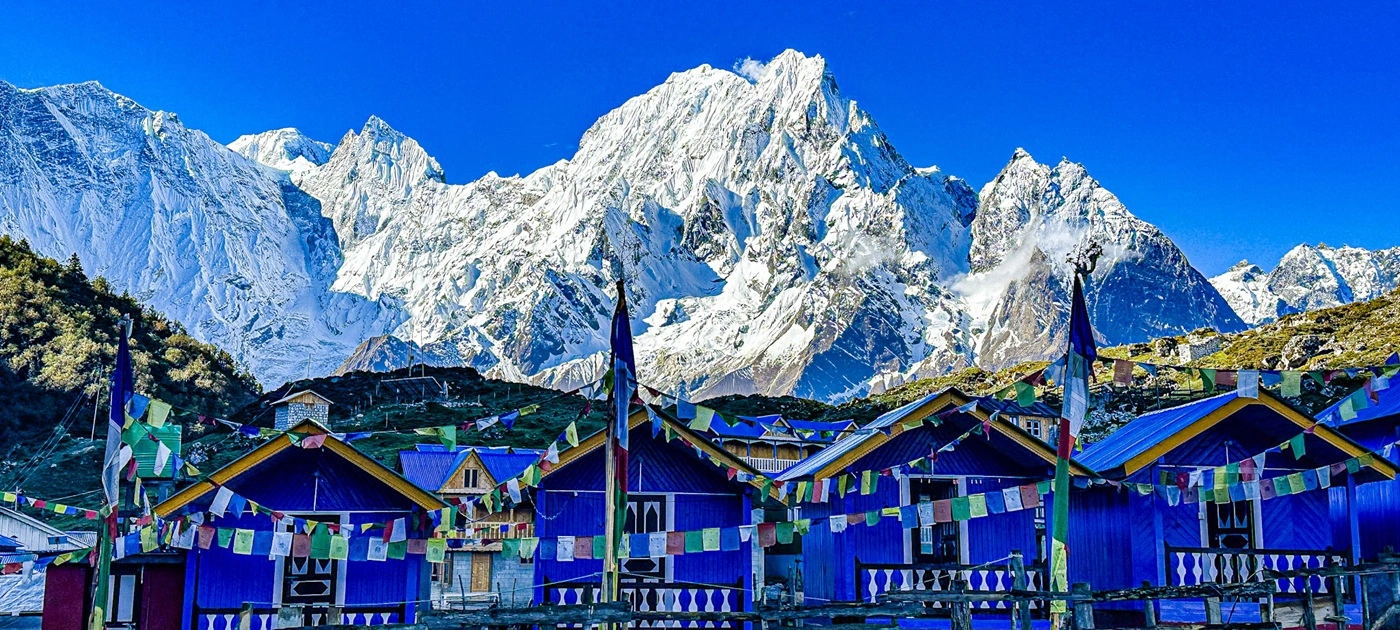
The mountain. Manaslu (8,163m) is the eighth-highest mountain on Earth. From the Larkya La, the north face fills the sky — a wall of ice and rock closer and more sustained than Everest from Kala Patthar or the Annapurna panorama from Poon Hill.
The cultural gradient. The circuit begins in Hindu lowland Nepal (Soti Khola, 700m) and ends in Tibetan Buddhist highland Nepal (Samdo, 3,860m). Over 14-18 days, you walk through the complete ecological and cultural transition of the Himalayas: subtropical forest, terraced paddies, bamboo, alpine meadows, glacial moraines, and high-altitude desert. The Nubri and Tsum valleys are ethnically Tibetan communities where the monastery is the social center and the language is a Tibetan dialect.
The challenge. The Larkya La (5,160m) involves a steep, icy pre-dawn ascent followed by a punishing 1,440 m scree descent. Harder than Annapurna, comparable to the Gokyo extension of EBC. Not for beginners.
The Route
|
Day
|
Route
|
Altitude
|
What Happens
|
|
1
|
KTM → Soti Khola
|
700m
|
7-8 hour drive. Subtropical: rice paddies, banana trees, waterfalls. The trailhead.
|
|
2-3
|
Soti Khola → Jagat
|
700 → 1,340m
|
Budhi Gandaki gorge. Narrow cliff trail. Suspension bridges. Subtropical to temperate forest. Hindu to mixed Hindu-Buddhist villages.
|
|
4-5
|
Jagat → Namrung
|
1,340 → 2,660m
|
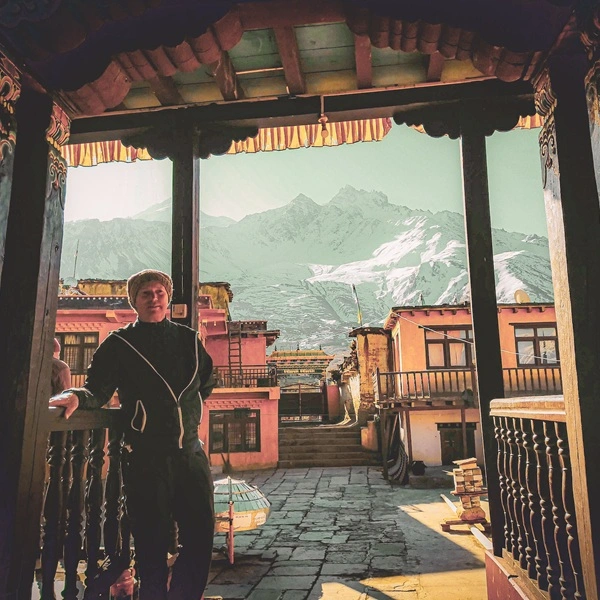
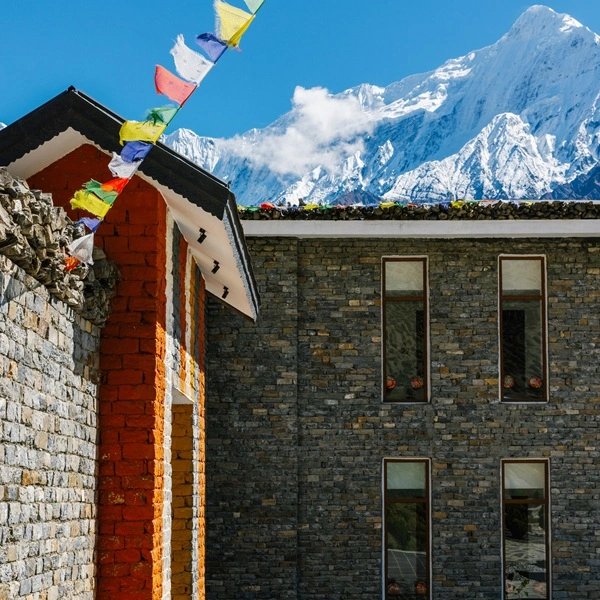
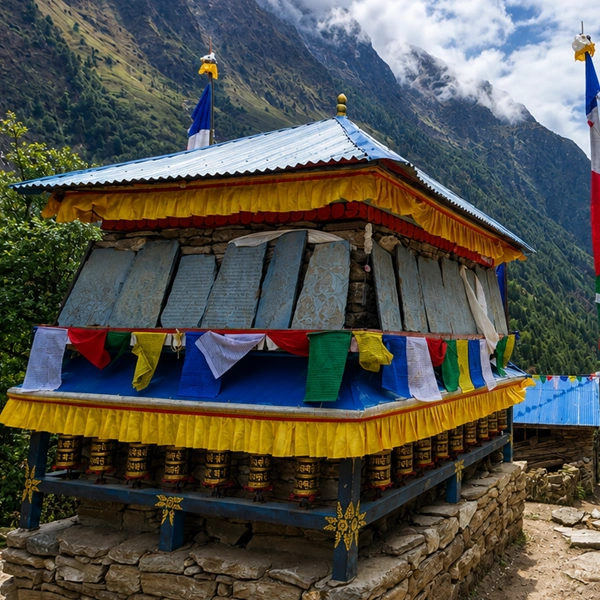
Cultural shift. Mani's walls appear. Prayer flags multiply. Architecture becomes Tibetan: flat roofs, stone, timber. Namrung: gateway to the Nubri Valley.
|
|
6-7
|
Namrung → Samagaon
|
2,660 → 3,530m
|
First Manaslu views. Samagaon: the largest village, monastery, and school. Pungyen Gompa has direct south-facing views. Acclimatization day.
|
|
8-9
|
Samagaon → Samdo
|
3,530 → 3,860m
|
Above treeline. Yak herds. Samdo: seasonal settlement near the Tibetan border. High-altitude desert. Second acclimatization day. Optional border hike.
|
|
10
|
Samdo → Dharamsala
|
3,860 → 4,460m
|
Short day. Dharamsala (Larkya Phedi): stone shelter. Cold. Windy. Early to bed. The cook team prepares hot food. Premium sleeping bags essential.
|
|
11
|
Dharamsala → Larkya La → Bimthang
|
4,460 → 5,160 → 3,720m
|
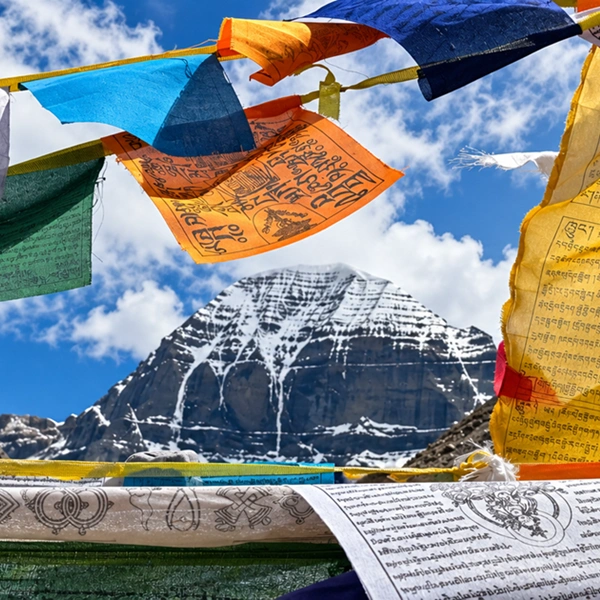
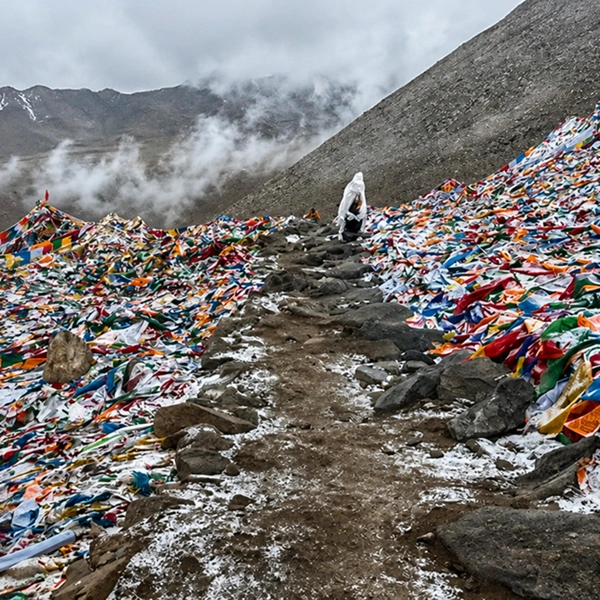
THE DAY. Depart 3:30 AM. -10 to -15°C. Steep icy ascent. Dawn on Manaslu's north face. Prayer flags at 5,160m. 1,440m scree descent to Bimthang. 8-10 hours.
|
|
12-13
|
Bimthang → Dharapani
|
3,720 → 1,860m
|
Descent through rhododendron forest. Annapurna appears to the west. Rejoin the Annapurna Circuit trail at Dharapani. Tibetan to Hindu.
|
|
14
|
Dharapani → KTM
|
1,860 → 1,400m
|
Drive to Besisahar, then KTM (9-10 hours). OR: helicopter Dharapani to KTM ($1,500-2,500). Helicopter strongly recommended.
|
THE LARKYA LA: WHAT IT FEELS LIKE
You leave at 3:30 AM. Headlamp on. -10°C. You climb a moraine ridge in darkness. After 2-3 hours, dawn breaks and Manaslu’s north face catches the first light. The prayer flags appear at 5,160 m. 360-degree panorama: Manaslu, Himlung, Cheo Himal, Annapurna II. The descent is 1,440m of scree and loose rock. Your knees absorb every meter. By the time you reach Bimthang, you have been walking 8-10 hours, and your body has processed the hardest day of trekking available in Nepal outside of mountaineering.
The Lodge Reality and What We Add
No luxury lodges on the Manaslu Circuit. Basic teahouses throughout. Stone shelter at Dharamsala. What we add: a dedicated cook team with fresh ingredients from Kathmandu. Premium sleeping bags rated to -20°C with silk liners. Insulated mats. Hot water bottles nightly. Portable hot water for washing. Down jackets and gloves. Daily pulse-oximeter monitoring.
Satellite phone. Emergency helicopter insurance (mandatory). At Dharamsala and Bimthang: optional luxury mobile tented camp — heated sleeping tents, toilet tent, dining marquee, full camp kitchen.
The luxury on Manaslu is not in the room. It is in the safety net, the food, and the pacing. Three hot meals daily. A bag rated for -20°C. A daypack, while the porter carries everything else. And a guide who monitors your blood oxygen twice daily and has the authority to call a helicopter if the numbers drop.
Manaslu vs EBC vs Annapurna
|
Factor
|
Manaslu
|
EBC
|
Annapurna
|
|
Duration
|
14-18 days
|
12-16 days
|
15-21 days
|
|
Max altitude
|
5,160m Larkya La
|
5,545m Kala Patthar
|
5,416m Thorong La
|
|
Annual trekkers
|
~7,000
|
~60,000
|
~50,000
|
|
Lodges
|
Basic teahouses only
|
MLN luxury to Namche
|
Ker & Downey lower
|
|
Mountain views
|
Closest 8,000m proximity
|
Everest: spectacular, distant
|
Panoramic, diffuse
|
|
Best for
|
Post-EBC/Annapurna solitude
|
First major Himalayan trek
|
Full circuit cultural variety
|
Nubri and Tsum Valleys
The Nubri Valley (main corridor above Namrung): ethnically Tibetan. Life revolves around the monastery, the yak herd, and the agricultural cycle. Pungyen Gompa above Samagaon: ancient murals, direct proximity to the Manaslu south face, unmatched in the Khumbu.
The Tsum Valley (a side valley near Chumchet) opened in 2008. Even more restricted. A living museum: active monasteries, stone mani walls stretching hundreds of meters, villages unchanged in centuries. Adds 4-5 days. Recommended for 18+ day itineraries seeking maximum cultural depth.
Permits and Cost
|
Item
|
Cost
|
Notes
|
|
Restricted Area Permit
|
$100/person/week (peak)
|
$75 off-peak. Min 2 travelers. The filter.
|
|
Conservation Permit
|
$30/person
|
Standard area entry.
|
|
TIMS
|
$20/person
|
Trekker registration.
|
|
Luxury enhanced teahouse (14 days)
|
$3,000-4,500/person
|
Guide, porters, cook team, premium gear, all meals, permits, monitoring, and evacuation insurance.
|
|
Luxury mobile camp (16 days)
|
$5,000-7,000/person
|
All above, plus heated tents, a toilet tent, a dining marquee, and a camp kitchen at high points.
|
|
With Tsum Valley (18-20 days)
|
$5,500-8,000/person
|
Full circuit + Tsum. Additional permits. Deepest immersion.
|
|
Helicopter extraction add-on
|
+$750-1,250/person
|
Dharapani → KTM. Eliminates a 9-10 hour drive. Strongly recommended.
|
Frequently Asked Questions
How hard is the Manaslu Circuit?
Harder than Annapurna, comparable to EBC with Gokyo. 14-18 days. Max 5,160 m. Pre-dawn icy ascent at -10°C to -15°C. 1,440m scree descent. Requires strong cardiovascular fitness and prior altitude experience. Not a first Himalayan trek.
Are there luxury lodges?
No. Basic teahouses. Stone shelter at Dharamsala (4,460m). We add: cook team, -20°C sleeping bags, hot water bottles, pulse-oximeter monitoring, satellite phone, optional luxury mobile tented camp at the highest points.
What permits do I need?
Restricted Area Permit: $100/person/week (peak). Min 2 travelers. Conservation: $30. TIMS: $20. We handle everything. The $100/week restriction keeps Manaslu at 7,000 trekkers, compared to Annapurna’s 50,000.
How is Manaslu different from EBC?
More solitude (7,000 vs 60,000). Closer 8,000m proximity. Complete cultural gradient (Hindu to Tibetan). No luxury lodges. Harder pass. Manaslu is the post-EBC trek for people who want depth over fame.
What is the Tsum Valley?
The restricted side valley opened in 2008. Living museum of Tibetan Buddhist culture. Active monasteries. Stone mani walls. Unchanged villages. Adds 4-5 days. For 18+ day itineraries. Maximum cultural depth.
When is the best time?
September-November: clearest skies, stable Larkya La conditions. March-May: warmer, rhododendron bloom, snow possible on the pass. Winter: Pass may be impassable. Monsoon: trail washouts.
Can I do a helicopter extraction?
Yes. Dharapani to KTM: $1,500-2,500 charter. Eliminates a 9-10 hour drive. Strongly recommended. Mid-circuit helicopter to Samagaon available for emergencies.
How many days do I need?
Minimum 14 (fast, experienced). Recommended 16 (with 2 acclimatization days). With Tsum Valley: 18-20. Add 2 days for Kathmandu. Total: 16-22 days from arrival to departure.
Is Manaslu suitable for beginners?
No. Larkya La at 5,160m is serious. Lodges are basic. Terrain is remote. Prior trekking (Poon Hill, ABC minimum) and prior altitude experience (above 4,000m) are strongly recommended. First Himalayan trek? Do Poon Hill or ABC first.
Who should do the Manaslu Circuit?
Experienced trekkers who have done EBC or Annapurna and want the next level. Photographers seeking the Manaslu north face from Larkya La. Cultural travelers wanting the Nubri and Tsum valleys. People who define luxury as the absence of other people rather than the presence of amenities.
The Final Word
The Manaslu Circuit is the trek you do after the famous ones. After you have seen Everest from Kala Patthar and the Annapurna range from Poon Hill. After you know what a 5,000-meter pass feels like. After you understand that the luxury of the Himalayas is not always in the lodge — sometimes it is in the silence of a trail where you walk for six hours without seeing another trekker, and the only sound is the wind, the prayer flags, and the cook team setting up dinner in a stone shelter at 4,460 meters.
Manaslu is not for everyone. It is for the people who read this guide and feel something tighten in their chest — not from the altitude, but from the recognition that this is the trek they have been looking for since the last one ended. Tell us your dates.