The Town at 3,440 Meters
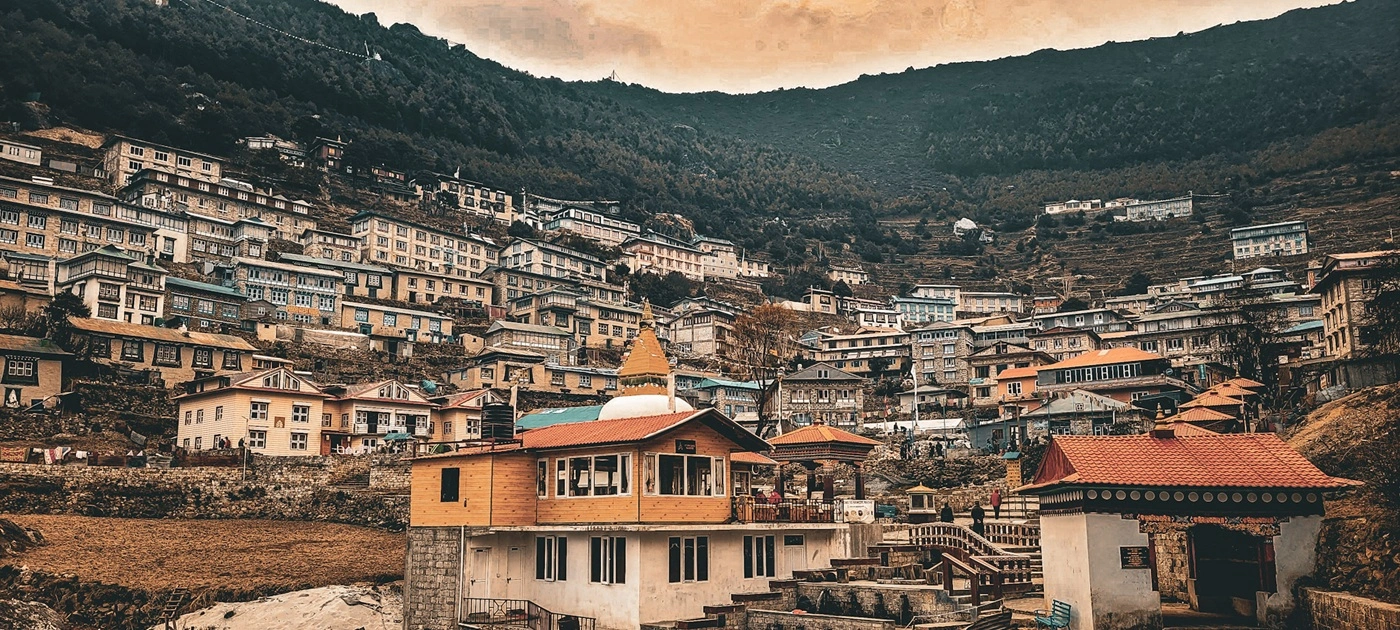
Namche is not a village. It is a town — the administrative capital of the Solukhumbu district, the economic hub of the Khumbu, and the cultural heartbeat of the Sherpa people. Stone and timber buildings rise in concentric tiers from the valley floor to the ridge above. The main path switchbacks up through the settlement past lodges, shops, a police station, a dental clinic, an Irish pub, and bakeries that serve flat whites.
At 3,440 meters, it functions with a sophistication that contradicts its altitude.
The town sits at the convergence of three valleys: the route north to Thame and Tibet, the route northeast to Gokyo, and the route east to Tengboche and Everest Base Camp. Every major trek in the Khumbu passes through Namche. It is the last settlement with reliable internet, ATMs, and equipment shops before the high mountains.
Where to Stay: MLN Namche Lodge
The Mountain Lodges of Nepal (MLN) Namche Lodge overlooks the C-shaped amphitheater from its upper tier. Two-story pitched-roof building. Tibetan rugs on wooden floors. English linens. Reliable hot running water — extraordinary at this altitude. Electric blankets in every bed. A revitalizing spa where guests receive holistic massages after the steep climb from Phakding. A common room with mountain views, a library of Himalayan literature, and afternoon tea service.
This is the acclimatization hub. You arrive on Day 3 of the EBC or Gokyo trek after the steep 600-meter climb from the Dudh Koshi. Your body needs time. The lodge is designed to make that time comfortable: a hot shower, a warm bed, warm food, and spa recovery. You do not feel like you are waiting. You feel like you are resting.
The Two Mandatory Nights
Acclimatization at Namche is not optional. You have climbed from 2,610m (Phakding) to 3,440m in a single day. Your body needs 36-48 hours to produce additional red blood cells. Ascending further without spending two nights here dramatically increases the risk of Acute Mountain Sickness (AMS), High-Altitude Pulmonary Edema (HAPE), or High-Altitude Cerebral Edema (HACE).
The acclimatization protocol is to trek high during the day (up to 3,880m at the Everest View Hotel) and sleep low at Namche (3,440m). Two nights. No exceptions.
The Day Trips
Everest View Hotel (3,880m)
A 2-3 hour acclimatization hike uphill from Namche to the Syangboche airstrip and the Hotel Everest View. This is where you see Everest for the first time on the trek. The hotel terrace serves lunch and hot drinks with a direct, framed view of the summit. Oxygen is available in every room. The walk is gentle, but the altitude gain (440m) is deliberately therapeutic — climb high, sleep low. Most luxury EBC trekkers do this on their acclimatization day.
Khumjung Village and Hillary’s School
A 30-minute walk beyond the Everest View Hotel. Khumjung sits at 3,790m in a broad valley beneath the peaks of Khumbila and Thamserku. The village is home to the Hillary School — the “Cloud Schoolhouse” built by Sir Edmund Hillary in 1961 as part of the Himalayan Trust.
You can visit the school, meet teachers, and understand the educational infrastructure that Hillary built for the Sherpa community after his Everest summit. Khumjung Gompa houses a purported yeti scalp — a relic of genuine cultural significance to the Sherpas regardless of its zoological classification.
Thame Village and the Salt Trade Route
Northwest of Namche, off the main EBC trail. Thame (3,800m) sits on the ancient Tibetan salt trade route that connected the Khumbu to the trans-Himalayan plateau for centuries. The MLN Thame Lodge (18 rooms) features a unique high-ceiling space with a translucent roof for meditation and yoga.
Adjacent to the 15th-century Thame Monastery — birthplace of Tenzing Norgay, the Sherpa who summited Everest with Hillary in 1953. The monastery is famous for its Mani Rimdu masked dance festivals. This is the most culturally significant day trip from Namche.
Tengboche Monastery
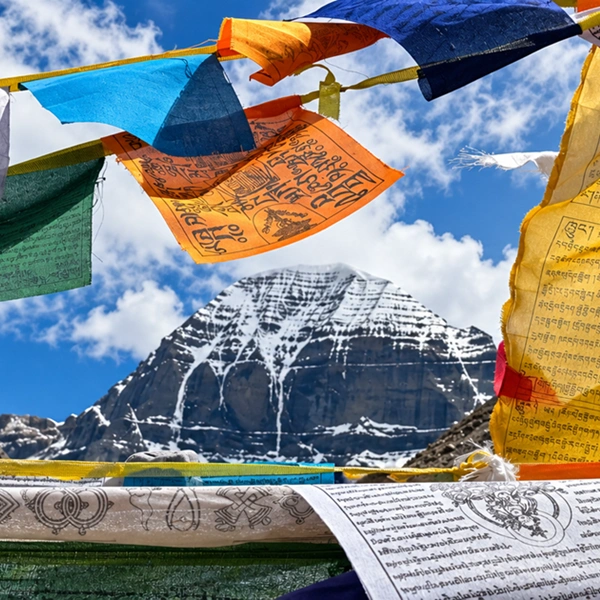
Southeast of Namche, 5-6 hours return. The largest monastery in the Khumbu was rebuilt after a 1989 fire. Perched at 3,867m on a ridge with Everest, Nuptse, Lhotse, and Ama Dablam visible behind the prayer flags.
The annual Mani Rimdu festival (October 2026 dates: 24-26 October) transforms the monastery courtyard into a stage for elaborate Chham masked dances and fire rituals. This day trip is only recommended for fit, well-acclimatized guests as the altitude gain and loss is substantial.
The Saturday Market
Every Saturday morning, Namche’s central square transforms into the highest functioning market town in the world. Traders from Tibet bring Chinese goods, electronics, and fabrics over the Nangpa La pass (5,716m). Lowland porters carry fresh vegetables, rice, and dal from the Terai.
Local Sherpas sell yak cheese, dried yak meat, and hand-knitted woolens. The market operates from dawn until early afternoon. It has functioned on this schedule for centuries, long before trekking tourism existed. Arriving on a Friday ensures you experience the Saturday market the next morning.
The Unexpected: Bakeries and Coffee at 3,440m
Namche has developed a cafe culture that has no right to exist at this altitude. Bakeries along the main path produce cinnamon rolls, apple strudel, croissants, and brownies using ingredients portered from Lukla.
Two cafes serve genuine espresso — not instant coffee, but machine-pulled shots from imported beans. A bakery called Namche Bakery has become an institution. After days of trekking, the first bite of a warm cinnamon roll at 3,440m is disproportionately moving. We build bakery stops into every Namche acclimatization day.
Namche as a Destination, Not a Transit Point
|
Approach
|
Transit Mindset
|
Destination Mindset
|
|
Time in Namche
|
2 nights (minimum acclimatization)
|
3 nights (acclimatisation + cultural day)
|
|
Acclimatisation day
|
Hike to Everest View Hotel, return
|
Everest View Hotel + Khumjung school + bakery loop
|
|
Cultural engagement
|
Walk through town
|
Sherpa museum. Saturday market. Thame salt-route day trip.
|
|
Arrival timing
|
Any day
|
Arrive Friday. Saturday market. Sunday cultural program.
|
THE HELICOPTER-TO-NAMCHE OPTION
For guests who want Namche without the Lukla flight or the 2-day trek from Lukla: helicopter directly from Kathmandu to the Syangboche airstrip (3,720m), 10 minutes above Namche. Land. Walk downhill to the lodge. You arrive at the Sherpa capital in 90 minutes instead of 2 days.
This is the option for time-constrained guests or those who want Namche as a standalone 3-night cultural destination without continuing to EBC. Cost: included in private charter ($3,500-5,000) or as part of a shared EBC heli-tour landing.
Frequently Asked Questions
Why do I need two nights in Namche?
- Acclimatisation. You climb from 2,610m to 3,440m in one day. Your body needs 36-48 hours to adapt. The protocol: trek high during the acclimatization day (3,880m at Everest View Hotel), sleep low at Namche. Skipping this dramatically increases AMS risk. Two nights minimum. No exceptions.
What is the MLN Namche Lodge like?
- Tibetan rugs. English linens. Hot running water. Electric blankets. Spa with holistic massages. Mountain-view common room. Library. Afternoon tea. The most comfortable property at 3,440m in the Khumbu. Overlooks the town amphitheater.
What is the Saturday market?
- The highest functioning market town in the world. Every Saturday from dawn to early afternoon. Tibetan traders, lowland porters, and local Sherpas. Yak cheese, dried meat, Chinese goods, fresh vegetables, woolens. Has operated for centuries. Arrive Friday to experience it Saturday morning.
Can I see Everest from Namche?
- Not from the town itself. From the ridge above Namche (a 20-minute walk) and from the Everest View Hotel (a 2-3 hour acclimatization hike, 3,880m), you see Everest clearly. This is typically your first Everest view on the trek.
What is the Sherpa museum?
- The Sherpa Culture Museum in Namche documents the history, religion, mountaineering legacy, and daily life of the Sherpa people. Exhibits on Tenzing Norgay, the 1953 expedition, Sherpa high-altitude physiology, and the cultural impact of tourism. Essential context for understanding everything you see above Namche.
Can I fly directly to Namche?
- Yes. Helicopter from Kathmandu to Syangboche airstrip (3,720m), 10 minutes above Namche. 90 minutes total vs 2 days trekking from Lukla. Cost: part of a private charter ($3,500-5,000). Ideal for time-constrained guests wanting Namche as a standalone destination.
What is Thame?
- A village at 3,800m on the ancient Tibetan salt trade route, northwest of Namche. MLN Thame Lodge (18 rooms, translucent-roof meditation space). Adjacent to the 15th-century Thame Monastery — birthplace of Tenzing Norgay. Mani Rimdu festival site. The most culturally significant day trip from Namche.
Is Namche suitable for seniors?
- Fit seniors 50-65 can reach Namche on the luxury EBC trek (2 days from Lukla with MLN lodges). Seniors 65+ can helicopter to Syangboche and walk down to Namche (10 minutes downhill). The acclimatization day hike to the Everest View Hotel is gentle. The town itself is steep but walkable at a slow pace.
What are the bakeries like?
- Surprisingly excellent. Cinnamon rolls, apple strudel, croissants, brownies. Machine-pulled espresso. Namche Bakery is the institution. After days of trekking for food, the bakery stop on acclimatization day is disproportionately satisfying. We build it into every itinerary.
Should I spend three nights instead of two?
- If your schedule allows, yes. The third night opens up a full-day trip to Thame (the salt trade route, Tenzing Norgay’s birthplace, and a 15th-century monastery) or a deeper cultural program (the Sherpa museum, the Khumjung school, and the Saturday market). Two nights is the medical minimum. Three nights make Namche a destination.
The Final Word
Every EBC trekker passes through Namche, and most treat it as a pause. A place to wait while their blood makes more red cells. That is a waste of the most remarkable small town in the world. The Saturday market has been running for centuries. The museum tells a story of human adaptation that no other culture can match.
The bakery serves espresso at an altitude where most people struggle to breathe. The salt trade route to Thame connects you to a commercial network that predates Columbus. And the ridge above town gives you your first view of Everest — the mountain that made the Sherpas famous and the Sherpas who made the mountain climbable.
Spend three nights. Not two. The extra day changes Namche from a medical requirement to a cultural experience. Tell us your dates.
Making Namche a destination rather than a stopover?
Three nights. The Saturday market. The Sherpa museum. Thame monastery. Espresso at 3,440m. Tell us your dates.