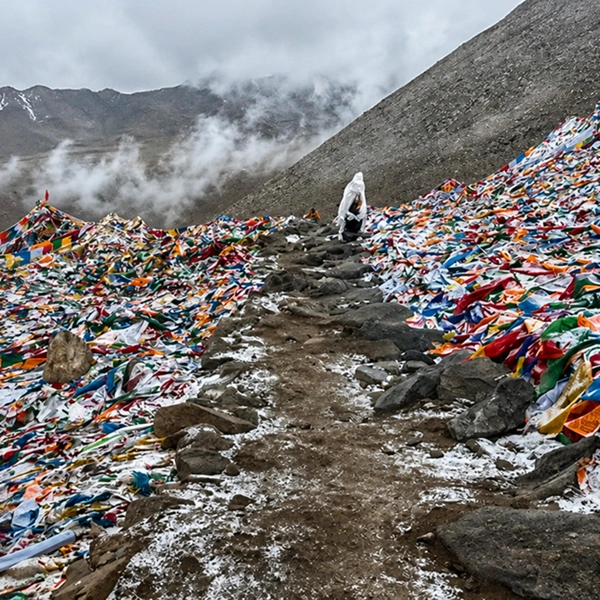
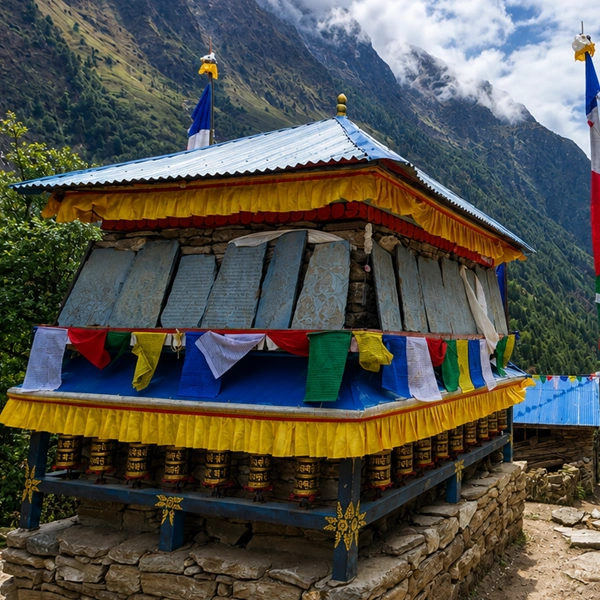
Nepal has more festivals per capita than almost any country on earth. The running joke among Nepalis is that there are more festivals than days in the year, which is only a slight exaggeration. The Hindu lunar calendar, the Buddhist calendar, the Newari calendar, and various regional agrarian calendars overlap, creating a festival density that is difficult to explain to travelers who have not experienced it.
Not all of these festivals are equally relevant for international visitors. Most are local, neighborhood-scale celebrations that barely register outside the specific village or ward that observes them. But seven festivals rise above the local scale and define Nepal’s cultural identity in ways that genuinely reward a traveler’s time, planning, and attention.
Two of these — Dashain and Tihar — are so significant that they effectively shut the country down for multiple weeks. Businesses close. Domestic flights reduce service. Staff at hotels and restaurants work reduced schedules. International visitors who arrive during Dashain and Tihar without planning for these disruptions can find themselves inconvenienced. International visitors who arrive with proper guidance find themselves witnessing something profound: an entire country pausing its daily rhythm to observe rituals that have remained unchanged for centuries.
At Alpine Luxury Treks, we run festival-focused itineraries throughout the year from our base in Kathmandu. This guide covers the seven festivals we most commonly build trips around — with confirmed 2026 dates, cultural context, operational guidance, and honest advice on how each festival affects the practical logistics of your trip.
In This Guide
- The 2026 Nepal festival calendar (quick-reference table)
- Festival 1 — Dashain (the great fifteen days)
- Festival 2 — Tihar (the festival of lights)
- Festival 3 — Holi (the festival of colors)
- Festival 4 — Indra Jatra (the living goddess procession)
- Festival 5 — Buddha Jayanti (the Buddha’s birthday at Lumbini)
- Festival 6 — Tiji Festival (the Tibetan Buddhist ritual in Upper Mustang)
- Festival 7 — Gai Jatra (the festival of cows)
- Etiquette and photography at Nepal’s festivals
- How to plan a festival trip to Nepal
- Frequently asked questions
The 2026 Nepal Festival Calendar
Nepal’s major festivals follow lunar calendars and shift several days year to year. These are our best 2026 projections. Verify closer to travel for precise dates — we update this calendar as dates are confirmed.
|
Festival
|
2026 Dates
|
Location
|
Duration
|
|
Losar
|
Feb 18
|
Boudhanath, Tibetan areas
|
1 day (main celebration)
|
|
Holi
|
March 3
|
Kathmandu, nationwide
|
1 day
|
|
Buddha Jayanti
|
May 1
|
Lumbini, Boudhanath, Swayambhunath
|
1 day
|
|
Tiji Festival
|
May 16 – 18
|
Lo Manthang, Upper Mustang
|
3 days
|
|
Gai Jatra
|
Aug 22
|
Kathmandu Valley (Newari)
|
1 day (main procession)
|
|
Indra Jatra
|
Sep 26 (main day)
|
Kathmandu Durbar Square
|
8 days
|
|
Dashain
|
Oct 12 – 26
|
Nationwide
|
15 days
|
|
Tihar
|
Nov 8 – 12
|
Nationwide
|
5 days
|
Unlike Bhutan’s Tshechus (where hotel inventory is genuinely scarce), Nepal has a much larger accommodation capacity and typically does not sell out during festivals. Six months ahead is usually sufficient for luxury properties during Dashain and Tihar. The exception is the Tiji Festival in Upper Mustang, where accommodation in Lo Manthang is extremely limited, and charter flight capacity to Jomsom is constrained — plan 6-9 months ahead for Tiji.
1. Dashain: The Great Fifteen Days
2026 Dates: October 12 – 26 · Nationwide · Best for: cultural immersion, family ritual observation, autumn trekking season overlap
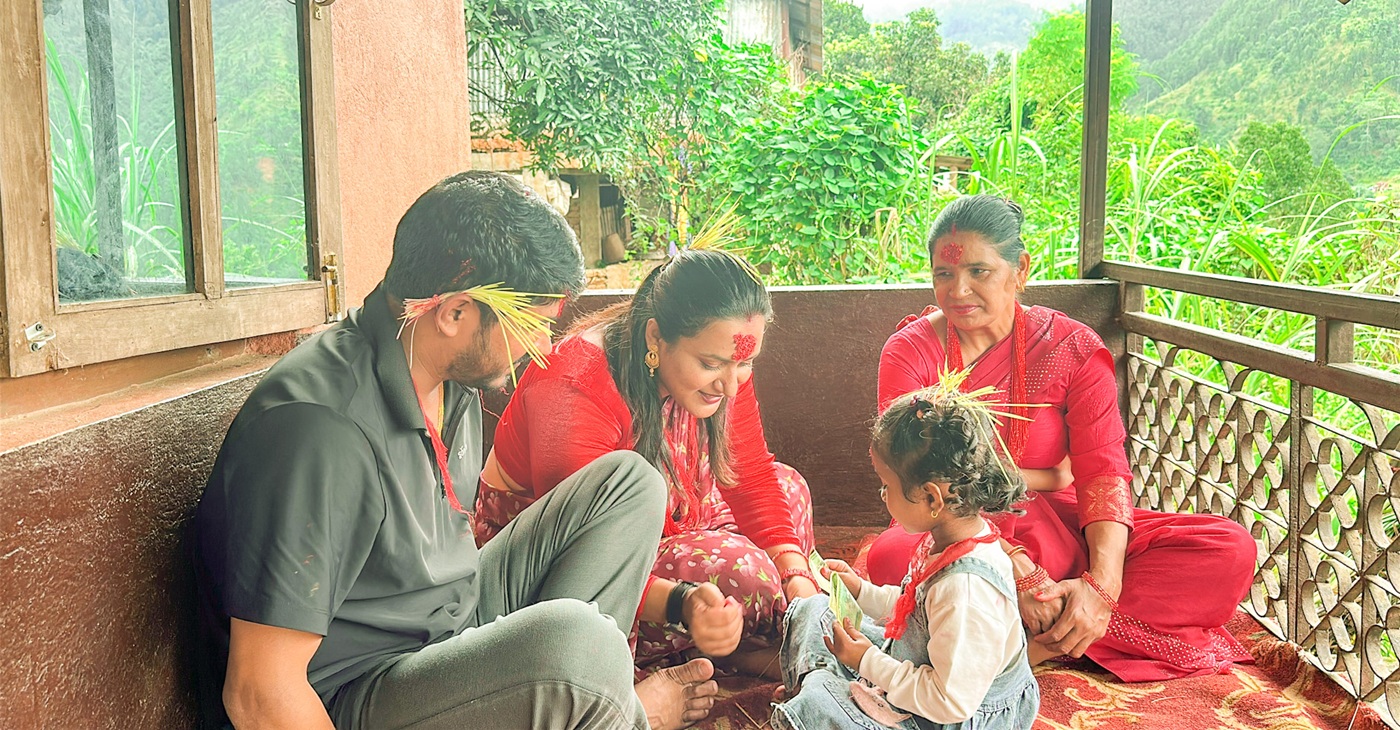
Dashain is the longest, most important, and most culturally defining festival in Nepal. Nothing else comes close. For fifteen days, the entire country enters a different mode. Offices close. Schools shut. Domestic flights reduce schedules. Highways fill with migrant workers returning to their home villages. Family is the organizing principle, and every other priority — commerce, tourism, professional life — takes a secondary position.
For international visitors, Dashain is both extraordinary and logistically complex. Understanding what the festival is and how it affects the country’s daily functioning is essential.
What Dashain Celebrates
Dashain celebrates the victory of the goddess Durga over the buffalo demon Mahishasura — the triumph of divine feminine power over evil. The festival is observed by Hindus across Nepal and parts of India, but its scale and depth in Nepal are unmatched anywhere in the world.
The fifteen days unfold as a structured spiritual progression. The first day (Ghatasthapana) marks the sowing of sacred jamara seeds in a darkened room. The seventh day (Fulpati) brings a ceremonial procession of sacred flowers from Gorkha to Kathmandu. The eighth day (Maha Ashtami) and ninth day (Maha Navami) are the ritual climax — animal sacrifices (traditionally goats and buffalo) at temples across the country, most publicly at the Taleju Temple in Kathmandu Durbar Square and at military installations in Tundikhel. The tenth day (Vijaya Dashami) is the great day itself: elders bless younger family members by placing tika (rice mixed with vermilion paste and yogurt) on their foreheads and offering jamara sprouts.
For the remaining five days, the country enters an extended festive period of family visits, feasting, new clothes, kite flying across the Kathmandu Valley, and the temporary bamboo swings (ping) that appear in every village and city neighborhood.
What Dashain Means for Travelers
The honest logistical impact: many restaurants, shops, and services operate at reduced capacity during Dashain, particularly during the main Tika days (October 22-24 in 2026). Domestic flights run reduced schedules. Staff at luxury hotels work modified shifts. If you are trekking, tea houses along popular routes remain open but may have reduced menus.
The cultural reward: Dashain is the single most immersive window into Nepali family and religious life available to outside observers. With proper guidance, you can witness tika ceremonies (usually through your guide’s own family — we regularly arrange this for our guests), watch the kite battles across the valley, observe the temple rituals at Durbar Square, and feel the country’s collective happiness during the most important two weeks of the Nepali year.
Our recommendation: build your itinerary so the Tika days (Vijaya Dashami and the following 2-3 days) fall during your Kathmandu leg rather than during a trek or a remote transfer. This gives you maximum cultural access to the celebrations while avoiding the worst logistical disruption.
A NOTE ON ANIMAL SACRIFICE
Animal sacrifice is a traditional component of Dashain observed at temples and military compounds. The rituals are religiously significant and are conducted by trained priests. International visitors are not expected to attend sacrificial rituals, and we do not include them in standard itineraries. If you encounter them incidentally at a temple during Dashain, your guide will explain the context, and you are welcome to observe respectfully or move to another part of the temple. Photography of active sacrificial rituals should be approached with extreme sensitivity — ask your guide before raising your camera.
2. Tihar: The Festival of Lights
2026 Dates: November 8 – 12 · Nationwide · Best for: photography, nighttime atmosphere, late-autumn travel window
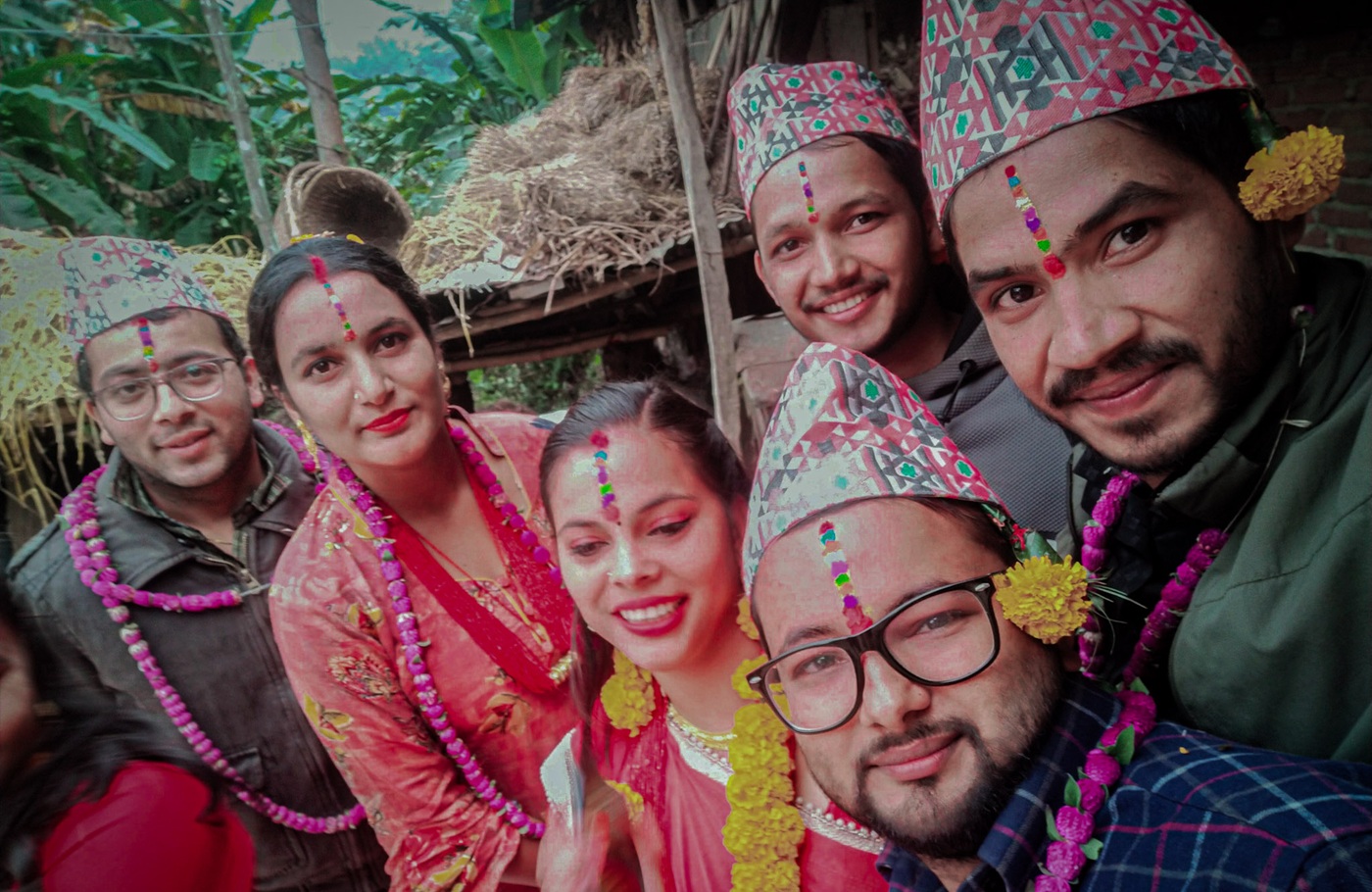
If Dashain is Nepal’s most important festival, Tihar is its most beautiful. For five days, the country transforms into a constellation of oil lamps, candles, marigold garlands, and intricate rangoli (geometric floor patterns drawn with colored powder and flower petals) at every doorway.
Tihar is Nepal’s equivalent of Diwali, but with a distinctly Nepali character that extends the celebration across five days, each with a specific focus.
The Five Days of Tihar
- Day 1 — Kaag Tihar (Crow Day): Crows are honored with offerings of food placed on rooftops and in courtyards. In Hindu tradition, crows are messengers between the living and the dead.
- Day 2 — Kukur Tihar (Dog Day): Dogs are worshipped with tika, marigold garlands, and special food. Every dog in Nepal — including strays — receives attention on this day. It is genuinely one of the most photographed days in the Nepali calendar and has become internationally famous on social media.
- Day 3 — Gai Tihar and Laxmi Puja: Cows are worshipped in the morning with garlands and tika. In the evening, Laxmi Puja begins — the worship of the goddess of wealth. Homes are cleaned, oil lamps are lit at every doorway to welcome Laxmi, and rangoli patterns are drawn to guide her into the house. This is the night when Kathmandu’s streets glow most intensely.
- Day 4 — Govardhan Puja / Mha Puja (Newari New Year): The Newar community of the Kathmandu Valley celebrates Mha Puja — the worship of one’s own body and soul. Family members sit in circles around mandala patterns and receive blessings. This is one of the few cultural rituals in the world where the individual is the explicit object of worship.
- Day 5 — Bhai Tika (Brothers and Sisters Day): Sisters apply elaborate tika to their brothers’ foreheads and exchange gifts. This day is deeply emotional for Nepali families and is one of the most genuinely moving cultural rituals a traveler can witness.
What Tihar Means for Travelers
Unlike Dashain, Tihar has less logistical disruption. Most shops and services remain open (Laxmi Puja evening is the primary exception). The visual impact, however, is extraordinary. Kathmandu, Patan, and Bhaktapur at night during Tihar are among the most photogenic urban scenes in South Asia — every doorway glowing with oil lamps, every surface covered in marigold petals, every family gathered around a rangoli mandala.
For photographers, Laxmi Puja night (Day 3 — November 10, 2026) is the essential window for capturing. We arrange evening walking tours through the old Newari neighborhoods of Patan and Bhaktapur, where the lamp displays are most dense and traditional.
“In November 2024, we hosted Paola and Marco Benedetti from Milan on a 10-day Nepal cultural itinerary timed to overlap with Tihar. On Kukur Tihar (Dog Day), Paola — a veterinarian — was visibly moved watching street dogs in Patan receive marigold garlands and tika from shopkeepers. She told us afterward: ‘In 25 years of veterinary practice, I have never seen an entire country stop to honor animals. I photograph everything in my life. I put my camera down for this.’ They booked a return trip for Dashain 2026.”
3. Holi: The Festival of Colors
2026 Dates: March 3 · Nationwide (strongest in Kathmandu and Terai) · Best for: street photography, spring travel, visceral cultural participation
Holi is a single-day explosion of colored powder, water balloons, music, and unstructured joy. It marks the arrival of spring and celebrates the Hindu legend of Holika — the burning of the demoness who tried to destroy the devotee Prahlad.
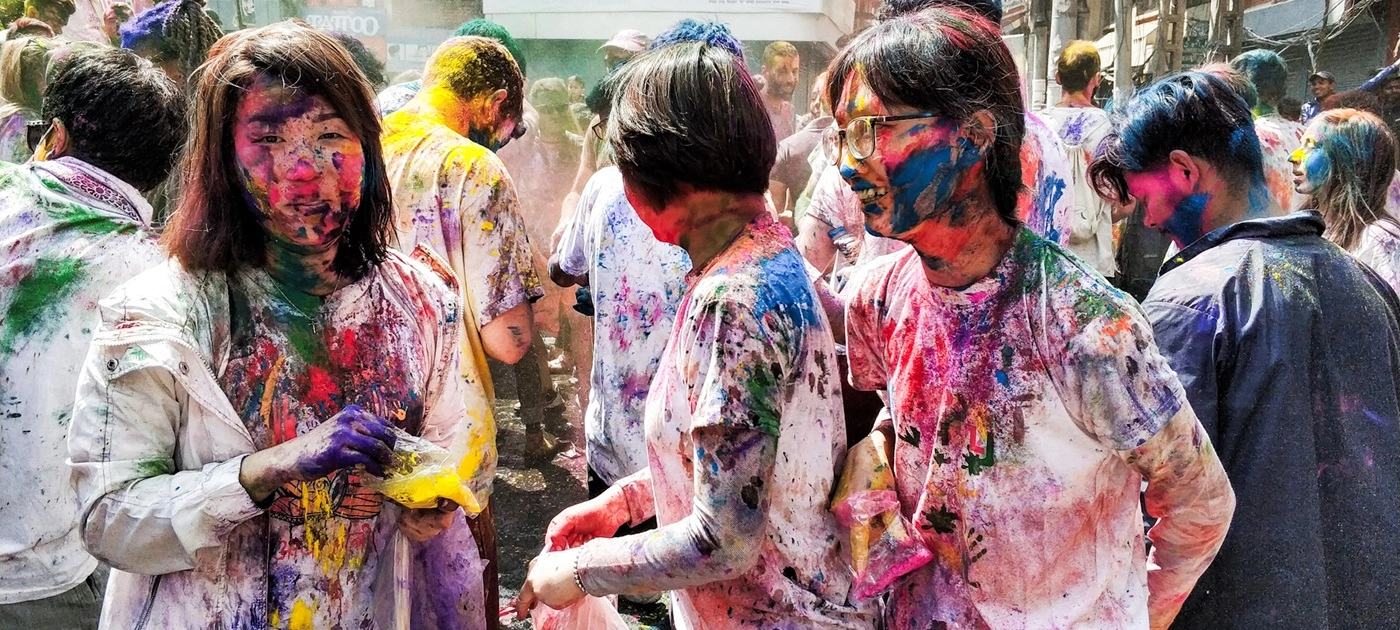
The festival is simple in its mechanics and overwhelming in its execution. Starting in the morning, people of all ages take to the streets armed with bags of colored powder (gulal) and buckets of colored water. They throw colors at everyone — friends, neighbors, strangers, and yes, international visitors. Kathmandu Durbar Square and Thamel become vivid, chaotic warzones of magenta, yellow, blue, and green.
What to Know Before Attending Holi
Wear clothes you do not mind destroying. The colored powder stains permanently. White is traditional — it shows the colors best and signals that you are participating. Protect your camera gear with waterproof covers or ziplock bags. Waterproof your phone.
Holi in Kathmandu is largely good-natured, but it can be intense. Some participants mix water balloons with the powder. Children are especially enthusiastic. If you prefer to observe rather than participate, stay on the fringes and communicate clearly. Most locals respect a polite “no” and a smile.
For a calmer Holi experience, visit the celebration at Boudhanath stupa, where the Tibetan Buddhist community observes a more restrained version of the festival. For the full experience, Kathmandu Durbar Square is ground zero.
We arrange guided Holi walking tours that balance participation with safety — our guides know which neighborhoods are the most fun, which streets get uncomfortably crowded, and when the intensity peaks (usually late morning through early afternoon).
4. Indra Jatra: The Living Goddess Procession
2026 Dates: September 26 (main day, festival runs 8 days) · Kathmandu Durbar Square · Best for: Newari culture, Kumari devotion, masked dance traditions
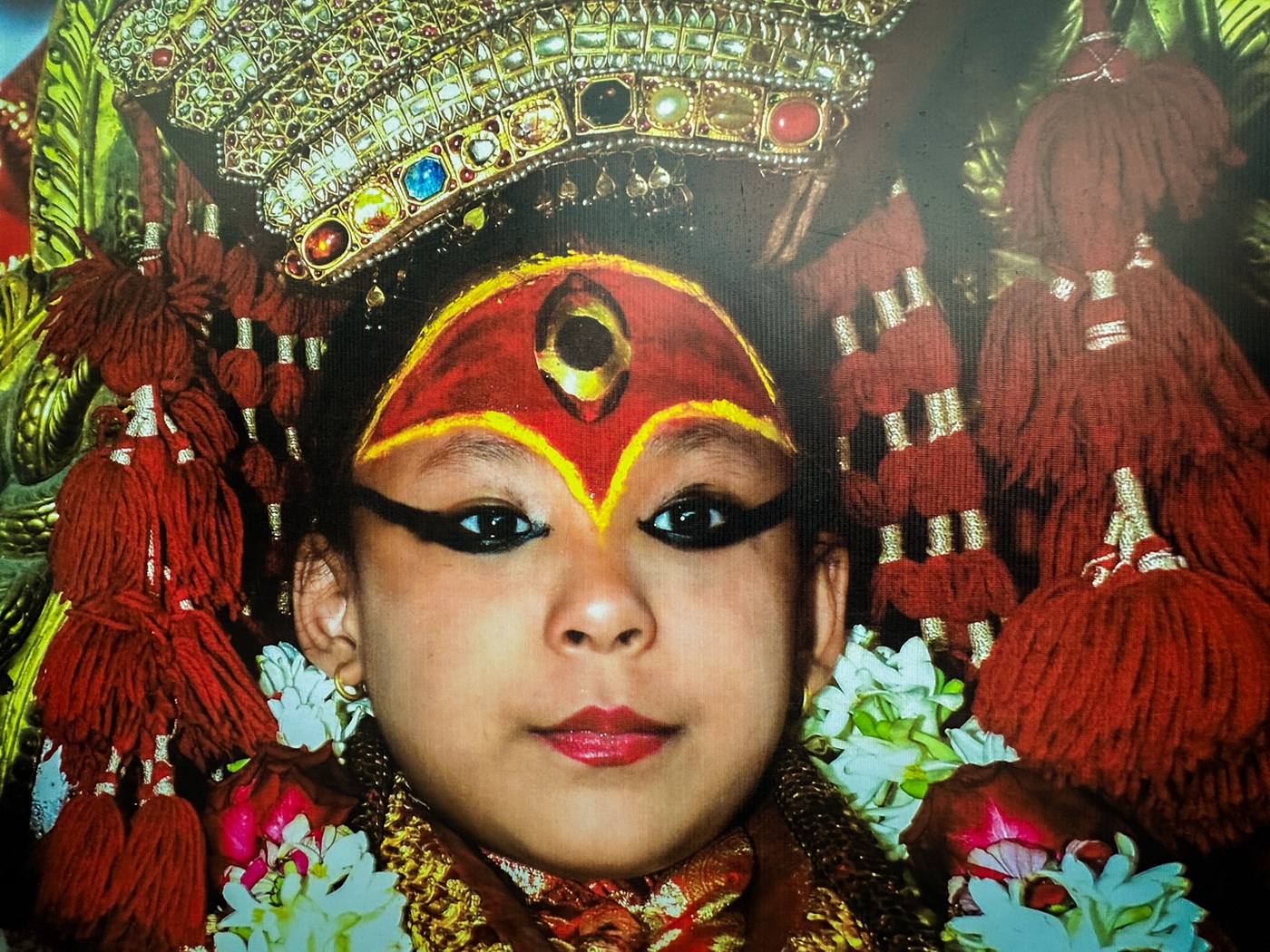
Indra Jatra is Kathmandu’s oldest surviving festival and the most visually spectacular single-day event in the Nepali calendar. It honors Indra, the Hindu god of rain, and features the Kumari's only public appearance as the living goddess.
The Kumari: The Living Goddess
The Kumari is a young Newari girl selected through a rigorous process of physical and astrological screening to serve as the living incarnation of the Hindu goddess Taleju. She lives in the Kumari Ghar (Kumari House) on the edge of Kathmandu Durbar Square and appears publicly only during specific festivals. Indra Jatra is the most important of these appearances.
During the festival, the Kumari is carried through the old city on a towering wooden chariot, accompanied by chariots carrying Ganesh and Bhairav. The procession moves through the ancient streets of Kathmandu while thousands of devotees line the route to receive her darshan (sacred viewing). The Kumari’s expression is watched closely by the crowd — tradition holds that her facial reactions carry prophetic significance for the coming year.
Masked Dances and the Pole Ceremony
Indra Jatra also features traditional Newari masked dances (Lakhe dances) depicting deities, demons, and local legends. The dances are performed in Kathmandu Durbar Square and surrounding courtyards over eight days. The festival opens with the ceremonial raising of a massive pole (Yasingha) in Basantapur and closes with its lowering.
For cultural travelers, Indra Jatra is the single best window into Kathmandu’s Newari heritage — the medieval indigenous culture of the valley that predates both the modern Nepali state and the dominant Hindu cultural framework. The architecture, the ritual structure, and the masked dance tradition are distinctly Newari and are not replicated at any other time of year.
5. Buddha Jayanti: The Birthday of the Buddha
2026 Dates: May 1 · Lumbini, Boudhanath, Swayambhunath · Best for: Buddhist pilgrimage, Lumbini visit, quiet contemplative observation
Buddha Jayanti (also called Vesak) celebrates the birth, Enlightenment, and death of Siddhartha Gautama — the historical Buddha. Nepal holds a unique position in the global Buddhist world because the Buddha was born in Lumbini, in the Terai lowlands of southern Nepal, in approximately 563 BCE.
Lumbini on Buddha Jayanti
For travelers interested in Buddhist heritage, there is no more meaningful day to visit Lumbini than Buddha Jayanti. The sacred garden — which includes the Mayadevi Temple (marking the exact birthplace), the Ashoka Pillar (erected by the Indian emperor Ashoka in 249 BCE), and the surrounding monastic zones built by Buddhist nations from across Asia — fills with monks, nuns, and pilgrims from around the world.
The atmosphere is quiet, meditative, and genuinely reverential. Butter lamps are lit by the thousands. Monks chant continuously. The sacred Bodhi tree is draped with prayer flags. It is the polar opposite of Holi’s chaos — and one of the most powerful single-day cultural experiences available in Nepal.
Buddha Jayanti in Kathmandu
In Kathmandu, the celebration centers on Boudhanath stupa (the largest Buddhist stupa in Nepal) and Swayambhunath (the “Monkey Temple” overlooking the valley). Both sites host prayer ceremonies, butter lamp offerings, and circumambulation by thousands of devotees. Boudhanath is particularly atmospheric — the massive white dome is circled by a continuous stream of maroon-robed monks, Tibetan refugees, and local Buddhists spinning prayer wheels and chanting mantras.
6. Tiji Festival: The Tibetan Buddhist Ritual in Upper Mustang
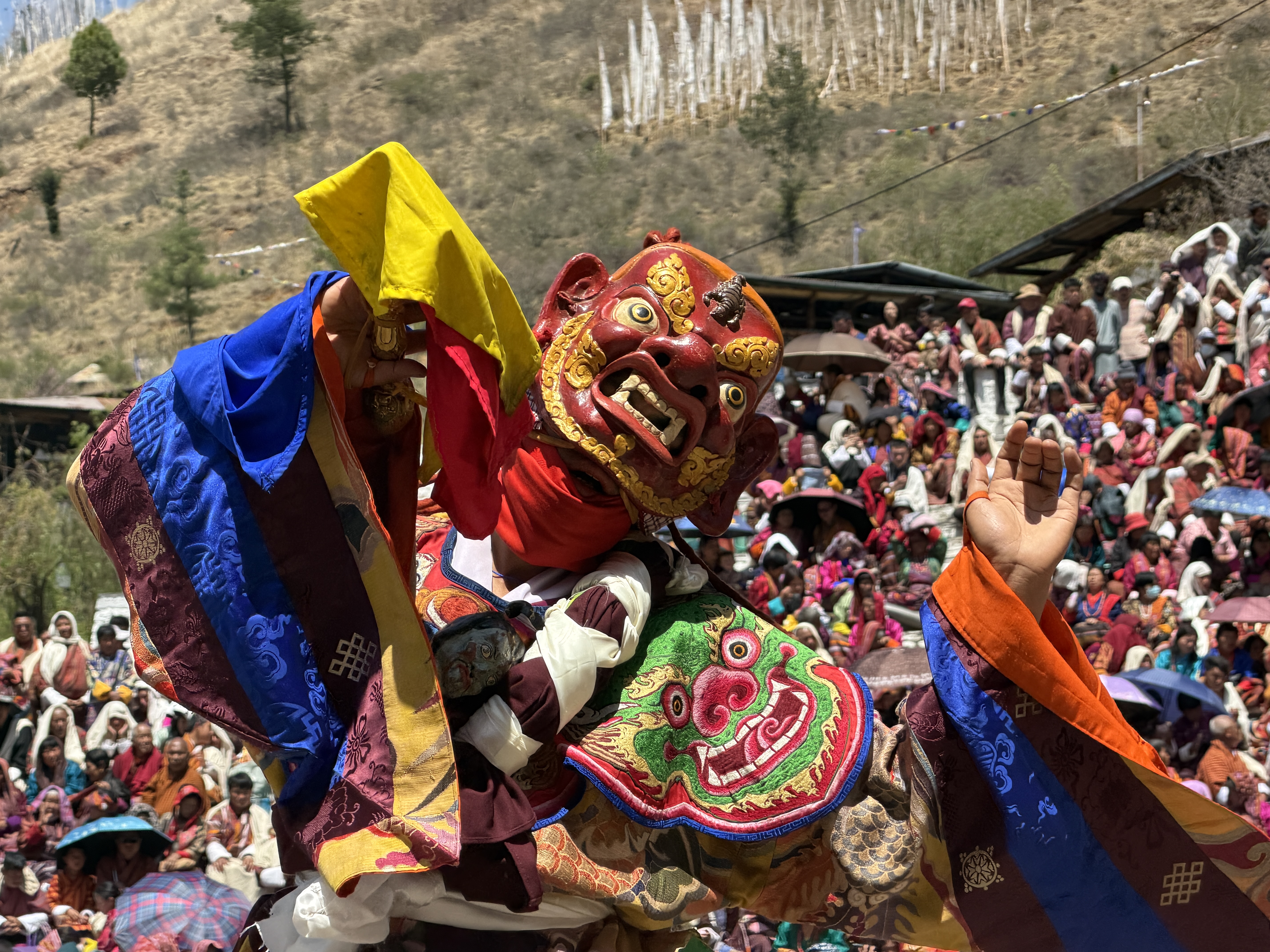
The Tiji Festival is the most culturally significant event in Upper Mustang — and one of the rarest festival experiences available to travelers anywhere in the Himalayas. It is a three-day Tibetan Buddhist ritual held annually in the central courtyard of Lo Manthang, the 600-year-old walled capital of the former Kingdom of Lo.
What Tiji Celebrates
Tiji (the full name is Tenpai Chirim) celebrates the victory of a deity named Dorje Jono over his demon father, who was wreaking havoc by stealing water and causing drought. Over three days, monks from Chode Gompa perform elaborate Cham masked dances in the courtyard of Lo Manthang’s royal palace, wearing brocade costumes and carved wooden masks depicting wrathful deities and demons.
The climax occurs on the third day when the demon is symbolically defeated, and the community celebrates with a procession around the walled city. The ritual is deeply felt by the Lo Manthang community — this is not a performance for outsiders but a genuine annual religious event that outside observers are privileged to witness.
Getting to Tiji
Lo Manthang sits at 3,840 meters in the rain-shadow desert north of the Annapurna range. Access is either by trek (8-10 days from Jomsom) or by charter flight to Jomsom, followed by jeep and walking days north. The Shinta Mani Mustang lodge at 3,800 meters serves as the luxury base.
Accommodation capacity in Lo Manthang is extremely limited. The town has a handful of guesthouses and no luxury properties inside the walls. For Tiji Festival trips, we book 6-9 months in advance because both the Jomsom charter flights and the Lo Manthang accommodation sell out. This is the one Nepal festival where the urgency of booking rivals Bhutan’s Tshechu festivals.
For cultural travelers and photographers drawn to Tibetan Buddhist heritage, Tiji is one of the most extraordinary experiences available in the Himalayas — precisely because of its remoteness, its scale (perhaps 200-300 outside visitors in any given year), and the depth of the living tradition behind it.
7. Gai Jatra: The Festival of Cows
2026 Dates: August 22 (main procession day) · Kathmandu Valley (Newari communities) · Best for: Newari culture, humor, and grief combined, offbeat cultural depth
Gai Jatra is perhaps the strangest and most emotionally complex festival in Nepal — a celebration of death that deliberately uses humor, satire, and absurdist street theater to process collective grief.
The Origin and the Tradition
Legend holds that the medieval Malla king of Kathmandu decreed the festival after his queen was inconsolable over the death of their son. The king ordered every family that had lost a member in the previous year to parade a cow (or a boy dressed as a cow) through the city streets. The procession was meant to demonstrate that death is universal and not a private tragedy — that every family shares the grief.
Over the centuries, the procession evolved to include satirical street theater, political comedy, cross-dressing, absurdist costumes, and social commentary. Today, Gai Jatra combines genuine mourning (families honoring their recent dead) with public comedy (performers mocking politicians, social norms, and authority figures). The emotional range is extraordinary — tears and laughter exist side by side in the same street on the same morning.
What Travelers Experience
The main procession moves through the old Newari streets of Kathmandu, Patan, and Bhaktapur. Families lead decorated cows or carry elaborate cow effigies. Children in cow costumes walk alongside satirical performers in political masks. Makeshift stages host comedy skits that lampoon the government, celebrities, and social issues.
Gai Jatra falls during monsoon (August), which means fewer international visitors attend it than the dry-season festivals. But for travelers already in Nepal during the monsoon — perhaps on an Upper Mustang itinerary — a detour to Kathmandu for Gai Jatra offers one of the most culturally rich single days in the entire country.
Etiquette and Photography at Nepal’s Festivals
General Festival Etiquette
Nepal’s festivals are more relaxed and participatory than Bhutan’s Tshechu festivals. There is no strict dress code (except at specific temple interiors). There is no mandatory silence. Many festivals actively invite outside participation — Holi and Tihar especially welcome visitors who want to join in rather than just observe.
Basic courtesy applies everywhere: ask before photographing individuals, especially elders and monks. Remove shoes before entering temple spaces. Do not touch religious statues or altars. Walk clockwise around stupas and chortens. Respect the emotional gravity of rituals like Dashain’s tika ceremony and Gai Jatra’s mourning procession even when they are surrounded by festive energy.
At Dashain, animal sacrifice rituals at temples are religiously significant and should be approached with sensitivity. Photographing active sacrifices without permission is inappropriate. Your guide will advise you in real time.
Photography Guidance
Holi is the most photogenic festival, but the hardest on camera equipment. Waterproof everything. Bring a camera and be comfortable getting splashed. Lens recommendation: a fast 35mm or 50mm prime for street photography. Leave the telephoto at the hotel.
Tihar’s Laxmi Puja night (Day 3) is the premier opportunity for nighttime photography in Nepal. Bring a fast lens (f/1.4-2.8) for available-light shots of oil lamps, rangoli, and candlelit doorways. A small tripod for longer exposures of lamp-lit streets.
Indra Jatra’s Kumari procession and Tiji Festival’s masked dances both benefit from zoom lenses (70-200mm range) to capture expressions and detail without physically crowding the performers.
General rule at all festivals: shoot from the edges, not the center. Resist the urge to push forward for a closer shot. The best festival photographers capture the atmosphere around the ritual, not just the ritual itself.
How to Plan a Festival Trip to Nepal
Build the Itinerary Around the Festival, Not After It
The single most common planning mistake is treating the festival as an add-on to a pre-planned itinerary. The festival dates are fixed (by the lunar calendar). Your itinerary should arrive around them, not hope to overlap by coincidence. Tell us which festival matters most to you, and we'll build backward from that date.
Booking Timelines
Most Nepal festivals do not create the acute accommodation scarcity that Bhutan’s Tshechu festivals do, because Nepal has much larger hotel capacity. Six months ahead is typically sufficient for luxury properties during Dashain and Tihar.
The exception is the Tiji Festival in Upper Mustang, where accommodation in Lo Manthang is extremely limited, and charter flights to Jomsom are capacity-constrained. Book Tiji trips 6-9 months ahead.
Holi (March 3) falls in spring peak season, so standard spring booking timelines apply (6-9 months for luxury properties).
Combining Festivals with Other Nepal Experiences
Dashain and Tihar (October-November) overlap perfectly with peak trekking season. A common framework: begin with a 10-14-day Everest or Annapurna trek, then descend to Kathmandu for the Tika days of Dashain or the lamp nights of Tihar. The trekking provides physical adventure; the festival provides cultural immersion.
Holi (March 3) pairs naturally with spring cultural travel and the start of trekking season. Buddha Jayanti (May 1) pairs with Lumbini pilgrimage and a Chitwan safari extension in the nearby Terai lowlands. Tiji Festival (May 16-18) stands alone as an Upper Mustang expedition.
“In October 2024, we hosted Henrik and Lena Lindqvist from Stockholm — and their 19-year-old daughter Astrid — on a 16-day Nepal trip that combined a luxury ABC trek with Dashain. The trek finished on October 18. On October 22 (Vijaya Dashami), our guide Ramesh invited the family to his own home in Kirtipur for the tika ceremony. Astrid, who had been mostly quiet during the trek, sat in Ramesh’s family room while his mother placed tika on her forehead alongside her own children. Henrik told us at the airport: ‘We came for the mountains. The mountains were extraordinary. But Astrid has not stopped talking about the tika.’”
Frequently Asked Questions
What is the most important festival in Nepal?
Dashain. It is the longest (fifteen days), most widely observed, and most culturally significant festival in the country. Every Nepali family observes Dashain — it is the one time of year when the entire country pauses ordinary life for family gatherings, temple rituals, and the tika blessing ceremony. For international travelers, Dashain offers the deepest possible window into Nepali family and religious life, though it also requires logistical adjustments, as many businesses and services operate at reduced capacity during the main Tika days.
When is Dashain in 2026?
October 12 through October 26, 2026. The main Tika day (Vijaya Dashami) falls on approximately October 22. Dashain follows the Hindu lunar calendar, so dates shift slightly year to year. The festival overlaps with the peak autumn trekking and travel season, making October itineraries that combine trekking with Dashain cultural immersion particularly strong.
When is Tihar in 2026?
November 8 through November 12, 2026. The most visually spectacular night is Day 3 (Laxmi Puja), approximately November 10, when homes across the country are illuminated with oil lamps and marigold garlands. Tihar follows roughly two weeks after the end of Dashain.
When is Holi in Nepal 2026?
March 3, 2026. Holi is a single-day festival of colors celebrated most intensely in Kathmandu Durbar Square and the Terai lowlands. Wear clothes you are willing to destroy. Protect camera equipment with waterproof covers. The festival is participatory and energetic — bystanders are not spared from colored powder and water.
What is the Tiji Festival, and how do I attend?
The Tiji Festival is a three-day Tibetan Buddhist ritual held annually in Lo Manthang, the 600-year-old walled capital of Upper Mustang. The 2026 dates are May 16-18. The festival features elaborate Cham masked dances celebrating the victory of a deity over a drought-causing demon. Access requires either a multi-day trek or a charter flight to Jomsom, followed by jeep transport. Book 6-9 months ahead because accommodation and flight capacity are extremely limited.
Can I attend a Dashain tika ceremony as an international visitor?
Yes, with arrangement. Our guides regularly invite guests to their own family homes for the tika ceremony on Vijaya Dashami. This is one of the most meaningful cultural experiences available during Dashain — sitting in a Nepali family’s home while elders place tika on your forehead alongside their own children. We arrange this on a guest-by-guest basis and only with guides whose families are comfortable welcoming outside visitors.
Do Nepal’s festivals affect trekking schedules?
Minimally. Tea houses along the major trekking routes (EBC, Annapurna, Langtang) remain open during Dashain and Tihar, though some may have reduced menu options. Domestic flights to Lukla and Jomsom operate on reduced schedules during the main Dashain Tika days. We build buffer days into trekking itineraries that overlap with festival periods to accommodate potential scheduling adjustments.
Which Nepal festival is best for photography?
Holi for street photography and color. Tihar (Laxmi Puja night) for nighttime available-light photography. Indra Jatra for the Kumari procession and Newari masked dances. Tiji Festival for remote Tibetan Buddhist ritual photography. Each festival rewards a different photographic approach — we cover specific lens recommendations and timing in the etiquette section above.
How does Kukur Tihar (Dog Day) work?
On the second day of Tihar (approximately November 9 in 2026), every dog in Nepal receives tika (vermilion paste on the forehead), marigold garlands, and special food. This includes pet dogs, working dogs, military dogs, and stray dogs. Shopkeepers, families, and even police officers participate. It is one of the most genuinely heartwarming cultural traditions in the world and has become internationally famous. For animal-loving travelers, Kukur Tihar alone justifies timing a trip around Tihar.
How far ahead should I book a festival trip to Nepal?
Six months ahead is sufficient for most festivals at luxury properties. The exception is the Tiji Festival in Upper Mustang (6-9 months due to limited accommodation and charter flight capacity). Dashain and Tihar in October-November benefit from peak-season booking timelines (6-9 months for luxury hotels, 9-12 months for combination trek-plus-festival itineraries that require Lukla or ABC lodge reservations). Holi follows standard spring booking timelines.
The Final Word
Nepal’s festivals are the country’s emotional operating system. They are the reason families travel for days on rural buses. The reason entire cities glow with oil lamps for a week. The reason a 19-year-old Swedish girl sits in a Nepali guide’s family home in Kirtipur is receiving tika from his mother. The reason a veterinarian from Milan puts her camera down to watch a street dog receive a marigold garland.
You do not need to be Hindu or Buddhist to feel what these festivals are about. You need to be there at the right time, with the right guidance, and with the willingness to be moved by something you did not plan for.
Tell us which festival speaks to you — or tell us your travel window, and we will tell you which festival fits it. We handle the booking, flights, hotels, licensed guides, and the specific festival access arrangements that turn observation into genuine participation.
Planning a festival trip to Nepal for 2026?
Send us your travel window, and we will recommend the right festival, structure the itinerary around it, and arrange the specific cultural access that makes festival travel genuinely meaningful.