Bengal Tiger Safari in Nepal: A Luxury Guide to the Five Best National Parks
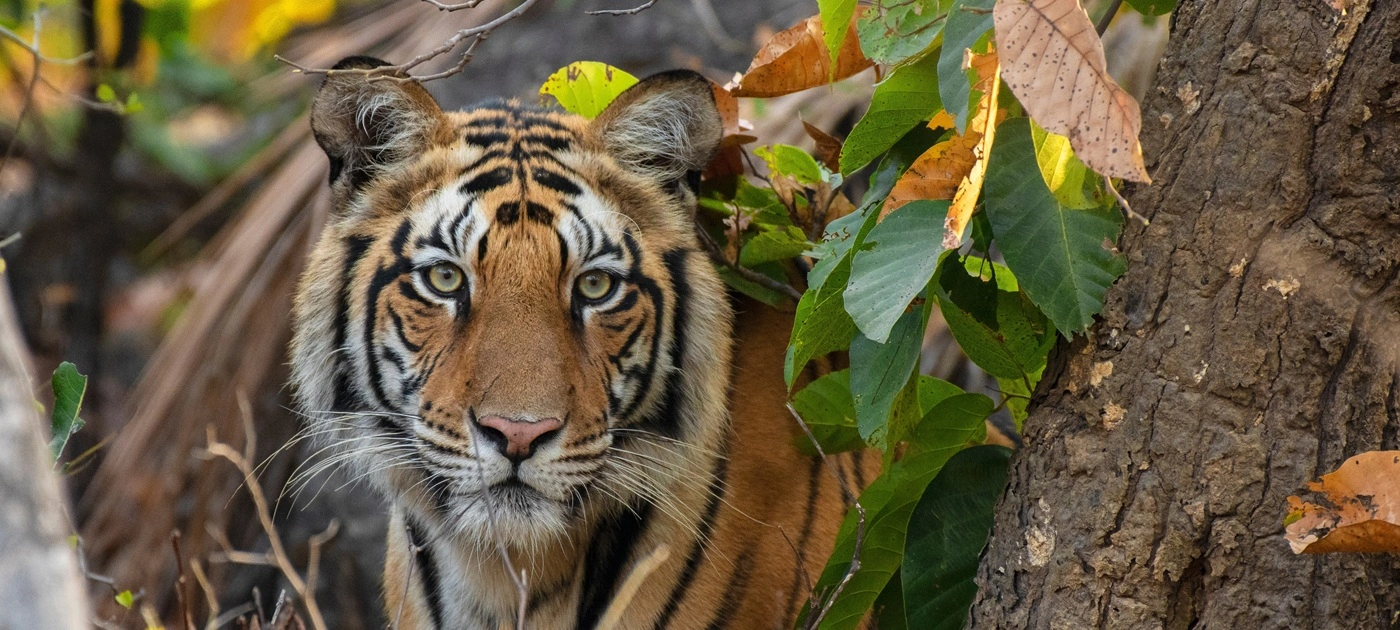
A Bengal tiger safari in Nepal is one of those trips that most international travelers do not realize is genuinely available until they arrive in Kathmandu and start asking questions. The mental association of tigers and the subcontinent runs through India — Ranthambore, Bandhavgarh, Kanha, Tadoba — and Nepal's southern Terai lowlands rarely come up in the standard safari research. They should.
The Nepal tiger population has nearly tripled over the last fifteen years through a sustained community-led conservation effort that produced one of the largest demographic recoveries of any large mammal in modern conservation history. The southern lowlands today host wild Bengal tigers at densities that rival those of India's premier reserves, and Nepal offers something India largely cannot — walking safaris in tiger country, smaller crowds, lower visitor density per jeep, and a more intimate experience of the subcontinental jungle.
After years of running tiger safaris into the Terai lowlands, our team has watched the rhythm of these trips settle into a predictable pattern. The single most important variable is the park selected — Bardia in the far west delivers the highest sighting probability in the country and sits well above Chitwan for serious wildlife travelers, despite Chitwan having the larger absolute population and the heritage status.
The second most important variable is the season — late spring through early summer (the hottest months) is when the probability of a sighting peaks because shrinking water sources concentrate tigers along major rivers. The third variable is the operator and the local tracker team — generational tracking knowledge of pugmarks, alarm calls, and territorial scrape sites is the difference between safaris that produce sightings and safaris that produce stories about how close everyone got.
This guide covers the five national parks where we run tiger safaris — Bardia, Chitwan, Parsa, Shuklaphanta, and Banke. We explain the dry-season timing that determines sighting probability, the four safari modalities available (jeep, walking, canoe, and the elephant-back option that we do not run and recommend against), the conservation backstory that has made Nepal a global tiger conservation success, the human-wildlife conflict reality that ethical travelers should understand, and how our team operates these departures.
Important: Tiger sightings cannot be guaranteed, regardless of an operator's capability or financial investment. The Bengal tiger is a solitary, ambush-hunting apex predator that uses dense vegetation and dappled forest light in its hunting strategy. Sighting probability in our recommended parks is genuinely good in the right season — among the best in the world for wild Bengal tigers — but no operator can guarantee a sighting on any given safari. We are honest about this at the time of booking. Travelers who require guaranteed wildlife encounters should consider African safari operations rather than subcontinental tiger work.
Why Nepal Is the Strongest Country for a Bengal Tiger Safari Right Now
India has more tigers in absolute terms — by an order of magnitude. India also has the longer-established safari infrastructure, the better-known parks, and the household-name destinations that dominate international tiger search results. So why is Nepal the right answer for a meaningful share of luxury wildlife travelers?
Three reasons. First, the conservation trajectory in Nepal over the past 15 years has been the strongest of any tiger range country in the world — the population has nearly tripled, and key parks like Bardia have seen tiger numbers grow by an order of magnitude.
Second, Nepal's tiger parks operate at a fraction of the visitor density of the most popular Indian reserves. A morning safari at Bardia or Shuklaphanta might encounter two or three other vehicles across the entire drive. The same morning at Ranthambore or Bandhavgarh during peak season, one encounters dozens.
Third, Nepal permits walking safaris in tiger country — a modality almost completely unavailable in Indian tiger reserves, where vehicle-only access is the legal norm. The visceral experience of tracking a Bengal tiger on foot through the Karnali River floodplains is genuinely unique to Nepal among the major Bengal tiger destinations.
The Conservation Story Behind Today's Numbers
The Nepal tiger recovery is worth understanding in outline because it explains why sightings are even possible today. A century ago, the Terai lowlands were the global stage for elite big-game hunting expeditions, and the tiger population was systematically depleted across decades of trophy shooting alongside the broader colonial-era extraction of Himalayan megafauna.
The mid-twentieth century brought a different kind of pressure — successful malaria eradication in the 1950s opened the malarial Terai to large-scale agricultural settlement, and the prime riverine forests that supported the tigers were converted to farmland at speed. The tiger was, by the 1970s, on the brink of regional disappearance.
The reversal began with the gazetting of Chitwan National Park in 1973 and accelerated through the early 2000s with two specific interventions. The first was Community-Based Anti-Poaching Units — local citizens trained and equipped to monitor their own forests, often drawn from communities that had previously depended on the forest for fuelwood and grazing.
The second was transboundary corridor restoration, particularly the Khata corridor connecting Bardia in Nepal with Katarniaghat in India, which restored a degraded 115-hectare strip into a functioning 3,800-hectare tiger movement corridor. The result is the population that travelers can see today. Travelers booking with us are part of the income stream that funds the buffer zone communities, anti-poaching work, and corridor management that keep the species alive.
Seasonal Timing: Why the Hottest Months Are the Best Months
The timing of tiger safaris in Nepal is counterintuitive. The most comfortable months are not necessarily the best months for sightings. The best sighting months are the months most travelers want to avoid. Understanding this trade-off honestly is the foundation of planning a successful tiger safari.
Pre-Monsoon (March to May) — The Strongest Window
Late spring through early summer is the absolute peak window for tiger sightings. The reason is straightforward — water. As interior forest waterholes dry up through April and May, tigers are forced to congregate along the permanent rivers (the Karnali in Bardia, the Rapti in Chitwan, the Mahakali tributaries in Shuklaphanta).
Tigers also need to immerse themselves in water to thermoregulate in extreme heat. The combination — concentrated movement along predictable river corridors, frequent daytime water visits, and reduced vegetation cover from the dry-season die-back — produces sighting probabilities that no other window matches.
The cost is that daytime temperatures hit the mid-40s Celsius in late April and May. Safaris are scheduled for early morning (5:00-9:00 AM) and late afternoon (4:00-7:00 PM) to avoid the lethal midday hours, with the middle of the day spent at the lodge.
Winter (December to February) — The Second-Strongest Window
Winter offers the second-strongest sighting probability and is genuinely the most comfortable safari window. Cool mornings often start with thick fog that burns off by 9:00 AM, pleasant 20-25 Celsius afternoons, and cold nights. Wildlife remains active throughout the daylight hours rather than retreating to deep shade.
A specific advantage of the winter window — local communities are permitted to harvest the tall elephant grass for building material during this period, which dramatically opens the line of sight across the grasslands and improves visual detection of tigers in zones that would be otherwise impenetrable. Travelers who prioritize comfort and good sighting probability typically choose January or February.
Post-Monsoon (Late September to November) — Moderate
The post-monsoon window is the most aesthetically beautiful but produces a moderate sighting probability. The forest is lush and verdant, the rivers run high and clear, and the mountain backdrops are at their crispest. The trade-off is that thick post-monsoon vegetation significantly reduces visibility, and abundant surface water means tigers do not need to visit the major rivers — they remain dispersed across the entire park rather than concentrated along predictable corridors.
Travelers who prioritize landscape photography alongside wildlife often choose this window despite the lower probability of tiger sightings.
Monsoon (June to Early September) — Not Recommended
We do not run tiger safaris during the monsoon. Core park zones are frequently closed for the season. Torrential rain produces impassable roads, washed-out bridges, and standing water that breeds mosquitoes and leeches. Explosive vegetation growth makes any wildlife observation effectively impossible. Travelers planning a Bengal tiger safari should coordinate their trip with the dry-season schedule.
The Five Parks Where We Run Tiger Safaris
1. Bardia National Park — The Sighting Probability Zenith
Bardia is our first recommendation for any traveler serious about seeing a wild Bengal tiger. The park covers 968 square kilometers in the far-western Terai and currently supports a population that has grown roughly sevenfold across the past decade and a half — one of the most aggressive demographic recoveries of any tiger population worldwide. The combination of high tiger density, lower visitor footfall, open terrain, and major river systems produces the strongest sighting probability of any park covered in this guide.
The terrain matters significantly. Where Chitwan is dominated by extremely tall elephant grass and dense Sal forest that conceals tigers within meters of the safari track, Bardia is roughly seventy percent open grassland, savannah, and riverine forest. The visual penetration is substantially better.
Pugmarks in the river silt at dawn are visible from a moving jeep. Alarm calls from langur monkeys carry across the open grassland for hundreds of meters and signal exactly where to direct the search. The Karnali and Babai river systems bisect the park and act as predictable tiger corridors, particularly in the dry season when they are the only reliable water sources.
Bardia is also Nepal's most popular park for walking safaris. The open terrain allows safe observation distances and early detection. Walking safaris are led by local guides with deep generational knowledge of pugmarks, scat, and territorial scrapes — the kind of knowledge that no jeep-only operator can replicate.
The visceral experience of tracking a Bengal tiger on foot is something that India's tiger reserves largely cannot offer. The lower visitor density compared to Chitwan also means that on the rare occasions when a sighting happens, it tends to be solitary rather than crowded with other vehicles. Standard luxury Bardia safaris run 4-7 days plus access logistics.
2. Chitwan National Park — The Heritage Core
Chitwan is the heritage answer. Established in 1973 as Nepal's first national park and later designated a UNESCO World Heritage site, Chitwan is the country's most visited and most developed wildlife destination. The 932-square-kilometer park supports the largest absolute tiger population in the country, over 120 individuals, and the densest concentration of greater one-horned rhinoceroses anywhere in the world.
Despite the larger tiger population, the probability of a sighting in Chitwan is meaningfully lower than in Bardia. The reason is purely ecological — Chitwan's vegetation is significantly denser. Elephant grass routinely reaches 8 meters in height.
The riverine Sal and silk-cotton forest is thick. A fully grown adult tiger can remain entirely concealed within meters of a jeep track, and the camouflage of the species is genuinely effective in this habitat. The visitor density is also higher — Chitwan's proximity to Kathmandu makes it the easiest tiger park to reach, and the safari traffic on a peak-season morning is heavier than at any other park in the country.
The case for Chitwan, despite its lower tiger-sighting rate, is its broader experience. The rhinoceros encounters are essentially guaranteed — Chitwan is arguably the best one-horned rhino destination in the world. The gharial crocodile sightings from canoe trips on the Rapti River are excellent.
The Tharu cultural heritage in the buffer-zone villages is rich and accessible. The luxury accommodation tier is mature — Chitwan has the most developed luxury lodge ecosystem of any Nepal wildlife destination. Travelers who want a complete subcontinental jungle experience with tigers as one component rather than the singular focus often find Chitwan the right answer. Standard luxury Chitwan safaris run 3-5 days plus access logistics.
3. Parsa National Park — The Off-the-Beaten-Path Companion
Parsa sits directly adjacent to Chitwan on its eastern border and forms the larger Chitwan-Parsa Complex. Parsa is significantly less visited than Chitwan despite the contiguous habitat, which means safaris into Parsa offer a genuinely uncommercialized experience.
The terrain is different from Chitwan — Parsa is dominated by the rolling Churiya Hills between 750 and 950 meters in elevation, with dry Sal forest interspersed with chir pine. The drier topography supports a different species mix from Chitwan, including striped hyenas, palm civets, wild dogs, and a resident wild Asian elephant population.
The probability of tiger sightings in Parsa is lower than in Bardia or Chitwan because the tiger population is smaller and the terrain is more rugged. The trade-off is the genuine isolation. Parsa receives a tiny fraction of Chitwan's tourist volume. Safari mornings at Parsa are silent in a way that Chitwan rarely manages. The park is also one of Nepal's strongest birding destinations, with over 500 documented species, including the great hornbill. Travelers booking Parsa typically combine it with a Chitwan stay as an extension, splitting safari days between the two parks for variety.
4. Shuklaphanta National Park — The Grassland Anomaly
Shuklaphanta is the smallest of Nepal's tiger parks, at 305 square kilometers, but it punches well above its weight. The park supports one of the highest tiger densities per square kilometer in the country because of an unusual ecological feature — Shuklaphanta hosts the largest continuous swamp deer herd in the world. The hyperabundant prey base allows a surprising number of tigers to thrive in a small area without depleting the ecosystem.
The Shuklaphanta experience is visually distinctive. The unbroken subtropical grassland produces sweeping panoramic views that look more like East African savannah than typical subcontinental jungle. Tigers in this terrain are visible at distances and in lighting conditions that no dense-forest park can produce.
The dry spring months, when thousands of swamp deer congregate around shrinking water bodies like Rani Tal, are statistically the strongest sighting window of any Nepal park for the right combination of probability and visual quality. The trade-off is access — Shuklaphanta requires a domestic flight from Kathmandu to Dhangadhi, followed by an overland transfer, or a 12-14 hour drive across the breadth of the country. Visitor density is genuinely low. Standard Shuklaphanta safaris run 3-5 days plus access logistics.
5. Banke National Park — The Transboundary Connector
Banke is Nepal's newest national park, established in 2010 as a direct strategic response to the global tiger conservation summit that year. The park covers around 550 square kilometers and currently supports a moderate but growing tiger population.
Banke's significance lies less in absolute tiger numbers and more in its role as a connector between Bardia in Nepal and Katarniaghat in India across the broader landscape. The contiguous protected area created by the Bardia-Banke combination supports wide-ranging tiger movement and prevents genetic bottlenecks that fragment isolated populations.
Banke is genuinely emerging as a tourism destination. The infrastructure is developing rather than mature. Travelers who book Banke typically do so as a multi-day extension of a primary Bardia safari, taking advantage of the contiguous habitat and the drier forest character. The terrain is markedly drier than that of Bardia, with distinct flora and the presence of specialized species such as the four-horned antelope. Standard Banke extensions add 2-3 days to a Bardia safari.
Five Parks Compared
|
Park
|
Best For
|
Duration
|
Sighting Probability
|
|
Bardia
|
Highest sighting probability; walking safaris; lower visitor density
|
4–7 days
|
Highest
|
|
Chitwan
|
Heritage core; mature luxury infrastructure; rhinoceros guaranteed
|
3–5 days
|
Moderate
|
|
Parsa
|
Quiet wilderness; birding; Chitwan extension option
|
2–3 days extension
|
Moderate-Low
|
|
Shuklaphanta
|
Grassland savannah; swamp deer concentrations; very low visitor density
|
3–5 days
|
Moderate-High
|
|
Banke
|
Emerging destination; Bardia extension; pristine wilderness
|
2–3 days extension
|
Moderate
|
Safari Modalities: Jeep, Walking, Canoe, and Why We Do Not Run Elephant Safaris
Jeep Safari
The default modality for most tiger safaris and the right choice for travelers prioritizing area coverage. Open-topped 4WD jeeps cover large geographical areas of the park, allowing safari teams to respond quickly to alarm calls and pugmark sightings several kilometers apart. The jeep's structural barrier also provides a safety buffer against encounters with rhinos, sloth bears, and tigers.
We run private jeep safaris (rather than shared-seat safaris) for our luxury guests because the per-person experience of a private vehicle is meaningfully different from a shared one — your morning is calibrated to your group's pace and photography preferences rather than to the operator's schedule.
Walking Safari
The visceral modality. Walking safaris are permitted in Nepal and largely prohibited in India, making them a genuine differentiator of the Nepal tiger experience. Walking safaris run with at least two licensed guides per group, and the open terrain of Bardia is meaningfully better suited to walking than the dense vegetation of Chitwan.
The experience is intense — tracking pugmarks in river silt, listening for the specific alarm-call pattern of langur monkeys that signals a predator nearby, reading scat and territorial scrape sites at close quarters. Walking safaris produce fewer total sightings than jeep safaris because they cover less ground, but the sightings that do happen are at closer range and on equal terms with the animal. We recommend at least one walking safari in the morning on any Bardia itinerary.
Canoe Ride
The silent observation modality. Traditional hand-carved wooden canoes drift down the Rapti River in Chitwan or the Karnali in Bardia, propelled by the current rather than an engine. The silence is the asset — birds tolerate close approach, gharials bask undisturbed on the banks, and tigers occasionally emerge to drink at the water's edge in late afternoon and evening.
Canoe rides are not the primary way to spot tigers, but they add a dimension to the trip that no jeep can match. The Chitwan canoe trips on the Rapti are particularly strong for gharial crocodile observation and birding.
Why We Do Not Run Elephant Safaris
Elephant-back safaris are still offered by some operators in Nepal. We do not run them, and we recommend against them. The training methods used to make elephants tolerate human riders involve practices that are inappropriate for any of our guests to fund through their bookings. The international wildlife travel industry has been moving away from elephant-back safaris for the past decade for ethical reasons, and the global luxury tier has largely completed that transition.
Travelers wanting elephant interaction can observe elephants in their natural habitat on a jeep safari (wild herds in Chitwan and Parsa are regularly visible) or participate in cruelty-free observation activities at ethical sanctuaries. We do not book elephant rides, and we will explain our position openly to any guest who asks.
Where the Tiger Safari Sits Versus Nepal's Other Wildlife Trips
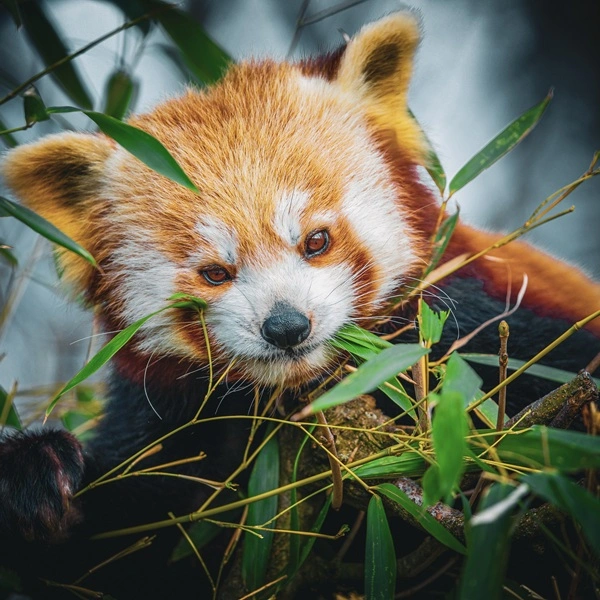
Tiger safaris run in the southern Terai lowlands at altitudes of 150-300 meters. They are tropical jungle trips—hot, humid, and lush. They are completely unlike the high-altitude wildlife work that defines our snow leopard and red panda departures, which run in winter at altitudes of 3,000-5,000 meters.
The clothing requirements are different (light cotton and linen versus down and thermal layers), the daily rhythm is different (5:00 AM jeep departure versus 5:00 AM scope set-up at altitude), and the pacing is different (short intensive safari days versus week-long altitude exposure).
Travellers planning multiple wildlife experiences in a single trip to Nepal can combine in a few productive ways: tiger safari at Chitwan or Bardia plus Kathmandu cultural circuit (the standard 10-12 day itinerary), tiger safari plus Everest helicopter day tour (the 'jungle and mountain' framing for travellers wanting both extremes), tiger safari plus a winter snow leopard departure (the 14-21 day double-wildlife combination for serious wildlife travellers, run in the January-March window). We build combined itineraries on request—the right combination depends on the traveler's available time and the priority weighting for species.
The Human-Wildlife Conflict Reality Travelers Should Understand
The recovery of the Nepal tiger population has produced a counterpart that international travelers should understand honestly before booking. The buffer zone communities surrounding the major parks — predominantly indigenous Tharu families, alongside hill-migrant farmers — live with the daily reality of apex predators on the same paths they use to collect firewood, graze livestock, and walk to school.
As tiger numbers have grown, human-tiger conflict incidents have grown alongside them. Real fatalities, real livestock loss, real psychological burden carried disproportionately by some of the poorest communities in the country.
The conservation literature sometimes frames this as a problem to be solved through better mitigation. The honest framing is more complex — these communities are paying the day-to-day cost of a conservation success that the international community celebrates from a distance.
The way travelers can contribute meaningfully is through direct economic flow into the buffer zone communities. That means: lodges that employ local Tharu guides at proper wages, purchases of local handicrafts directly from the makers, contributions to the Community-Based Anti-Poaching Units that keep the corridors safe, and acceptance that the modest extra cost of community-supporting operations is the actual price of an ethical tiger safari. Operators who undercut on price are usually cutting community payments, which is the wrong place to save money.
Permits, Costs, and Practical Logistics
Park Entry and Daily Fees
Park entry fees for foreign nationals are modest in absolute terms — typically USD 10-25 per day, depending on the park, plus small additional charges for a vehicle and a guide. Costs change periodically, and the fee structure is administered through the registered agency rather than by the traveler directly.
Our team confirms current fees at the time of booking. Beyond entry fees, the substantive costs are vehicle hire (a private jeep is the right tier for luxury safaris), guide fees (both park-mandated guides and our own naturalist), accommodation, and any specialist photography or canoe arrangements.
Access Logistics by Park
- Chitwan — easiest. 25-minute domestic flight from Kathmandu to Bharatpur or 5-6 hour road transfer through scenic countryside
- Parsa — same access as Chitwan, with a short overland transfer to the eastern boundary
- Bardia — flight from Kathmandu to Nepalgunj (1 hour) plus overland transfer of 2-3 hours, or domestic flight to Cobalpur
- Banke — same access as Bardia; the two parks are typically combined
- Shuklaphanta — flight from Kathmandu to Dhangadhi plus overland transfer, the most logistically intensive of the five
Lead Time for Booking
- Chitwan luxury accommodation: 4-6 months ahead for spring (March-May). Peak winter (December-February) tightens the earliest
- Bardia luxury accommodation: 5-7 months ahead because the inventory is smaller, and the strongest sighting season concentrates demand
- Shuklaphanta and Banke: 4-6 months ahead. Inventory is smaller still, but demand is also lower
- Parsa (as Chitwan extension): added at the same time as the primary Chitwan booking
How Tracking Actually Works on the Ground
The Daily Rhythm in Pre-Monsoon Season
- 4:30 AM — Wake at lodge. Light breakfast. Cool morning before the heat builds
- 5:30 AM — Jeep departs into the park for the morning safari. The first hour after sunrise is statistically the strongest single window of the day
- 6:00–9:30 AM — Active tracking. Scan riverbanks for fresh pugmarks. Listen for langur and chital alarm calls. Position the jeep at known territorial scrape sites and wait when signs indicate a tiger nearby
- 9:30–10:00 AM — Return to lodge as temperatures begin to climb. The deep middle of the day is unproductive for tiger sightings — they retreat to dense shade and water
- 10:00 AM–3:30 PM — Lodge time. Brunch, rest, midday recovery, cultural visit to a local Tharu village if the temperature allows
- 3:30 PM — Light tea, jeep departs into the park for the afternoon safari
- 4:00–6:30 PM — Afternoon tracking through the cooler late-afternoon window. The evening hours produce the second-strongest sighting probability of the day, with tigers active around water sources before nightfall
- 6:30 PM onward — Return to lodge. Hot dinner, briefing for the following day
What Trackers Actually Look For
Local trackers read the forest at a level that travelers cannot replicate after years of accumulated experience. The specific signals that indicate a tiger nearby — fresh pugmarks pressed into damp riverside silt with the heel pad still sharp, the territorial scrape sites where dirt has been recently disturbed, the alarm-call pattern of langur monkeys (a specific repeated short bark that means terrestrial predator) versus the call pattern that indicates a leopard versus the call that indicates a sloth bear — these are the variables that convert long safari hours into actual sightings.
The accumulated knowledge of which water holes are currently active, which corridors a particular tigress is using to move her cubs, which scrape sites are fresh and which are weeks old — this is what a luxury operator's tracker team brings that a budget operator's casual guide cannot.
Ethical Tiger Safari Standards
- Maintain at least 50 meters distance from tigers, rhinos, and other apex predators. Closer approaches induce stress and disrupt natural behavior
- Maintain silence during safaris. Loud conversation, ringing phones, and excited reactions to sightings are inappropriate and counterproductive — they ruin the experience for the rest of the safari party and disturb the animal
- Wear neutral earth-toned clothing on safaris. Bright colors startle wildlife and reduce sighting opportunities for the entire group
- No flash photography during evening or low-light sightings. Flash temporarily blinds nocturnal and crepuscular animals and can disorient tigers in particular
- Decline elephant rides regardless of operator persuasion. The training methods are not appropriate to fund through your bookings
- Decline animal-handling tourism — staged tiger photographs at sanctuaries, posing with restrained animals, anything that involves touching or close-staging wildlife. Wild observation only
- Use community-employing lodges and locally-guided operations. The buffer zone communities pay the daily cost of conservation success and deserve direct economic flow from the tourism that depends on it
How Our Team Operates Tiger Safaris
After years of running tiger safaris into the Terai, our operating standards have settled into the practices below. We publish them so prospective travelers can compare across operators.
- Local trackers are the central asset. Every tiger safari we run is led by experienced local guides — typically Tharu naturalists whose families have lived alongside these forests for generations and whose tracking knowledge has accumulated over decades. The trackers are not casual hires. They are the long-term partners on whom our entire operation depends.
- Private jeep safaris for luxury guests. We do not put our guests on shared-seat safaris with strangers. Private vehicles allow the morning to be calibrated to your group's pace, your photographer's preferences, and the specific alarm-call response opportunities that warrant pursuit. The cost difference is meaningful, but the experience difference is greater.
- Honest sighting probability disclosure. We tell every guest at booking that sightings cannot be guaranteed, and we are direct about which parks have higher and lower sighting rates and which seasons are stronger and weaker. Operators who promise guaranteed tiger sightings are either misrepresenting the species or working with operators who stage encounters that compromise the animals.
- We do not run elephant-back safaris. The training methods used to domesticate elephants for human riding are not appropriate for the fund. We use jeeps, walking safaris, and canoe rides as the three modalities. We are direct with guests who ask why.
- Strict ethical observation protocols. Distance maintained, silence during sightings, no flash photography, no off-track pursuit, no playback calls. Our guides enforce these standards on every safari regardless of guest pressure.
- Community-employing accommodation choices. We use lodges that employ local Tharu staff at proper wages, source food locally, and contribute to the buffer zone communities. The specific properties are confirmed in the private booking proposal rather than published on this page, in line with our standard practice.
- Conservation contribution is built into the trip cost. A portion of every tiger safari cost is contributed directly to the Community-Based Anti-Poaching Units, buffer zone community projects, and corridor management work that sustain tiger recovery. Travelers who book with us are part of the funding model that keeps the species alive.
Frequently Asked Questions
Are Bengal tiger sightings guaranteed?
No. The Bengal tiger is a solitary, ambush-hunting apex predator with extensive home ranges and high natural caution. Sighting probability in our recommended parks during the right season is genuinely good — among the best in the world for wild Bengal tigers — but no operator can guarantee a sighting on any given safari. We are honest about this at the time of booking. Travelers who require guaranteed wildlife encounters should consider African safari operations rather than subcontinental tiger work.
Which Nepal park has the best tiger sighting probability?
Bardia National Park in the far west delivers the highest sighting probability in the country. The combination of high tiger density, lower visitor density, and open terrain (roughly 70 percent grassland and savannah, versus the dense Sal forest of Chitwan) provides significantly better visual access. Bardia is our default recommendation for any traveler serious about seeing a wild Bengal tiger. Chitwan has the larger absolute population and the heritage status, but the dense vegetation and higher visitor footfall reduce per-day sighting rates.
When is the best time of year for a tiger safari in Nepal?
The pre-monsoon (March to May) is the strongest single window because shrinking water sources concentrate tigers along major rivers. The cost is extreme heat — daytime temperatures hit the mid-40s Celsius in late April and May, so safaris are scheduled around early morning and late afternoon, with the middle of the day at the lodge.
Winter (December to February) is the second-strongest window and the most comfortable, with cool mornings, pleasant afternoons, and the added advantage of the grass-cutting season opening up visibility. Post-monsoon (late September to November) is moderate. The monsoon season (June to early September) is not recommended.
How is a Nepal tiger safari different from an Indian tiger safari?
Three meaningful differences. First, visitor density — Nepal's tiger parks see a fraction of the visitor footfall of premier Indian reserves like Ranthambore or Bandhavgarh, which means safari mornings are quieter and sightings are rarely shared with multiple jeeps. Second, walking safaris are permitted in Nepal and largely prohibited in India, which gives Nepal a unique visceral modality. Third, the conservation success over the past fifteen years has been more dramatic in Nepal — particularly at Bardia — which produces a genuinely different feeling on the trip compared to the longer-established Indian reserves.
Can I track tigers on foot?
Yes, in Nepal. Walking safaris are permitted in all the parks covered in this guide, and Bardia is the best park for walking safaris because its open terrain allows for safe observation distances. Walking safaris run with at least two licensed guides per group. The experience is intense — tracking pugmarks in river silt, listening for the alarm-call patterns that signal a predator nearby, reading scat and territorial scrapes at close quarters. Walking safaris produce fewer total sightings than jeep safaris because they cover less ground, but the sightings that happen are at closer range. We recommend at least one walking safari in the morning on any Bardia itinerary.
How fit do I need to be for a tiger safari?
Moderate fitness for jeep-only itineraries — the physical demand is sitting in a vehicle for several hours and short walks at the lodge. Higher fitness for itineraries that include walking safaris — the walking safaris run 4-6 hours through varied terrain in genuinely hot conditions during the strongest sighting season. Travelers planning walking safaris should arrive in reasonable cardio condition and accept that the heat in the pre-monsoon season is a serious physical variable. We send fitness guidance to every confirmed walking safari guest in the pre-departure brief.
Is a tiger safari safe?
With qualified guides and proper protocols, yes. Jeep safaris are operationally very safe — fatalities involving tourists are extremely rare. Walking safaris are inherently more exposed, which is why they run with at least two licensed guides per group and follow strict protocols around distance, visibility, and approach. The genuine risk on walking safaris is more often a startled rhinoceros or sloth bear than a tiger. Travelers should follow the guide's instructions exactly during sightings — staying still rather than moving is almost always the right response. Travelers with cardiac conditions or other health concerns should consult their physician before booking walking safaris specifically.
What about elephant safaris?
We do not run elephant-back safaris and do not recommend them. The training methods used to domesticate elephants for human riding involve practices that are not appropriate to fund through luxury bookings. The international wildlife travel industry has been moving away from elephant rides for the past decade for ethical reasons. Travelers wanting elephant interaction can observe wild elephants on jeep safaris (the wild herds in Chitwan and Parsa are regularly visible) or participate in cruelty-free observation activities at ethical sanctuaries. We are direct with any guest who asks why.
How does the tiger safari combine with other Nepal experiences?
Several productive combinations. The most common is a tiger safari at Chitwan or Bardia, plus a Kathmandu cultural circuit (the standard 10-12-day itinerary). The 'jungle and mountain' framing combines a tiger safari with the Everest helicopter day tour in a single trip. Serious wildlife travelers sometimes combine a tiger safari with a winter snow leopard or red panda departure, creating a 14-21-day double-wildlife trip. We build combined itineraries on request — the right combination depends on the time available and priority weighting between species.
How much should I budget for a luxury tiger safari?
Standalone luxury tiger safaris (4-7 days in Bardia or 3-5 days in Chitwan, with appropriate accommodation, private vehicles, and experienced trackers) typically cost USD 3,500-7,000 per person. Multi-park itineraries combining Bardia with Banke or Chitwan with Parsa run USD 5,500-9,500 per person. Combined wildlife trips that pair a tiger safari with another major Nepal experience (cultural Kathmandu, Everest helicopter, snow leopard tracking) cost more, depending on the scope. International flights, travel insurance, gratuities, and discretionary purchases are additional. The lead time for booking is 4-7 months for the strongest seasons.
How early should I book?
Five to seven months ahead for the strongest seasons (pre-monsoon and winter) at the better luxury accommodation tiers. Bardia's luxury inventory is smaller than Chitwan's and tightens earlier. Shuklaphanta's inventory is smaller still, and the Dhangadhi flights have limited daily capacity. Travelers contacting us in January for a March-April departure are usually too late to secure the best dates. The right lead time for spring is the previous summer or autumn. The right lead time for winter is the previous spring or early summer.
What about the human-wildlife conflict reality?
This is worth understanding before booking. The buffer zone communities surrounding the major parks — predominantly indigenous Tharu families — pay the day-to-day cost of living alongside apex predators. Real fatalities, real livestock loss, real psychological burden carried by some of the poorest communities in the country. Travelers can contribute meaningfully by using lodges that employ local Tharu guides at proper wages, purchasing local handicrafts directly from makers, supporting Community-Based Anti-Poaching Units, and accepting that the modest extra cost of community-supporting operations is the actual price of an ethical safari. Operators who undercut on price often do so on community payments, which is the wrong place to save money.
Plan Your Bengal Tiger Safari With Us
Tell us your preferred park, your dates, your safari modality preferences, and any combination of interest with other Nepal wildlife or cultural experiences. Our team returns a written proposal within 48 hours covering the route, the tracker team, the accommodation tier, the conservation contribution included, and the realistic sighting probability for your dates. The Nepal tiger safari is one of the genuine wildlife stories of the past two decades — and one of the most rewarding for travelers who choose the right park, the right season, and the right operator.