Nepal has two peak travel windows. Knowing which one matches your priorities matters more than knowing the windows exist.
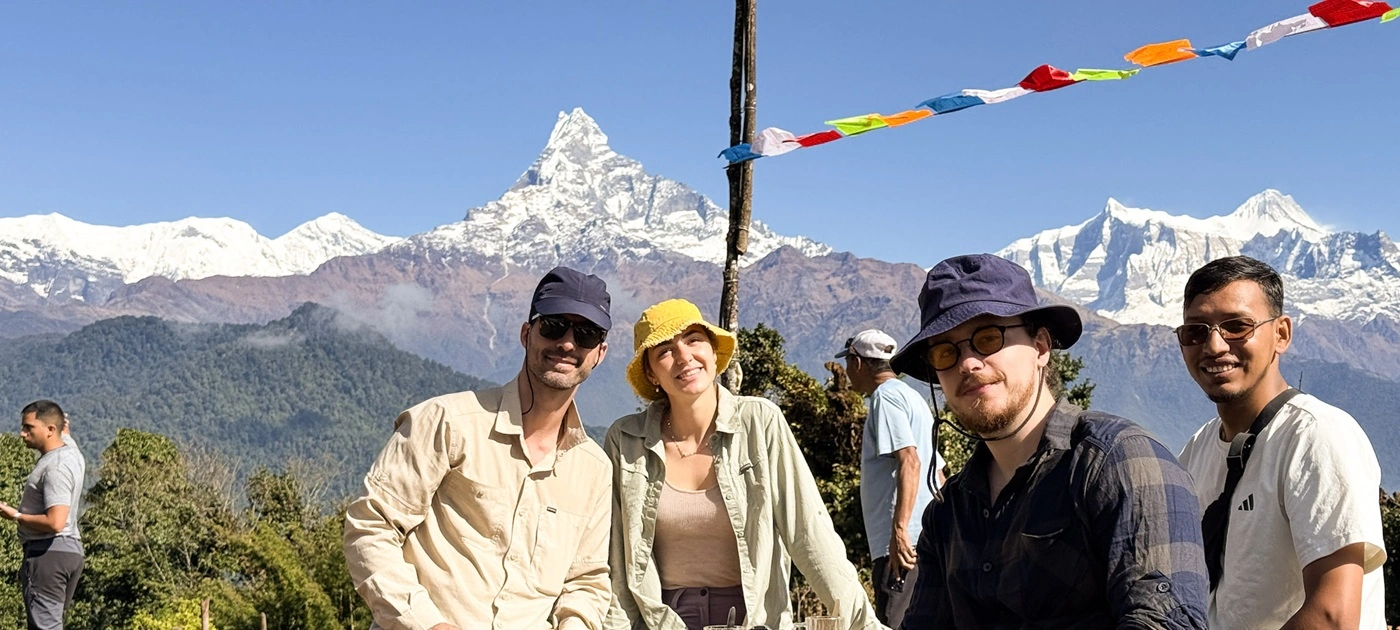
For most first-time travelers, mid-October to mid-December is the strongest window. The monsoon has cleared. The Himalayan peaks are sharp. The trekking trails are dry. Dashain and Tihar — the two biggest Hindu festivals of the year — fall in this period. Daytime temperatures in the Kathmandu Valley are comfortable, and the nights are crisp rather than cold.
Mid-March through mid-June is the second peak. Spring brings rhododendron bloom across the middle hills (Nepal is the rhododendron capital of the world, with 31 documented species), warmer trekking weather, Holi in March, and Buddha Jayanti in May. Heat builds in the lower Terai belt by late April, which is why Chitwan and Bardia safari trips get harder after May. But higher altitudes stay pleasant into June.
Beyond these two windows, Nepal has a complex seasonal architecture that most travel sites oversimplify. Monsoon months from late June through mid-September deliver heavy rain across most of the country, but the rain-shadow region of Upper Mustang becomes one of the best destinations in the Himalayas precisely in this window. Deep winter, from January to early February, closes high-altitude trekking routes but delivers crystal-clear skies over the Kathmandu Valley and pristine Annapurna foothills.
At Alpine Luxury Treks, we have been building Nepal itineraries across every season for 15 years from our base in Kathmandu. This guide walks through every month, every climate zone, and every type of Nepal experience — so you can time your trip deliberately rather than defaulting to the generic advice every other travel site gives.
In This Guide
- The quick answer (if you just want a recommendation)
- Month-by-month calendar with weather and festivals
- The four seasons in depth
- Nepal’s three climate zones and what they mean for itinerary planning
- Best time for trekking (EBC, Annapurna, Upper Mustang, Manaslu)
- Best time for specific experiences (festivals, safari, photography, wellness, honeymoons, families)
- When NOT to visit Nepal (honest monsoon and winter advice)
- The 2026 festival calendar
- Booking timeline by season
- Frequently asked questions
The Quick Answer
For most first-time travelers: late October through mid-November. This window consistently delivers the clearest Himalayan views of the entire year, stable trekking weather, comfortable valley temperatures, active cultural life, and the post-Dashain/Tihar festive atmosphere in cities.
For spring travelers: mid-March through mid-May. Rhododendron bloom in the middle hills, Holi in March, warmer trekking temperatures, and Buddha Jayanti in May. Some haze in the Kathmandu Valley, but excellent conditions above 2,500 meters.
For serious trekkers (Everest Base Camp, Annapurna Circuit): late September through mid-November or mid-March through May. These two windows combine stable weather with open high passes. Monsoon and deep winter close most high-altitude routes.
Nepal Month-by-Month: Weather and Festivals 2026
The weather data below reflect typical conditions in the Kathmandu Valley (1,400 meters). The lower Terai belt runs significantly warmer — often 8-12°C higher. The Everest and Annapurna high-altitude regions run significantly colder. See the regional climate zones section below for those differences.
|
Month
|
Weather (Kathmandu Valley)
|
Rainfall
|
Key Festivals / Notes
|
|
January
|
Cold, clear. 2–19°C days, frost overnight
|
Minimal
|
Crystal-clear Himalayan views. Quietest month. High-altitude treks are closed.
|
|
February
|
Cold, clearing. 3–20°C days
|
Minimal
|
Losar (Tibetan New Year) in late February. Kathmandu is dry and pleasant.
|
|
March
|
Spring begins. 8–25°C days
|
Light, increasing
|
Holi festival (March 3, 2026). Rhododendron bloom begins at 2,000-3,000m.
|
|
April
|
Warm, lush. 11–28°C days
|
Light-moderate
|
Peak rhododendron bloom. Excellent EBC/Annapurna trekking. Ram Navami mid-month.
|
|
May
|
Warm, humid building. 16–30°C days
|
Moderate
|
Buddha Jayanti (May 1, 2026). Pre-monsoon haze in the valley. Good trekking at altitude.
|
|
June
|
Monsoon begins. 19–30°C days
|
Heavy, increasing
|
The rainy season starts. Humid. Upper Mustang (rain-shadow) remains dry and accessible.
|
|
July
|
Full monsoon. 20–29°C days
|
Heaviest
|
Peak monsoon. Landslides common. Flight delays. Skip for most itineraries.
|
|
August
|
Monsoon continuing. 19–29°C days
|
Heavy
|
Still monsoon. Janai Purnima and Gai Jatra festivals. Upper Mustang peak season.
|
|
September
|
Monsoon clears. 18–28°C days
|
Moderate, decreasing
|
Post-monsoon clarity arrives mid-late month. Indra Jatra festival (Sept 26, 2026).
|
|
October
|
Peak autumn. 14–26°C days
|
Minimal
|
Clearest Himalayan views of the year. Dashain (Oct 12-26). Peak trekking season.
|
|
November
|
Cool, clear. 5–22°C days
|
Minimal
|
Tihar festival (Nov 8-12, 2026). Excellent trekking. Ideal general travel conditions.
|
|
December
|
Cold, clear. 2–19°C days
|
Minimal
|
Winter begins. Crystalline mountain views. High treks closing. Quieter culturally.
|
The Four Seasons of Nepal in Depth
Spring: March to May
Nepal’s spring is defined by two things: rhododendron bloom and rising heat. The rhododendron is the national flower — Nepal is home to 31 documented species, many endemic — and its blooms sweep up the middle hills from mid-March through early May, progressing from lower to higher altitudes as the season advances.
For trekkers, spring delivers reliably stable weather in the 2,500-4,500 meter band. Annapurna Sanctuary, Poon Hill, and Langtang are at their photogenic best, with magenta and white forests framing the mountain backdrops. The Everest Base Camp trail is in peak condition — dry trails, clear skies, manageable temperatures at lower elevations — though the upper sections (Lobuche, Gorak Shep) remain cold overnight.
For cultural travelers, March brings the Holi festival (March 3 in 2026) — the festival of colors that transforms Kathmandu’s Durbar Square and Thamel into vivid street photography territory. May brings Buddha Jayanti, celebrated with particular intensity at Lumbini (the Buddha’s birthplace).
The downside of spring: pre-monsoon haze accumulates in the Kathmandu Valley from late April onward, softening visibility of the Himalayas from the valley floor. This haze rarely affects mountain-based itineraries above 2,500 meters, but it matters for travelers who want to see the peaks from Kathmandu or Pokhara. Serious mountain photographers usually prefer autumn for this reason.
Monsoon: Late June to Mid-September
We do not recommend monsoon travel to Nepal for most visitors. Here is the honest assessment.
From late June through mid-September, the country receives roughly 80 percent of its annual rainfall. The Terai belt floods. Mountain roads face frequent landslides — the Kathmandu-Pokhara highway can close for hours or days at a time. Domestic flights (especially to Lukla for EBC trekking and to Jomsom for Upper Mustang) are subject to frequent weather-related delays and cancellations. Himalayan visibility collapses for weeks at a time under heavy cloud.
Trekking in the main regions (Everest, Annapurna Circuit, Langtang) becomes unpleasant at best and dangerous at worst — slippery trails, leech infestations in forest sections, landslide risk in the lower valleys, zero mountain visibility.
The critical exception: Upper Mustang and Dolpo. These regions lie in the rain shadow of the Annapurna and Dhaulagiri massifs, which block monsoon clouds from reaching the northern plateau. While the rest of Nepal is soaked, Upper Mustang stays dry, cool, and stable. The famous Tiji Festival in Lo Manthang falls in late May or early June. July and August are the peak months for trekking and cultural visits in Upper Mustang. This is counterintuitive to most travelers but accurate.
For everyone else, avoid the monsoon. Nepal at its best is not available during these months in the standard trekking and cultural circuits.
Autumn: Mid-September to Early December
Autumn is our preferred season for most guests, without close competition. The monsoon has scrubbed the atmosphere clean, so Himalayan visibility from Kathmandu, Pokhara, and mountain vantage points is the sharpest of the entire year. October daytime temperatures in the Kathmandu Valley run 14-26°C — pleasant, dry, and ideal. Trekking trails are dry and freshly green. Rice paddies in the middle hills turn gold before harvest.
This is also the cultural heart of Nepal’s year. Dashain (October 12-26 in 2026) is the longest and most significant Hindu festival — fifteen days of family gatherings, animal sacrifices at temples, ritual blessings with tika (rice and vermilion), and kite flying across the valleys. Tihar (November 8-12 in 2026), the festival of lights, follows two weeks later — Kathmandu’s streets fill with oil lamps, marigold garlands, and rangoli patterns drawn at every doorway.
For trekkers, the late-September to mid-November window is the peak of the peak. Everest Base Camp operators run nearly continuously. Annapurna Circuit, Annapurna Base Camp, Upper Mustang, and Manaslu Circuit are all at optimal conditions. The Khumbu region at Namche Bazaar and Tengboche is at its photographic best.
If we had to choose a single three-week window for a Nepal trip, it would be October 15 through November 8 — post-Dashain visibility at peak, Tihar just ahead, trails dry, air crisp. This is the window we actively steer flexible travelers toward.
Winter: December to February
Winter is underrated, and we actively recommend it to specific travelers.
December through February brings consistently clear skies across the Kathmandu Valley and the middle hills. Daytime temperatures in Kathmandu and Pokhara run 5-20°C, which is chilly but fine with layers. Mornings start frosty at 0-5°C. Importantly, visibility is often the clearest of the entire year — the peaks are sharp from every vantage point, and the tourist volume is a fraction of autumn.
Chitwan and Bardia national park safaris run excellently in winter — cooler temperatures mean better wildlife activity, and the absence of monsoon flooding makes park roads fully accessible. January and February are among our favorite months for Bengal tiger and rhino sighting probability.
The tradeoff: high-altitude trekking above 4,000 meters is closed or severely restricted from late December through mid-February. Everest Base Camp is possible for experienced trekkers with proper gear, but it can be cold and uncomfortable. The popular Annapurna Circuit’s Thorong La Pass (5,416 meters) is typically snow-closed. Upper Mustang can be done if you're comfortable with freezing overnight temperatures at 3,500-4,000 meters.
For winter cultural travel focused on Kathmandu Valley, Pokhara, and low-elevation experiences like Chitwan, the season works beautifully. Hotel rates are lower. Sites are uncrowded. Visibility is exceptional.
Nepal’s Three Climate Zones
“Best time to visit Nepal” is misleading because Nepal is effectively three countries stacked vertically. The lowland Terai belt feels like subtropical India. The middle hills around Kathmandu and Pokhara feel like temperate mountain country. The high Himalayas feel like Alaska or the high Alps. All three can occur on the same calendar date, and itineraries that span them require climate awareness.
|
Zone
|
Altitude
|
Climate Character
|
Best Time to Visit
|
|
Terai (Chitwan, Bardia, Lumbini)
|
100–300m
|
Subtropical. Hot, humid summers, mild winters
|
October–March (safari optimal)
|
|
Kathmandu Valley
|
1,400m
|
Temperate. Cool winters, warm spring/summer, dry autumn
|
October–December, March–May
|
|
Pokhara and Middle Hills
|
800–2,500m
|
Sub-tropical to temperate. Lush monsoons, clear autumns
|
October–November, March–April
|
|
Everest/Annapurna Trekking
|
3,000–5,500m
|
Alpine. Cold year-round at altitude, stable shoulder seasons
|
Mid-Sept to mid-Nov, mid-March to May
|
|
Upper Mustang (Rain Shadow)
|
3,000–4,000m
|
High desert. Dry year-round, cold winters
|
June–September (monsoon refuge), plus shoulders
|
The practical implication is that Nepal itineraries frequently cross all three zones in a single week. A typical luxury trip might combine Kathmandu (1,400 meters, layers needed in winter), a flight to Pokhara (800 meters, warmer), a helicopter to Annapurna Base Camp (4,130 meters, serious cold layers essential), and a drop to Chitwan (150 meters, shirtsleeves even in December). We brief guests on this during pre-trip planning, so packing decisions are deliberate.
Best Time for Trekking
Trekking is why many travelers come to Nepal. Each major trek has specific optimal windows, and getting this wrong wastes the physical and financial investment of the trip. Here is our honest region-by-region recommendation.
Everest Base Camp Trek
Mid-September to mid-November is peak season. Mid-March to mid-May is the strong second window. These are the only two realistic windows for most trekkers — monsoon closes Lukla flights and makes trails dangerous, and deep winter makes the upper sections (Lobuche, Gorak Shep, Kala Patthar) brutally cold.
October is the single most-booked month for EBC trekking globally. Clear weather, dry trails, stable temperatures at altitude, and active tea house routes. Book 9-12 months ahead for October departures — domestic flights to Lukla and lodge beds at key altitudes like Namche Bazaar and Pheriche are at capacity.
For luxury EBC trekking (including helicopter returns or luxury lodge circuits like Shinta Mani Mustang), the same windows apply, but with even greater urgency around booking timelines — the boutique lodges have very limited inventory.
Annapurna Circuit and Annapurna Base Camp
October and November are peak. March through early May is the spring window, with added appeal from rhododendron bloom at 2,500-3,500 meters.
The Annapurna Circuit’s crux is the Thorong La Pass at 5,416 meters. This pass is impassable from late December through late February due to snow accumulation. Early December and early March are the risky edges — possible but weather-dependent. We advise our guests to stick to the proven October-November and April-May windows for circuit attempts.
Annapurna Base Camp (4,130 meters) is more forgiving and can be attempted in late November and early December if you are comfortable with cold overnight conditions at the sanctuary.
Upper Mustang
This is where Nepal’s trekking calendar deviates from the rest of the country. Upper Mustang sits in the rain shadow north of the Annapurna range, so the monsoon barely touches it. June through September is the peak window for trekking and cultural visits — specifically because the rest of Nepal is flooded.
The Tiji Festival, a three-day Tibetan Buddhist ritual in the walled capital of Lo Manthang, falls in late May or early June (May 16-18 in 2026). Photographers and cultural travelers plan trips specifically around this festival.
Upper Mustang is also excellent in October and November if you want to combine it with standard autumn trekking windows. December through February are possible, but cold — overnight temperatures drop well below freezing at 3,500-4,000 meters.
Manaslu Circuit
Mid-September to mid-November, and mid-March to mid-May. The Larkya Pass at 5,106 meters closes in deep winter. Manaslu is less crowded than the Annapurna Circuit in autumn, which makes it a quiet-season favorite for repeat trekkers.
Langtang and Helambu
October to November, and March to May. These treks reach lower maximum altitudes (around 3,800-4,000 meters) than the EBC or the Annapurna Circuit, making shoulder-season trekking more forgiving. Winter is possible with proper cold gear; monsoon is not.
Best Time for Specific Experiences
Best Time for Wildlife Safari (Chitwan, Bardia)
Late October through early April. The Terai’s subtropical climate means that May through September is uncomfortably hot (35-40°C during the day), and monsoon flooding closes many park roads. From late October through March, conditions are ideal — moderate daytime temperatures (20-28°C), dry trails, and concentrated wildlife activity near waterholes.
For Bengal tiger sighting probability in Bardia National Park, January through March is the peak window — cooler temperatures mean tigers are more active during daylight hours, and the tall elephant grass has been cut back for visibility. For rhino, elephant, and gharial crocodile at Chitwan, the November-February window works best.
Best Time for Nepal Festivals
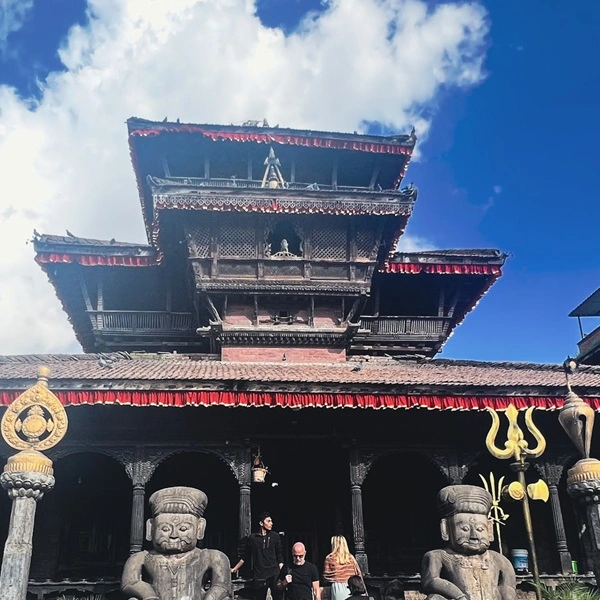
Depends on which festival. Holi (March 3, 2026) is vibrant and photogenic for a single day. Buddha Jayanti (May 1, 2026) is best experienced at Lumbini. Indra Jatra (September 26, 2026) fills Kathmandu Durbar Square for eight days of masked dances. Dashain (October 12-26, 2026) is the fifteen-day cultural apex of the year. Tihar (November 8-12, 2026) transforms cities into festivals of light.
Hotel inventory during Dashain and Tihar does not book as aggressively as during Bhutanese Tshechus — Nepal has much larger hotel capacity — but luxury properties still sell out faster during these weeks than during ordinary autumn weeks.
Best Time for Photography
October and early November for Himalayan peak clarity. March for the rhododendron bloom. September brings post-monsoon green richness and increasingly clear skies. November for the Tihar festival photography in Kathmandu.
Photographers should avoid June-August unless Upper Mustang is the specific destination. Winter photography (December-February) is excellent for Kathmandu architectural work, and Himalayan peak clarity from lower vantage points, but trekking routes are restricted.
Best Time for Wellness and Yoga Retreats
Any season works for Kathmandu Valley-based retreats. October, November, March, and April combine the best weather with stable outdoor activity options. Pokhara’s lakeside yoga retreats peak in these same months.
Chitwan’s Ayurvedic wellness programs run from October through March at optimal conditions. Summer wellness retreats in the hills around Dhulikhel and Nagarkot are pleasant even in the monsoon because cloud cover keeps temperatures moderate.
Best Time for Honeymoons
October and early November for the classic Himalayan clarity autumn experience. Late March through April for spring rhododendrons and warmer lowland extensions. Both windows pair naturally with Bhutan for two-country honeymoons (the Kathmandu-Paro flight takes 45-75 minutes).
Our honeymoon itineraries typically combine Dwarika’s Hotel in Kathmandu, Pavilions Himalayas or Tiger Mountain Pokhara Lodge near Pokhara, and either Meghauli Serai for Chitwan safari or Shinta Mani Mustang for altitude adventure. Season matters less than pacing and property selection.
Best Time for Family Travel
Mid-October through mid-December, and mid-March through April. Comfortable temperatures across all three climate zones, school-break alignment with European and North American calendars, and stable weather for both cultural activities in Kathmandu and outdoor experiences at Chitwan or Pokhara. Avoid monsoon with families — flight reliability issues and trail conditions make the logistical complexity not worth the reduced costs.
When Not to Visit Nepal
Most travel sites skip this section. We include it because we would rather you visit Nepal at the right time than show up in July only to be disappointed.
Peak Monsoon (July and August)
Heavy rainfall causes three problems: mountain road landslides that disrupt transfers, domestic flight cancellations that cascade through tight itineraries, and persistent cloud cover that hides the Himalayan peaks for weeks. The Lukla flight (essential for access to the Everest region) is especially unreliable. Trail conditions in the major trekking regions (Everest, Annapurna, Langtang) can become dangerous due to slippery rocks, leeches, and the risk of landslides.
If you must travel in July or August, route exclusively to Upper Mustang (rain shadow) or build a Kathmandu Valley-only itinerary with flexible scheduling and extra airport buffer days. Do not attempt trekking in the standard regions.
Deep Winter at High Altitude
January and early February above 4,000 meters should be approached with serious caution. The Everest Base Camp trail is technically open but brutal — overnight temperatures at Gorak Shep drop to -20°C or lower. The Annapurna Circuit’s Thorong La Pass is typically snow-closed. Most luxury operators (including us) discourage high-altitude trekking in these two months for anyone except experienced winter trekkers with proper gear and flexibility to wait out weather windows.
The Pre-Monsoon Haze Window (Late April to Mid-June)
This is a smaller caveat, not a warning. From late April through early June, atmospheric haze accumulates in the Kathmandu Valley and southern foothills. The haze rarely affects mountain-based itineraries, but travelers whose trips are built around “see the Himalayas from Nagarkot” or “morning flight over Everest from Kathmandu” sometimes arrive disappointed because the peaks are faint through the summer haze. If you want sharp Himalayan visibility from valley vantage points, target October through January instead.
The 2026 Festival Calendar
Nepal’s major festivals follow lunar calendars and shift several days year to year. These are our best current projections for 2026 — verify closer to travel for precise dates.
|
Festival
|
2026 Dates
|
Highlight
|
|
Losar (Tibetan New Year)
|
Feb 18
|
Celebrated in Boudhanath and Tibetan communities. Monastery rituals, traditional foods.
|
|
Holi (Festival of Colors)
|
March 3
|
Single-day explosion of color. Best photographed in Kathmandu Durbar Square.
|
|
Buddha Jayanti
|
May 1
|
Celebrated most intensely at Lumbini, the Buddha’s birthplace. Quiet reverence.
|
|
Tiji Festival (Upper Mustang)
|
May 16–18
|
Three-day Tibetan Buddhist ritual in Lo Manthang. Plan 6+ months ahead.
|
|
Indra Jatra
|
Sep 26
|
An eight-day festival in Kathmandu Durbar Square. Masked dances, Kumari (living goddess) procession.
|
|
Dashain
|
Oct 12–26
|
Fifteen-day Hindu festival. Family gatherings, tika blessings, kite flying, and national celebration.
|
|
Tihar (Festival of Lights)
|
Nov 8–12
|
Five days of oil lamps, marigold garlands, rangoli, and inter-species blessings (crows, dogs, cows).
|
FESTIVAL TRAVEL PLANNING NOTE
Nepal’s festival inventory is much larger than Bhutan’s, and hotel capacity is much higher. You do not need to book 12 months ahead for most Nepal festivals. Six months is usually sufficient for Dashain and Tihar at luxury properties. Tiji Festival in Upper Mustang is the exception — the region has very limited accommodation and charter flight capacity, so plan at least 6 months ahead. Holi is a single day — any autumn-booked spring trip already covers it automatically.
Booking Timeline by Season
Peak Autumn (October-November)
Nine to twelve months ahead for luxury trekking itineraries (EBC, Annapurna Circuit, Upper Mustang), especially those involving helicopter returns or boutique lodges like Shinta Mani Mustang. Six to nine months ahead for Kathmandu Valley cultural itineraries. This is the busiest tourism window in Nepal — domestic Lukla flights, high-demand trekking lodges, and luxury hotels sell out.
Peak Spring (March-April)
Six to nine months ahead. Similar booking pressure to autumn but slightly less acute. Festival weeks (Holi especially) do not create the same hotel bottlenecks as Bhutanese Tshechus.
Shoulder Windows (Late September, Early December, May)
Three to six months ahead. The weather is still excellent in these tail windows, but the competition drops meaningfully.
Winter (December-February)
Three months ahead works for Kathmandu Valley and Chitwan itineraries. Tiger and wildlife safaris in Bardia benefit from earlier planning (6 months) because the park has limited lodge capacity.
Monsoon (July-August)
Essentially, any lead time works because demand is low. The exception is Upper Mustang during the Tiji Festival window (mid-May to mid-June and again in August for peak monsoon-dry-valley access), which requires 6-9 months' advance notice due to charter flight capacity constraints.
“In late October 2024, we hosted Catherine and Marcus Ashford from Boston — both lawyers taking their first extended vacation in four years — on a 12-day Nepal itinerary combining Kathmandu Valley, Chitwan, Pokhara, and a helicopter day-trip to Annapurna Base Camp at 4,130 meters. On their third morning, sitting at Tiger Mountain Pokhara Lodge looking at the Annapurna range sharpening in the dawn light, Catherine said: ‘I understood when people said October, but I didn’t understand until I saw this.’ Marcus emailed us two weeks after returning home to ask about a Nepal-plus-Bhutan trip for October 2026.”
Frequently Asked Questions
What is the overall best time to visit Nepal?
Late October through mid-November is the single best window for most travelers. It delivers the clearest Himalayan views of the year, stable trekking conditions, comfortable valley temperatures (14-26°C in Kathmandu), dry trails, and the peak of Nepal’s festival calendar with Dashain and Tihar. Late March through mid-May is the second-strongest recommendation, bringing rhododendron bloom and warmer temperatures, though with some valley haze.
When is the worst time to visit Nepal?
Mid-July through late August. Peak monsoon brings heavy rain, frequent landslides on mountain roads, unreliable domestic flights (especially to Lukla for the Everest region and Jomsom for Mustang), cloud cover that hides the Himalayan peaks for weeks, and slippery trails with leech activity. The one major exception is Upper Mustang, which lies in the rain shadow and becomes a dry-valley refuge during the monsoon months.
What is the best time for the Everest Base Camp trek?
Mid-September to mid-November is peak season. Mid-March to mid-May is a strong alternative. These are the only two realistic windows — monsoon closes Lukla flights and makes trails dangerous, while December-February brings brutal cold at the upper elevations. October is the single most-booked month globally for EBC trekking. Book 9-12 months ahead for October departures, especially for luxury lodge trekking options.
Can I visit Nepal in the monsoon?
For most destinations, no. Peak monsoon from late June through mid-September makes standard trekking regions (Everest, Annapurna, Langtang) unpleasant and often dangerous, while road transfers and domestic flights become unreliable. The exception is Upper Mustang, which lies in the Annapurna rain shadow and is dry year-round. Monsoon is actually the peak visitation season for Upper Mustang, including around the Tiji Festival in late May or early June.
What is the best time to see the Himalayas from Kathmandu or Pokhara?
October through early January for maximum visibility. Post-monsoon atmospheric clarity combined with dry winter weather produces the sharpest peak views from valley vantage points. Late spring (April-May) typically brings haze that softens distant views, though peaks remain visible from higher elevations such as Nagarkot or Sarangkot. If seeing the Himalayas clearly from Kathmandu or Pokhara is central to your trip, target mid-October through early January.
When is Dashain in 2026?
October 12 through October 26, 2026. Dashain is Nepal’s longest and most culturally significant Hindu festival — fifteen days of family gatherings, temple rituals, animal sacrifices, ritual blessings with tika (rice and vermilion paste), and nationwide kite flying. Luxury hotel inventory books out faster than normal autumn weeks during Dashain, though not as aggressively as Bhutanese Tshechus. Six months ahead is usually sufficient for premium accommodations.
When is Holi in 2026?
March 3, 2026. Holi is the Hindu festival of colors, celebrated throughout a single day of vibrant powder-throwing in streets, squares, and courtyards. Kathmandu Durbar Square and Thamel are the most photogenic locations. The festival is chaotic and joyful — dress in clothes you do not mind ruining with color. Most luxury hotels in Kathmandu arrange escorted Holi experiences for their guests to balance participation with safety.
What weather should I expect in Kathmandu Valley?
Kathmandu sits at 1,400 meters and has a temperate climate. Peak autumn (October-November) daytime temperatures run 14-26°C, with cool nights at 8-12°C. Winter (December-February) sees daytime temperatures of 2-20°C, with frost overnight. Spring (March-May) temperatures range from 11-28°C, with valley haze accumulating by April. Summer and monsoon (June-September) temperatures range from 19-30°C with high humidity. Kathmandu receives approximately 80 percent of its annual rainfall during the monsoon months.
How many days should I spend in Nepal?
Seven to ten days is the minimum for a proper first Nepal trip — enough to cover Kathmandu Valley, Pokhara, and either Chitwan or a short mountain-view trek. Ten to fourteen days allows for a moderate-length trek (Poon Hill, Langtang, or Annapurna Base Camp) plus cultural circuits. Full Everest Base Camp or Annapurna Circuit treks require 18-21 days, including acclimatization and buffer time. Two-country combinations with Bhutan typically run 16-21 days total.
How far ahead should I book my Nepal trip?
Nine to twelve months ahead for luxury trekking (EBC, Annapurna Circuit, Upper Mustang) in peak autumn. Six to nine months ahead for cultural itineraries in autumn or spring. Three to six months ahead for winter travel and most monsoon Upper Mustang itineraries. The Tiji Festival in Upper Mustang (mid-May to early June) books earliest because of limited charter flight and accommodation capacity in Lo Manthang — plan at least 6 months ahead for this specific experience.
The Final Word
Nepal genuinely rewards deliberate timing more than most destinations. The country that shows up at peak sharp-visibility in October is not the same country that shows up under monsoon clouds in July. Everest Base Camp in April is not the same as in January. The Kathmandu Durbar Square on a festival day is not the same as a regular Tuesday.
Most of our guests arrive at the conclusions in this guide after one or two conversations with our team. We write them down here so you can save the conversations for the more interesting questions — which trek matches your fitness and interest, which cultural moments we can arrange specifically for your trip, and how to combine Nepal naturally with Bhutan or Tibet for a fuller Himalayan itinerary.
Send us your travel window. We will tell you honestly whether it matches your goals, suggest alternatives if it does not, and design the itinerary around what the calendar, the weather, and your own interests make genuinely possible.
Planning a trip to Nepal for 2026 or 2027?
Tell us your travel window. We will recommend the optimal season for your interests, lock in hotel inventory ahead of the competition, and design the full itinerary — whether in the Kathmandu Valley, for trekking, for safari, or for a multi-country trip with Bhutan.