What Makes Mardi Different
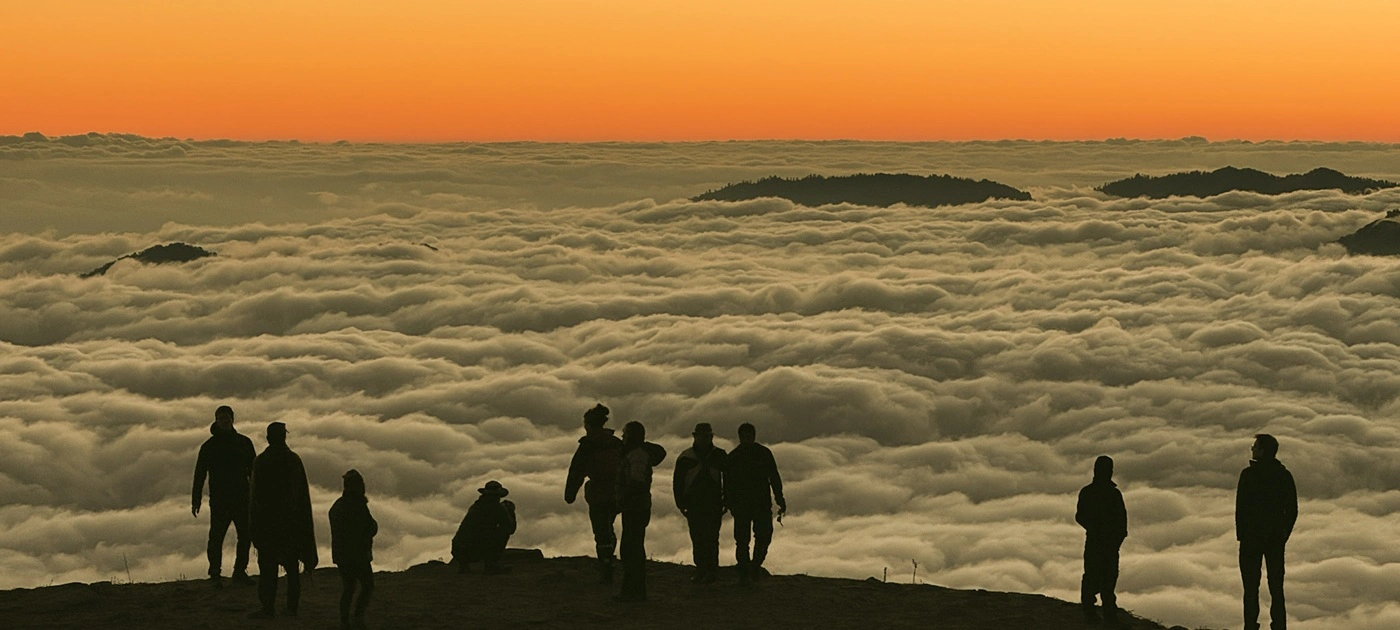
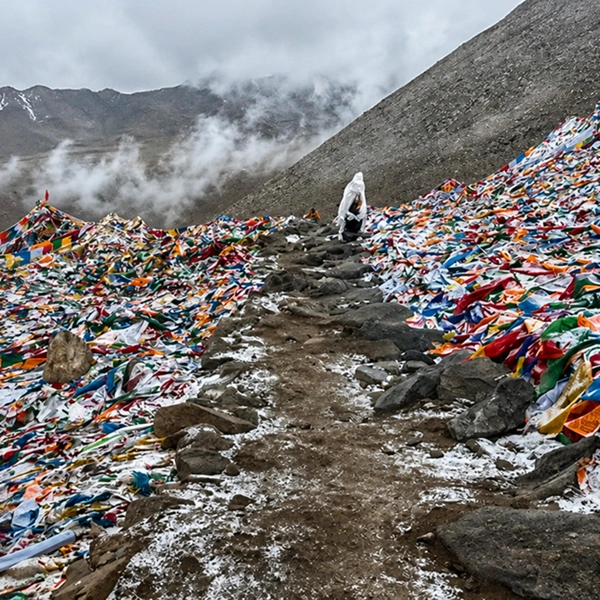
Every other trek in the Annapurna region follows a valley. You walk along a river. The mountains are above you. On Mardi Himal, you walk along a ridgeline. The mountains are beside you. The valleys are below you. On a clear morning, you look down on the clouds that sit in the Modi Khola gorge while Machhapuchhre’s south face fills your entire field of vision at a distance that feels geological rather than scenic.
The trail was developed by the Nepal Tourism Board in 2012 to distribute trekking traffic away from the overcrowded ABC and Poon Hill routes. It worked — the route attracts a fraction of the traffic. But the infrastructure has not caught up. The lodges are basic teahouses, not luxury properties. This is the central tension of the Mardi Himal luxury experience: the trail is extraordinary, and the accommodation is modest. Here is how we resolve it.
The Route: Day by Day
|
Day
|
Route
|
Altitude
|
Experience
|
|
1
|
Pokhara → Kande → Forest Camp
|
2,520m
|
Drive to Kande (45 min). Enter the dense rhododendron forest immediately. Gentle uphill through mossy oaks, ferns, and birdsong. Arrive at Forest Camp by mid-afternoon. Basic lodge. A hot meal prepared by our cook team.
|
|
2
|
Forest Camp → Low Camp
|
2,990m
|
Continue through the forest. The canopy thins. Clearings offer first Machhapuchhre views. Arrive at Low Camp on the edge of the treeline. The ridge begins to reveal itself. Sunset facing the Annapurna range.
|
|
3
|
Low Camp → High Camp
|
3,580m
|
Above the treeline. Open grassland. The ridgeline narrows. Machhapuchhre dominates the eastern horizon. Cloud inversions below the trail (you walk above the weather). Arrive at High Camp. Cold night. Heated sleeping bags. Hot soup.
|
|
4
|
High Camp → Mardi Himal Viewpoint → descent
|
4,500m → 2,520m
|
Pre-dawn departure to the viewpoint (4,500m). THE SUNRISE: Machhapuchhre’s south face turns gold. Annapurna I, II, III, IV visible. Mardi Himal’s own summit (5,587m) is directly above. Descend all the way to Forest Camp.
|
|
5
|
Forest Camp → Kande → Pokhara
|
2,520m → 800m
|
Gentle descent through the forest. Drive to Pokhara. Spa recovery. Phewa Lake sunset. Celebration dinner.
|
The Lodge Reality: Honest Assessment
THE TRUTH ABOUT MARDI HIMAL LODGES
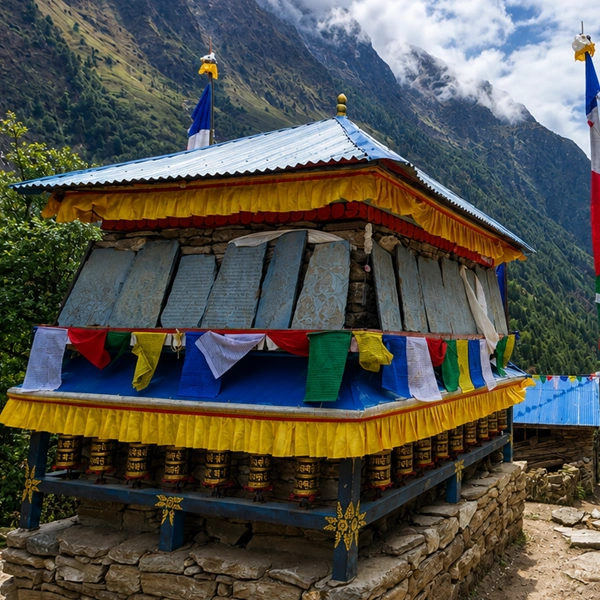
Mardi Himal does not have Ker & Downey lodges. It does not have MLN properties. The accommodation along the route is basic, teahouse-standard: plywood rooms, shared bathrooms, limited hot water, and simple dal bhat kitchens. This is the trade-off for the solitude and the views. We do not pretend otherwise.
Here is what we do about it. Our luxury Mardi Himal trek deploys a dedicated team of cooks who travel with the group and prepare meals using fresh ingredients portered up daily — not reheated teahouse noodles. We provide premium sleeping bags rated to -20°C with silk liners (you do not use the teahouse bedding).
We carry portable hot water systems for washing. We supply down jackets, thermal layers, and hot water bottles. The guide carries a pulse-oximeter and a satellite communication device. And for guests who want to avoid the teahouses entirely, we can deploy a luxury mobile camp setup at Low Camp and High Camp: heated sleeping tents, en-suite toilet tents, dining marquee, and camp furniture.
|
Element
|
Standard Trek
|
Our Luxury Version
|
|
Accommodation
|
Plywood teahouse rooms. Shared bathroom.
|
Same rooms (private) OR luxury mobile tented camp at High Camp. Premium sleeping bags + silk liners.
|
|
Food
|
Teahouse dal bhat and instant noodles.
|
Dedicated cook team. Fresh ingredients are portered daily. Multi-course meals.
|
|
Hygiene
|
Cold water. No shower above Low Camp.
|
Portable hot water. Wet wipes. Hand sanitizer. Toilet tent for camping.
|
|
Warmth
|
Thin blankets.
|
Down sleeping bag (-20°C). Hot water bottles. Down jacket provided.
|
|
Safety
|
Guide with a radio.
|
Pulse-oximeter. Satellite phone. Helicopter evacuation insurance mandatory. Gamow bag at High Camp.
|
The Helicopter Alternative
For guests who want the Mardi Himal view without the trek or the teahouse accommodation, a scenic helicopter tour from Pokhara flies directly to the Mardi Himal ridgeline at approximately 5,587 meters.
One hour. $449/person. Aerial views of the ridgeline, Machhapuchhre’s south face, and the cloud inversions. No landing at altitude (weather-dependent). This is the option for seniors, time-constrained travelers, or guests who want to combine the Mardi aerial perspective with a Poon Hill or ABC ground trek.
Mardi vs Poon Hill vs ABC
|
Factor
|
Mardi Himal
|
Poon Hill
|
ABC
|
|
Duration
|
4-5 days
|
5 days
|
7-10 days
|
|
Max altitude
|
4,500m
|
3,210m
|
4,130m
|
|
Crowds
|
Very few
|
Moderate-heavy
|
Moderate
|
|
Lodges
|
Basic teahouses
|
Ker & Downey + upgraded teahouses
|
Ker & Downey (lower) + upgraded teahouses (upper)
|
|
The view
|
Ridgeline above clouds. Closest Machhapuchhre view.
|
360° panorama from a hilltop. Broadest horizon.
|
360° amphitheater from inside the Sanctuary.
|
|
Best for
|
Solitude seekers. Photographers. Second-time Annapurna visitors.
|
First-timers. Families. Couples. Short on time.
|
Immersion seekers. Fit trekkers. 7+ days available.
|
|
Cost
|
$2,000-3,500
|
$1,800-3,000
|
$2,500-4,500
|
Mardi Himal is the Annapurna trek for people who have already done Poon Hill or ABC and want something different. Or for people who specifically want solitude and do not care about luxury lodge infrastructure. If this is your first Himalayan trek, start with Poon Hill (5 days, better lodges, easier). If you want the full Annapurna immersion, do ABC (7-10 days, the Sanctuary). If you want the ridgeline, the clouds below you, and Machhapuchhre closer than you thought possible — and you are willing to accept teahouse accommodation supplemented by our cook team and premium sleeping bags — Mardi is extraordinary.
When to Trek
Autumn (October-November): the best. Clearest skies. Most reliable cloud inversions below the ridge. Stable weather for the viewpoint morning. Spring (March-May): rhododendron blooms in the forest sections. Warmer nights. More afternoon cloud (may obscure summit views).
Winter (December-February): cold but spectacular. Very few trekkers. Clear skies. Need premium cold-weather gear. Monsoon (June-September): The trail is slippery. Leeches. No views. Not recommended.
Frequently Asked Questions
How hard is the Mardi Himal trek?
- Moderate-hard. 5-7 hours walking per day. The ridgeline above High Camp is exposed and steep in sections. Max altitude 4,500m. Requires reasonable fitness and comfort with heights. Porters carry everything. The descent on Day 4 is long (4,500m to 2,520m).
Are the lodges a luxury standard?
- No. Basic teahouses with plywood rooms and shared bathrooms. We compensate with a dedicated cook team (fresh food portered daily), premium sleeping bags (-20°C with silk liners), portable hot water, down jackets, and hot water bottles. For guests wanting more comfort, we deploy luxury mobile tented camps at High Camp.
How much does a luxury Mardi trek cost?
- $2,000-3,000/person for our enhanced teahouse version. $3,000-3,500 with a luxury mobile camp at High Camp. Helicopter scenic alternative: $449/person from Pokhara (1 hour, no landing).
Is Mardi Himal crowded?
- No. Mardi sees a fraction of the traffic that Poon Hill and ABC see. Opened in 2012, it remains relatively unknown. You may see 5-15 other trekkers per day compared to 50-200 on the ABC trail.
What is the cloud inversion?
- The clouds fill the Modi Khola valley below the Mardi ridgeline. You walk above them. The peaks rise through them. The effect is walking on a narrow grass path between mountains and sky with a white sea below. Most common in autumn mornings.
Can I combine Mardi with Poon Hill?
- Yes. 10-day combined itinerary: Poon Hill first (acclimatization, sunrise, Ghandruk), then transfer to the Mardi trailhead. The two treks share no trail overlap and offer completely different perspectives on the same mountain range.
Is Mardi suitable for families?
- Children 12+ with good fitness. The ridgeline above High Camp is exposed (drop-offs on both sides). Basic teahouse accommodation is less comfortable for younger children. Families with children 8-11 should do Poon Hill instead.
Is there a helicopter option?
- Yes. Mardi Himal scenic helicopter tour from Pokhara: $449/person. 1 hour. Aerial views of the ridgeline and Machhapuchhre. No high-altitude landing (weather-dependent). This is the option for guests who want the perspective without the trek.
What permits do I need?
ACAP (Annapurna Conservation Area Permit): $30. TIMS card: $15-25. Same as Poon Hill and ABC. No restricted area permits.
When is the best time?
- Autumn (October-November): clearest views, best cloud inversions. Spring (March-May): rhododendron bloom, warmer, more afternoon cloud. Winter works for experienced cold-weather trekkers. Avoid the monsoon.
The Final Word
Poon Hill is the sunrise. ABC is the amphitheater. Mardi Himal is the ridgeline. Three treks in the same mountain range, three completely different spatial experiences. Poon Hill puts you on a hilltop looking out. ABC puts you inside a circle of peaks looking up. Mardi puts you on a narrow spine between the sky and the clouds, looking across at a mountain so close you can see the ice shift.
The lodges are basic. We have been honest about that. What we do is make the experience around the lodges extraordinary: the food, the warmth, the safety, and the silence. If that trade-off appeals to you — extraordinary trail, modest accommodation, complete solitude — Mardi Himal is the trek. Tell us your dates.
Want the ridgeline nobody else walks?
4-5 days. Machhapuchhre at arm’s length. Clouds below your feet. Tell us your dates and fitness level.