A Complete Climbing Guide
The term 'trekking peak' is the most widely misunderstood phrase in Himalayan mountaineering. Most travelers researching their first Himalayan climb assume that 'trekking peak' means a hike with a summit at the top — a slightly more demanding version of the standard trek. The reality is different.
Trekking peaks are a specific regulatory category that covers mountains between roughly 5,500 and 6,500 meters and is administered by the Nepal Mountaineering Association under a simpler permit structure than that for expedition peaks above 6,500 meters.
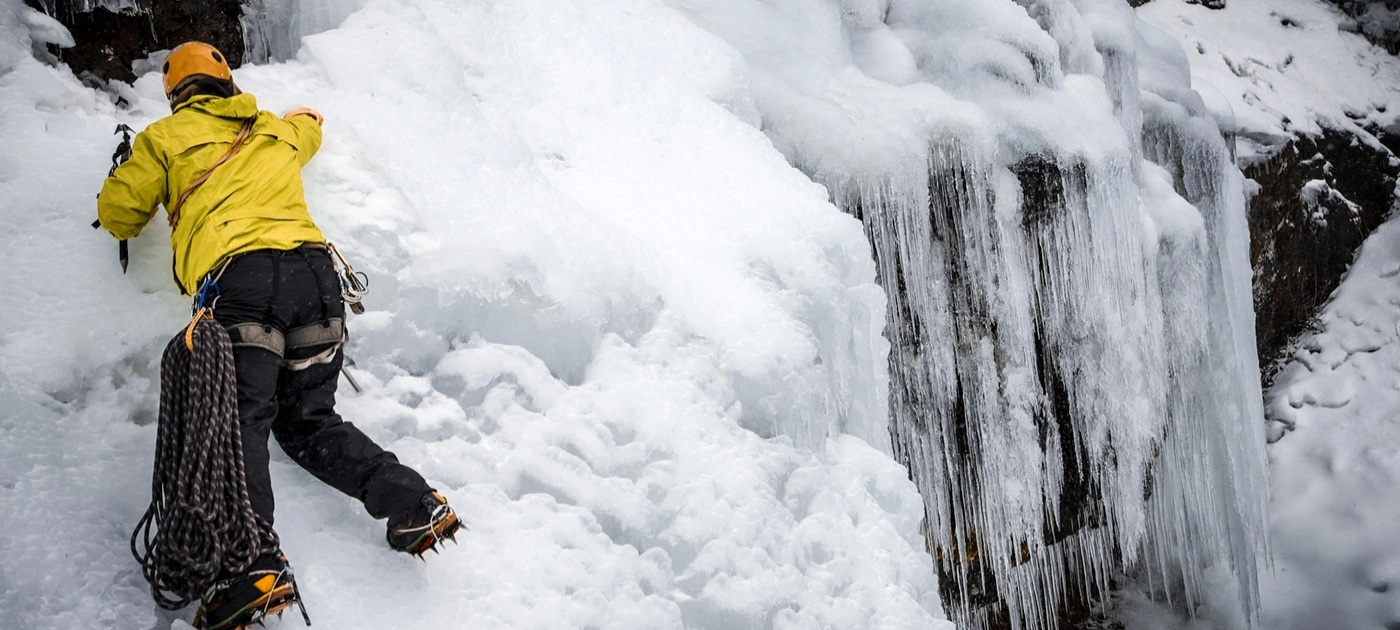
The category name reflects the bureaucratic classification rather than the operational difficulty. Several of the most popular trekking peaks involve genuine alpine climbing — fixed ropes on 45-degree ice headwalls, crevassed glacier crossings with ladder bridges, exposed ridge traverses where a slip is fatal, and pre-dawn summit pushes in temperatures well below freezing. The skill level required varies dramatically across the five peaks covered in this guide.
After years of running trekking peak departures, our team has watched the rhythm of these expeditions settle into a clear pattern. The travelers who succeed on trekking peaks are typically already experienced multi-day trekkers — most have completed EBC, the Annapurna Circuit, or an equivalent two-week high-altitude trek before attempting their first climb.
The travelers who succeed on the more technical peaks (Island Peak, Lobuche East, Pisang) have done basic alpine training in advance, either through a dedicated mountaineering course or through fixed-rope and crevasse-rescue drills at base camp. The reward for the right preparation is substantial — a genuine alpine summit experience, a real Himalayan peak below their feet, and the foundational technical experience that opens the path toward larger expeditions later. The cost of inadequate preparation is also substantial — failed summit attempts, injuries requiring evacuation, and trips that produce disappointment rather than achievement.
This guide honestly explains each of the five peaks. We provide the route shape, the technical character, the typical success-rate range, the seasonal timing, the permit and cost framework, and the prerequisite experience baseline that our team applies at booking. The aim is to help travelers self-qualify for the five peaks rather than choose based on altitude alone.
Important: Trekking peaks are real alpine climbs. Even the easiest of the five (Yala Peak) requires basic crampon and ice axe use on the upper slopes. The more technical peaks (Island Peak, Lobuche East, Pisang) require functional competence with fixed ropes, mechanical ascenders, and basic crevasse rescue protocols. We require prior trekking experience at altitude as the baseline for all five peaks, and additional alpine training or guided introductory courses for Island Peak, Lobuche East, and Pisang. Travelers without that baseline are directed to start with a major high-altitude trek (EBC, Three Passes, Annapurna Circuit) and consider a trekking peak on a subsequent Nepal trip rather than a first one.
The Regulatory and Cost Framework
All trekking peak climbs in Nepal operate under the Nepal Mountaineering Association (NMA) permit structure. The framework changed substantially in September 2025 to a simplified per-person fee structure replacing the previous group-size sliding scale.
NMA Permit Costs (Foreign Climbers)
|
Season
|
Months
|
Fee per Climber
|
|
Spring (peak season)
|
March - May
|
USD 350
|
|
Autumn (mid-season)
|
September - November
|
USD 175
|
|
Winter / Summer (off-season)
|
Dec - Feb / Jun - Aug
|
USD 175
|
The 50% discount on Autumn permits is a strategic government initiative to spread climber traffic across the two viable climbing seasons rather than concentrating it in Spring. Autumn is genuinely the optimal climbing window for most trekking peaks because of more stable weather, but the operator and traveler markets have historically defaulted to Spring. The price differential is designed to nudge climbers toward Autumn departures.
Other Required Fees
- National park entry permits (Sagarmatha for Khumbu peaks, Annapurna Conservation Area for Pisang, Langtang for Yala): NPR 3,000 per person standard
- Local community fees (e.g., Khumbu Pasang Lhamu Rural Municipality permit): roughly USD 20-30 per climber
- TIMS card, where applicable (not required in Khumbu since 2018): NPR 1,000
- Mandatory garbage deposit: USD 500 per expedition (fully refundable on verified compliance with waste removal protocols)
The Garbage Deposit System
The mandatory garbage deposit is one of the most important pieces of the modern climbing regulatory framework. The USD 500 deposit is refundable on verified compliance with waste removal — climbers must categorize waste into biodegradable, recyclable, and re-exportable streams and demonstrate proper disposal of each.
Biodegradable waste is disposed of at the base camp under the supervision of village authorities. Recyclables (cans, bottles, plastic) must be transported back to Kathmandu and handed to certified recycling agencies. Re-exportable items (technical equipment, gas canisters, specialized gear) are taken back to the climber's home country. Only when our team verifies compliance through the relevant officials is the deposit released. The framework has materially improved waste management on the major peaks over the past decade, and our team actively supports it.
The Five Peaks at a Glance
|
Peak
|
Region
|
Altitude
|
Difficulty
|
Success Rate
|
Days
|
|
Mera Peak
|
Hinku Valley (Khumbu)
|
6,476 m
|
F (Facile)
|
80-90%
|
15-21
|
|
Island Peak
|
Khumbu
|
6,189 m
|
PD+
|
60-85%
|
14-19
|
|
Lobuche East
|
Khumbu
|
6,119 m
|
PD+ (Serious)
|
70-80%
|
15-19
|
|
Pisang Peak
|
Annapurna (Manang)
|
6,091 m
|
PD+
|
~85%
|
15-19
|
|
Yala Peak
|
Langtang Valley
|
~5,520 m
|
F (Facile)
|
90-95%
|
10-14
|
Difficulty grades follow the Alpine grade system: F (Facile, easy) denotes non-technical glacier walks with basic crampon use; PD (Peu Difficile, slightly difficult) denotes moderate technical climbing with fixed ropes and exposed sections; PD+ denotes the upper end of moderate.
The success rate ranges are typical operator-reported figures and vary by season, group composition, and weather conditions. Success rates on the more technical peaks (Island Peak, Lobuche East) drop significantly in bad conditions, even for prepared climbers.
Mera Peak — The Endurance Climb at 6,476 Meters
Mera Peak in the Hinku Valley of the Mahalangur range is the highest of the NMA's permitted trekking peaks at 6,476 meters. The mountain has three summits — Mera North (6,476 m, the standard commercial objective), Mera Central (6,461 m), and Mera South (6,065 m). Mera is the right answer for endurance athletes without significant technical climbing experience who want a genuine 6,400-meter summit.
Route Character
Most travelers researching Mera assume the route shares the standard EBC corridor, but it does not. The Mera approach branches south-east from Lukla into the remote Hinku Valley — significantly quieter than the EBC route, with culturally rich villages like Paiya and Panggom along the way. The route establishes Mera Base Camp at Khare around 5,000 meters, then progresses to Mera High Camp at around 5,800 meters for the summit push. The summit day from High Camp takes 10-14 hours of continuous exertion in sub-zero temperatures.
Technical Profile
Mera grades F (Facile) — the lowest difficulty grade in the Alpine system. The summit climb is essentially a sustained glacier walk at high altitude. No vertical ice, no rock climbing, no extended fixed-rope sections. Climbers need basic competence with crampons and an ice axe for moderate snowfields, plus roped team movement to safeguard against hidden crevasses.
The challenge is entirely physiological — the extreme altitude produces hypoxic stress that punishes any climber whose acclimatization is incomplete or whose cardiovascular baseline is inadequate.
Why Mera Works for Endurance Athletes Without Rope Experience
- No technical bottlenecks: the route has no fixed-rope sections or exposed climbing that would block a climber strong on cardio but weak on rope work
- Conservative acclimatization pacing: the 15-21-day itinerary allows substantial altitude exposure before the summit push
- Single decisive challenge: the summit day is one long, demanding effort rather than a series of technical decision points
- Achievable success rate: 80-90% for prepared climbers, which is the highest among the 6,000-meter trekking peaks
- Unparalleled summit panorama: the summit view includes five 8,000-meter peaks — Everest, Lhotse, Cho Oyu, Makalu, and Kanchenjunga — which is the most extensive single panorama in the trekking peak category
Island Peak (Imja Tse) — The Technical Introduction at 6,189 Meters
Island Peak, locally known as Imja Tse, rises in the center of the Khumbu, with the towering southern faces of Lhotse and Nuptse forming the immediate backdrop. The peak is arguably the most popular trekking peak globally and is frequently combined with the EBC trek to maximize acclimatization. Island Peak is the right answer for climbers wanting a genuine technical alpine experience as their first 6,000-meter summit.
Route Character
The standard route runs through the classic Khumbu approach — Lukla, Namche, Tengboche, Dingboche — typically including a side trip to EBC and Kala Patthar for acclimatization. From Chhukung, climbers proceed to Island Peak Base Camp at around 5,200 meters on the glacial moraine. The summit day starts pre-dawn (1:00-3:00 AM) to cross the active glacier while it is frozen and complete the headwall climb before afternoon weather develops.
Technical Profile
Island Peak grades PD+ (moderate) and presents a meaningful step up from Mera's straightforward walking. The climb has three distinct technical sections. First, a strenuous pre-dawn scramble in the dark over loose scree and rocky terrain. Second, a glacier crossing on a heavily crevassed surface that frequently requires aluminum ladder bridges for the wider crevasses.
Third, the famous summit headwall — a 45 to 50 degree slope of ice and snow that demands fixed-rope ascent with a mechanical ascender (jumar), aggressive front-pointing crampon technique, and competent rope handling. Commercial operators run pre-climb training at base camp to drill rope work specifically for the headwall.
Why Success Rates Vary Widely on Island Peak
Island Peak's reported success rate ranges from 60% to 85% — a wider variance than the other four peaks. The reasons are operational rather than statistical. The headwall is the bottleneck — when conditions on the headwall are good and the climber is competent on fixed ropes, the success rate is in the upper range.
When the headwall is iced over or in bad weather, or when the climber has not drilled the rope work, the success rate drops sharply. The glacier crossing also varies by season — late-season melt can make the ladder crossings significantly more difficult. Our pre-climb training emphasizes fixed-rope competence specifically because it is the variable that most predicts success.
Lobuche East — The Serious Mountaineer's Choice at 6,119 Meters
The Lobuche massif has two summits — Lobuche East (6,119 m, the NMA trekking peak) and Lobuche West (6,145 m, which requires a true expedition permit and falls outside the trekking peak category). Lobuche East is the right choice for climbers with prior alpine experience who want sustained technical climbing rather than a single technical crux.
Route Character
The approach perfectly mirrors the EBC trek through the standard Khumbu corridor — excellent acclimatization. Base camp is established in a hidden valley near the Lobuche settlement using the Khumbu Glacier moraine as the dramatic backdrop. The geographic proximity to EBC makes Lobuche East a common combined itinerary climb for travelers who want to stand at the foot of Everest before ascending above it.
Technical Profile
Lobuche East grades PD+ but with a different technical character from Island Peak. The climb requires sustained mixed terrain rather than a single crux — steep exposed rocky terraces, scrambling over granite slabs, hanging glacier sections, and an exposed summit ridge.
Fixed ropes are deployed extensively along the steeper sections, and the summit ridge tests psychological resilience as much as physical capacity. Prior alpine training is essentially mandatory — climbers attempting Lobuche East without rope competence, crampon technique, and basic crevasse rescue protocols put themselves and their guide team at meaningful risk.
Why Lobuche East Has a Higher Success Rate than Its Difficulty Suggests
Lobuche East's 70-80% success rate is notably higher than Island Peak's lower-end range despite being technically more sustained. The reason is self-selection — Lobuche East attracts climbers who already have alpine training and high-altitude experience.
The peak's intimidating profile filters out unprepared climbers at the inquiry stage rather than on the mountain. Travelers researching Lobuche East tend to be experienced enough to know what they are signing up for. Our prerequisite experience requirement (prior peak summit trek, basic mountaineering course, or equivalent) applies more strictly to Lobuche East than to the other four peaks for this reason.
Pisang Peak — The Annapurna Technical Pyramid at 6,091 Meters
Pisang Peak, locally Jong Ri, rises as a strikingly symmetrical pyramid of ice and snow above the arid Manang valley on the Annapurna Circuit. The peak is the right answer for climbers seeking technical alpine climbing in a different geographic and cultural setting from the heavily commercial Everest region.
Route Character
The 15-19 day itinerary integrates with the legendary Annapurna Circuit. The journey runs from Besisahar up the Marsyangdi valley through the cultural villages of Dharapani, Chame, Upper Pisang, and Braga — passing through both subtropical lower valleys and the trans-Himalayan high desert of Manang. Following the Pisang Peak summit, most climbers continue along the Circuit over the Thorong La pass at 5,416 meters into the Mustang district, finishing at Jomsom. The trip combines a technical summit with one of Nepal's great traditional trekking routes.
Technical Profile
Pisang Peak grades PD+ and is genuinely demanding. The route from Base Camp at 4,380 meters to High Camp at 5,400 meters climbs through loose scree and rocky outcrops. The technical crux involves near-vertical rock slabs that are often iced over, requiring rock-climbing skill while wearing heavy mountaineering boots. The final summit push runs along an exposed snow ridge with 45-55 degree gradients. Fixed rope competence, ice axe technique, and crevasse rescue protocols are all in active use during the summit day.
Why Pisang Peak's Success Rate Is High Despite the Difficulty
Pisang Peak's approximate 85% success rate is high relative to its technical difficulty. The reason is the approach — the Annapurna Circuit's long, gentle altitude gain through Chame, Upper Pisang, and Braga provides excellent acclimatization before the summit attempt. By the time climbers reach base camp, their bodies have had a week of progressive altitude exposure that climbers on direct-fly Khumbu approaches do not get. The peak also benefits from the dry trans-Himalayan climate of Manang, which produces more stable summit-day conditions than the cloudier Khumbu side.
Yala Peak — The Beginner's Summit at Around 5,520 Meters
Yala Peak in the Langtang Valley is the right choice for travelers seeking a legitimate Himalayan summit without the technical demands or prolonged altitude exposure of the 6,000-meter peaks. At around 5,500-5,520 meters, Yala is the lowest of the major trekking peaks and consistently delivers the highest success rates.
Route Character
The 10-14-day itinerary starts with an overland drive from Kathmandu to Syabrubesi — no domestic mountain flight required, eliminating the risk of Lukla weather delays. The trek follows the Langtang Khola through temperate rhododendron and bamboo forest, past Lama Hotel and the rebuilt village of Langtang, to Kyanjin Gompa at 3,870 meters. Acclimatization hikes to Tserko Ri (4,984 m) or Kyanjin Ri help the body acclimatize to altitude before the climb. Base camp is established at around 4,800 meters.
Technical Profile
Yala Peak grades F (Facile) — non-technical throughout. The climb is essentially a high-altitude scramble over rocky, boulder-strewn terrain, transitioning to moderate snow slopes near the summit. Basic crampons, an ice axe, and a harness are carried for safety on the upper snow section, but the climb does not involve fixed ropes, vertical ice, or crevasse navigation. The summit day from base camp takes 5-6 hours round trip, which is significantly shorter than the 10-14 hour summit days on Mera, Island Peak, or Lobuche.
Why Yala Works as a First Himalayan Climb
- Lower absolute altitude: the ~5,520-meter summit is meaningful, but it sits below the threshold where altitude becomes the dominant challenge
- No technical bottlenecks: the route has no headwall, no glacier crossings, no exposed ridge sections that could turn a climber back
- Predictable approach logistics: overland transport removes the Lukla weather delay risk that affects all Khumbu peaks
- Shorter total duration: 10-14 days fits inside a standard two-week Nepal trip without compromise
- Lower cost: the trip is the most budget-accessible of the five peaks because of the shorter duration and the cheaper ground-transport logistics
- Highest success rate: 90-95% for prepared climbers — by far the most reliable summit return of the five peaks
- Royalty status: Yala Peak is among the peaks for which the NMA waived the royalty fee for climbing under 5,800 meters, reducing the permit barrier further (a standard regional trekking permit and TIMS card still apply)
Seasonal Timing for Trekking Peaks
Trekking peaks operate in two main seasonal windows — Spring (March to May) and Autumn (September to November). The two windows produce meaningfully different climbing experiences.
|
Season
|
Months
|
Conditions
|
Trade-Offs
|
|
Spring
|
Mar - May
|
Warmer, rhododendron blooms in the foothills
|
Heavily trafficked, higher permit cost, less stable high-altitude weather
|
|
Summer
|
Jun - Aug
|
Monsoon rain, cloud cover, flight delays
|
Not viable for climbing in the standard regions
|
|
Autumn
|
Sep - Nov
|
Crystal clear visibility, stable winds, dry conditions
|
Lower visitor density, 50% discount on NMA permits, and generally the optimal climbing window
|
|
Winter
|
Dec - Feb
|
Extreme cold (-20 to -30 °C at summit), deep snow, jet-stream winds
|
Not viable for most climbers; experienced mountaineers only
|
Most experienced mountaineering operators consider Autumn the optimal season for trekking and peak climbing because of the more stable weather, crisp visibility, discounted permit costs, and lower visitor density. The market default toward Spring exists for historical reasons (Western climbing calendars built around the late-Spring Everest season) more than for operational reasons. We run roughly equal Spring and Autumn departures, and travelers asking which is better generally get an Autumn recommendation from us unless their personal schedule constrains them to Spring.
Typical Cost Ranges
Total expedition costs for trekking peak climbs vary by mountain, season, group size, and operating model. The figures below are typical operator-reported ranges for guided commercial departures with full support.
|
Peak
|
Typical Cost (USD per climber)
|
Main Cost Drivers
|
|
Mera Peak
|
USD 2,000 - 3,800
|
Long itinerary, full camping support in remote Hinku valley
|
|
Island Peak
|
USD 2,300 - 3,500
|
Lukla flights, technical Sherpa guides for the headwall
|
|
Lobuche East
|
USD 2,300 - 3,500
|
Lukla flights, technical Sherpa guides for sustained terrain
|
|
Pisang Peak
|
USD 2,000 - 2,800
|
Ground transport access, technical climbing support
|
|
Yala Peak
|
USD 1,200 - 2,000
|
Shorter duration, ground transport, simpler permit structure
|
Our luxury operating tier sits at the upper end of these ranges or slightly above. The cost premium reflects the smaller group sizes (typically 2-4 climbers per expedition), a senior guide ratio (1:2 client-to-guide ratio on technical peaks), a better lodge tier on the trekking-in approach, IPPG-standard porter welfare, and helicopter access to the Khumbu peaks, which improves the trip safety margin.
Equipment — What Climbers Need to Bring
Trekking peaks require specific technical equipment that standard trekking does not. Commercial operators provide the group equipment (tents, kitchen, ropes, snow bars, ice screws, deadmen). Climbers are responsible for their personal technical gear.
Personal Technical Gear (Climber-Provided)
- Mountaineering boots — rigid double-layer plastic or modern synthetic, crampon-compatible. Standard trekking boots are not adequate at altitude
- 12-point steel crampons — required for the ice slopes on Island, Lobuche, and Pisang. Microspikes alone are not adequate
- Ice axe — standard mountaineering piolet for self-arrest and three-point contact on steep gradients
- UIAA-certified climbing harness with leg loops
- Mechanical ascender (jumar) for fixed-rope ascent on Island Peak headwall
- Descender device (Figure 8 or ATC) for fixed-rope descent
- 3-4 locking screwgate carabiners plus 2-3 standard carabiners
- 2-3 prussic loops for emergency friction knots
- Expedition-grade down jacket rated for at least -25C summit conditions
- Layered insulation system (base layer, mid layer, hard shell, warmth layer)
- Insulated mountaineering gloves plus liner gloves
- Glacier glasses with side protection plus ski goggles for high winds
Equipment We Provide
- Group climbing rope (dynamic for glacier travel, static for fixed lines)
- Aluminum snow bars, ice screws, and the technical hardware for anchor setup
- 4-season alpine tents at high camp
- Dining and kitchen tents at base camp
- Pulse oximeter and altitude assessment kit
- Satellite communication device
- Helicopter evacuation infrastructure on standby
Physical and Technical Preparation
Successful trekking peak climbs require months of targeted preparation. We send a structured pre-trip training program to every confirmed guest covering cardiovascular conditioning, weighted hiking, strength work, and, where applicable, basic alpine technique drills.
Cardiovascular Conditioning
Running, cycling, swimming, or stair climbing for 60-90 minutes 4-5 times per week for 4-6 months before departure. The aim is a resting heart rate below 60 and a sustained aerobic capacity that can handle 8-10 hours of continuous exertion at altitude. We assess the cardiovascular baseline at the inquiry stage and recommend specific training adjustments based on current fitness.
Weighted Hiking
Once a week, a 3-5 hour hike with a 10-15 kg loaded backpack on terrain with significant elevation gain. The aim is to simulate the physiological stress of carrying gear at altitude. The training is non-negotiable for Mera Peak and Lobuche East where the summit day is genuinely long.
Alpine Technique Drills
For Island Peak, Lobuche East, and Pisang specifically, climbers should drill mechanical ascender use, descender braking, fixed-rope clipping technique, and basic crampon work in advance. An indoor climbing gym session with a vertical fixed-rope setup, or an outdoor crag with an experienced instructor, removes the cognitive load and panic that climbers often experience on their first use of these tools in the pre-dawn cold on summit day. We run an optional pre-departure technical training day in Kathmandu for confirmed guests on the technical peaks.
Matching the Right Peak to the Right Climber
The most important decision in trekking peak climbing is not the gear, the season, or the operator — it is the match between the climber's actual experience and the peak's actual difficulty. Mismatches lead to failed summits, injured evacuations, and disappointing trips. The five peaks span a meaningful range, and most travelers can find an appropriate match.
- First Himalayan climb, moderate experience hiking: Yala Peak. Lower altitude, no technical demands, shorter trip, highest success rate.
- Strong cardio, hiking experience, no rope work: Mera Peak. Tests endurance rather than technique. Genuine 6,400-meter summit.
- Want a technical first 6,000-meter climb: Island Peak. The classic introduction to alpine technique with the famous headwall as the defining challenge.
- Already have alpine training, want sustained technical climbing: Lobuche East. Sustained mixed terrain rather than a single crux. Step up from Island Peak.
- Want technical climbing in a non-Everest cultural setting: Pisang Peak. Annapurna Circuit cultural immersion combined with a demanding technical pyramid summit.
Frequently Asked Questions
What does 'trekking peak' actually mean?
Trekking peaks are a regulatory category in Nepal for mountains between roughly 5,500 and 6,500 meters, administered by the Nepal Mountaineering Association under a simpler permit structure than that for expedition peaks above 6,500 meters. The category name reflects the bureaucratic classification rather than the technical difficulty.
Several trekking peaks (Island Peak, Lobuche East, Pisang) involve genuine alpine climbing with fixed ropes, crevasse navigation, and technical climbing skills. Mera Peak and Yala Peak are closer to the 'walking with crampons' end of the spectrum. The trekking peak label should not be read as 'easy hike with a summit'.
Which trekking peak should I climb first?
Most travelers without prior alpine experience should start with Yala Peak or Mera Peak. Yala Peak is the right choice for travelers wanting a Himalayan summit without technical demands and within a shorter trip. Mera Peak is the right choice for endurance-strong travelers seeking a genuine 6,400-meter-high experience. Both have high success rates and forgiving terrain. Island Peak, Lobuche East, and Pisang are better suited to climbers with prior trekking peak experience or formal alpine training.
How fit do I need to be?
Significantly fit. Trekking peaks require 4-6 months of focused preparation, including 4-5 cardiovascular sessions per week, weekly weighted hikes, and, where applicable, alpine technique drills. The summit day on Mera or Lobuche is 10-14 hours of continuous exertion at altitude. The technical peaks add the cognitive load of rope work and crampon technique under physical stress. Travelers who have completed standard EBC, Annapurna Circuit, or Three Passes comfortably have the fitness baseline for the trekking peaks; travelers without that baseline should start with one of those major treks before attempting a climb.
Do I need previous climbing experience?
It depends on the peak. Yala Peak and Mera Peak can be appropriate first Himalayan climbs for trekkers without prior mountaineering training (we provide basic crampon and ice axe orientation at base camp). Island Peak, Lobuche East, and Pisang require either prior peak-summit trekking experience, a formal mountaineering course, or both. Climbers without that baseline are politely directed toward Yala or Mera as the appropriate starting point. We confirm prerequisite experience at the inquiry stage, and we apply the standard rigorously.
What about the success rates — are they accurate?
The success rate ranges in this guide are typical operator-reported figures and vary by season, group composition, weather conditions, and how strictly the operator applies prerequisite experience requirements. Operators who accept unprepared climbers report lower success rates because more of their climbers fail to summit. Operators who pre-qualify rigorously report higher success rates because their climbers are appropriately matched to the peak. We pre-qualify rigorously and our reported success rates sit toward the upper end of the published ranges, but we are transparent that no operator can guarantee a summit on any given day — weather, altitude response, and route conditions all contribute to outcomes outside the operator's control.
When is the best time to climb?
Autumn (September to November) is generally the optimal season — more stable weather, crisp visibility, drier conditions, the 50% NMA permit discount, and lower visitor density than the popular Spring window. Spring (March to May) is the second-strongest season, with rhododendron blooms in the foothills and warmer overall temperatures, but with higher visitor density and less stable high-altitude weather. Winter and Monsoon are not viable for most climbers.
What is the garbage deposit?
The Nepal Mountaineering Association requires a USD 500 refundable garbage deposit on every trekking peak permit. The deposit is returned only on verified compliance with waste management protocols — biodegradable waste disposed at base camp under village authority supervision, recyclables transported back to Kathmandu and handed to certified agencies, and re-exportable items taken back to the climber's home country. The framework has materially improved waste management on the major peaks, and we actively support it. Our operating model includes waste management infrastructure for compliance as standard, rather than an optional add-on.
Can I combine a trekking peak with another trek?
Yes — and we recommend it for several reasons. Island Peak pairs naturally with the EBC trek (acclimatization is excellent, and the side trip to EBC adds significant value). Lobuche East similarly combines with EBC. Mera Peak is sometimes combined with Island Peak as the high-altitude double-summit option for experienced climbers (the combination requires roughly 24-28 days). Pisang Peak combines with the Annapurna Circuit and the Thorong La pass crossing. Yala Peak can be combined with the Langtang Valley cultural trek. The combinations work well because the trekking-in approach provides the acclimatization that summit success depends on.
How much should I budget?
Typical guided commercial costs range from USD 1,200-2,000 for Yala Peak (the most affordable), USD 2,000-2,800 for Pisang Peak, USD 2,300-3,500 for Island Peak and Lobuche East, and USD 2,000-3,800 for Mera Peak. Our luxury operating tier sits at the upper end of these ranges or slightly above. International flights, travel insurance with helicopter evacuation cover, personal technical gear, gratuities, and discretionary purchases are additional. The lead time for booking is 4-7 months ahead for the strongest seasons.
How early should I book?
Four to seven months ahead for the strongest seasons. Spring and Autumn windows tighten earliest because the senior guide team and the technical Sherpa support have limited capacity. Climbers contacting us in October for an April departure are at the right lead time; climbers contacting us in February for an April departure are usually too late for the optimal accommodation tier and senior guide assignment. Lobuche East and Pisang Peak in particular benefit from longer lead times because the prerequisite experience verification and the alpine technique pre-departure planning both take time to align.
Plan Your Trekking Peak Climb With Us
Tell us your trekking experience, your alpine training (if any), your fitness baseline, and your preferred season. Our team returns a written proposal within 48 hours covering the appropriate peak match, the route, the senior guide assignment, the technical training we provide, and the pre-trip preparation program that gives you the best chance of a successful summit. Trekking peaks are not entry-level hikes — but with the right preparation and the right peak choice, they deliver one of the genuinely meaningful experiences available to a modern climber.