Nepal, Bhutan, and Tibet share the world's highest mountains and a deep Buddhist heritage, but they welcome luxury travelers in fundamentally different ways: Nepal is the flexible, private-charter adventure; Bhutan is the exclusive, fee-protected kingdom; Tibet is the sacred, permit-governed plateau. Choosing between them is really choosing a philosophy of travel. Here is how to decide.
Nepal vs Bhutan vs Tibet: Which Himalayan Destination Is Right for You

Nepal, Bhutan, and Tibet are the three great gateways to the Himalaya, and travelers deciding between them often assume the choice comes down to scenery. It isn't — all three share the same colossal mountains and the same deep currents of Buddhist and Hindu devotion.
The real difference is philosophical: each governs, paces, and reveals itself to visitors in a fundamentally different way, and the right destination is the one whose philosophy matches how you want to travel.
We operate across all three, and the question we're asked most is simply "which one first?" The honest answer depends less on the mountains than on you — your appetite for flexibility versus structure, immersion versus exclusivity, the sacred versus the scenic. Get that match right, and the destination feels made for you.
This is our side-by-side comparison of the three, built around the things that actually differ: how you get in, how you move, what luxury means in each, and who each one suits. By the end, you'll know which belongs at the top of your list.
The One-Line Answer, Before the Detail
If you want the fastest possible orientation, here it is. Choose Nepal for freedom — private helicopters, design-led lodges, and the widest range of experiences with no government-imposed structure. Choose Bhutan for exclusivity — a serene, protected kingdom that limits crowds by design and delivers an unbroken chain of luxury across its valleys. Choose Tibet for the sacred — a high plateau of pilgrimage and profound spiritual geography, accessible only with patience through its permit system.
Everything below expands those three sentences. But if you recognize yourself in one of them already, that's your answer, and the rest is confirmation.
Three Models, Side by Side
The clearest way to understand the choice is to see the three governing philosophies against each other:
| Nepal | Bhutan | Tibet | |
|---|---|---|---|
| Travel philosophy | Unconstrained flexibility | High value, low impact | Sacred, permit-governed |
| Entry | Visa on arrival, simple | Pre-arranged e-visa + daily fee | Group visa or mainland-China entry; licensed operator required |
| Independent travel | Full autonomy | Guided, but freely customized | Not permitted; approved itinerary only |
| What limits crowds | Nothing — self-selecting by cost | A daily sustainability fee | Permit quotas and administration |
| Luxury model | Design-led independent flagships | Multi-valley single-brand circuits | Heritage boutique lodge networks |
| Best for | Adventure, variety, privacy | Serenity, exclusivity, ease | Pilgrimage, culture, the profound |
Read the matrix, and the personalities emerge. Nepal removes every barrier and hands you the controls. Bhutan builds a beautiful, guided container and fiercely protects it.
Tibet asks you to earn access through its system, and rewards the patient with the Himalaya's most sacred ground. None is better; they are different answers to the question of how a fragile, magnificent region should be visited.
Nepal: The Freedom to Design Anything
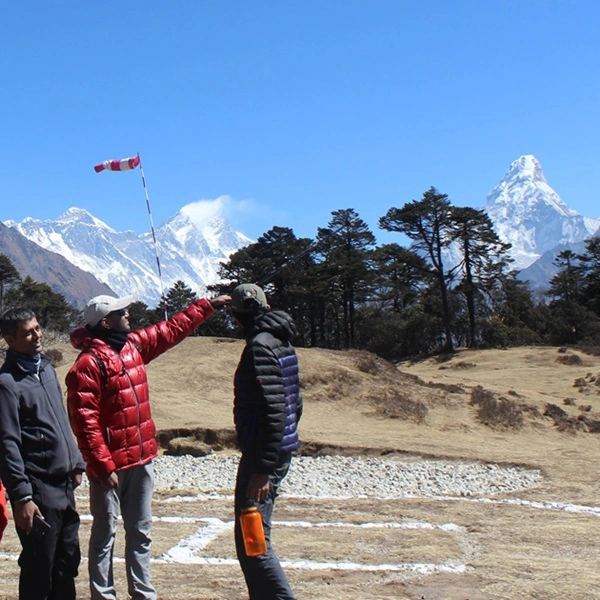
Nepal is the Himalaya without a rulebook. There are no daily government fees, no minimum group sizes, no mandated itineraries — a traveler can combine a luxury lodge stay, a private helicopter to Everest, a jungle safari, and a cultural immersion in Kathmandu into a single seamless journey, shaped entirely to taste. This autonomy is Nepal's defining luxury, and it is why the country suits travelers who want variety and control above all.
The hospitality has evolved to match. Nepal's finest properties are independent design flagships rather than chain circuits — the Bill Bensley-designed retreat in the Mustang valley, the safari lodges of Chitwan built around conservation, and the heritage hotels of Kathmandu that fund the crafts they're built from — as our guide to luxury travel in Nepal explores. Each is its own world, chosen individually and stitched together by a private operator.
The one honest caveat is infrastructure: public transport is slow, and roads are variable, which is precisely why private helicopter charter is not indulgence but the practical backbone of luxury travel here. Fly, and Nepal's variability becomes irrelevant; rely on roads, and it becomes the whole trip. Nepal rewards the traveler who wants to design without limits — and can move above the congestion.
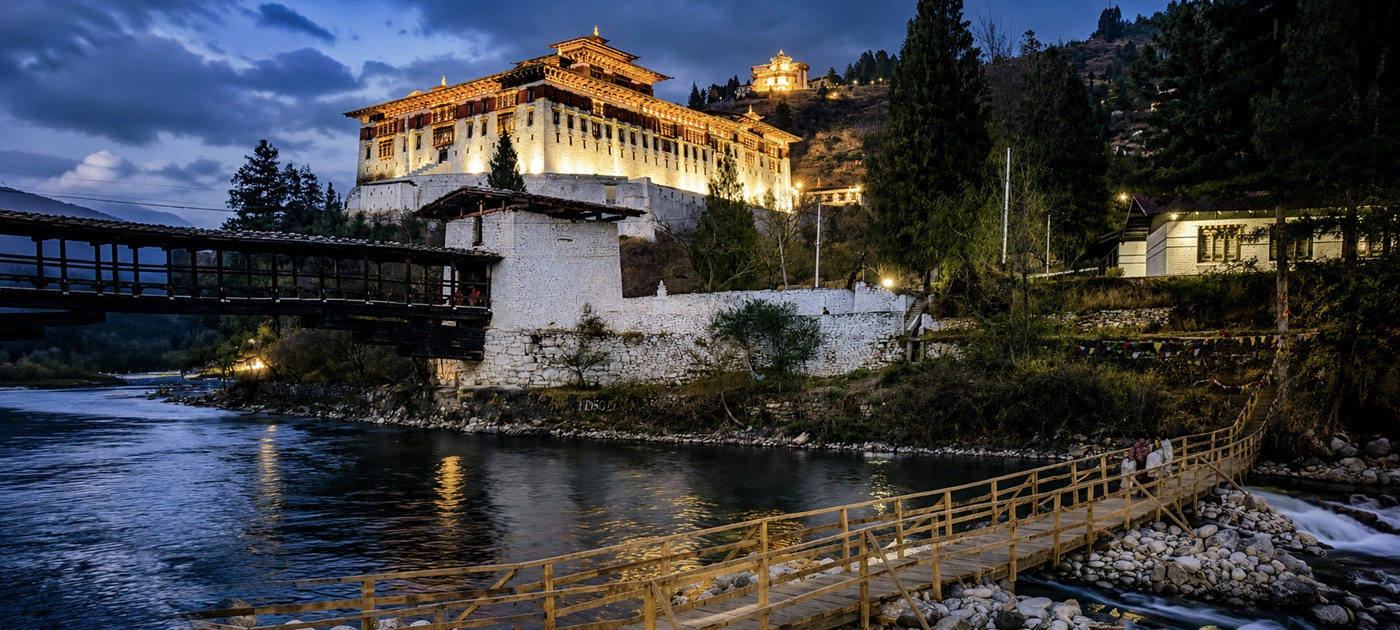
Bhutan: Exclusivity Protected by Design
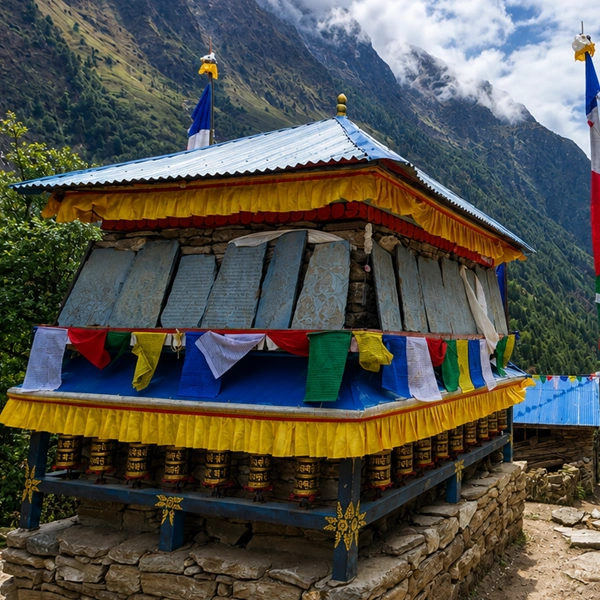
Bhutan has made a choice no other destination has: it deliberately limits tourism, using a daily Sustainable Development Fee levied on every international visitor to keep numbers low and impact minimal.
This is the famous "high value, low impact" philosophy, rooted in the kingdom's principle of Gross National Happiness and its constitutional commitment to remaining carbon-negative — a genuine rarity on earth.
For the luxury traveller, the fee is not an obstacle but the mechanism that creates the experience: it funds the country's free healthcare and education, protects its pristine valleys and living monastic culture, and ensures the trails and dzongs are never crowded.
What you pay to enter is what keeps Bhutan Bhutan. And the luxury layered on top is exceptional — intimate lodge circuits from brands like Amankora and Six Senses spanning the western and central valleys, letting you journey the kingdom within a single unbroken chain of service, private guide and driver throughout, as our Bhutan guide details.
Bhutan suits the traveler who values serenity and effortlessness over spontaneity. You trade Nepal's design-it-yourself freedom for a curated, protected, deeply peaceful kingdom where the hardest logistics are already solved. For many first-time luxury visitors to the Himalaya, that trade is exactly right.
Tibet: The Sacred Plateau, Earned
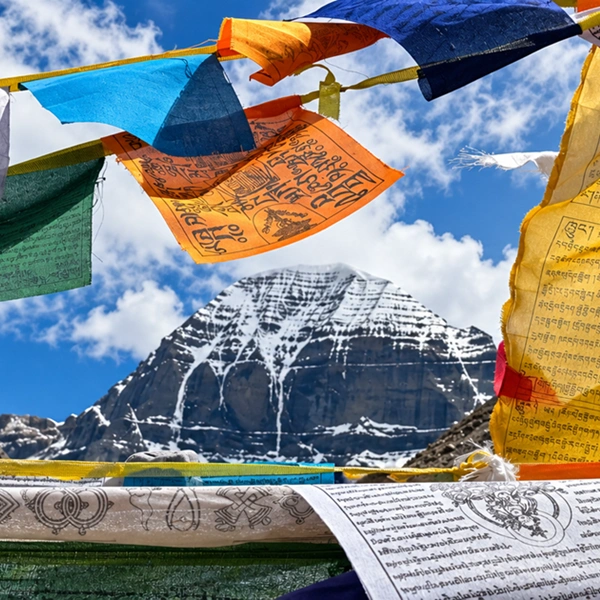
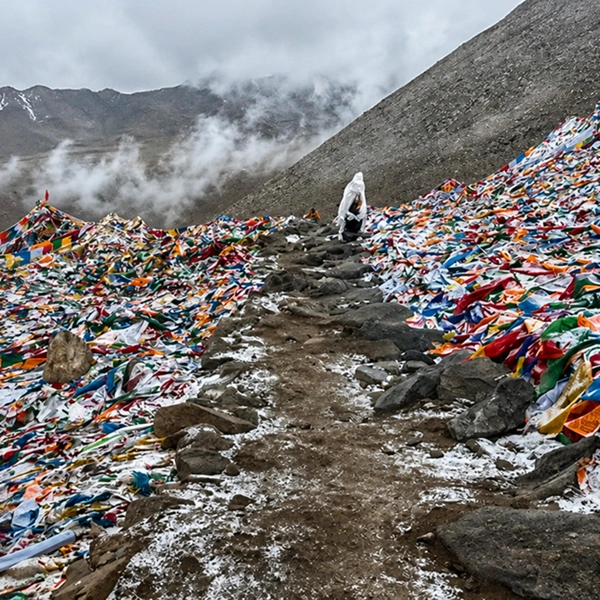
Tibet is the most spiritually charged of the three and the most administratively demanding, and the two facts are related — this is a place that asks something of you before it opens. Home to Mount Kailash, Lake Mansarovar, and the Potala Palace, the Tibetan plateau is the beating heart of Himalayan pilgrimage, and traveling it is less a holiday than an encounter with the profound.
Access is governed by the Chinese authorities through a layered permit system: independent travel is not permitted, every journey runs through a licensed operator on an approved itinerary with a certified Tibetan guide, and entry from Nepal requires a group visa with its own constraints — the full picture is in our Tibet permit and entry guide.
This is the price of admission, and it is real. What it buys is extraordinary: modern highways now connect Lhasa to the remotest sacred sites, heritage boutique lodges like the Songtsam network bring genuine comfort to the plateau, and the pilgrimage experiences — above all the Kailash kora — exist nowhere else on earth.
Tibet suits the traveler drawn to meaning over ease, willing to accept structure and lead time in exchange for the Himalaya's most sacred ground. It is rarely a first-timer's casual choice, and often a lifelong pull.
How They Actually Differ on Access
Since entry logistics are where the three diverge most sharply, they deserve a plain summary.
Nepal is the simplest by far — most nationalities receive a visa on arrival or apply online, with no group requirement and no daily fee.
Special restricted regions like Upper Mustang or Humla require a permit, which your operator can arrange easily in advance. You can decide to go with relatively little lead time.
Bhutan requires a pre-arranged e-visa and charges a daily Sustainable Development Fee for every night of your stay, but imposes no minimum group size — a solo traveler is welcome, simply guided.
The fee is paid to the state; your ground arrangements are then yours to design at whatever level you choose.
Tibet is the most demanding: entering from Nepal requires a group visa for a small group traveling as one on an identical itinerary, with passports held for several working days of processing in Kathmandu.
Entering instead from mainland China can simplify this considerably for many nationalities — one of the key strategic decisions our entry guide walks through. Tibet needs the most lead time of the three, by a wide margin.
How Much Time — and When — Each One Needs
Two practical dimensions further narrow the choice, and travelers often overlook both until late.
Time. Nepal flexes to almost any length — a long weekend of Kathmandu and a helicopter, or three weeks across trek, safari, and culture. Bhutan rewards roughly a week, enough to move through two or three valleys at its unhurried pace without the daily fee compounding.
Tibet needs the most, and not only on the ground: its permits demand weeks of lead time before you travel, and the sacred routes like the Kailash kora are multi-week journeys in themselves. If your calendar is tight and near-term, Nepal is the realistic answer; Tibet is the one to plan far ahead.
Season. Here, the three genuinely diverge. Nepal's classic windows are spring and autumn, but its lower regions and cultural circuits run comfortably much of the year. Bhutan is similar, with spring rhododendron and autumn festivals as the peaks.
Tibet is the strict one — the Kailash region effectively closes from late autumn through early spring, and the plateau's weather narrows the practical season sharply, which our best-time guide maps in detail.
A winter inquiry all but chooses for you: Nepal or Bhutan now, Tibet later.
The planning rule that applies to both: if you're deciding late or traveling soon, lean towards Nepal or Bhutan. Tibet is the destination you commit to months ahead — and the one most worth that patience.
Can You Combine Them?
Yes, and for the traveler with time, it can be the journey of a lifetime — but the sequence and logistics require reward planning. Nepal is the natural hub: Kathmandu is the launch point for overland routes to Tibet and a common gateway for Bhutan flights, so a grand Himalayan journey often threads all three from a Nepali base.
The practical constraints are lead time and pacing. Tibet's permits must be lodged well ahead and, if you're entering from Nepal, coordinated with your Kathmandu days; Bhutan's daily fee makes it the segment to right-size rather than extend; and altitude must be sequenced sensibly across the whole itinerary so that no single transition climbs too fast, the logic our altitude guide explains.
Built well, a combined journey moves from Nepal's variety to Bhutan's serenity to Tibet's sacred heights in a deliberate arc. Built carelessly, it's a series of missed permits and altitude mistakes. This is precisely the kind of multi-region itinerary we design as a matter of course.
Choosing Yours
Strip it to the decision. Choose Nepal if you want the widest range of experiences, maximum flexibility, private-helicopter freedom, and independent design-led lodges — the strongest all-round first Himalayan journey for most travelers.
Choose Bhutan if you want exclusivity, serenity, effortless luxury, and a protected kingdom where the crowds never come, and the logistics are already solved.
Choose Tibet if you are drawn to pilgrimage and profound sacred landscape, and willing to trade spontaneity for the most spiritually significant ground in the Himalaya.
And if you can't decide, that's often a sign you want more than one — in which case the combined journey, sequenced properly, is the answer.
Wherever you land, the mountains are the same magnificent constant; what differs is the philosophy of the journey to them.
Tell us which of these three descriptions felt most like you, and we'll build the journey around it, on the standards we keep across all our luxury travel in the Himalayas.
FAQs — Choosing Between Nepal, Bhutan, and Tibet
Nepal, Bhutan, or Tibet — which is the best Himalayan destination?
There's no single best; each suits a different traveler. Nepal is best for flexibility, variety, and private-charter adventure with no government structure. Bhutan is best for exclusivity and effortless, protected luxury, limited to low visitor numbers by a daily fee. Tibet is best known for pilgrimage and its profound sacred landscape, accessible only through a strict permit system. The right choice depends on whether you prioritize freedom, serenity, or the sacred.
What is the main difference between traveling in Nepal, Bhutan, and Tibet?
Governance and philosophy. Nepal imposes no daily fees, group sizes, or fixed itineraries — total autonomy. Bhutan enforces "high value, low impact" through a daily Sustainable Development Fee that funds the country and limits crowds. Tibet requires licensed operators, approved itineraries, and group permits under Chinese administration. All three share the mountains; they differ entirely in how freely and independently you can move through them.
Which Himalayan destination is easiest to enter?
Nepal, decisively. Most nationalities get a visa on arrival or online with no daily fee and no group requirement. Bhutan needs a pre-arranged e-visa and charges a daily fee, but welcomes solo travelers. Tibet is the most complex — entering from Nepal requires a group visa with a small-group requirement and several days of passport processing in Kathmandu, though entering via mainland China can simplify it.
What is Bhutan's daily fee for tourists?
Bhutan levies a Sustainable Development Fee per adult per night on international visitors — a deliberate mechanism to fund the country's free healthcare, education, and conservation while keeping tourism low-density. Indian nationals pay a reduced regional rate, children receive discounts, and the youngest are exempt. The fees' current level is set by government policy and is periodically reviewed, so confirm the prevailing rate when planning, as it directly shapes the Bhutanese budget.
Why is travel to Tibet so restricted?
Because the Tibet Autonomous Region is under strict Chinese administrative oversight, independent travel by foreign passport holders is not permitted. Every visit must be conducted through a licensed operator with a certified Tibetan guide, on a pre-approved itinerary, and restricted border regions like Mount Kailash and Everest Base Camp require additional military and travel permits. The system demands lead time and patience — the trade for reaching the Himalaya's most sacred ground.
Which Himalayan destination is best for private, flexible luxury travel?
Nepal, without question. It's the only one of the three with no government-imposed structure — no daily fees, group minimums, or mandated routes — so a private operator can combine helicopter expeditions, design-led lodges, safaris, and cultural immersion into a fully bespoke journey. Its independent flagship properties are chosen individually rather than as part of a single brand chain, and private rotor-wing charter makes the whole country accessible on your schedule.
Which is best for a first trip to the Himalaya?
For most first-timers seeking range and flexibility, Nepal offers the widest variety and the gentlest entry. For those prioritizing ease and serenity over spontaneity, Bhutan is an outstanding first choice, since its logistics are effectively taken care of for you. Tibet is usually considered a later journey rather than a casual first one, given its permit demands and high altitude — though for the pilgrimage-drawn, it can be the reason they came.
Can you visit Nepal, Bhutan, and Tibet on one trip?
Yes — with enough time and careful planning, a combined journey is spectacular. Nepal is the natural hub, as Kathmandu offers both the overland routes to Tibet and flights to Bhutan. The constraints are lead time (especially Tibet's permits), right-sizing the Bhutan segment around its daily fee, and sequencing altitude sensibly across the whole itinerary so no transition climbs go too fast. Built deliberately, it moves from Nepal's variety to Bhutan's calm to Tibet's sacred heights.
How much time do you need for Nepal, Bhutan, or Tibet?
Nepal flexes to any length, from a few days to three weeks, across trek, safari, and culture. Bhutan rewards about a week — enough for two or three valleys at its unhurried pace. Tibet needs the most, both in permit lead time (weeks before you travel) and on the ground, since its sacred routes, like the Kailash kora, are multi-week journeys. If your dates are tight or near-term, Nepal is the realistic choice; Tibet is the one to plan far ahead.
Do Nepal, Bhutan, and Tibet have different travel seasons?
Yes, and it can decide for you. Nepal's classic windows are spring and autumn, though its lower and cultural regions run much of the year. Bhutan peaks in spring and autumn too, around rhododendron and festivals. Tibet is the strictest — the Kailash region effectively closes from late autumn through early spring, narrowing its practical season sharply. A winter enquiry points to Nepal or Bhutan now, with Tibet planned for a warmer window later.
Need Help? Call Us+977 9851013196orChat with us on WhatsApp
Need Help? Call Us+977 9851013196