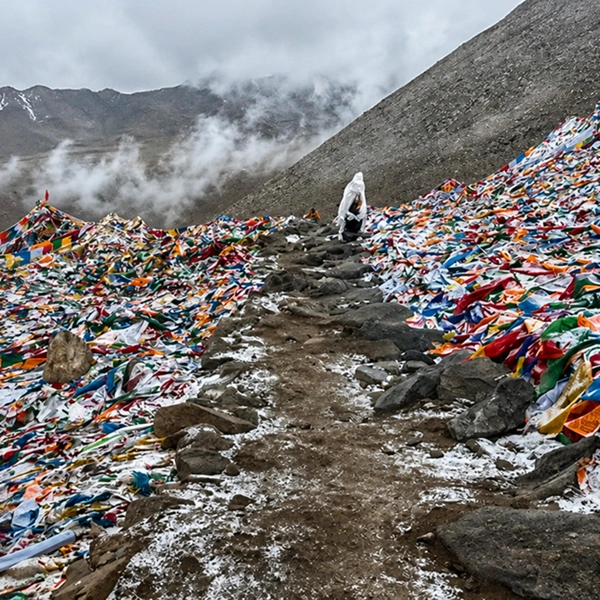
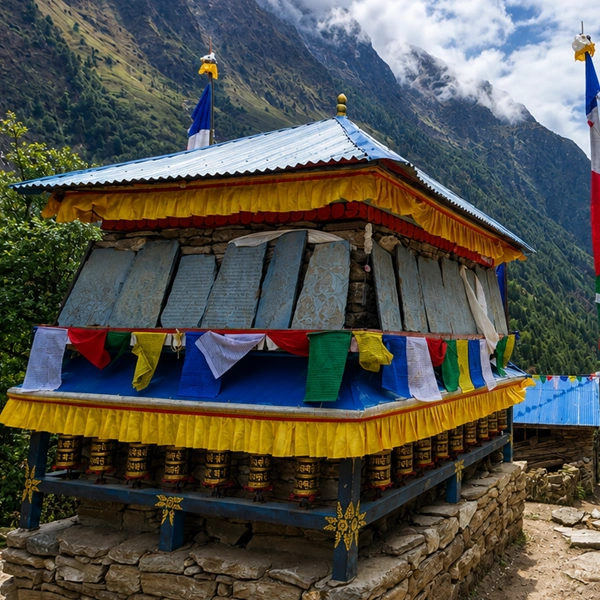
Most people arrive in Nepal thinking they know what to expect. Mountains. Temples. Trekking.
Then they spend their first night at Dwarika’s. Or watch a rhino drink from the Rapti River from their private plunge pool at Meghauli Serai. Or fall asleep at 3,880 meters at Hotel Everest View with the summit of Everest framed by their window.
Something shifts. They realize Nepal has quietly built a luxury hotel ecosystem that competes with the best in the world.
We have been booking these properties for fifteen years at Alpine Luxury Treks. We know which hotel suits which traveler. We know which combinations work (Kathmandu + Pokhara + Chitwan is our most booked) and which do not (never stack two remote altitude stays back-to-back). We know the logistical traps — the flight times, porter coordination, altitude risks — that can ruin trips when handled poorly.
This guide is the distillation of that experience. Ten hotels. Five distinct regions. Everything you need to build a trip that matches who you actually are, not who a generic travel blog assumes you are.
How Nepal Luxury Hospitality Actually Works
Nepal does not have a Bhutan-style tourist cap or a Maldives-style isolation model. What it has instead is five completely different luxury experiences, each located in a different geography, each operating under different rules.
The Kathmandu Valley is about heritage. Living-museum hotels built inside restored Rana palaces and Newari townhouses. This is where you land and where you see the temples.
The middle hills around Pokhara and Nagarkot are about wellness and mountain views. Ridge-top resorts. Farm-to-table dining. Ayurvedic retreats with resident gurus.
The Terai lowlands around Chitwan are about jungle safari luxury. Private plunge pools facing the Rapti River. Expert-led jeep safaris to track Bengal tigers and one-horned rhinos.
Mustang and the Annapurna region are about cultural remoteness and high-altitude design. Bill Bensley-designed lodges in arid desert valleys. Eleventh-generation Tibetan medicine. Horseback rides along ancient trade routes.
The Everest region is about engineering triumph. Heated beds and hot showers at 4,000 meters, direct views of the world’s highest peak, flown in by helicopter or carried in on porter trains.
Most international travelers try to combine two or three of these regions. Our most popular Nepal itinerary pairs Kathmandu, Pokhara, and Chitwan over eight to ten nights. More ambitious guests add Nagarkot or Mustang. A select few do the full spread, including Everest.
How We Picked These Ten Hotels
Four criteria. Every hotel on this list meets all four.
Firsthand verification. We have stayed at or booked guests into every property. Not based on websites. Based on actual ground experience.
Regional authenticity. Each hotel either preserves or advances what makes its region distinctive. Generic five-star properties, however well-run, do not make this list.
Reliable operational depth. Nepal’s infrastructure is uneven. Power cuts, water pressure issues, and supply chain hiccups are real. Our ten properties have backup systems, generators, and sufficient staff to absorb these disruptions before guests notice.
Meaningful awards or recognition. Condé Nast Gold List inclusion. South Asian Travel Awards. Guinness World Records. Travelife Gold certification. National Geographic Unique Lodges. These are external validations we weigh heavily.
Nepal’s Top 10 Luxury Hotels at a Glance
|
Hotel
|
Region
|
Best For
|
Signature Feature
|
|
Dwarika’s Hotel
|
Kathmandu
|
Heritage immersion
|
15th-17th century salvaged Newari woodwork
|
|
Baber Mahal Vilas
|
Kathmandu
|
Rana-era royal elegance
|
Former palace grounds, Rana family-owned
|
|
The Nanee
|
Bhaktapur
|
Cultural immersion, Newari experience
|
On-site storytelling amphitheater
|
|
Kavya Himalayas
|
Nagarkot
|
Multi-day wellness detox retreats
|
Resident Spiritual Guru, 14-night programs
|
|
Tiger Mountain Pokhara Lodge
|
Pokhara
|
Regenerative tourism, mountain views
|
Travelife Gold, Machhapuchhre views
|
|
The Pavilions Himalayas
|
Pokhara
|
Eco-luxury, Phewa Lake retreat
|
Farm-to-table + boat-access glamping
|
|
Meghauli Serai (Taj)
|
Chitwan
|
Luxury jungle safaris
|
Private plunge pools facing the Rapti River
|
|
Barahi Jungle Lodge
|
Chitwan
|
Eco-conscious safari, surprise bush dinners
|
Independent riverside cottages
|
|
Shinta Mani Mustang
|
Mustang (Jomsom)
|
Cultural remoteness, Bill Bensley design
|
11th-gen Amchi medicine practitioner
|
|
Hotel Everest View
|
Sagarmatha National Park
|
Engineering triumph at altitude
|
Guinness World Record: Highest-Placed Hotel
|
1. Dwarika’s Hotel, Kathmandu
Battisputali, Kathmandu · 83 rooms + 48 suites · Best for: heritage immersion and the definitive Kathmandu arrival experience
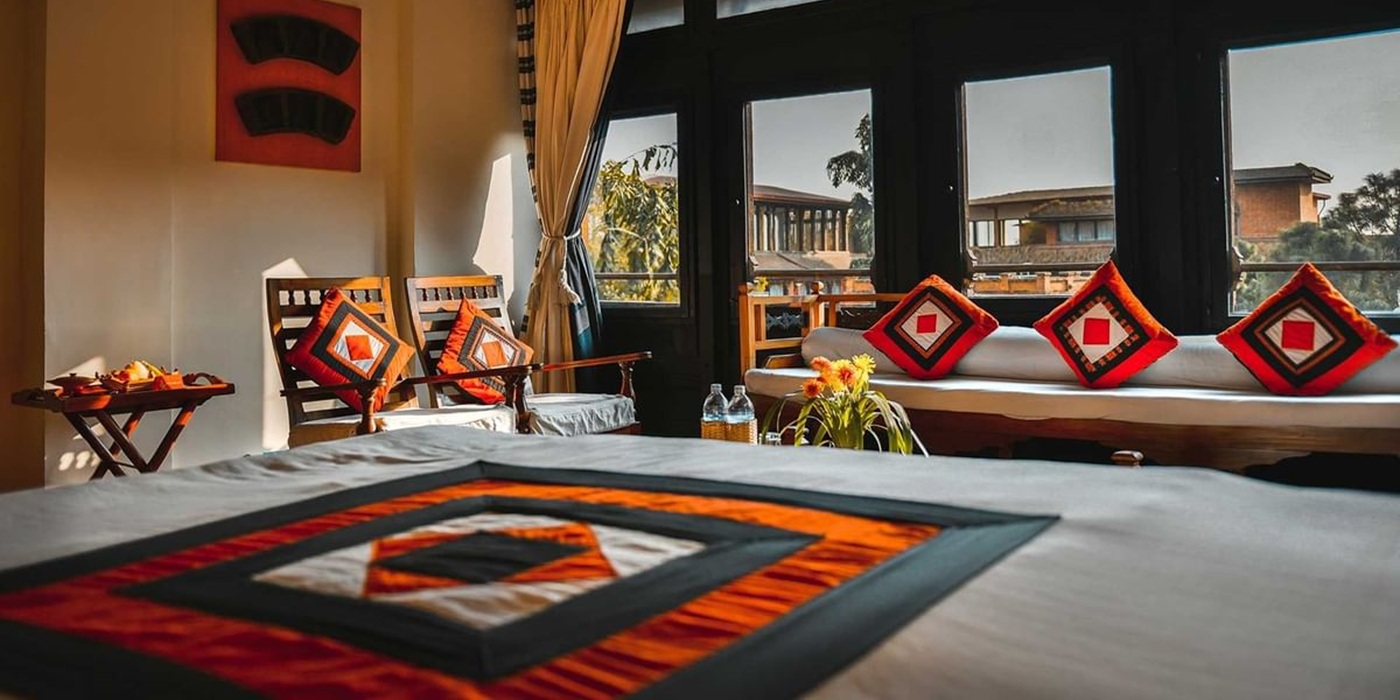
Dwarika’s is the single most important hotel in Nepal. Not the most expensive. Not the most talked-about on Instagram. The most important.
For nearly fifty years, the Dwarika family has operated this hotel as a rescue mission for Newari architectural craftsmanship. Historic woodwork that would otherwise have been lost to demolition or decay has been painstakingly salvaged, restored, and integrated into the hotel’s fabric. The property is a living museum. Walking through its courtyards is walking through what medieval Kathmandu actually looked like before the city modernized.
The 131 rooms and suites each feature timber-beamed ceilings, antique four-poster beds, terracotta floor tiles, and hand-carved, salvaged details. No two are identical. Central courtyards include a swimming pool surrounded by flowering jacarandas and traditional fountain features.
Krishnarpan: A 22-Course Journey
The signature restaurant is not a restaurant in the normal sense. Krishnarpan is a ritual.
Guests are asked to remove their shoes at the entrance and cleanse their hands in a large brass bowl. Then begins a multi-course Nepali dining experience that runs from six courses to a full twenty-two. Each dish represents a different region, ethnicity, or traditional preparation from across Nepal. Reservations are mandatory. Prince Charles inaugurated the historic water spouts outside the restaurant in 1998. That level of provenance is rare anywhere.
The property also operates Mako’s (refined Japanese) and Toran (24-hour global fusion overlooking the pool).
Pancha Kosha Himalayan Spa
The spa draws on ancient Ayurvedic and Himalayan healing traditions. 60-minute Ayurvedic massages with custom-blended essential oils are the signature treatment. For guests arriving after long-haul flights or preparing for high-altitude treks, the restorative value is genuine.
“We had a returning guest, Martina Keller from Zurich, who had been coming to Nepal since the early 2000s. She told us last October that Dwarika’s was the only hotel in Asia where her first night actually felt like an arrival, not a checkpoint. We’ve booked her there seven times now. Every return visit she asks for a suite on the ground floor so she can wake up to the sound of the fountain.”
2. Baber Mahal Vilas, Kathmandu
Tanka Prasad Sadak, Kathmandu · Traditional, Heritage & Royal Suites · Best for: Rana-era elegance and intimate royal stays
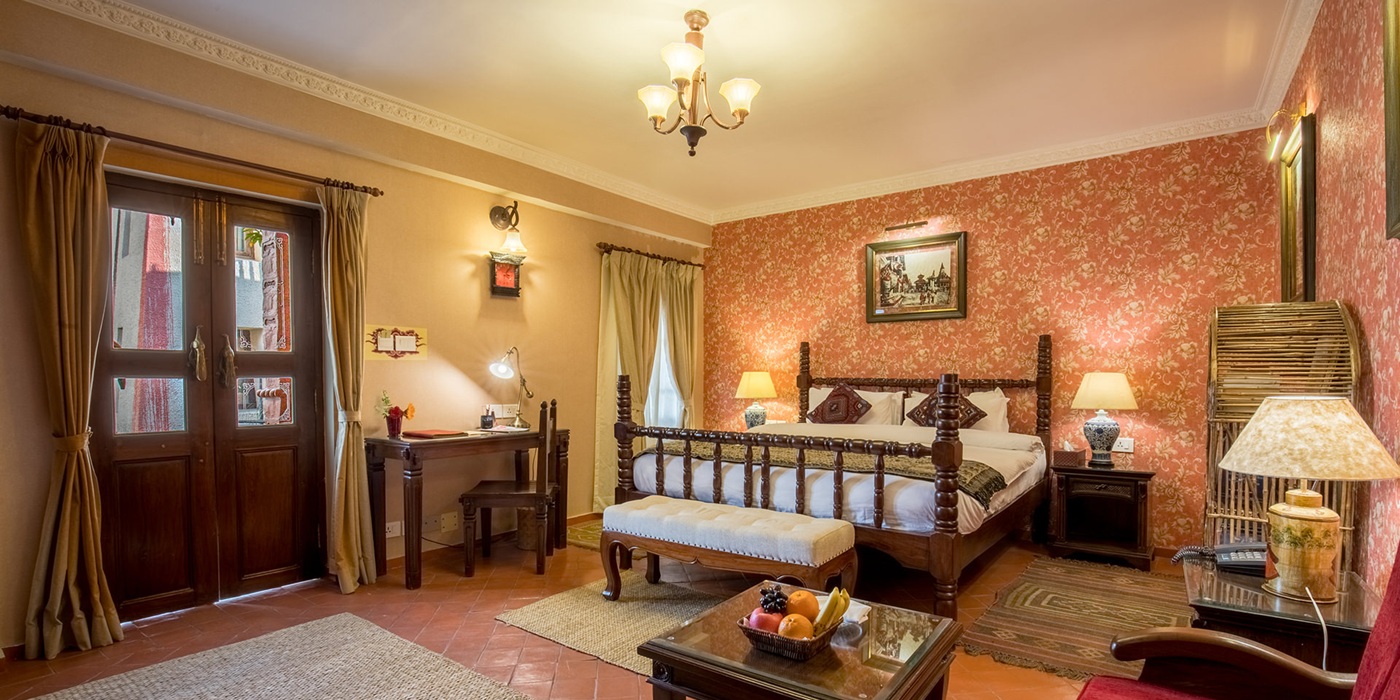
Baber Mahal Vilas is what Dwarika’s is to Newari heritage, but for a different Nepal — the Rana era.
The hotel is owned and operated by the direct descendants of Maharaja Chandra Shumsher Rana, the longest-ruling Prime Minister of Nepal, and his son, Baber Shumsher Rana, the former Commander-in-Chief of the Nepali Armed Forces. It sits on the original grounds of the Baber Mahal Palace. The legacy is not manufactured. It is literal.
The Three Accommodation Tiers
Traditional Rooms are intimate, highlighting Newari artisan craftsmanship through handwoven textiles and traditional art.
Heritage Rooms are more spacious, with private balconies overlooking courtyards, and fuse Rana, Newari, and Buddhist architectural influences.
Royal Suites are the apex. They draw on rare architectural influences from Lo Manthang in Upper Mustang. Deep soaking tubs. Massive bathrooms. Quaint private balconies. It is the kind of accommodation that makes guests genuinely slow down.
Dining and Wellness
The Baithak Restaurant is an all-day dining venue with authentic Nepali cuisine in a refined historic ambiance. The K2 Terrace Café offers elevated views and a relaxed atmosphere. The menu blends traditional Nepali (steamed chicken and vegetable momos, fiery curries) with international dishes (BBQ chicken wings, chili paneer, Thai-style spring rolls).
A dedicated spa, modern gym, and rooftop pool complete the amenity suite. The hotel is particularly well-regarded for bespoke service — custom dietary requests, quinoa and oatmeal prepared on request, and a team that remembers returning guests by name.
“When Rajesh and Priya Mehta from Mumbai asked us to book a Rana-era palace experience for their 25th anniversary in January 2025, Baber Mahal Vilas was the only choice. They stayed in the Lo Manthang-inspired Royal Suite. Priya emailed us two weeks later with the line: ‘It felt like we were personal guests of the family, not clients of a hotel.’ That is the reaction this property gets repeatedly.”
3. The Nanee, Bhaktapur
Adjacent to Bhaktapur Durbar Square · 18 rooms · Best for: deep Newari cultural immersion
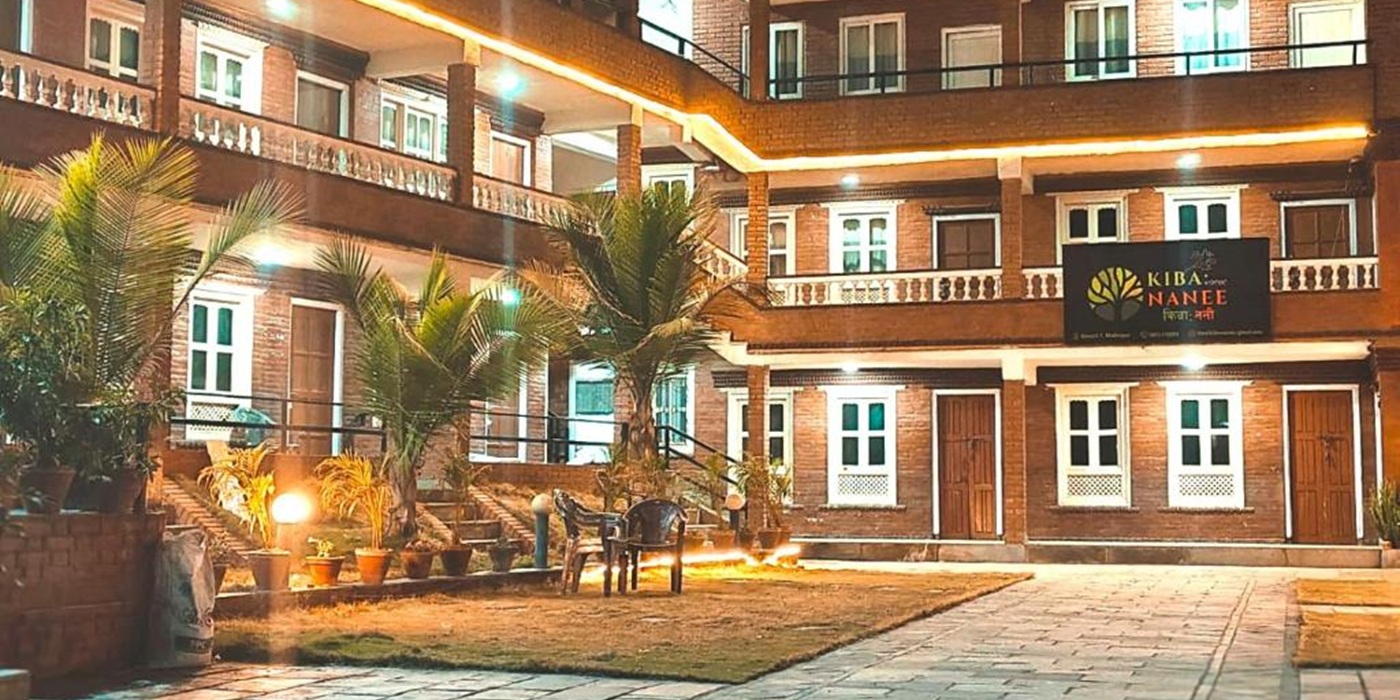
The Nanee is what happens when a boutique hotel decides it has a duty beyond accommodation.
Eighteen rooms. Just outside Bhaktapur Durbar Square — a UNESCO World Heritage site. Eleven kilometers from Tribhuvan International Airport. The hotel blends traditional Newari architecture with sleek contemporary interiors. Clean palettes. Clever custom lighting. Memory foam beds. Spacious feel despite the historic setting.
The Rooms
Standard Rooms (14 to 19 square meters) feature walk-in rain showers. Sky Garden Rooms (24 square meters) face inner courtyards. Loft Rooms are dual-level with high ceilings and large windows. Nepali Suites range from 27 to 37 square meters with luxurious private hot tubs.
The Storytelling Amphitheater
This is the detail that makes The Nanee unlike any other hotel in Nepal. The property has built a dedicated on-site amphitheater to preserve and perform local Newari storytelling traditions.
Stories that would otherwise disappear are being performed here, in front of hotel guests, by local storytellers who are paid properly for their craft. Hands-on craft workshops and complimentary guided dawn walking tours of the Bhaktapur neighborhood complete the immersion.
Four distinct dining venues — a courtyard bistro, a Newari street food space, a rooftop bar, and exclusive Chef’s Table dinners — all use seasonal organic produce from local Bhaktapur farmers.
“Katherine and David O’Sullivan from Dublin spent three nights at The Nanee in February 2025 and later told us the dawn walking tour changed how they understood the entire Kathmandu Valley. Their guide showed them Bhaktapur before the tourists arrived. They saw the city belonging to itself. That experience alone justified the stay.”
4. Kavya Himalayas, Nagarkot
Nagarkot (2,100 m elevation) · Suites & Villas up to 240 sqm · Best for: clinical wellness, deep detox, and multi-day retreats
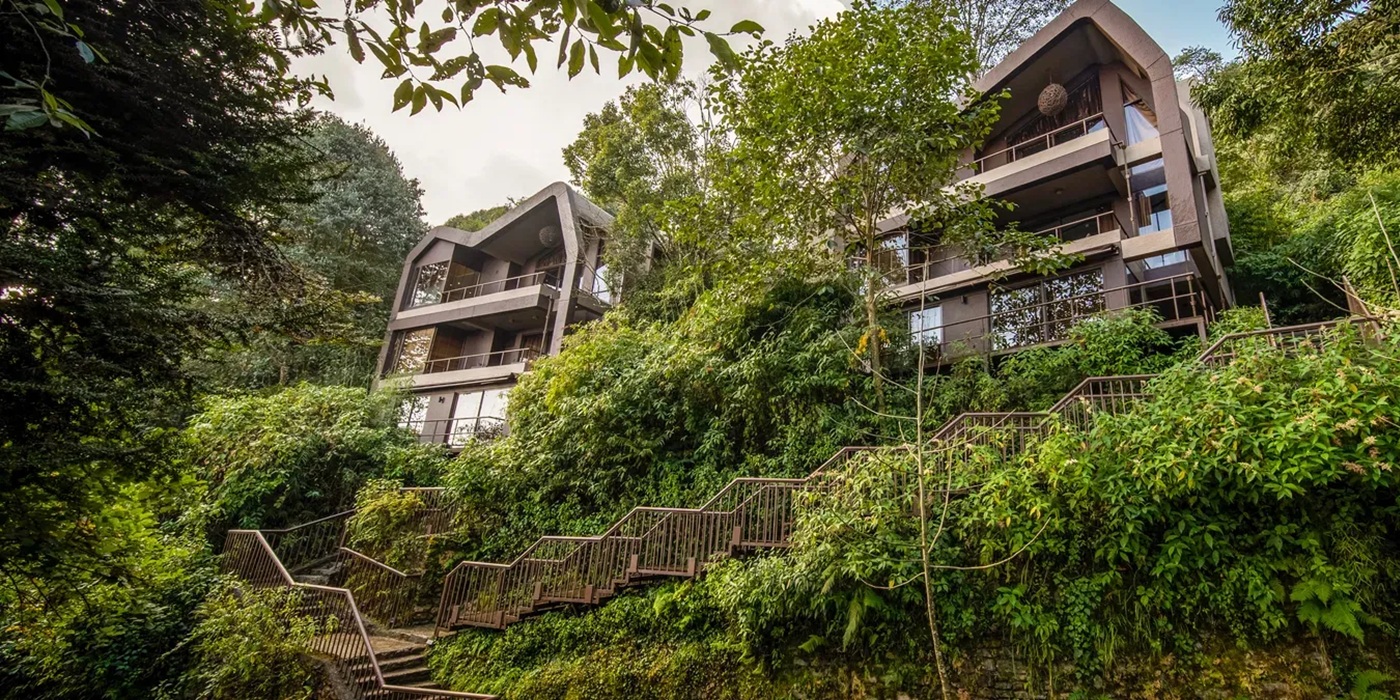
Kavya Himalayas is not a hotel that happens to have wellness. It is a wellness institution that happens to be a five-star hotel. The distinction matters.
Perched at 2,100 meters above the Kathmandu Valley with direct views of the Himalayan range, the resort brands itself as a “Sanctuary in the Clouds.” The philosophy, called “Himalayan Bliss,” runs through every element of the guest experience.
The Villas
Suites start at a generous 56 square meters. One-Bedroom Villas span 140 square meters across two floors with floor-to-ceiling mountain views. Two-Bedroom Villas (five of them) reach a massive 240 square meters. Direct bookings include complimentary airport transfers, a 30-minute ritual session, personalized cold canapé service, and meaningful spa and F&B discounts.
The Retreat Programs
This is the heart of Kavya. The resort runs structured multi-day programs overseen by resident Spiritual Guru, Swami Satya ji.
The 2-night Glorious Getaway is the entry point. The 13-night Lifestyle Reset Retreat focuses on nourishing food and complete well-being resets. The 14-night Shape Shift Retreat is explicitly for sustainable weight loss and body composition optimization. The 3- to 7-night Trek and Transform combines guided Himalayan trekking with emotional coaching and wellness therapies.
These are not hotel stays. They are structured interventions.
Dining
The Kantipur Restaurant is the main all-day dining venue in the Heritage Wing, serving sophisticated local-international fusion.
The Tavern is an intimate 16-seat wine cellar where rustic European cuisine meets a curated wine list. The Coffee Lounge Café is a 7-seater morning space surrounded by organic teas.
For our corporate-executive guests arriving burned out, Kavya is the most transformative booking we offer in Nepal's middle hills.
“We sent Daniel Weiss from Berlin to Kavya on a 13-night Lifestyle Reset in autumn 2024. He was running a Berlin tech company at the time. He returned 8 kilograms lighter, off his sleep medication, and wrote us a two-page thank-you letter about Swami Satya ji. He has referred four of his colleagues since. One of them is going in May.”
5. Tiger Mountain Pokhara Lodge
Ridge above Pokhara Valley (1,000 ft) · 12 stone cottages · Best for: regenerative tourism and unobstructed Machhapuchhre views
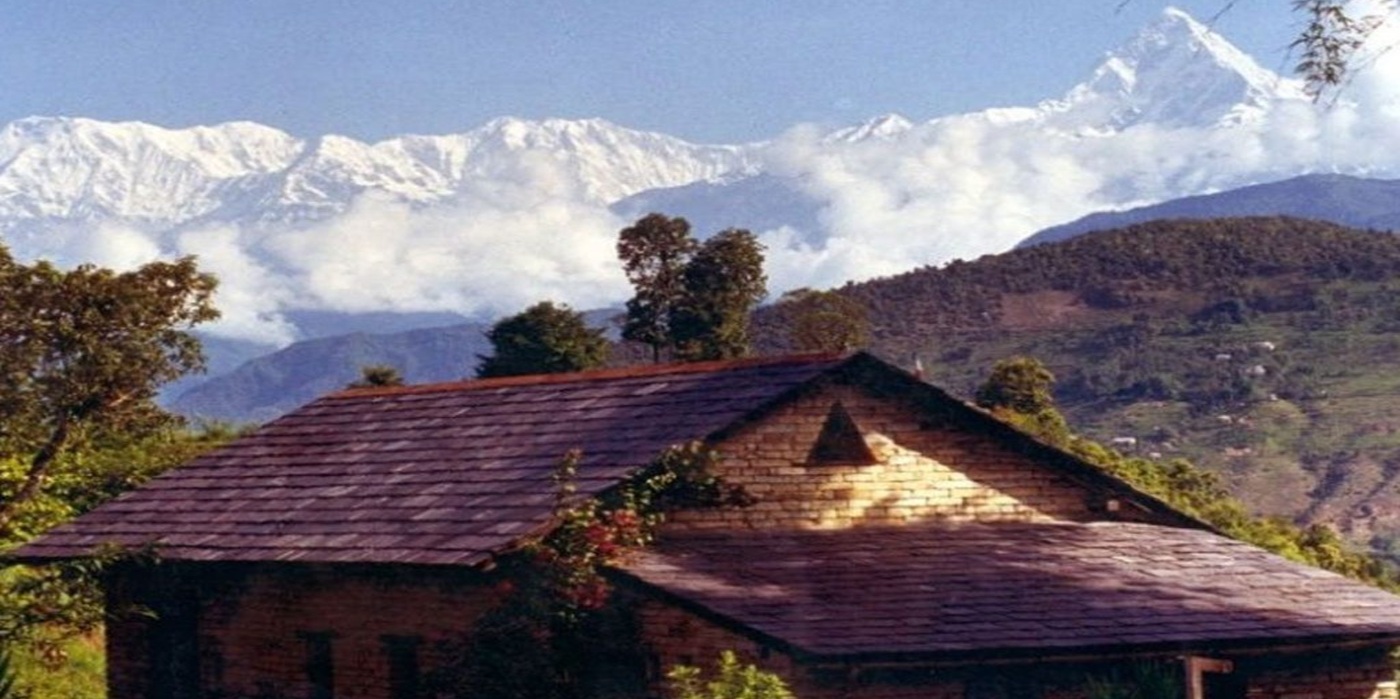
Tiger Mountain Pokhara Lodge invented responsible luxury tourism in Nepal. Everyone else copies from its blueprint.
Perched on a ridge 1,000 feet above the Pokhara Valley, thirty minutes from lakeside Pokhara, the lodge frames the sentinel Machhapuchhre peak (the Fish Tail) directly from its front doors. The architecture rejects monolithic hotel structures entirely. Instead, 12 hand-cut stone cottages are arranged like a traditional Nepali village, each featuring local carpentry, slate floors, parquet, Tibetan rugs, and original regional artwork.
Colonel Jimmy’s Library and Regenerative Tourism
The main lodge features Colonel Jimmy’s Library — a rare repository of Himalayan mountaineering literature that reads like a private collection at an elite club. A candle-lit terrace handles pre-dinner cocktails.
What sets Tiger Mountain apart is its operating philosophy. This is not greenwashed eco-luxury. It is regenerative tourism that is externally audited and repeatedly certified.
Travelife Gold Certificates in 2017, 2019, and 2024. GSTC affiliate status. Yardstick UK independent verification. A Community Support Partnership Program directly funds local schools, community forest groups, health posts, and biodiversity research. The Pack for a Purpose initiative lets guests bring specific supplies requested by local educational institutions. Every guest becomes part of the machinery of regeneration.
Dining
Ingredients come from the lodge’s own organic gardens. Home-baked breads. Nepalese honey. Traditional thali buffets at lunch with fresh rotis and homemade aachar. Bespoke picnic boxes for day hikers — masala omelet roti wraps, devilled eggs, freshly baked cakes.
Food waste is aggressively minimized. Guest preferences are checked immediately after each meal so that the kitchen knows exactly what to prepare for the next one. This level of operational discipline shows up in both the quality of food and the integrity of the philosophy.
“We placed Anna and Klaus Becker from Munich at Tiger Mountain in October 2024 for their silver anniversary. Anna grew up trekking in the Alps and was skeptical about whether Nepal could impress her. She emailed us three days in: ‘The view from the cottage terrace at sunrise is what we came to Nepal for. We found it on the first morning.’ They extended their stay by two nights on arrival.”
6. The Pavilions Himalayas, Pokhara
The Farm + Lake View (boat-access) · 14 rooms + 8 tented villas · Best for: farm-to-table eco-luxury and Annapurna views
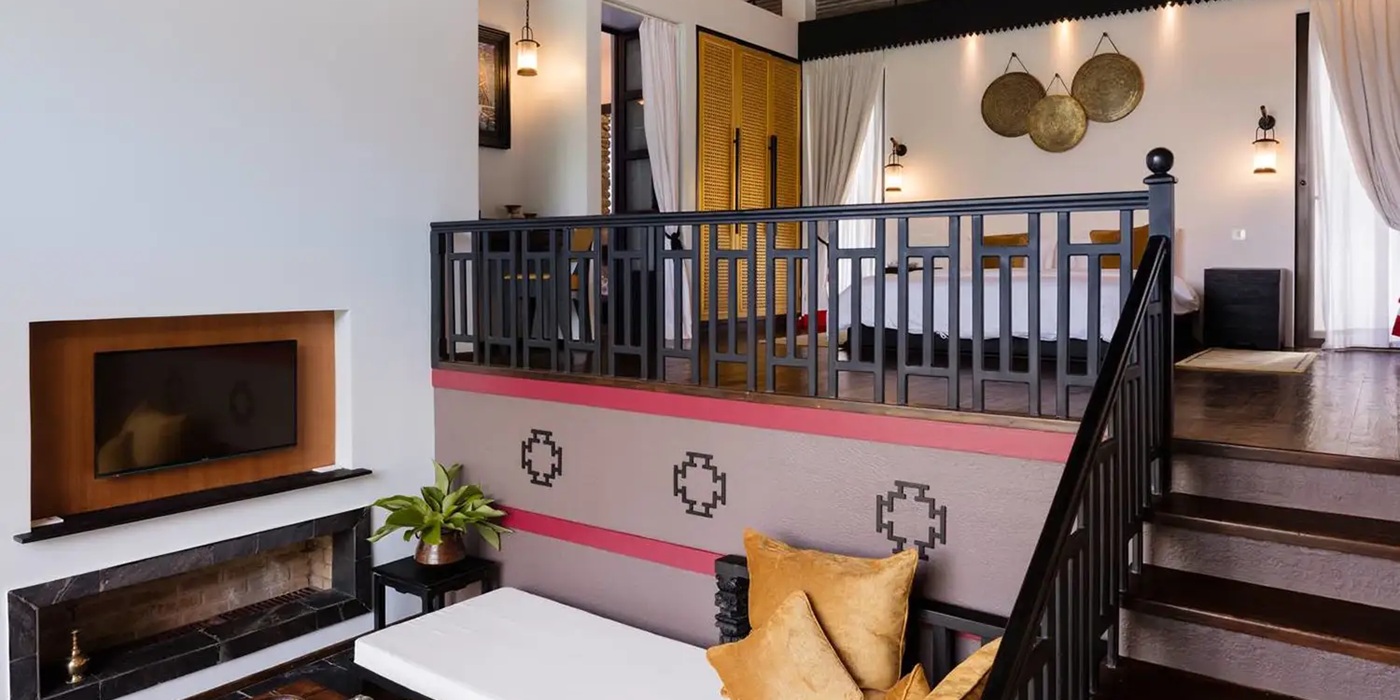
The Pavilions Himalayas operates as a dual-concept resort. Two completely different properties under one philosophy.
The Farm is the main retreat — a fully functioning organic farm that also happens to be a fourteen-room luxury resort set in a forested valley under the Annapurna range. Private terraces in each room. A temperature-regulated infinity pool looking out over working rice paddies.
Lake View is the satellite property, accessed only by boat across Phewa Lake. Eight luxurious tented villas. A glamping-style experience completely cut off from standard tourist routes.
The Farm and Its Agriculture
The Farm is serious about sustainability. Low-impact construction using local natural materials. Renewable energy. Biodigester waste management. 28 local staff, all sourced from the surrounding community.
The daily agricultural harvest dictates the menu. The farm-to-table restaurant serves authentic momo dumplings, traditional Nepali chicken dishes, and hyper-local seasonal produce. What arrived on the plate was in the ground that morning.
The Spa Svastha offers Ayurvedic experiences with custom-made Himalayan signature products applied by locally trained therapists. Two treatment rooms. A sauna. Minimal but exceptional.
“We had a couple from London, James and Eleanor Fitzgerald, who wanted an eco-conscious honeymoon in March 2025. We split their five-night Pokhara stay: three at The Farm, two at the boat-access Lake View. Eleanor later told us: ‘The boat crossing at sunset on our arrival at Lake View made us feel like we had left the world entirely behind.’ That moment is the reason to book this hotel.”
7. Meghauli Serai, A Taj Safari
Rapti River, Chitwan National Park · 29 units (rooms, pool villas, Presidential Suite) · Best for: luxury jungle safari experiences
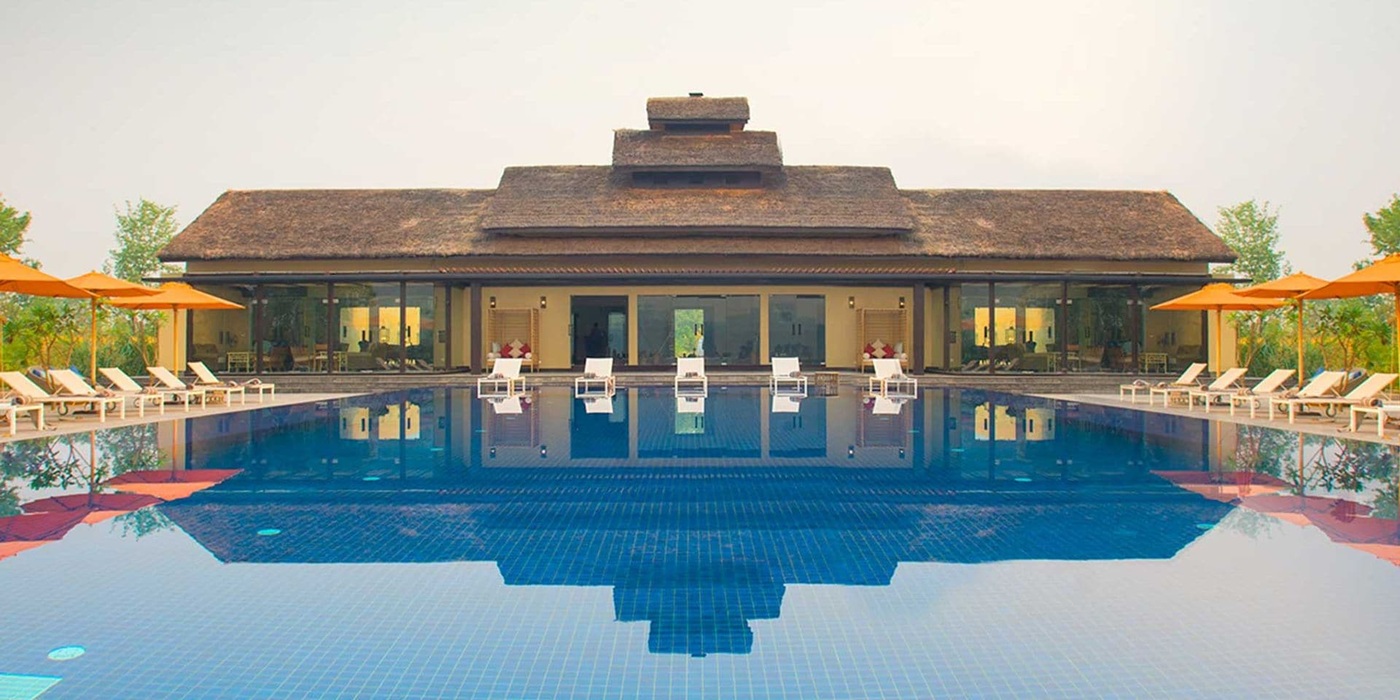
Meghauli Serai is the Taj brand’s jungle flagship in Nepal. Everything the Taj legacy promises is translated into the Chitwan ecosystem.
The 29-unit property sits spectacularly on the banks of the Rapti River, directly bordering Chitwan National Park. The architecture pays deep homage to local Newari and Tharu culture. The lobby door is intricately carved by local villagers. The massive chandelier is constructed from 10,000 locally made Nepali beads.
Three Accommodation Tiers
12 Meghauli Rooms have elevated balconies overlooking the national park canopy. Wildlife sightings from the balcony are common.
16 Rapti One-Bedroom Villas feature private plunge pools. This is the category we book most often for our discerning guests. The privacy is profound.
The singular Presidential Two-Bedroom Villa features a massive private deck with commanding views of the Rapti River. It is the most exclusive accommodation in the entire Chitwan region.
Safari Modalities
Expert-guided jeep safaris target the elusive Bengal Tiger and one-horned rhinos. Peaceful canoe safaris navigate the Rapti River. Specialized walking safaris (Chitwan is one of the very few parks globally that permits them) offer the highest-adrenaline wildlife experience. The area hosts over 600 bird species.
Miraaya Spa and Dining
The Miraaya Spa grounds its treatments in the five sacred elements of ancient Indian healing: Jal (water), Vayu (air), Agni (fire), Prithvi (earth), and Akash (space). Intense somatic therapies ideal for recovering from a humid day in the jungle.
The ‘Bada Ghar’ dinner is a communal multi-cuisine experience inspired by Tharu warmth. The Rapti Kinara riverside dinner is an alfresco barbecue (sekuwa) on an elevated wooden deck lit entirely by candles. Deer often drink from the river meters away while guests eat. No stagecraft. Just Chitwan.
“Robert and Marianne Huang from Singapore spent four nights at Meghauli Serai in November 2024 as the recovery stop after their Everest Base Camp trek. Their Rapti One-Bedroom Villa faced the river. Marianne watched a rhino bathe from her plunge pool on the second morning. She sent us the photo with three words: ‘You were right.’”
8. Barahi Jungle Lodge, Chitwan
Rapti River, Chitwan · Independent river cottages · Best for: eco-conscious safari with personalized service
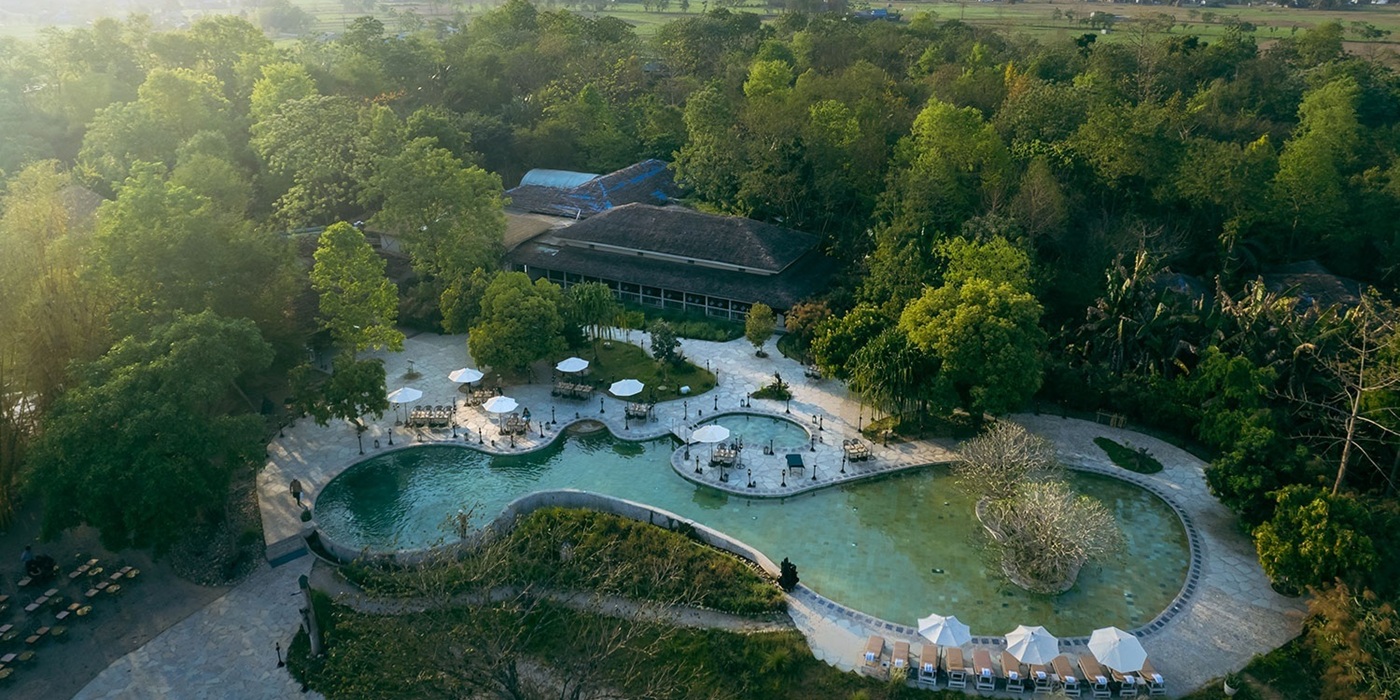
Barahi Jungle Lodge is the boutique counterpoint to Meghauli Serai in Chitwan. Smaller scale. More personalized. Equally confident in its hospitality.
The lodge sits directly alongside the Rapti River. Reviewers universally praise its seamless integration with the surrounding wilderness, its impeccable cleanliness, and its exceptional staff attention. Beautifully appointed, structurally independent cottages each feature a spacious private balcony overlooking the untamed canopy of the national park.
Wildlife Programs
Barahi delivers dynamic, high-adrenaline safaris. Guided walking safaris that occasionally yield rare tiger sightings. Silent boat safaris navigate complex riverine ecosystems. Classic rugged jeep safaris deep into the park’s core.
The Surprise Bush Dinners
This is the detail that makes Barahi memorable long after the trip ends. The lodge orchestrates surprise bush dinners under the stars for guests — traditional music, candlelight, a multi-course meal served in an undisclosed jungle clearing. Highly personalized. Genuinely surprising. The kind of experience that becomes the story our guests tell when they get home.
Paola and Marco Benedetti from Milan spent three nights at Barahi in December 2024. On the second evening, the lodge arranged a bush dinner that they had not been told about. Paola told us later that walking out to find a candlelit table in the jungle was the most romantic thing either of us has ever experienced.’ They booked a return for their wedding anniversary in 2026 before they left.”
9. Shinta Mani Mustang
Jomsom, Mustang · 29 “Windows on the Wild” suites · Best for: cultural remoteness and Bill Bensley design
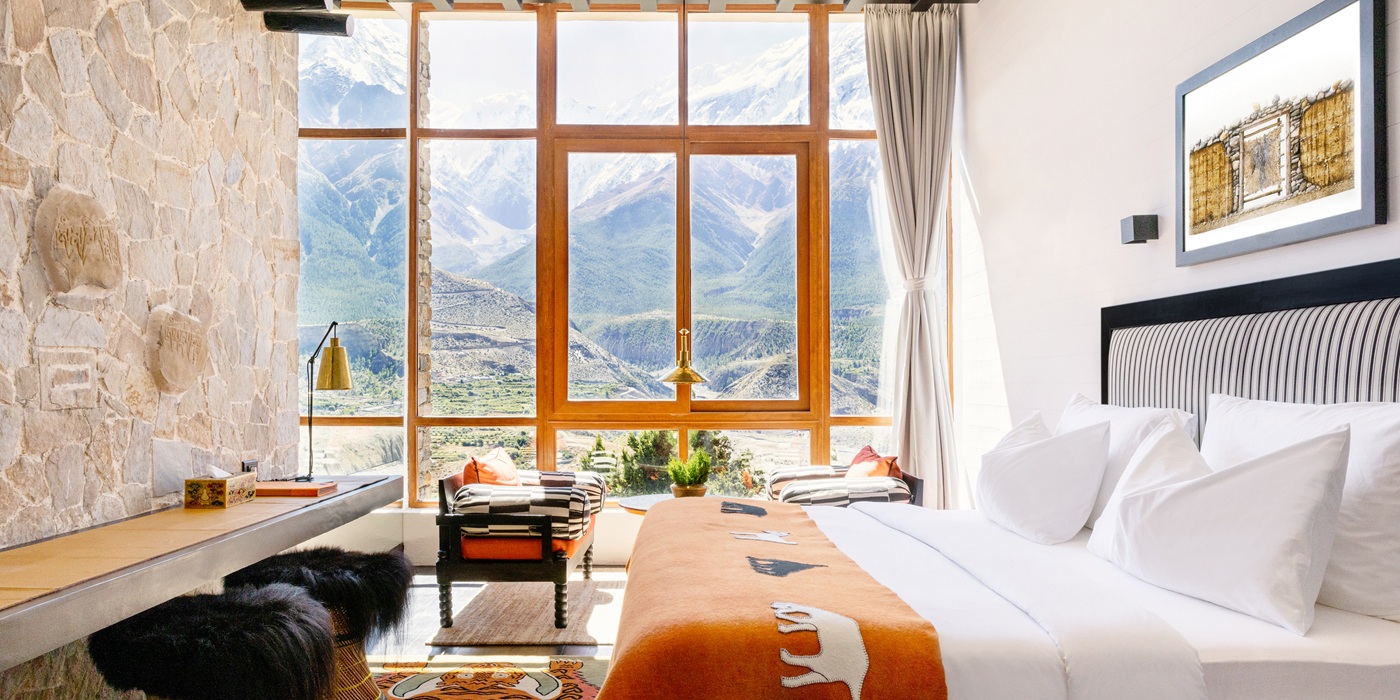
Shinta Mani Mustang is what the future of Himalayan luxury looks like.
Designed by Bill Bensley — one of the most celebrated hospitality architects in the world — and located in Jomsom within the arid, culturally isolated landscapes of Mustang district, the resort is frequently described by critics as “the world’s poshest mountain hut.” It functions practically as an immersive high-altitude art museum.
The Suites
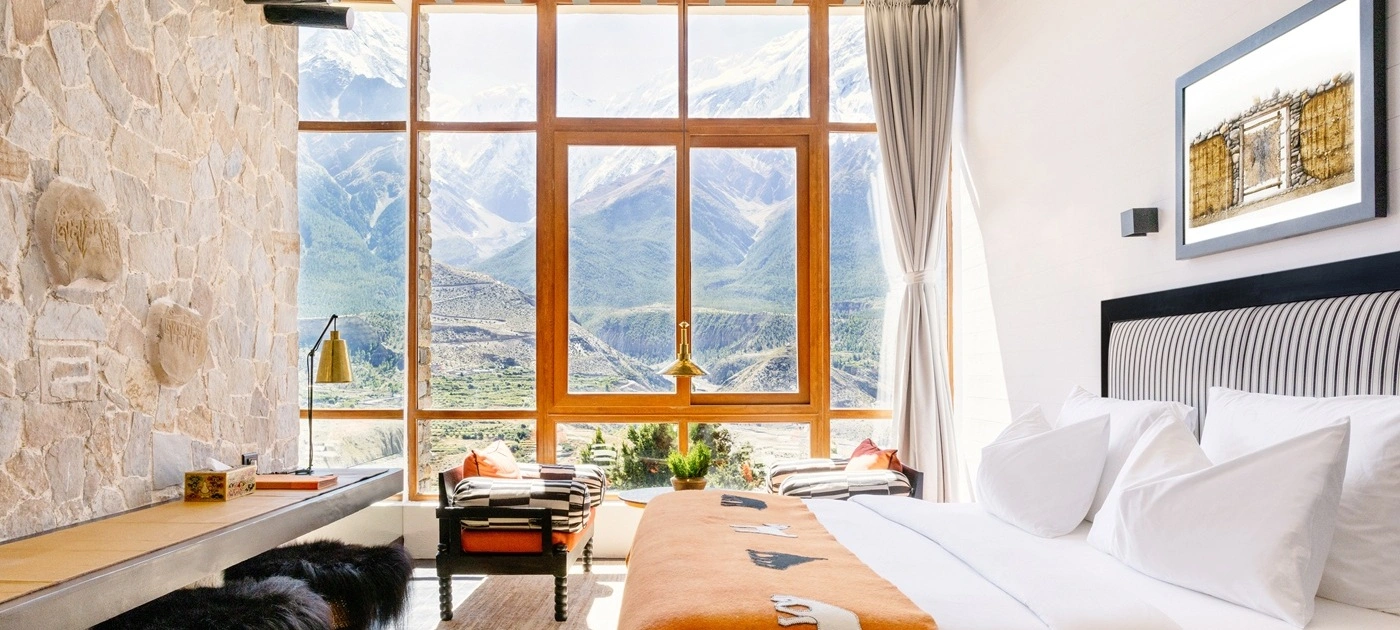
29 suites, aptly named “Windows on the Wild.” Massive floor-to-ceiling windows frame the 7,000-meter Nilgiri peaks. Thick hand-woven blankets for the mountain chill. Tibet-inspired art throughout. Heavily carved wood furniture. Yak skins. Tibetan rugs. Found objects and regional antiques curated by Bensley himself.
The Bespoke Five-Night Program
Shinta Mani Mustang does not operate on a standard nightly rate model. Guests book an all-inclusive five-night program. Everything is curated: culinary journey, cultural excursions, wellness protocol.
The “Mustang Wellness” program is anchored by deep personal consultations with Tsewang Gyurme Gurung, an 11th-generation Amchi (practitioner of traditional Tibetan medicine). Treatments utilize rare Himalayan plant and herb therapies you genuinely cannot access elsewhere.
The Experiences
Guided House Hikes through the arid desert. Horseback rides on robust Mustang ponies along ancient trade routes. Private archery lessons from local experts. Intimate visits to the 800-year-old Lubra Village — a rare stronghold of the ancient Bon Buddhist tradition. Pilgrimages to Muktinath with its 108 sacred fountains.
For our guests who have already done the usual Nepal circuit and want something genuinely remote and culturally unique, we send them to Shinta Mani Mustang.
“We sent Christopher and Sophia Novak from Vienna to Shinta Mani Mustang in May 2025 after they had done the standard Kathmandu-Pokhara-Chitwan itinerary on a previous trip. Christopher is a practicing physician. His hour-long consultation with the Amchi Tsewang was — in his words — ‘the first medical conversation in twenty years that treated me as a whole person.’ They are returning in 2026 for a ten-day program.”
10. Hotel Everest View
Sagarmatha National Park · 3,880 m elevation · 12 rooms · Best for: the world’s highest-placed luxury hotel
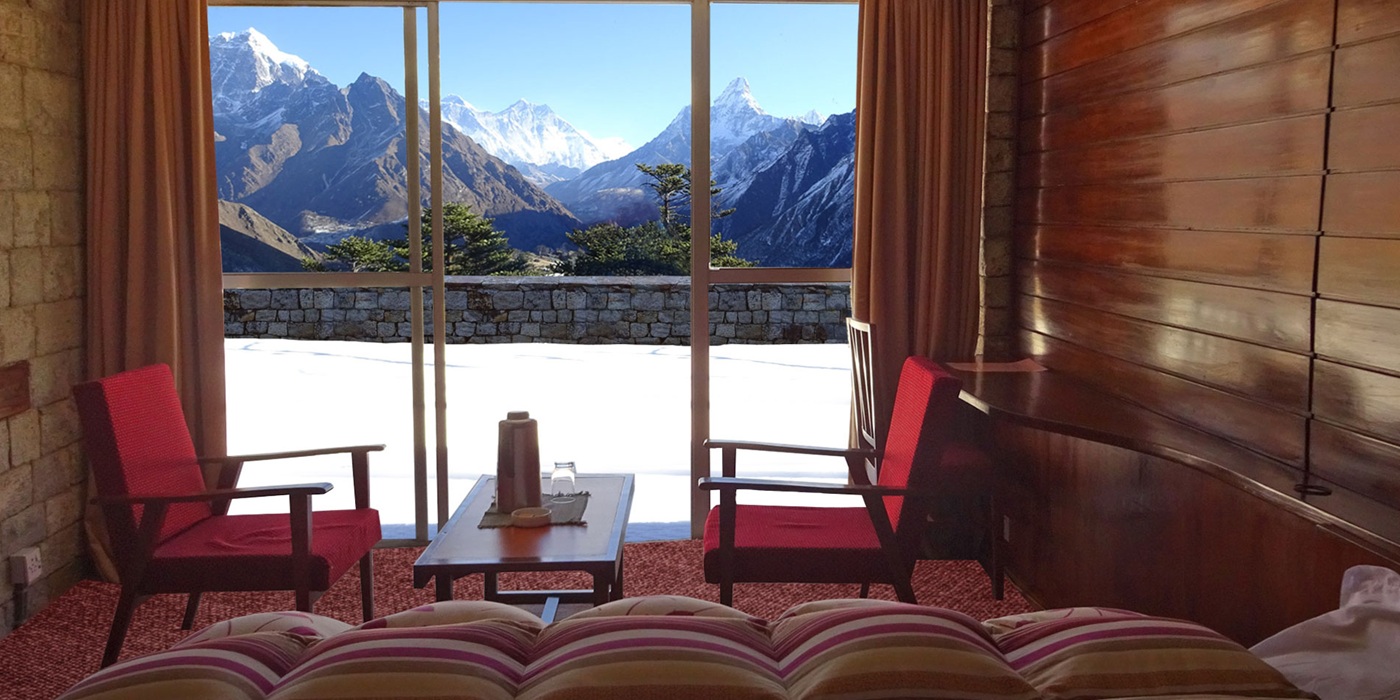
Hotel Everest View is a Guinness World Record. Officially listed in the 2004 Guinness Book of World Records as the Highest-Placed Hotel in the world. 3,880 meters (12,730 feet). Inside Sagarmatha National Park.
The hotel was conceived in 1968 by Takashi Miyahara, designed by Japanese architect Yoshinobu Kumagaya, and officially opened in 1971. Building it required a level of dedication that verges on insane. Every material — heavy sliding glass doors, solarium glass, fine Japanese eating utensils — was imported from Japan. Shipped to Calcutta. Physically carried by human porters on a two-week trek from Lamusangu, 80 kilometers from Kathmandu. Some heavy items were flown in piece by piece via helicopter.
The Rooms
12 incredibly spacious rooms. En-suite bathrooms. Sitting areas. Stone-walled balconies. Every single room has a 360-degree panoramic Himalayan view and a direct, uninhibited line of sight to Mount Everest.
To combat the extreme altitude, rooms are equipped with thermos flasks, powerful room heaters, and electric blankets. At -10°C nighttime temperatures in winter, these features are not luxuries. They are life-preservation infrastructure.
The Dining Room
The main dining room incorporates an ancient massive boulder inscribed with the Tibetan Buddhist mantra ‘Om mani padme hum’ directly into its back wall. The menu is surprisingly sophisticated for 3,880 meters: Japanese-style oyakodon, club sandwiches, and flawlessly executed fillet mignon with fresh green vegetables.
Most guests arrive at the hotel by helicopter for lunch and a short photo stop. Serious trekkers spend a night or two here as part of longer Everest-region itineraries.
“We arranged a helicopter day tour to Hotel Everest View for a family from Chicago — the Hendersons — in April 2025. Three generations on one flight. Grandparents, parents, teenagers. They landed, had lunch in the dining room with Everest filling the window, and flew back to Kathmandu by mid-afternoon. The grandmother, Eleanor Henderson, age 74, told us ‘I have wanted to see Everest my whole life. Today I saw it with a hot coffee in my hand.’ That is the reason this hotel exists.”
Which Nepal Luxury Hotel Is Right for You?
|
If You Are…
|
We Recommend…
|
|
Arriving in Kathmandu and want the definitive heritage hotel
|
Dwarika’s Hotel
|
|
Drawn to Rana-era royal elegance with personalized service
|
Baber Mahal Vilas
|
|
Looking for deep Newari cultural immersion outside the capital
|
The Nanee, Bhaktapur
|
|
Seeking a serious multi-day wellness detox retreat
|
Kavya Himalayas, Nagarkot
|
|
An eco-conscious traveler who wants Machhapuchhre views
|
Tiger Mountain Pokhara Lodge
|
|
A honeymoon couple or eco-focused wellness traveler
|
The Pavilions Himalayas (Lake View)
|
|
Expecting the full international Taj-brand experience in the jungle
|
Meghauli Serai, A Taj Safari
|
|
Wanting personalized boutique safari service with surprise dining
|
Barahi Jungle Lodge
|
|
A returning Nepal visitor wanting something remote and unique
|
Shinta Mani Mustang
|
|
Determined to see Everest from a hotel room
|
Hotel Everest View
|
How to Combine These Hotels Into One Trip
Our most booked Nepal itineraries combine multiple regions. Here is how we typically structure them.
The Classic Luxury Triangle (8-10 nights)
Three nights in Kathmandu (Dwarika’s or Baber Mahal Vilas). Three nights in Pokhara (Tiger Mountain or The Pavilions Himalayas). Three nights in Chitwan (Meghauli Serai or Barahi Jungle Lodge).
This is the most requested structure. It covers heritage, mountain views, and a jungle safari in one trip. For first-time luxury visitors to Nepal, this is our default recommendation. See our [Luxury Nepal 10-Day Package] for the full itinerary.
The Heritage + Wellness Retreat (7-9 nights)
Two nights in Kathmandu at Dwarika’s. Five to seven nights at Kavya Himalayas on a structured retreat program.
For our burnt-out executive clients and for honeymoon couples who want a meaningful slowdown rather than sightseeing. The wellness programming at Kavya transforms the trip. See our [Nepal Wellness Retreat Package] for structure options.
The Remote Cultural Deep-Dive (10-14 nights)
Three nights in Kathmandu. Five nights at Shinta Mani Mustang (bespoke program). Two to three nights in Pokhara to decompress. Two nights in Chitwan to close.
For sophisticated travelers who have already been to Nepal once. Mustang gives them a Nepal that their friends have not experienced. See our [Upper Mustang Luxury Tour] for full itinerary details.
The Full Spread (14-18 nights)
Kathmandu + Nagarkot + Pokhara + Chitwan + Mustang + Everest region (helicopter day tour from Kathmandu to Hotel Everest View).
For dedicated travelers with the time and budget to see everything Nepal offers at the luxury level. We have only built this itinerary six times in fifteen years. It is the most comprehensive Nepal experience we offer.
Nepal luxury hotels typically require four to six months advance booking for peak season (October-November, March-April). Festival weeks (Dashain, Tihar) require six to nine months. Shinta Mani Mustang and Meghauli Serai’s Presidential Villa are the two hardest rooms to secure in Nepal and require the longest lead times. We handle all booking sequencing, internal transfers (private vehicles, domestic flights, helicopters, as needed), and contingency planning. Lukla weather delays in the Everest region are common during the monsoon and winter — we build flexibility into every trip that includes Everest View.
Frequently Asked Questions
What is the best luxury hotel in Nepal?
There is no single best — it depends on what kind of trip you want. For heritage immersion in Kathmandu, Dwarika’s Hotel. For wellness retreats, Kavya Himalayas in Nagarkot. For jungle safari luxury, Meghauli Serai by Taj. For cultural remoteness, Shinta Mani Mustang. For Machhapuchhre views and regenerative tourism, Tiger Mountain Pokhara Lodge. At Alpine Luxury Treks, we often blend two or three of these into a single itinerary.
How much does a luxury trip to Nepal cost?
A genuine luxury Nepal trip for two people typically ranges from 6,000 USD per person for a seven-night triangle itinerary (Kathmandu, Pokhara, Chitwan) up to 22,000 USD per person for a fourteen-night multi-region experience including Mustang. Pricing includes luxury accommodation, all meals, private guide, private driver, internal flights where needed, and all ground transfers. International flights are additional.
What is the best time to visit Nepal for luxury travel?
Mid-March to mid-June and mid-October to mid-December are the two peak seasons. October-November offers the clearest Himalayan views. March-April brings blooming rhododendrons and warmer temperatures. December-January is colder but offers excellent high-altitude visibility. Monsoon months (July-September) are not recommended for travel to the mountains or Chitwan, though heritage hotels in Kathmandu operate normally.
Can I combine luxury hotels in Nepal with trekking?
Yes. Most of our guests combine luxury accommodation with trekking days. Tiger Mountain Pokhara Lodge serves as a luxury base for Annapurna Foothills hikes. Dwarika’s is the ideal pre-trek staging point for Everest Base Camp trips. Kavya Himalayas offers the Trek and Transform program, which combines Himalayan day trekking with wellness therapies. We build these combinations into every itinerary where requested.
Which luxury hotel in Nepal has won the most awards?
Tiger Mountain Pokhara Lodge holds the deepest sustainability credentials (Travelife Gold 2017/2019/2024, GSTC affiliate status, Yardstick UK verification). Hotel Everest View holds a Guinness World Record as the highest-placed hotel on earth. Dwarika’s Hotel has been recognized repeatedly by international heritage and hospitality organizations for its architectural preservation work. Each leads in its respective category.
Is Nepal safe for luxury travelers?
Nepal is very safe for international luxury travelers. Political stability has improved substantially over the past decade. Luxury hotels maintain comprehensive security, power backup, water treatment, and medical coordination. Our team handles all permits, altitude safety protocols, and emergency evacuation coordination. Altitude-related risks at higher-elevation hotels (Hotel Everest View at 3,880m, Shinta Mani Mustang at 2,743m) require proper acclimatization planning, which we build into every itinerary.
Which Nepal hotel is best for a honeymoon?
Three options lead our honeymoon bookings. Meghauli Serai’s Rapti One-Bedroom Villa has its private plunge pool facing the Rapti River. The Pavilions Himalayas Lake View, accessed only by sunset boat crossing of Phewa Lake. Shinta Mani Mustang’s Bensley-designed suites with Nilgiri peak views. Each delivers a different romantic experience — jungle, lake, or high desert. We tailor based on the couple’s preferences.
Do I need a guide to book these hotels?
Most of these hotels accept direct bookings, but coordinating inter-hotel transfers, internal flights, permits, Lukla contingencies, Chitwan park fees, and altitude acclimatization requires professional coordination. Alpine Luxury Treks handles this end-to-end. Our guests never negotiate logistics once they arrive. We also secure access to rooms (such as the Presidential Villa at Meghauli or the Mustang suites) that are often unavailable to direct bookers.
How far in advance should I book?
Peak season (October-November, March-April) requires four to six months' advance booking. Festival weeks and Bisket Jatra season require six to nine months. The single hardest accommodations to secure are Shinta Mani Mustang (due to its fixed five-night program) and Meghauli Serai’s Presidential Villa (there is only one). We recommend contacting us at least six months before your intended travel dates for these properties.
The Final Word
Fifteen years ago, writing a list like this would have been impossible. Nepal did not have ten genuinely world-class luxury hotels. It had one or two international-standard properties, and everything else was a trekking lodge dressed up with marketing language.
That era is over. The ten hotels above compete with any luxury property in Asia. Michelin-level architecture. Engineering triumphs at altitudes that are biologically lethal. Regenerative tourism that actually reverses environmental damage. Cultural custodianship that rescues arts and traditions from permanent loss.
If you are coming to Nepal for the first time, start with the Kathmandu-Pokhara-Chitwan triangle. If you are returning, add Mustang or the Everest region. Either way, build the trip around one or two of these hotels as anchor points, not around sightseeing. The anchor choice determines the shape of the entire trip.
Tell us who you are as a traveler. We will match you to the right hotel. And we will handle every logistical detail between now and your departure.
Planning a luxury trip to Nepal for 2026?
Talk to our team about an itinerary tailored to your preferences. We handle hotels, internal flights, permits, private guides, and every transfer in between.