The Numbers: A Market That Has Matured
The shift is not aspirational. It is measurable. Nepal’s 2025 tourism data tells the story: 1,158,459 international visitors (97% of pre-pandemic 2019 levels). December 2025 recorded 98,190 arrivals — 7% year-on-year growth. Winter is no longer a dead season. The market has moved from volume-driven to value-driven. Year-round operational viability justifies the capital investment in luxury infrastructure that was previously impossible.
The Helicopters: Mountains Without the Suffering
Private helicopter charters have transformed what Nepal offers. A multi-week trek compressed into a precision morning excursion. A champagne breakfast at 3,880 meters at the world’s highest hotel. A royal mountain picnic at a secluded alpine lake accessible only by air, with a private chef preparing organic local ingredients, surrounded by 8,000-meter peaks.
|
Charter
|
Cost (2026)
|
What You Get
|
|
EBC Shared
|
$900–1,450/person
|
Flyover Everest Base Camp. Landing at Kala Patthar (5,545m). Breakfast at a high-altitude lodge.
|
|
EBC Private
|
$4,000–6,500 total
|
Your helicopter. Your timeline. Private champagne breakfast. Dedicated high-altitude pilot guide.
|
|
EBC + Gokyo Lakes
|
$6,500–7,800 total
|
An extended charter including pristine Gokyo Lakes. Tengboche Monastery flyover. Khongde breakfast.
|
|
Annapurna Base Camp
|
$800–950/person
|
Direct flight from Pokhara to the Annapurna Sanctuary. Panoramic immersion.
|
|
Langtang Heli Return
|
$1,900+/person
|
Multi-day guided trek. Private helicopter returns to Kathmandu, bypassing the descent.
|
The Lodges: Luxury at 4,000 Meters
The teahouse era is over for luxury travelers. Purpose-built mountain lodges now offer private rooms with en-suite bathrooms, hot showers, electric blankets, radiant heating, and western-style flush toilets at altitudes exceeding 4,000 meters. At Gorak Shep (5,300m), where permanent luxury structures are prohibited, operators build private heated dining tents and en-suite toilet tents.
A standard EBC trek costs $1,350-1,999. A luxury EBC trek costs $4,500-5,500+. The difference: private rooms instead of dormitories. 1:2 guide-to-guest ratio instead of 1:8. Daily pulse-oximeter checks. Mountain doctors on-site. Gamow bags at every high-altitude hub. Helicopter evacuation within two hours. Porters carrying everything except your daypack. Fresh organic food from Lodge greenhouses instead of instant noodles.
The Hotels: Heritage Meets Global Brands
Heritage
Dwarika’s Hotel: a living museum of 15th-17th century Newari woodwork. Baber Mahal Vilas: Rana-era royal elegance. The Nanee in Bhaktapur: 18 rooms of deep Newari cultural immersion adjacent to Durbar Square. Tiger Mountain Pokhara Lodge: Travelife-certified, cinematic Annapurna views, candlelit dinners, no televisions.
Global Brands Arriving
InterContinental Pokhara Begnas Lake Resort: ultra-luxury wellness positioning on a pristine lakefront. Hotel Indigo Pokhara: 100 keys, culturally curious lifestyle resort. InterContinental Resort Chitwan: 80 rooms on the safari circuit. All designed by 1508 London, drawing from Nepalese art and tribal heritage. The Kathmandu Marriott, Aloft Kathmandu Thamel, and Dusit Princess Kathmandu are already open.
The Benchmark
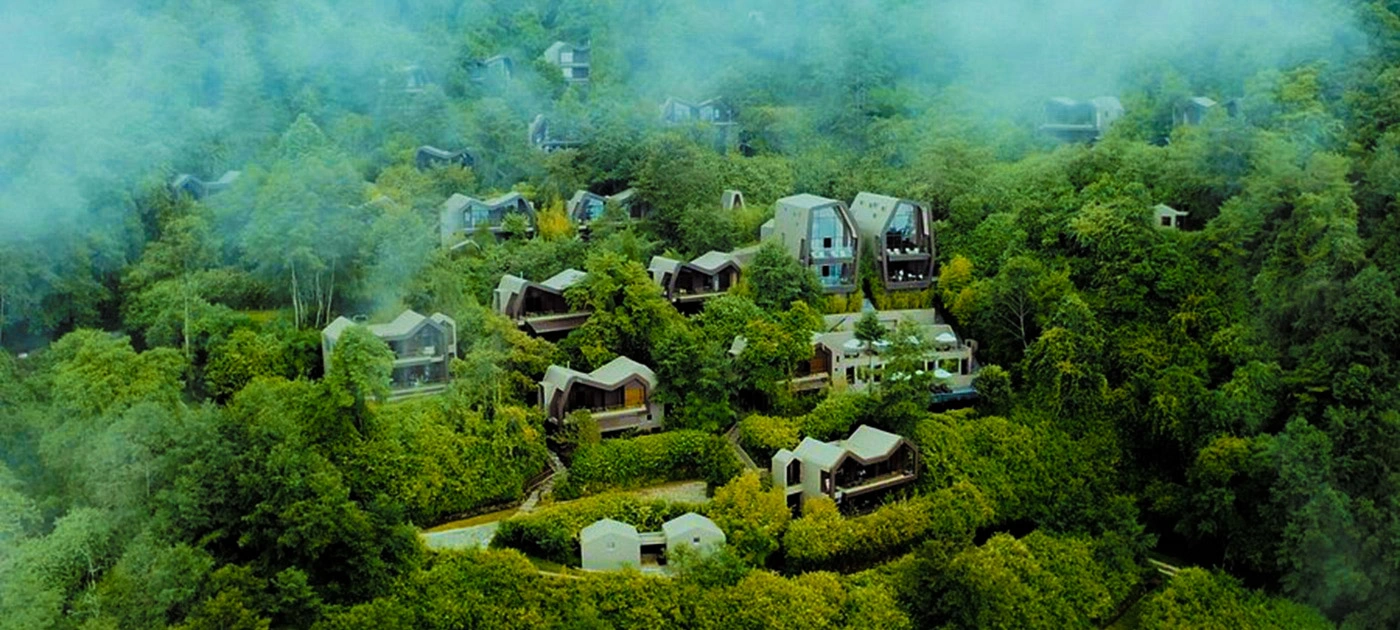
Shinta Mani Mustang: Bill Bensley’s direct competitor to Bhutan’s Amankora. 29 suites of Baglung stone, Tibetan art, yak-fur stools, tiger-shaped rugs, floor-to-ceiling Nilgiri windows. All-inclusive. In-house 11th-generation Amchi doctor. Private Bensley Adventure Guides for cave exploration and horseback riding through arid valleys.
The Safaris: Tiger and Rhino at Taj Standard
Meghauli Serai (Taj): 29 rooms on the Rapti River. Private villas with plunge pools. Jeep and canoe safaris for Bengal tiger, one-horned rhinoceros, sloth bear, and 800+ bird species. Barahi Jungle Lodge: bush dinners in forest clearings lit by lanterns and bonfires. Sundowners at the Rapti-Narayani confluence with live cooking stations on the riverbank. Dedicated personal naturalist guides for every guest.
The Wellness: Ancestral Medicine, Not Spa Menus
At Shinta Mani Mustang, Tsewang Gyurme Gurung (11th-generation Amchi) prescribes bespoke herbal regimens from endemic Himalayan plants. At Dwarika’s Sanctuary in Dhulikhel: Pancha Kosha Himalayan Singing Bowl Therapy using hand-crafted bowls of seven consecrated metals, each corresponding to a cosmic body and chakra.
At Park Village Resort Kathmandu: Floating Night Sound Bath — guests float weightlessly in a pool under the open sky while singing bowl vibrations travel through the water for deep cellular healing. This is not a spa treatment. It is a medical and spiritual tradition supported by the capital of luxury tourism.
The Cuisine: 22 Courses at 1,400 Meters, Fresh Apple Pie at 4,000
Krishnarpan at Dwarika’s: up to 22 courses exploring every ethnic culinary tradition in Nepal. Kakori at the Soaltee: Awadhi gastronomy. Skyline Sora: glass-enclosed skywalk dining with 360-degree valley views. At altitude: luxury lodges run proper commercial kitchens with trained chefs, organic greenhouse vegetables, and fresh apple pie from the orchards of Marpha. Solar-powered espresso machines at 4,000 meters. Strict dietary accommodation (vegetarian, Jain, celiac) at every elevation. The logistics of serving multi-course dinners above the clouds is the clearest proof that Nepal’s luxury transformation is real.
The Spiritual Access: Private, Not Public
Private blessing ceremony with a High Lama at Kopan Monastery. Guided morning kora with a local monk at Boudhanath. Butter lamp making and sand mandala construction. Dawn Aarti at Pashupatinath in solitude. Ancient Bon ceremonies in Upper Mustang’s restricted villages. The temples are public. The access we arrange is private. The difference between a tourist visit and a spiritual encounter is the guide, the timing, and the relationship.
Frequently Asked Questions
Is Nepal really a luxury destination?
Yes. The infrastructure now exists: InterContinental and Hotel Indigo are opening in Pokhara and Chitwan. Bill Bensley’s Shinta Mani Mustang is competing with Bhutan’s Amankora. Private helicopter charters to Everest Base Camp. Purpose-built mountain lodges with en-suite bathrooms at 4,000+ meters. Taj safari properties in Chitwan. 1.158 million visitors in 2025. The market has matured from volume to value.
How does luxury trekking differ from standard trekking?
Private rooms with en-suite bathrooms instead of dormitories. 1:2 guide-to-guest ratio instead of 1:8. Daily medical monitoring (pulse-oximeter, blood pressure). Mountain doctors on-site. Gamow bags and supplementary oxygen. Helicopter evacuation within two hours. Fresh organic food from Lodge greenhouses. Cost: $4,500- $ 5,500 vs. $1,350- $ 1,999 for the same route.
What is the best luxury hotel in Nepal?
Shinta Mani Mustang (Bensley Collection, Jomsom) is the current benchmark for ultra-luxury. Dwarika’s Hotel (Kathmandu) for heritage immersion. Tiger Mountain Pokhara Lodge for eco-luxury. The Nanee (Bhaktapur) for intimate Newari cultural depth. InterContinental Pokhara Begnas Lake for wellness-focused lakefront luxury (opening 2025).
What helicopter experiences are available?
EBC private charter with Kala Patthar landing: $4,000-6,500. EBC + Gokyo Lakes: $6,500-7,800. Annapurna Base Camp from Pokhara: $800-950/person. Royal mountain picnics at secluded alpine lakes. Langtang heli return: $1,900+. All operated by vetted high-altitude specialists.
What is the best safari lodge?
Meghauli Serai (Taj) for Taj-standard luxury in Chitwan: plunge pool villas, tiger/rhino tracking. Barahi Jungle Lodge for bush dinners and sundowners. Tiger Tops Karnali in Bardia for walking safaris and maximum remoteness.
What wellness experiences are unique to Nepal?
Private consultation with an 11th-generation Amchi (Tibetan medicine doctor) at Shinta Mani Mustang. Pancha Kosha Singing Bowl Therapy at Dwarika’s Sanctuary (seven-metal bowls, chakra alignment). Floating Night Sound Bath at Park Village Resort (singing bowls through water). These are ancestral medical traditions, not generic spa treatments.
Can I visit Nepal in winter?
Yes. December 2025 recorded 98,190 arrivals (+7% YoY). Near-zero rainfall, clear skies, high daytime clarity. Luxury lodges have comprehensive heating. Lower elevations (Chitwan, Pokhara) are mild. Winter is no longer off-season.
Can I visit Upper Mustang during the monsoon?
Yes. Mustang sits in a rain shadow behind the Dhaulagiri and Annapurna massifs. During the monsoon (June-August), it has blue skies while the rest of Nepal has torrential rain. Zero crowds. Sharp light on red cliffs. Shinta Mani Mustang operates year-round.
What global hotel brands are coming to Nepal?
InterContinental Pokhara Begnas Lake (Q2 2025), Hotel Indigo Pokhara (Q3 2025), InterContinental Resort Chitwan (Q3 2025) — all IHG properties designed by 1508 London. Plus Kathmandu Marriott, Aloft Kathmandu Thamel, and Dusit Princess Kathmandu are already operational.
How does Nepal compare to Bhutan for luxury travel?
Nepal offers greater geographic and experiential diversity: 8,000m peaks, subtropical jungle safaris, and ancient urban heritage — Bhutan offers none of these at the same scale. Nepal’s Shinta Mani Mustang competes directly with Amankora. Nepal’s helicopter infrastructure is more developed. Nepal’s fine-dining scene is broader. Bhutan offers more controlled, culturally homogeneous experiences. The two destinations are complementary, not interchangeable.
The Final Word
The question is no longer whether Nepal can deliver a luxury experience. The InterContinental is building on a lakefront. The Taj is running safaris on the riverfront. A Bensley-designed lodge is serving Amchi herbal regimens in a high-altitude desert. A helicopter is landing at 5,545 meters for champagne and photography.
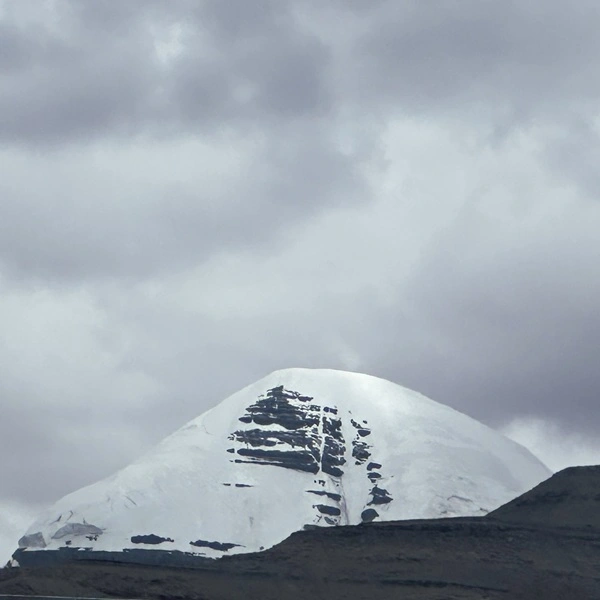
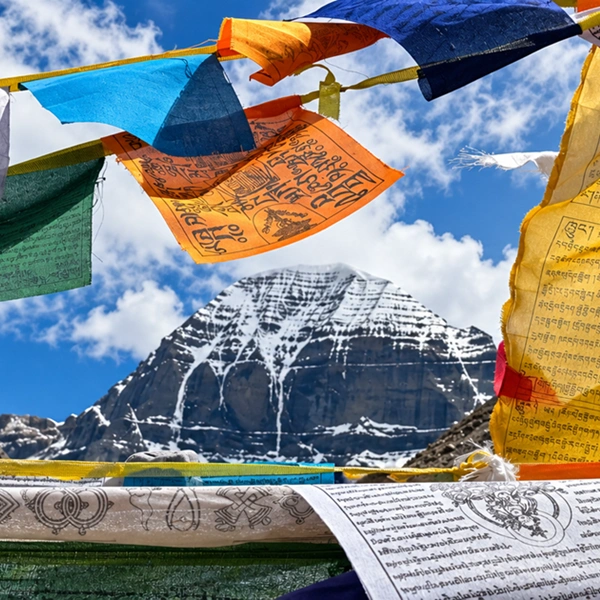
A 22-course dinner explores the culinary traditions of a dozen ethnic groups in 15th-century architecture. And the highest mountains on earth are still there, still unclimbed where they should remain unclimbed, still walked around by pilgrims who believe a single circuit cleanses a lifetime of karma.
The question is whether you want to experience Nepal at the level it currently operates. Tell us your dates. We will show you what that looks like.
Ready for Nepal at its best?
Tell us your travel dates, interests, and group size. We build luxury Nepal itineraries that justify the claim this blog makes.