Choosing the best Kailash Mansarovar Yatra operator comes down to one question above all: who designs the journey around your safety at 5,630 meters? At Alpine Luxury Treks, acclimatization architecture, daily health checks, and carried evacuation support are built into every departure — not sold as extras. Here is how we approach the pilgrimage, and how to judge any operator you consider.
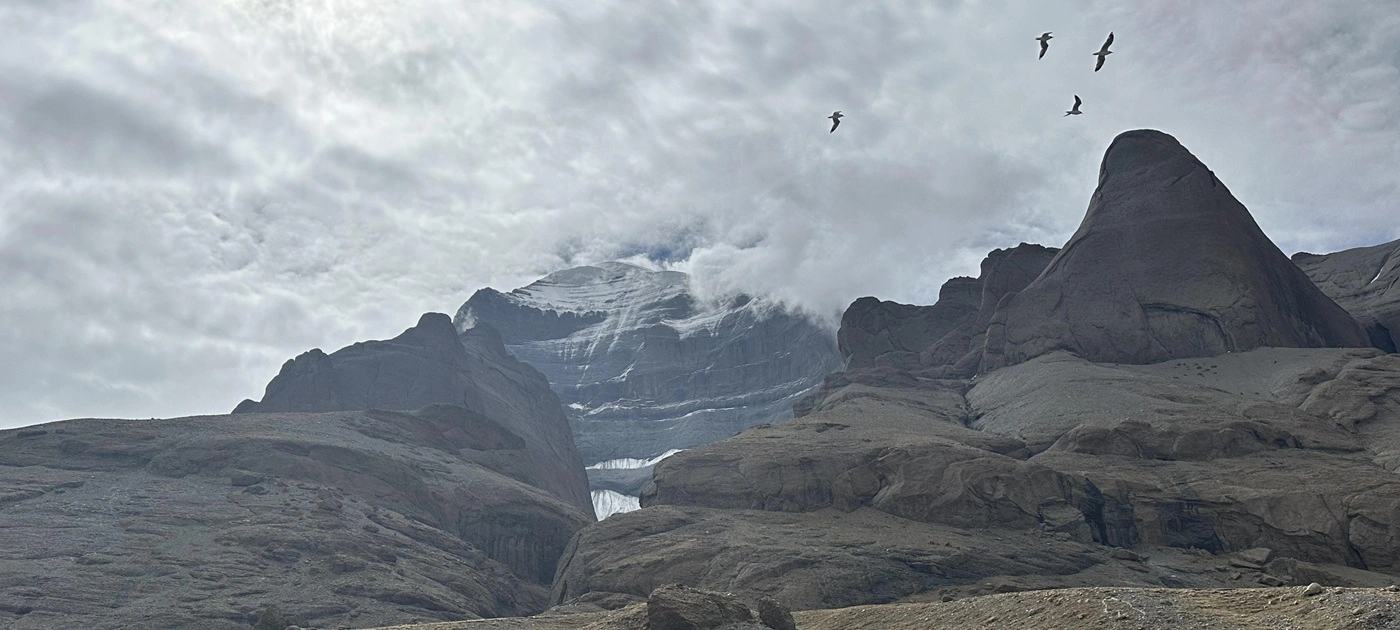
The Best Kailash Mansarovar Yatra Operator: How to Choose, and Why Pilgrims Choose Us

Searching for the best Kailash Mansarovar Yatra operator is really searching for something narrower and more important: the team you would trust with your body at 5,630 meters, days from the nearest hospital, on a pilgrimage that asks more of you than almost any journey on earth. The right operator is not the one with the loudest claims. It is the one whose entire itinerary is engineered so that the mountain gives you its blessing and not its worst.
At Alpine Luxury Treks, we have run this pilgrimage for 10 years / 100 successful yatras —and we build every departure around a single principle: safety by design, not safety by luck. This page explains what that means in practice, and — just as usefully — gives you the questions to ask any operator you are weighing, ours included.
We would rather you chose us for the right reasons than for the loudest ones. So here is the honest case.
Why Safety and Acclimatization Design Is the Whole Decision
Most operators sell Kailash on its scenery and its spiritual power, both of which are real and neither of which keeps you alive. What keeps you alive is the ascent profile — the sequence and timing of altitude gained — and that is a design decision an operator makes months before you arrive, on your behalf, whether you understand it or not.
We design ours deliberately. Our route itineraries are built as acclimatization staircases, gaining sleeping altitude gradually with rest days placed where the body needs them, not where the calendar is cheapest. On the overland Kerung road, that means nights in the Gyirong valley and at Saga; on the faster helicopter corridor, it means non-negotiable rest at Simikot and Taklakot that we will not cut to save a day. The whole logic is laid out in our comparison of the three Kailash routes, which ranks them by acclimatization quality first.
On the mountain, the design becomes daily discipline: pulse-oximeter checks every day, guides trained and empowered to enforce descent over devotion, carried supplementary oxygen, and evacuation protocols rehearsed rather than improvised. Our altitude guide explains the medicine behind each of these — and the fact that we publish that reasoning openly is itself part of the answer to "why us."
The True Cost of the Cheapest Quote
The Kailash market has a dangerous feature: the cheapest operators cut precisely the things that keep pilgrims safe, because those things are invisible on a price sheet. A day of acclimatization removed, a rest night skipped, oxygen left behind, a group oversold onto a weather-delayed flight — none of it shows in the quote, and all of it shows on the pass.
The season's casualty reports across the high Himalayan pilgrimages are, overwhelmingly, reports of compressed schedules meeting unforgiving altitude. We have written honestly about that pattern in our what-to-expect briefing, because a pilgrim who understands it books differently.
Paying for a specialist Kailash operator is not paying for luxury in the resort sense — there are no five-star lodges at 5,000 meters, and we say so plainly. It is paying for the buffer days, the carried oxygen, the guide-to-pilgrim ratio, and the refusal to gamble with weather, all of which cost money and save lives. That is the trade, stated without varnish.
Experience You Can Verify
Experience matters on this route because the failure modes are specific and learned — the split-visa emergency when a pilgrim is evacuated, the border bottleneck when weather closes a crossing, the reading of a falling oximeter before it becomes a crisis. These are not skills a new operator has; they are scars an experienced one carries.
We have guided the Kailash pilgrimage for 10 years, across 200+ departures and 1000+ pilgrims safely completed. We hold your actual licenses/registrations and Tibet-side operating partnerships. Every one of those is checkable, and we encourage you to do so, because an operator's real credentials should survive scrutiny.
But the experience we are proudest of is harder to fake and easy to see: the depth of what we know. The library of Kailash guides on this site — the routes, the Dolma La, the seasons, the medical realities, the four faiths, the kora landmark by landmark — is not marketing. It is the working knowledge of a team that walks this pilgrimage every season, published in the open for you to judge before you trust us with the real thing.
What We Handle, End to End
The Kailash pilgrimage crosses international borders, three currencies, a multi-layered permit system, and terrain with no infrastructure — and a good operator absorbs all of that so the pilgrim can hold the experience instead of the logistics. We arrange the full permit stack and visa process, the flights and overland transport, the guides and pony support, the accommodation and the expedition kitchen, and the safety systems throughout.
Two parts of that deserve naming, because they are where operators quietly cut corners. We insist on documents in hand before you leave home — never the "permits will arrive en route" gamble that stranded pilgrims this season. And we build weather buffers into every itinerary, carrying our own reserves so a delayed day becomes a rest day rather than an emergency.
The result our pilgrims describe most often is that Kailash felt effortless. It is not effortless. It is simply handled where you cannot see it — which is the entire job of the best operator you could choose.
How to Judge Any Kailash Operator — Ours Included
We would rather arm you with the right questions than ask for blind trust, so here is the checklist we would use if we were choosing an operator for our own family:
- Ask them to explain their acclimatization schedule day by day. A good operator answers immediately and specifically; a cheap one is vague, because their schedule is compressed.
- Ask what safety equipment travels with the group — oximeters, oxygen, evacuation protocol — and whether guides are empowered to turn a pilgrim back.
- Ask when they require your permits and documents to be finalized. "In hand before you fly" is the only safe answer.
- Ask how they handle weather delays, and whether buffer days are built in or improvised.
- Ask for verifiable credentials and real, checkable client reviews — and be wary of any operator offering neither.
- Ask us all of these. We built this page, and the sixteen guides around it, precisely so that the honest answers are already in front of you.
Beginning Your Journey
If Kailash is calling you, the next step is not a booking — it is a conversation. Tell us your intended route, your fitness, any medical considerations, and your reason for going, and we will tell you honestly what your yatra should look like, including whether the full kora, a Mansarovar-focused journey, or a no-trek darshan is the right form for your body. That first honest conversation is how every one of our pilgrimages begins.
We would be glad to design yours. Our private Kailash Mansarovar journey is built around your safety, your pace, and your intention, on the standards we keep across all our luxury travel in the Himalayas — and every question you have before then is already answered somewhere in our full Kailash Yatra library, waiting for you to read before you decide.
FAQs — Choosing a Kailash Operator
How do you choose the best Kailash Mansarovar Yatra operator?
Judge them on safety design above all: ask any operator to explain their day-by-day acclimatization schedule, the safety equipment carried (oximeters, oxygen, evacuation protocol), when they require your documents finalized, and how they handle weather delays. Specific, immediate answers signal a safe operator; vague ones signal a compressed, cheaper itinerary. Verifiable credentials and real client reviews should confirm the choice.
What makes a Kailash Yatra operator safe?
A safe operator designs the itinerary as a gradual acclimatization staircase with rest days where the body needs them, runs daily pulse-oximeter checks, carries supplementary oxygen and rehearsed evacuation protocols, empowers guides to enforce descent, insists on documents in hand before departure, and builds weather-buffer days with its own reserves. These systems cost money and are invisible on a price sheet — which is exactly why the cheapest quotes omit them.
Why choose a specialist Kailash operator over a cheaper one?
Because on this pilgrimage, the cheapest quotes cut precisely what keeps you safe — acclimatization days, carried oxygen, guide ratios, weather buffers — none of which appear on the price sheet but all of which matter at 5,630 meters, days from a hospital. Choosing a specialist here does not mean luxury lodges, which don't exist on the kora; it means the safety architecture that turns a dangerous route into a well-managed one.
How experienced is Alpine Luxury Treks with the Kailash Yatra?
We have guided the Kailash Mansarovar pilgrimage for 10 years across 200+ departures, hold Nepal tourism licenses and registrations, and publish an extensive library of Kailash guides drawn from walking the route every season. Our experience shows most clearly in handling the pilgrimage's specific challenges — permit logistics, weather delays, altitude management, and border emergencies — which only seasons on the route can teach.
What is Alpine Luxury Treks' safety record on the Kailash Yatra?
Our approach is built on prevention: acclimatization-first itineraries, daily oximeter checks, carried oxygen, guides empowered to enforce descent, and evacuation protocols coordinated across the Nepal–Tibet border. [Add your specific record — years/departures without serious incident/evacuation handling — confirm before publishing; state only what is verifiably true.] We publish the medical reasoning behind our protocols openly, because a safety record should be explainable, not just asserted.
Does Alpine Luxury Treks handle all the permits and logistics?
Yes — we arrange the complete permit stack and visa process, all flights and overland transport, guides and pony support, accommodation, the expedition kitchen, and every safety system, so pilgrims carry the experience rather than the logistics. We insist on documents in hand before departure and build weather buffers with our own reserves, so the two most common points of failure on this route are handled before they can become your problem.
How do I start planning a Kailash Yatra with Alpine Luxury Treks?
Begin with a conversation rather than a booking: tell us your intended route, fitness, any medical considerations, and your reason for going, and we will advise honestly on the right form of the yatra for you — the full kora, a Mansarovar-focused journey, or a no-trek darshan. Because permits need roughly ninety days, starting that conversation early keeps every option open.
Need Help? Call Us+977 9851013196orChat with us on WhatsApp


Need Help? Call Us+977 9851013196