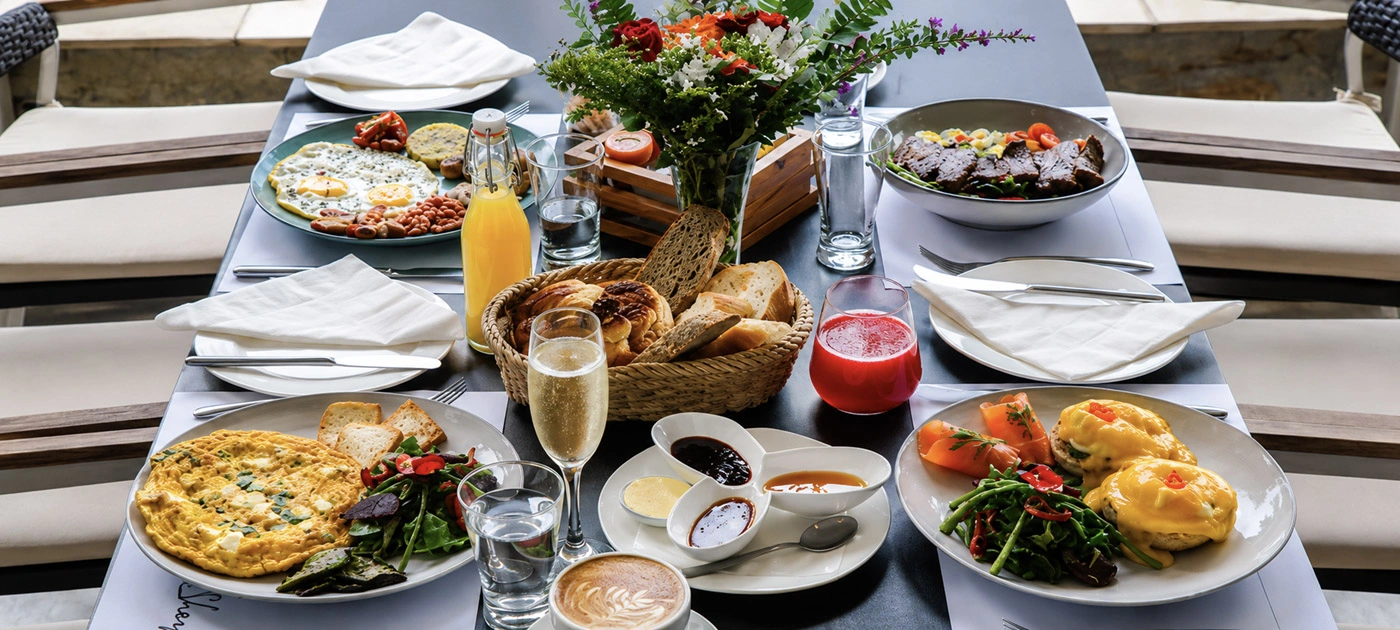
Fine dining in Kathmandu has moved out of hotel dining rooms and into restored palaces, quiet courtyards, and kitchens run by chefs trained in the world's best restaurants. Modern Nepali tasting menus, the revival of indigenous ingredients, heritage feasts, and serious cocktails now rival those of any Asian capital. Here are the standalone restaurants worth planning your evenings around.
Fine Dining in Kathmandu

Fine dining in Kathmandu used to mean the dining room of whichever five-star hotel you were staying in — competent, comfortable, and completely disconnected from the extraordinary valley outside the window. That has changed, and quickly.
A generation of Nepali chefs trained in the world's most demanding kitchens has come home, and the result is a standalone restaurant scene that finally does justice to the country's biodiversity, architecture, and food history.
We arrange evenings across this scene constantly, for guests arriving before a trek or unwinding after one, and the shift is genuinely exciting. Nepal's cuisine is no longer being adjusted downward for foreign palates. It is being researched, elevated, and served with technique that would hold up in Copenhagen or Tokyo.
Here are the restaurants we recommend and why, grouped by the kind of evening you want — from research-driven tasting menus to palace courtyards to the best pizza in the Himalaya.
The New Wave: Nepali Cuisine Taken Seriously
The most interesting kitchens in the valley operate more like research projects than restaurants, documenting and elevating the indigenous food traditions of Nepal's many ethnic communities rather than smoothing them into something familiar.
TUSA, in the heritage core of Bhaktapur, is the clearest expression of this. Co-founded by a chef who trained at Noma in Copenhagen, it runs a structured tasting menu built from Nepal's wild and regional biodiversity — foraged herbs, mountain fruits, and botanicals most restaurants have never touched. Traditional preservation methods like fermentation, dehydration, and ash-washing meet precise modern plating, and the whole thing unfolds in a restored building around a quiet courtyard.
Guest numbers are deliberately limited; there's a chef's table for those who want to watch the work, and dress is smart-casual. Reaching it means entering Bhaktapur's protected historic zone, which carries a conservation entry fee that funds the preservation of those medieval streets.
Raithaane, tucked into Patan's old alleyways, takes a scholarly approach that begins with an act of refusal: no momos, no dal bhat. Those omissions are the point — a deliberate challenge to the flattening of Nepali cuisine into two dishes.
What's served instead comes from the country's ethnic kitchens and altitudes: slow-cooked pork with wild tree lichen from the Rai and Limbu east, smoky winter stews from Sherpa country using sun-dried heirloom corn, crisp fritters in the style of the southern Terai plains. The staff explains the origin and context of every plate, which makes dinner here quietly educational.
Palace Courtyards and Heritage Feasts
In a city this dense, space and silence are the rarest luxuries — and several of the valley's best restaurants have solved that by moving inside restored palaces.
Baber Mahal Revisited, a Rana-era palace complex converted into courtyards and galleries, holds two of them. Chez Caroline has served classical French food in a brick-paved courtyard since 1996, and its reputation rests on consistency rather than novelty — tartiflette, rabbit in mustard cream, seared duck breast, excellent weekend brunch, and a basket of warm bread that regulars would riot over. Mulchowk, in the same complex, is the dramatic alternative: a grand neoclassical courtyard with restored temples, Continental cooking, and the formality that suits a celebration dinner.
Bhojan Griha, in Dillibazar, occupies a 150-year-old mansion that once belonged to the royal priest. Dining is traditional — floor cushions at low tables, shoes off, socks advisable — and the multi-course Newari feast arrives on hand-cast copper thalis, with millet raksi poured from clay pitchers throughout. Folk music and the peacock dance run each evening. It sounds theatrical and is, but the food is organic, sourced from the restaurant's own farm, and genuinely good.
Thamel House hides a Rana-era brick mansion, garden, and candlelit terrace inside the noisiest district in Nepal. The kitchen cooks Newari and Nepali food to private-home standards, including dishes rarely served to visitors — sour fermented bamboo shoot stew, wild boar fried with mountain spices — on traditional brassware. It is the calmest thing in Thamel.
Modern International, Done Properly
Kathmandu's international dining has stopped apologizing. These kitchens compete on their own terms.
Le Sherpa, on a landscaped acre in Maharajgunj, is the valley's farm-to-table standard-bearer — herbs and vegetables from its own gardens, produce from dozens of small local producers, and a short, changing modern European menu executed with real precision. Rabbit croquettes, charcoal-grilled ostrich, mushroom ravioli in truffle butter. Its Saturday farmers' market is an institution in itself, and the best place in Kathmandu to see where the good ingredients actually come from.
Piano Piano, in Lazimpat, is the city's most convincing Italian restaurant — Italian chefs, imported Italian ingredients, and a charcuterie and cheese board widely considered the finest in Kathmandu. Truffle-paste pizzas, morel gnocchi, and a wine list that takes Italy seriously.
Bagaicha, spread across a garden estate in the diplomatic quarter of Baluwatar, works differently: a cluster of distinct restaurant concepts and bars under unified management, so a single table can order wood-fired pizza, sushi, and Thai curry without any of it feeling like a compromise. Private dining pavilions and garden seating make it unusually flexible for groups with divided opinions.
Where to Drink: Cocktails With a Sense of Place
The Old House, on Durbar Marg, is where Kathmandu's bar scene grew up. Built under a century-old banyan tree with hand-carved timber columns and Newari architectural detail, it is a collaboration involving the team behind one of Asia's most decorated bars — and the drinks list shows it.
The cocktails are built from Himalayan ingredients with real provenance: wild rhododendron syrup, high-altitude ginger from Ilam, Nepal's peated single malt infused with mountain botanicals. The kitchen backs it with charcoal-grilled sekuwa and solid Western plates. If you have one drink in Kathmandu, have it here.
Rooftops and the Long View
Kathmandu rewards altitude, and two rooftops earn the climb for different reasons.
The Village Cafe in Jhamsikhel offers a panorama across the valley, but its real distinction is structural: it is a social enterprise where women from the Newari community cook using recipes and produce from their own villages. Order the samay baji platter, the bara, and — the thing you will tell people about — the chocolate yomari, a traditional steamed dumpling reworked with a dark chocolate center.
Sundown by Karma, high above Tripureshwor, is the sleeker option: panoramic views, sharp international comfort food, wood-fired pizzas, sekuwa, and a serious bar program. Best approached in late afternoon and allowed to run into dinner.
After the Trek: Small Rooms, Big Cooking
Jasper, on a Thamel side street, seats about five tables and punches absurdly above that. The kitchen forages spruce tips on alpine ridges each spring, bakes on a sourdough starter carried from Burgundy and kept alive for fifteen years, and turns out things like ninety-day fermented goat cheese foam and slow-cooked goat shank. The greenhouse-style room is as considered as the food.
Fire and Ice, opposite the Garden of Dreams, has been making Neapolitan pizza since 1995 with imported ovens, imported cheese, and properly fermented dough. It is loud, busy, unpretentious, and after two weeks of trekking food, it is close to a religious experience.
Nearby, Kaiser Cafe sits inside the restored Edwardian gardens of the Garden of Dreams — Austrian and European cooking in one of the most peaceful settings in the city, though note the garden charges its own entry fee.
Practical Notes for Planning Your Evenings
A few things worth knowing before you book. The tasting-menu restaurants need advance reservations, sometimes with a deposit, and TUSA in particular asks for a day's notice and holds firm on punctuality and dress. Raithaane closes Mondays. Le Sherpa fills fast around its Saturday market. The palace restaurants take reservations easily but are worth booking for weekend evenings.
Dress is smart-casual almost everywhere — Kathmandu is not a jacket city — though slippers and trekking sandals will get you turned away from the more serious rooms. At Bhojan Griha you will sit on the floor, so wear something comfortable and socks you do not mind showing.
Two venues sit inside paid heritage sites: Bhaktapur's historic core for TUSA, and the Garden of Dreams for Kaiser Café. Both fees fund genuine conservation and are worth paying regardless of the meal.
We build these evenings into itineraries as a matter of course — the right restaurant on the right night is part of how a journey through Nepal is designed, not an afterthought, which is the same principle behind everything in our luxury travel in the Himalayas.
FAQs — Dining in Kathmandu
Where is the best fine dining in Kathmandu?
The strongest standalone restaurants are TUSA in Bhaktapur and Raithaane in Patan for modern and indigenous Nepali cuisine, Le Sherpa in Maharajgunj for farm-to-table modern European, Chez Caroline for classical French in a palace courtyard, and Piano Piano for Italian. For an evening built around heritage and ceremony, Bhojan Griha's Newari feast in a 150-year-old mansion is the most memorable choice.
What is modern Nepali cuisine?
It is the movement to research, preserve, and elevate Nepal's indigenous foodways rather than adapting them for foreign palates. Kitchens like TUSA and Raithaane source wild and regional ingredients—foraged botanicals, tree lichen, heirloom grains—from the country's many ecosystems and ethnic communities, applying modern techniques to traditional preservation methods like fermentation and ash-washing. Ingredients once dismissed as subsistence food are now the centerpiece.
Where can I eat authentic Newari food in Kathmandu?
Bhojan Griha in Dillibazar serves a multi-course organic Newari feast in a former royal priest's mansion with live folk performance. Thamel House offers Newari and Nepali cooking to private-home standards inside a restored Rana mansion. The Village Cafe in Jhamsikhel is cooked by women from the Newari community using village recipes — their chocolate yomari is a modern reworking of a traditional dumpling.
Are there heritage or palace restaurants in Kathmandu?
Several. Baber Mahal Revisited, a restored Rana palace complex, houses Chez Caroline in a brick courtyard and Mulchowk in a grand neoclassical setting with restored temples. Bhojan Griha occupies a 150-year-old royal priest's palace, Thamel House a Rana-era brick mansion, and Kaiser Café sits within the Edwardian gardens of the Garden of Dreams. All trade on architecture as much as cooking.
Where can I find good international food in Kathmandu?
Le Sherpa leads for modern European with farm-to-table sourcing from its own gardens. Piano Piano is the most convincing Italian in the city, with imported ingredients and a charcuterie board widely rated the best in Kathmandu. Bagaichā in Baluwatar runs multiple restaurant concepts across a garden estate, so one table can order Italian, Japanese, and Thai together. Fire and Ice has made proper Neapolitan pizza since 1995.
Where are the best cocktails in Kathmandu?
The Old House on Durbar Marg, without much competition. Built under a century-old banyan tree with Newari architectural detail, it was created with the team behind one of Asia's most decorated bars, and the drinks are built from Himalayan ingredients with real provenance — wild rhododendron, Ilam ginger, Nepal's peated single malt. Sundown by Karma offers a strong rooftop bar program with panoramic valley views.
Do Kathmandu restaurants require reservations?
The serious ones do. Tasting-menu restaurants like TUSA need advance booking, sometimes with a deposit, and enforce punctuality and a smart-casual dress code — trekking sandals and slippers are not accepted. Le Sherpa fills quickly around its Saturday farmers' market, and Raithaane closes on Mondays. Palace restaurants take bookings easily but are worth reserving for weekend evenings.
Where should I eat in Kathmandu after a trek?
Fire and Ice opposite the Garden of Dreams, for genuine Neapolitan pizza that tastes miraculous after two weeks of trail food. For something more considered, Jasper in Thamel seats five tables and cooks with foraged alpine ingredients and a fifteen-year-old sourdough starter. If you want a full celebration, Bhojan Griha's Newari feast with folk music makes a fitting end to a Himalayan journey.
Need Help? Call Us+977 9851013196orChat with us on WhatsApp
Need Help? Call Us+977 9851013196