Planning the Kailash Mansarovar Yatra 2027 means working two calendars at once: the astronomical full moons that light the plateau, and the lunar festivals that draw pilgrims in their thousands. Saga Dawa falls in mid-June 2027, September offers the clearest skies, and a major Indian pilgrimage will strain regional transport all summer. Here is the full 2027 planning picture.
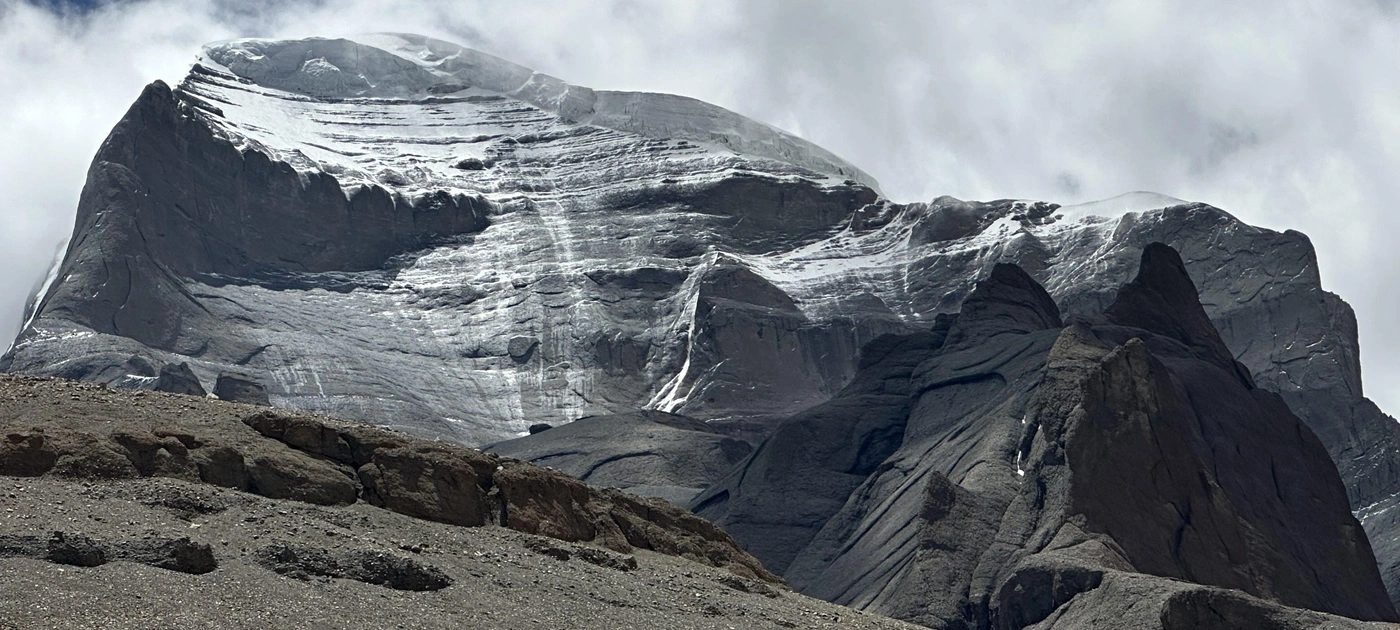
Kailash Mansarovar Yatra 2027: Full Moon Dates and Season Planning Guide

The Kailash Mansarovar Yatra 2027 rewards pilgrims who plan against the calendar rather than the convenience of their diary. Two calendars, in fact: the astronomical one that determines when the full moon will flood the plateau with light, and the Tibetan lunar one that decides when the mountain fills with pilgrims for its holiest festival. Get both right, and you arrive at Kailash on the week you were meant to be there.
We plan departures around these overlaps every season, and 2027 has an unusually clear shape — a mid-June festival peak, a superb autumn window, and one significant complication that most operators will not think to mention until it affects your flights.
Here is the 2027 season laid out: the full moons, the festival alignments, the month-by-month realities, and the booking timeline that makes all of it possible.
Why Pilgrims Time the Yatra to a Full Moon
Full moon nights carry particular weight on this pilgrimage, and the reasons are both practical and devotional. Under the exceptionally clear, dry skies of western Tibet, a full moon at 4,600 meters produces a quality of light that has to be seen — the plateau silvered, Kailash's north face luminous, Lake Mansarovar holding the reflection. Photographers plan whole journeys around it.
The devotional logic runs deeper. In Hindu tradition, the full moon day, Purnima, is dedicated to prayer, fasting, and ritual purification, which makes a Mansarovar bath or a shoreline puja on that night especially significant. In Tibetan Buddhism, the full moon of the fourth lunar month is the holiest day of the year.
The practical consequence for planning is simple: itineraries need to place you at the lake and the mountain on the full moon, not traveling toward it. Because the journey from Kathmandu or Lhasa needs roughly a week of driving and acclimatization before you reach Mansarovar, a full-moon yatra departs about seven days ahead of the date you are aiming for. Work backward from the moon.
The 2027 Full Moon Calendar
These are the full moons falling within the 2027 Kailash season, given in Nepal Standard Time. Departures should be timed roughly a week ahead of each.
| Date (2027) | Moon | Notes for pilgrims |
|---|---|---|
| Thursday 20 May | Flower Moon | Aligns with Buddha Purnima; opens the season |
| Saturday 19 June | Strawberry Moon | Falls a day after Saga Dawa Düchen — the year's peak |
| Sunday 18 July | Buck Moon | Guru Purnima; monsoon at its height |
| Tuesday 17 August | Sturgeon Moon | Accompanied by a partial lunar eclipse |
| Thursday 16 September | Harvest Moon | Marks the start of Pitru Paksha; clearest skies |
| Friday 15 October | Hunter's Moon | Season's close; cold and quiet |
One detail matters more than it looks. The Tibetan festival calendar and the astronomical calendar do not always agree, and in 2027 they miss each other by a single day — the great festival falls on 18 June while the astronomical full moon arrives on 19 June. Pilgrims wanting both should plan to be at the mountain across that whole weekend.
Saga Dawa 2027: The Season's Peak
Saga Dawa, the fourth month of the Tibetan lunar calendar, is the holiest period of the Buddhist year, commemorating the Buddha's birth, enlightenment, and parinirvana. In 2027, the month runs from early June to early July, and its climax — Saga Dawa Düchen — falls on Friday 18 June 2027.
That single day is the most charged moment on the entire Kailash calendar. Thousands of pilgrims converge at Tarboche, near the kora's starting gate, for the ceremonial lowering, re-dressing, and raising of the great prayer flagpole.
Monastic astrologers read the angle at which the pole settles as an omen for the year ahead. It is loud, crowded, ancient, and unlike anything else in the Himalaya.
The trade-off is honest: this is simultaneously the most powerful and the most difficult week to travel. Darchen's accommodation runs to capacity, vehicles are fully committed, and the permit queue lengthens sharply.
A festival departure needs to be planned and lodged months ahead, not weeks — and for pilgrims who want the mountain rather than the multitude, the autumn windows below are the wiser choice.
Hindu Festival Alignments Through the 2027 Season
For Hindu pilgrims, several of 2027's full moons carry their own observances, and a yatra timed to one of them gains a second layer of meaning.
The May full moon is Buddha Purnima, marking the Buddha's birth and traditionally opening the pilgrimage season. June's brings Vat Purnima, observed by married women for their husbands' longevity — and its coincidence with Saga Dawa makes that weekend the most heavily booked of the year.
July's full moon is Guru Purnima, honoring spiritual teachers, which in the Tibetan calendar aligns with a day of mountain incense offerings to Guru Rinpoche.
August's full moon carries Raksha Bandhan, and in 2027 arrives with a partial lunar eclipse — a rare conjunction over the sacred peak.
September marks the beginning of Pitru Paksha, the fortnight of ancestral rites, which makes autumn especially meaningful for pilgrims who wish to combine the kora with offerings for their forebears. October closes the season under Sharad Purnima, associated with Lakshmi and the harvest.
We flag these to guests early, because a pilgrim who discovers the alignment after booking always wishes they had known.
The 2027 Complication: A Major Pilgrimage in India
Here is the planning detail most operators will not raise. A major Kumbh Mela cycle is expected at Nashik-Trimbakeshwar through the middle of 2027, drawing enormous crowds of pilgrims across western India from mid-July into September, with the largest bathing days spread across that period.
The effect on a Kailash journey is indirect but real. An event of that scale absorbs domestic flight capacity, rail seats, and hotel inventory across India and spills into Nepal, precisely during the months when monsoon disruption already makes travel fragile.
Pilgrims routing through Delhi, Mumbai, or Kathmandu in that window should expect tighter availability and higher fares than the season would otherwise suggest.
The practical answers are straightforward: book international and domestic connections unusually early for mid-July through mid-September departures, build genuine buffer days rather than tight connections, and consider whether an autumn departure after the crowds disperse serves you better. We plan around this for 2027 as a matter of course.
Month by Month Through the 2027 Season
May opens the season on dry, pre-monsoon ground, with clear days, hard frosts at night, and the Buddha Purnima full moon on the 20th. Roads and the border run reliably. It is the connoisseur's month for visibility, and the quietest of the pre-festival period.
June is the festival peak and the year's busiest week, with Saga Dawa on the 18th and the full moon on the 19th. Conditions are generally good, though the first monsoon rains can begin affecting the Nepal-side border roads late in the month. Permits and lodging must be secured far in advance — this is the month that punishes late planners.
July brings the monsoon at full strength. Rain on the Nepalese approach roads raises the risk of landslides and washouts, and the Kumbh crowding compounds it. For July departures we recommend the Lhasa fly-in route, whose Tibetan-side roads are paved and reliable, over the overland border crossing.
August continues the monsoon pattern with the same border risks, though the Sturgeon Moon on the 17th arrives with a partial lunar eclipse — a genuinely rare thing to witness near Kailash. The fly-in routing remains the sound choice, and buffer days remain essential.
September is the season's finest month. The monsoon withdraws, the air clears to exceptional transparency, trails dry out, and the crowds have long gone. The Harvest Moon on the 16th opens Pitru Paksha, giving Hindu pilgrims a natural reason to travel then. If you want the mountain at its clearest and quietest, this is the window.
October stays crisp and clear through the first half, with the Hunter's Moon on the 15th, before the cold deepens and early snow threatens the high pass. Historically, access restrictions have sometimes applied in the second half of the month, so early October is the safer target. Serious cold-weather gear is not optional.
Booking Timeline for 2027
The permit system sets the real deadline, and it is less forgiving than most travelers expect. Access to the far-western border prefecture where Kailash sits requires a layered stack of clearances, the slowest of which need several weeks of processing on their own, in sequence, with no expediting.
Travelers entering from Nepal must also allow several working days physically in Kathmandu before departure for in-person visa processing, and because that office operates only on certain weekdays, a weekend arrival or public holiday can quietly cost you days.
Our standing advice across every Kailash journey applies with extra force to a festival departure: commit ninety days ahead, and further for June.
Two further constraints worth knowing early. Group visas issued in Kathmandu carry nationality-based rules, and travelers on foreign passports generally cannot be grouped with Indian passport holders — which affects how mixed families and friend groups must be arranged.
Travelers over 70 will need thorough medical documentation, as our senior citizens' guide explains in full.
Choosing Your 2027 Week
If the festival is the point, aim for the weekend of 18–19 June and accept the crowds as part of what you came for — but book by the turn of the year. If the mountain is the point, take September: clear skies, dry trails, quiet trails, and the Harvest Moon over Mansarovar.
If you want the season's edges, May gives you spring light and early October gives you solitude before the cold closes in.
Whichever week you choose, the two things that decide how it goes are the route you take in and the acclimatization you are given — our comparison of the three Kailash routes lays out that decision, and our altitude guide explains why it matters more than any date on this page.
When your 2027 week is chosen, we will build the journey around it: permits lodged early, the moon timed to your arrival at the lake, and the pacing that gets you over the pass well, on the standards we keep across all our luxury travel in the Himalayas.
FAQs — Planning the 2027 Yatra
When is Saga Dawa in 2027?
Saga Dawa Düchen, the festival's climax, falls on Friday 18 June 2027, with the Saga Dawa month running from early June to early July. The main event is the raising of the great prayer flagpole at Tarboche near Mount Kailash, drawing thousands of pilgrims. Note that the astronomical full moon arrives a day later, on 19 June, so pilgrims wanting both should plan to travel over that weekend.
What are the full moon dates for the 2027 Kailash season?
Within the trekking season, the full moons fall on 20 May, 19 June, 18 July, 17 August, 16 September, and 15 October 2027 (Nepal time). The August full moon carries a partial lunar eclipse. Because reaching Lake Mansarovar takes roughly a week of travel and acclimatization, a full-moon yatra should depart about seven days before the date you are aiming for.
Why do pilgrims time the Kailash Yatra to a full moon?
For both light and liturgy. Under western Tibet's exceptionally clear skies, a full moon at over 4,500 meters illuminates the plateau, the mountain, and Lake Mansarovar in a way photographers plan whole journeys around. Devotionally, the Hindu full moon day (Purnima) is dedicated to prayer, fasting, and purification, while the full moon of the fourth Tibetan month is Buddhism's holiest day of the year.
Which month is best for the Kailash Yatra in 2027?
September, for most pilgrims: the monsoon has withdrawn, skies are exceptionally clear, trails are dry, crowds have dispersed, and the Harvest Moon on the 16th opens Pitru Paksha. Choose mid-June instead if witnessing Saga Dawa matters more than avoiding crowds, or May and early October for spring light and autumn solitude at the season's quieter edges.
How far in advance should I book the 2027 Kailash Yatra?
Ninety days minimum, and considerably more for the June festival window, where accommodation in Darchen and vehicle capacity sell out months ahead. The binding constraint is the layered permit system for the restricted border prefecture, whose slowest clearances take several weeks in sequence with no expediting. Travelers entering via Nepal also need several working days in Kathmandu for in-person visa processing.
Will the 2027 Kumbh Mela affect Kailash Yatra travel?
Indirectly but genuinely. A major Kumbh cycle is expected at Nashik-Trimbakeshwar from mid-July into September 2027, absorbing flight, rail, and hotel capacity across western India and spilling into Nepal — precisely when monsoon disruption already makes travel fragile. Book connections unusually early for mid-July to mid-September departures, build real buffer days, or consider an autumn departure after the crowds disperse.
Which route should I take during the 2027 monsoon months?
The Lhasa fly-in route for July and August departures. The overland Nepal border road is vulnerable to monsoon landslides and washouts, while the Tibetan-side highways from Lhasa are paved and reliable, and the routing also allows more gradual acclimatization from Lhasa through Shigatse and Saga. For dry-season departures in May, June, September, and early October, the overland Kerung road is excellent.
Which Hindu festivals align with the 2027 Kailash season?
Buddha Purnima on 20 May opens the season; Vat Purnima falls on 18 June alongside Saga Dawa, making that the year's busiest weekend; Guru Purnima lands on 18 July; Raksha Bandhan on 17 August coincides with a partial lunar eclipse; the 16 September full moon begins Pitru Paksha, the fortnight of ancestral rites; and Sharad Purnima closes the season on 15 October.
Need Help? Call Us+977 9851013196orChat with us on WhatsApp

Need Help? Call Us+977 9851013196