A luxury Everest Base Camp trek for families works for children and older travelers because it removes what actually endangers them—not the altitude itself, but the cold, exhaustion, poor sleep, and rushed pacing that surround it. Slow acclimatization, heated lodges, a strong medical safety net, kid-focused guiding, and a helicopter return that spares the descent turn an expedition once reserved for the hardened into a trip three generations can share.
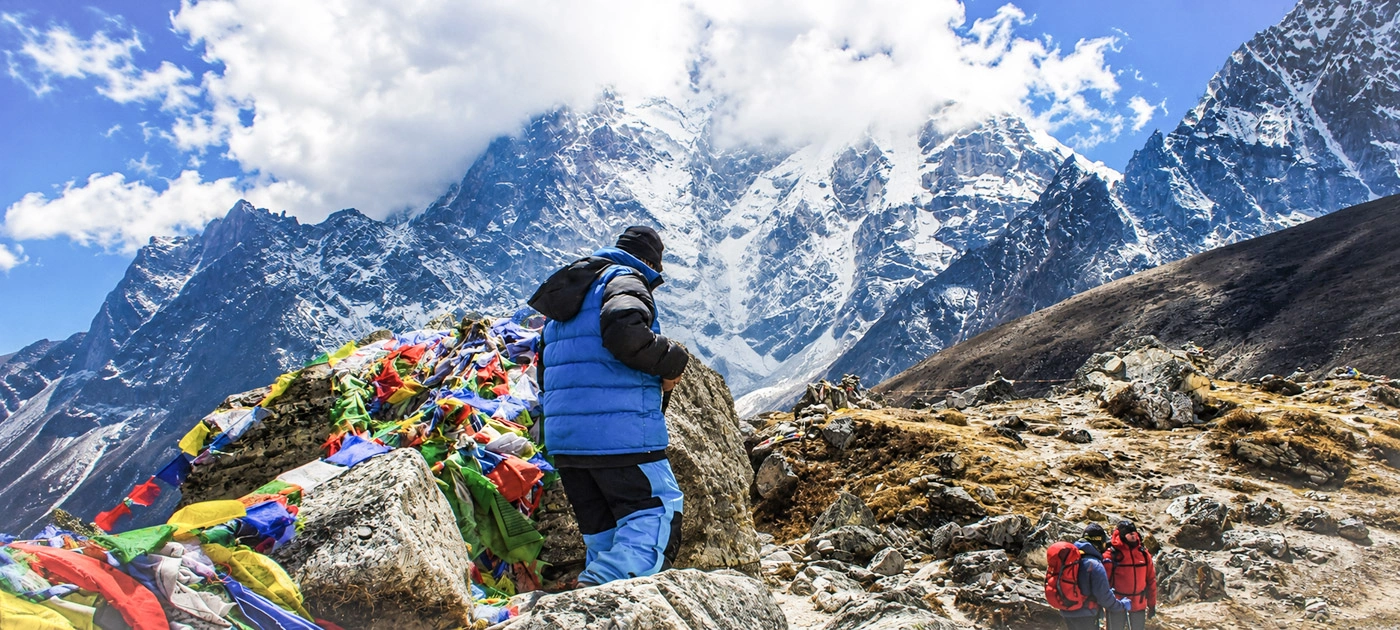
Why the Luxury Everest Base Camp Trek Is Right for Families With Kids and Older Travelers

The Short Answer
A luxury Everest Base Camp trek suits families with young children and travelers in their later years because it dismantles the dangers that once shut them out—while leaving the wonder fully intact.
The mountain never got easier. The air at Base Camp still holds about half the oxygen of sea level, and that's true for a four-year-old, an eighty-year-old, and an elite climber alike. What changed is everything around the altitude.
The cold, the sleepless nights in freezing teahouses, the poor food, the rushed schedules, and the punishing multi-day descent—those were the real filters, and each one is something a well-built luxury trek removes.
That's the honest case, and it's the one worth making. We can't hand anyone more oxygen. We can slow the ascent, warm the nights, feed people properly, watch their health daily, keep children engaged, and fly everyone out before the descent takes its toll. Do all of that, and the Khumbu opens to people who genuinely couldn't safely go before. The rest of this guide walks through why, reason by reason.
Reason One: The Pacing Protects Young and Old Bodies
The most important thing a luxury family trek does is go slowly, because a gentle, unhurried ascent is the single strongest protection against altitude sickness—and it matters most for the youngest and oldest.
Altitude illness is almost always caused by climbing faster than the body can adapt. Fitness doesn't protect you; pacing does. This is why very fit young trekkers often get sick while patient, careful ones don't. Children and older travelers benefit twice over from a slow schedule: their bodies get the time they need to adapt, and the days never tip into the exhaustion that makes everything worse.
We build our family itineraries around this. Where a standard trek takes a single acclimatization day in Namche Bazaar, we take two full days. We add a second multi-day acclimatization stop at a higher elevation. We cap walking hours, take frequent breaks, and use the "climb high, sleep low" method—hiking to a higher altitude during the day, then descending to sleep. It's the same medical logic serious mountaineers follow, applied with extra caution for a mixed-age group.
Older travelers actually hold an advantage here. Where twenty-somethings rush and get sick, seniors naturally pace themselves, and that patience is exactly what the mountain rewards.
Reason Two: Warmth and Sleep Are Medical Buffers
For a child who loses heat quickly and an older traveler who needs deep recovery, the warmth and quiet of a good lodge isn't a comfort—it's a physiological safeguard against altitude sickness.
Traditional teahouses above the tree line can drop well below freezing at night, forcing everyone into heavy sleeping bags in uninsulated rooms. That wrecks sleep and slows recovery, and it hits the youngest and oldest hardest. A child's smaller body loses core temperature fast. An older traveler's heart and lungs recover poorly on fragmented, freezing sleep. Cold itself even raises pressure in the lungs, one of the mechanisms behind the dangerous form of altitude sickness.
The lodges we use hold a warm, stable indoor climate with heated bedding, insulated walls, and en-suite bathrooms with hot water. Sleeping warm lowers the body's baseline stress and directly supports acclimatization. Indoor private bathrooms matter more than they sound, too—they spare an older traveler from a freezing midnight walk down a dark corridor, and they cut the stomach infections that spread through shared facilities. We describe each lodge by its character and confirm the exact properties in your booking proposal.
One landmark earns a name: Hotel Everest View, the Guinness-record-holding highest hotel in the world at 3,880 meters, is a key acclimatization stop. Its rooms have wall-mounted oxygen outlets, and floor-to-ceiling glass means a tired child or grandparent can take in the full sweep of Everest, Lhotse, and Ama Dablam from a warm bed without stepping outside.
Reason Three: Real Food Keeps Everyone Fueled
Good food is a genuine safety feature at altitude, because thin air kills appetite—and a child or older traveler who stops eating loses the energy they need to keep adapting.
One of the quiet dangers of high altitude is that it suppresses hunger just when your body needs fuel the most. On budget treks, the repetitive, heavy trail food makes this worse. People eat less, run low on energy, and adapt poorly. For a child or an older traveler with limited reserves, that shortfall adds up quickly.
The lodges we use serve warm, varied, genuinely appealing meals, often with fresh vegetables from their own high-altitude greenhouses. Warm, flavorful, hydrating dishes combat appetite loss caused by altitude, so people actually eat enough to fuel the next day. Unlimited hot drinks encourage the aggressive hydration that acclimatization demands. Keeping a reluctant child or a tired grandparent eating and drinking well is half the battle, and good food is how you win it.
Reason Four: The Medical Safety Net Is the Best on Earth
Families and older travelers are never far from expert care on this route, because the Khumbu has the finest high-altitude medical infrastructure of any trekking region in the world.
At Pheriche, 4,240 meters, the Himalayan Rescue Association runs a seasonal aid post staffed by international mountain-medicine physicians, stocked with oxygen, oximeters, and a portable altitude chamber that can stabilize a seriously ill patient.
If someone develops worrying symptoms at the acclimatization stop of Dingboche, that clinic is a short downhill walk away, and its doctors also coordinate helicopter evacuations to accredited hospitals in Kathmandu. Further down the valley, Kunde Hospital—founded by Edmund Hillary in 1966 and run by local Sherpa medical staff for over two decades—provides real primary care, another point of medical capability on the route.
Our own guides carry comprehensive medical kits and check blood oxygen and heart rate daily, watching each traveler's trend over time rather than reacting to a single number. They carry acetazolamide and the emergency medications used to stabilize severe altitude illness. We deliberately don't publish dosing here—especially for children—because the right medication and dose depend on the individual and are a doctor's judgment before travel.
This is general information, not medical advice. Children, older travelers, and anyone with a heart or lung condition should see a doctor and a travel-medicine clinic before an Everest trek. The definitive treatment for serious altitude illness is rapid descent.
Reason Five: The Helicopter Return Spares the Worst Part
Flying out instead of walking down removes the single most damaging phase of the trek, and for families, it's one of the strongest reasons the luxury version works.
Trekkers focus on the climb, but going up mostly challenges the heart and lungs. Coming down is what hammers the body—days of downhill impact into the knees, hips, and lower back over uneven, often icy ground. For an older traveler with any joint wear, that descent is disproportionately painful and hazardous, especially when fatigue makes a fall more likely. For a child, it's days of exhaustion with nothing left in the tank.
We extract families from Gorak Shep or Pheriche and fly them back toward Kathmandu or Lukla in under an hour, over the Khumbu Glacier and Icefall. Knees are spared, energy is preserved, and everyone lands in warm, oxygen-rich air to recover far sooner.
It's important to understand this isn't a single pickup: thin air limits the helicopter to two or three passengers at a time from that altitude, so it shuttles the group down in stages before flying everyone out together. We plan and explain that in advance.
This is one reason among several—not the whole story. But paired with slow pacing and warm lodges, it's what closes the loop on safety for young and older travelers alike.
Reason Six: Guides Who Carry the Load—and Keep Kids Going
Dedicated porters and kid-savvy Sherpa guides are what make a family trek both possible and safe, because they free parents to do the one job that matters most at altitude: watching their child.
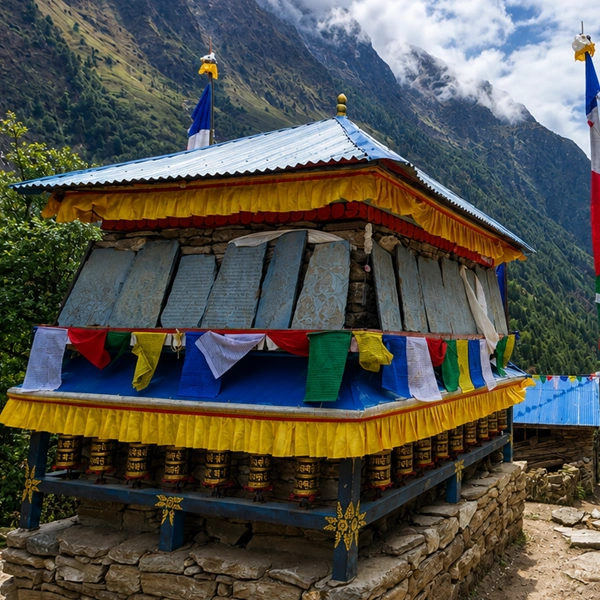
A child's endurance depends far more on their mind than their legs. Ten kilometers of rocky incline are mentally crushing, and a bored child simply stops walking. Our guides turn the trail into a running game instead—spotting Himalayan birds and flowers, counting prayer flags, spinning mani wheels the right way, learning Sherpa phrases.
The day breaks into small goals rewarded by discovery, so the climb never feels like one endless slog. Sherpa guides are wonderful with children, and that warmth carries a family a long way.
Because porters carry the loads, parents walk with nothing heavier than water, a camera, and a warm layer. That matters more than it sounds. It lets a parent spend their full attention on a child's mood, appetite, warmth, and the behavioral changes that are the only early warning a young child gives—rather than wrestling a heavy pack up a hill.
The Honest Part: Who This Is Actually Right For
This trek opens Everest to families and older travelers, but it doesn't make the mountain safe for everyone, and honesty here protects the people we care about most.
For older travelers, there's no upper age limit—people well into their eighties have reached Base Camp. What decides safety isn't age but cardiovascular health, fitness, and preparation. We're firm that older travelers need a proper medical workup before booking, ideally including a stress test, so a doctor can catch hidden heart issues and adjust medications in advance.
For children, honest guidance matters even more. High-altitude pediatricians generally recommend a minimum age of 7 to 12 for the full trek to Base Camp. Younger children have completed adapted, lower-altitude versions with specialist guiding, but that is not the same as the full push to 5,364 meters, and we won't pretend it is.
The core risk with young children is that they can't tell you what's wrong—so we watch behavior closely, and the rule is strict: if a child shows abnormal changes that don't resolve with rest, we descend immediately. There is no "wait and see" with a child.
That firmness is the point. A trek that treats children or frail travelers casually at altitude is a dangerous one. We'd rather tell you honestly whether it's the right trip for the youngest and oldest in your group than sell you a trek that isn't.
FAQs: The Luxury Everest Base Camp Trek for Families
Why is the luxury Everest Base Camp trek good for families with children and older travelers?
- Because it removes what actually endangers them—cold, poor sleep, bad nutrition, rushed pacing, and the punishing descent—rather than the altitude itself, which no trek can change. Slow acclimatization, heated lodges, real food, a strong medical safety net, kid-focused guides, and a helicopter return combine to make the Khumbu accessible to well-prepared children and seniors who couldn't otherwise go safely.
What's the minimum age for a child on the Everest Base Camp trek?
- High-altitude pediatricians generally recommend around seven to twelve hours for the full trek to Base Camp. Younger children have completed adapted, lower-altitude versions with specialist guiding, but that's different from the full push to 5,364 meters. We'll talk honestly about which version suits your child's age, and we won't recommend a route that isn't right for them.
Is the Everest Base Camp trek safe for seniors?
- There's no upper age limit, and travelers in their eighties have reached Base Camp. Safety depends on cardiovascular health, fitness, and preparation—not age. We require a thorough medical workup before booking, ideally including a stress test, so a doctor can screen for hidden heart issues and adjust medications as needed. Older travelers also pace themselves naturally, which is the best defense against altitude sickness.
How does the trek keep children safe at altitude?
- Through slow pacing, warm lodges, constant supervision, and behavioral monitoring—since young children can't articulate symptoms. The warning signs are unusual fussiness, lethargy, loss of appetite, or refusal to play. Porters carry the loads so parents can focus entirely on watching their child. If abnormal changes don't resolve with rest, we descend immediately. There is no "wait and see" with children.
Why does the itinerary take longer for families?
- Because a slower ascent is the strongest protection against altitude sickness, children and older travelers need the extra time to adapt. We add extra acclimatization days—two full days in Namche instead of one, plus a second multi-day stop higher up—and cap walking hours with frequent breaks. The added days aren't padding; they're the core safety feature for a mixed-age group.
Do families still walk to Base Camp, or is it all helicopters?
- You walk up to Base Camp on foot, at a careful pace—that's the real journey and the real reward. The helicopter is used for the return, flying you out from Gorak Shep or Pheriche to skip the multi-day descent that most endangers children and older travelers. So the trek is a genuine walk up and a comfortable, safe flight down, not a flightseeing tour.
How do heated lodges actually help children and seniors medically?
- Cold raises stress on the body and even increases pressure in the lungs, a factor in serious altitude sickness, and it disrupts the deep sleep that young and older bodies need to recover. Sleeping warm lowers baseline stress and supports acclimatization. Indoor bathrooms also spare older travelers freezing midnight trips and cut stomach infections. Warmth is a genuine medical buffer, not just comfort.
What medical support is available if a family member gets sick?
- The Khumbu has the best high-altitude medical infrastructure of any trekking region. The Himalayan Rescue Association clinic at Pheriche has mountain-medicine doctors, oxygen, and a portable altitude chamber, and Kunde Hospital offers real primary care lower down. Our guides carry medical kits, check blood oxygen daily, and coordinate helicopter evacuation to Kathmandu hospitals if needed. Serious cases are treated with rapid descent.
The Trek We Build Around Your Family
The luxury Everest Base Camp trek suits families with children and older travelers not because it makes the mountain easy—it doesn't—but because it lets a grandparent, a parent, and a child stand together at the foot of Everest and get everyone home safely.
We do that by slowing the ascent, warming the nights, feeding everyone well, watching health daily, keeping children engaged, and flying the group out before the descent can take its toll. The altitude stays serious. Everything within our control, we hold.
If you want to bring your family to Base Camp on a trek designed with their safety in mind, our team will plan it with you honestly from the first conversation—including whether it's the right trip for the youngest and oldest among you. Explore our Luxury Everest Base Camp Trek, or write to us directly.
Need Help? Call Us+977 9851013196orChat with us on WhatsApp
Need Help? Call Us+977 9851013196