The luxury Ghorepani Poon Hill trek is the best Himalayan trek for families with children because its highest point—3,210 meters—sits well below the altitude that endangers kids on treks like Everest Base Camp. Short walking days, warm boutique lodges, food children will actually eat, a famous sunrise they can reach on foot, and a full team carrying the load make it a genuine adventure the whole family can share.
Why the Luxury Ghorepani Poon Hill Trek Is the Best Himalayan Trek for Families With Kids

The Short Answer for Parents
The Ghorepani Poon Hill trek is the best Himalayan trek for young families because it delivers a world-class mountain experience at an altitude that's genuinely safe for children.
This is the honest difference, and it's the one that matters most. On high routes like Everest Base Camp, we have to be cautious with children—pediatricians recommend a minimum age of roughly 7 to 12, because the extreme altitude carries a real risk that young kids can't even describe. Poon Hill is different. The entire route tops out at 3,210 meters, well below the elevation at which serious altitude sickness becomes a concern. That single fact takes the biggest danger off the table and opens the Himalaya to families with children who simply couldn't safely attempt the higher treks.
What's left is the good part: a gentle four-to-seven-day walk through rhododendron forest and Gurung villages to one of the most famous sunrises on earth. Add warm lodges, food kids will eat, and a team that carries everything, and you have a trek a family can genuinely enjoy together rather than endure. Here's why it works so well, reason by reason.
Reason One: The Altitude Is Actually Safe for Children
The most important reason this trek suits kids is its modest elevation, because altitude is the one Himalayan danger that hits children hardest, and this route mostly avoids it.
On high treks, the core problem with children isn't just that altitude sickness is dangerous—it's that a young child can't tell you what's wrong. A five-year-old can't distinguish a headache from tiredness from the early signs of hypoxia, so the risk is hard to catch until it's serious. That's why we're so careful about age on the Everest routes.
Poon Hill removes most of that worry. At a maximum of 3,210 meters, and with overnight stops even lower, this route sits below the threshold where serious altitude illness typically develops. Children still feel the mild effects of gentle elevation, and our guides watch them closely regardless. But the terrifying end of the altitude spectrum simply isn't part of this trek. For a parent, that changes everything: you're introducing your child to the great peaks without gambling on their safety.
This is general information, not medical advice. Talk to your family doctor before any trek with children, especially if a child has a heart, lung, or other health condition.
Reason Two: The Days Are Built for Small Legs
Short, gentle walking days make this trek achievable for children, because a kid's endurance runs out long before an adult's.
A luxury family itinerary is paced deliberately, not to cover maximum distance. Walking days are typically a few hours, broken by long stops for food, rest, and exploration, rather than the forced marches that exhaust children and turn a trek into a battle. The total distance across the whole trip is a gentle 40 to 45 kilometers, spread across four to seven days.
The steepest stretch—a long stone staircase toward Ghorepani—is the one real challenge, and we soften it in two ways. First, porters carry all the heavy gear, so your child walks with nothing more than a small daypack. Second, we build in the time to take it slowly, with plenty of breaks. We shape each day around what your children can comfortably manage, and we'd rather add a day than push a tired child up a hill. Pacing is the difference between a family adventure and a family ordeal.
Reason Three: Keeping Kids Going Is a Job We Take Seriously
A child's endurance depends far more on their imagination than their legs, and keeping kids engaged is what actually gets a family to the top.
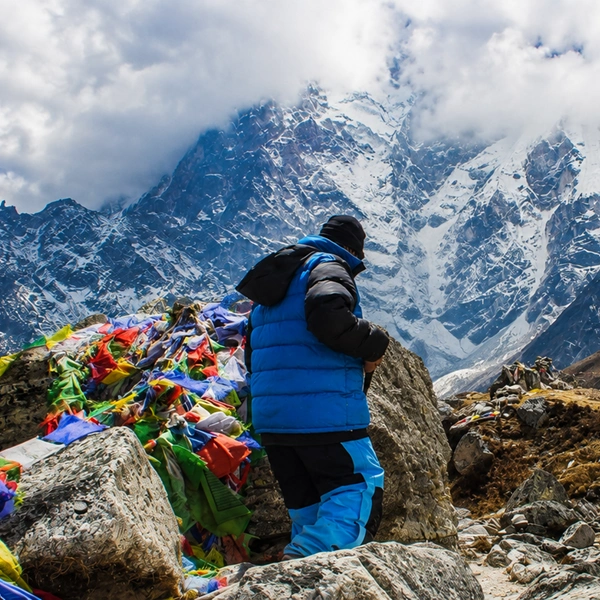
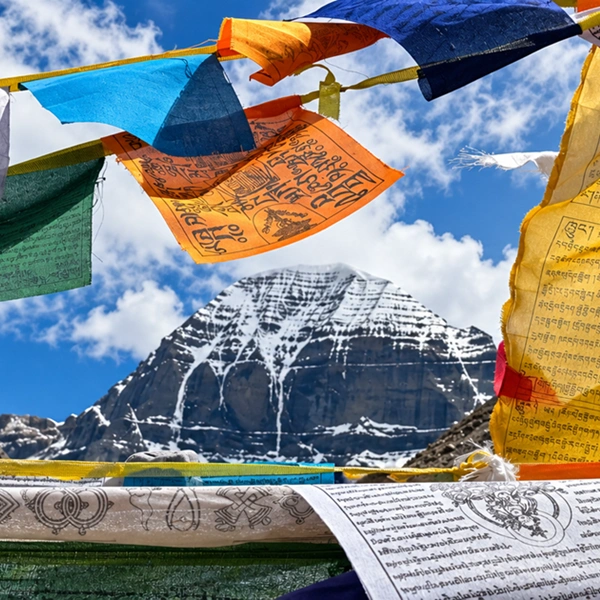
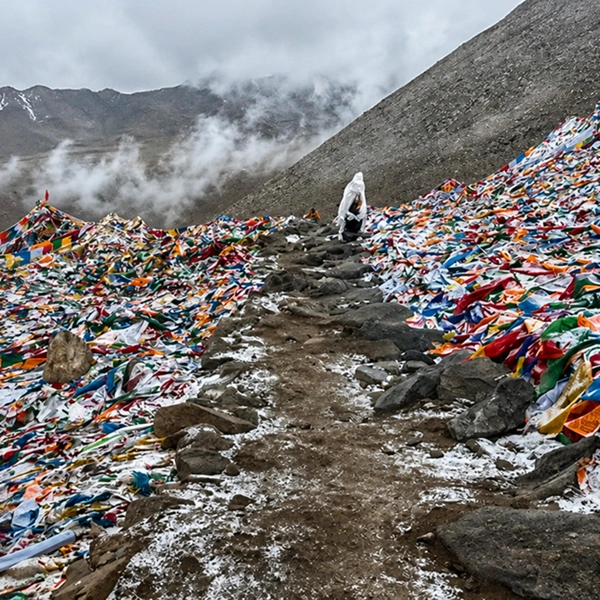
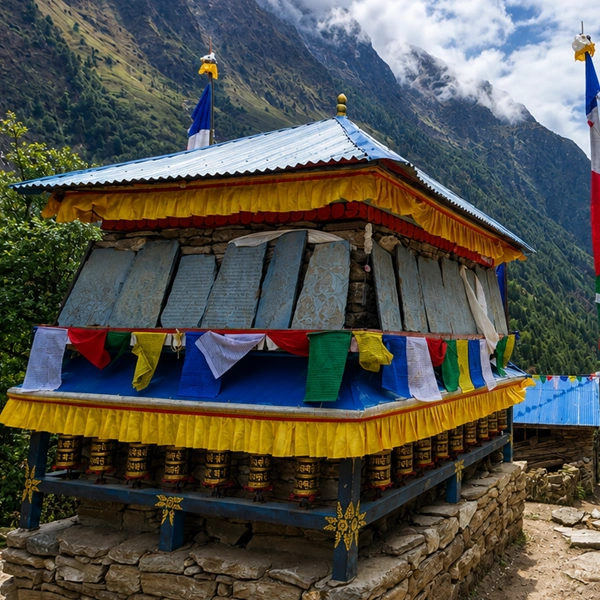
Ten kilometers uphill is mentally crushing for a child, and a bored kid simply stops walking. Our Sherpa and local guides are wonderful with children, and they turn the trail into a running game instead—spotting Himalayan birds and butterflies, counting prayer flags, learning to spin a mani wheel the right way, picking up a few words of the local language, watching mule trains cross the suspension bridges. The day breaks into small goals rewarded by discovery, so the walking never feels like an endless slog.
Because porters carry the loads, parents are freed to do the one thing that matters most on the trail: be present with their kids. You walk together, notice things together, and let the guide handle the logistics. That combination—engaged children and unburdened parents—is what makes a family trek not just possible but genuinely fun.
Reason Four: Warm Lodges and Food Kids Will Eat
Warm, comfortable lodges and appealing food matter enormously with children, because a cold, hungry, badly-slept child is a miserable one—and a miserable child ends a trek fast.
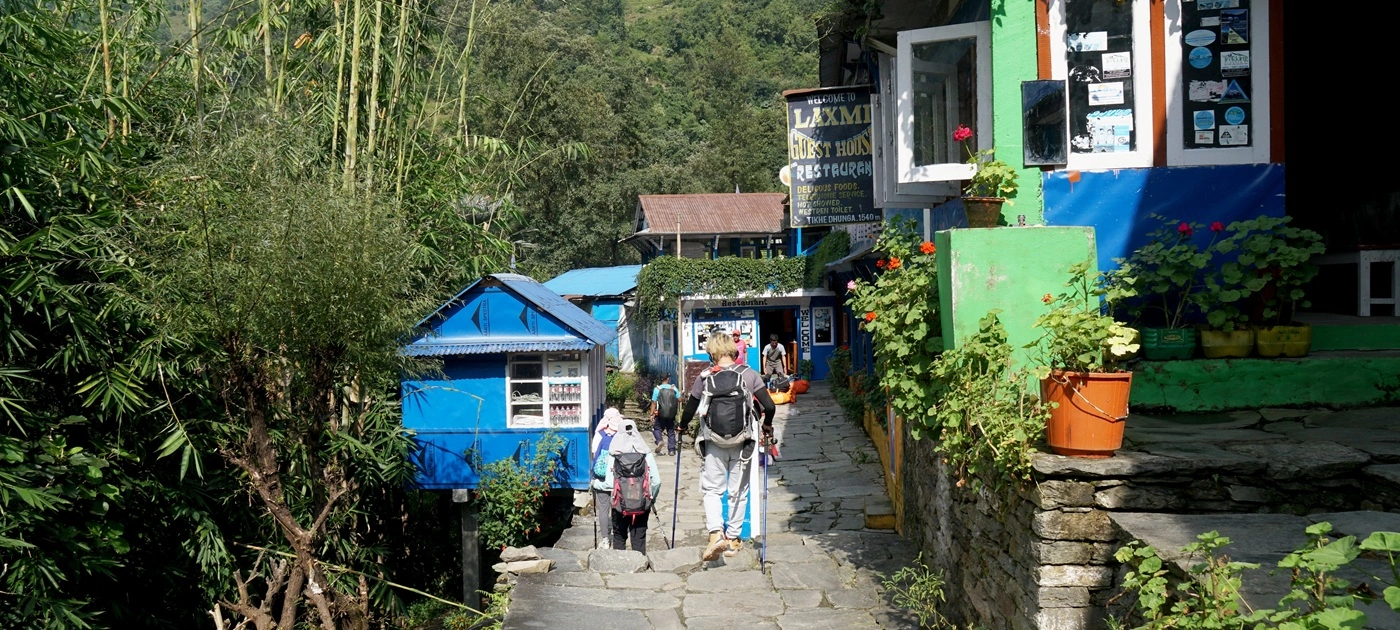
The lower Poon Hill route stays low enough to support real comfort. Instead of freezing plywood teahouses, we place families in boutique mountain lodges with heated rooms, proper beds with warm blankets, and en-suite bathrooms with hot water. A warm, well-slept child wakes up ready for the next day. Indoor bathrooms mean no cold midnight trips outside, which any parent of a small child will appreciate. We describe each lodge by its character—a riverside lodge in flowering gardens, a hilltop lodge in a historic village—and confirm the exact properties in your booking proposal.
The food is a genuine relief for parents, too. These lodges serve varied, fresh, appealing meals from their own gardens rather than the endless plain rice and noodles of budget trekking. There's warm soup, fresh bread, pasta, and plenty that even picky eaters will happily eat—which matters, because keeping a child eating well is half of keeping them going. Most lodges also have fireplaces and gardens where kids can warm up and burn off energy at the end of a day of walking.
Reason Five: A Sunrise Kids Can Actually Reach
The Poon Hill sunrise is a spectacular payoff that children can reach on their own two feet, which makes it one of the most rewarding moments a family can share in the mountains.
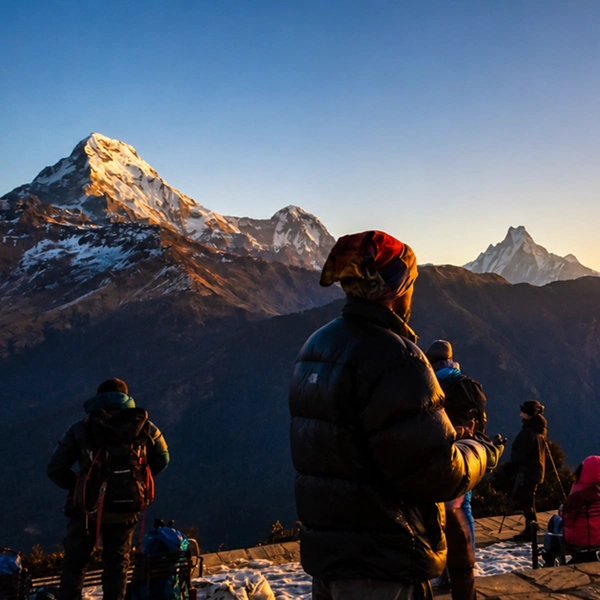
On the summit morning, you set out in the dark for a 45-minute torch-lit walk up to the 3,210-meter viewpoint. For a child, a pre-dawn hike by torchlight is an adventure in itself. Then the sky ignites, and a 270-degree sweep of the Annapurna and Dhaulagiri peaks lights up one by one, gold across the snow, with the pointed Fishtail summit off to the side.
It's a genuine wonder, and the fact that a child can earn it with a short, manageable walk—rather than a punishing multi-day climb—is exactly what makes this trek special for families. Kids remember standing on that hill as the mountains caught fire. It's the kind of moment that turns into a lifelong story.
Reason Six: The Helicopter Treat
An optional helicopter flight is the kind of once-in-a-childhood thrill that makes a family trek unforgettable, and it reaches places a child could never walk to.
For families who want to add something extraordinary, we can arrange a morning charter from Pokhara to Annapurna Base Camp. You lift off at dawn, glide over the lake and the river gorge, pass the sheer wall of Fishtail, and land on the glacial moraine at 4,130 meters, ringed by 8,000-meter peaks.
We set up a private breakfast there before flying back. For a child, a helicopter ride into an amphitheater of ice is pure magic—though note that the base-camp elevation is higher, so we manage the short visit carefully and keep it brief.
Alternatively, families who'd rather not do the uphill walk at all can fly straight to the Poon Hill viewpoint for sunrise and start a gentle downhill-only trek from there. Either way, the helicopter turns a trek into the kind of trip your kids will talk about for years.
Reason Seven: Real Culture, Not Just Scenery
The living Gurung and Magar culture along the route gives children something to connect with beyond the walking, and that human element is what turns a trek into an education.
The trail winds through real villages, not tourist stops. Kids can watch traditional weaving, explore slate-roofed stone houses, visit a village museum, see a working monastery, and share tea in a family home—the kind of genuine encounters our private guides can open up that independent travelers never reach. Children are natural bridges in these settings; they make friends across any language barrier, and Nepali families are warm and welcoming to visiting kids.
This cultural layer does something quietly valuable: it gives a child a reason to keep walking that isn't just the mountain. Curiosity about the next village, the next animal, the next new thing carries a kid a long way up a trail. It's also the part of the trip parents tell us their children remember most.
The Honest Part: What Age, and What to Expect
This trek genuinely suits families with children, but honesty still matters, so here's the realistic picture.
Because of the low altitude, this route is appropriate for considerably younger children than the high treks—many families trek it comfortably with primary-school-age kids, and younger children manage the gentler sections with the right pacing.
There's no single magic age; it depends on your child's stamina, temperament, and enthusiasm for walking. We'll talk honestly with you about your specific children and shape the itinerary—distances, rest days, which sections to walk and which to skip—around them.
Expect some tired legs and the occasional "are we there yet?" That's normal, and it's exactly what the porters, the pacing, the games, and the warm lodges are designed to absorb. What you won't be doing is gambling with your child's safety at a dangerous altitude. That's the trade this trek offers families, and it's a good one.
FAQs: The Luxury Poon Hill Trek for Families With Kids
Is the Ghorepani Poon Hill trek safe for young children?
- Yes, more so than any high-altitude Himalayan trek. The route tops out at 3,210 meters, well below the elevation at which serious altitude sickness develops, removing the biggest danger children face on treks like Everest Base Camp. Combined with short days, porters, warm lodges, and guides who watch the kids closely, it's one of the safest real Himalayan treks for families. Check with your doctor before you go.
What age is right for a child on this trek?
- There's no single magic age—it depends on your child's stamina and enthusiasm for walking. Because the altitude is low, this route suits considerably younger children than the high treks, and many families trek it happily with primary-school-age kids. We'll talk honestly about your specific children and adjust distances, rest days, and which sections to walk based on what they can manage.
How far do children have to walk each day?
- Days are short and gentle—typically a few hours of walking broken by long stops for food, rest, and exploration, rather than long marches. The total trip is only 40 to 45 kilometers over four to seven days. The steepest stretch, toward Ghorepani, is softened by porters carrying all the gear and by generous rest breaks. We pace every day around what your kids can comfortably handle.
Do the kids have to carry anything?
- No. Porters carry all the heavy gear, so children (and parents) walk with nothing more than a light daypack holding water, a snack, and a camera. That's a big part of what makes the trek manageable for families—it frees the kids to walk unburdened and the parents to focus entirely on their children rather than heavy packs.
Will my children actually enjoy it, or just endure it?
- Genuinely enjoy it if it's well-paced and guided. Our guides turn the trail into an adventure—spotting wildlife, counting prayer flags, spinning mani wheels, meeting village families. The Poon Hill sunrise is a real wonder that kids can reach on foot, and the warm lodges and good food keep morale high. Most parents tell us their children remember this trek as one of the best things they've ever done.
Can we do the helicopter flight with children?
- Yes. A morning charter to Annapurna Base Camp is a magical experience for kids—flying over the lake and gorge to land among 8,000-meter peaks for a private breakfast. Because base camp sits higher at 4,130 meters, we keep the ground visit brief and manage it carefully. Families who prefer can also fly to the Poon Hill viewpoint for sunrise and walk downhill from there.
What's the food like for children on the trek?
- Far better than standard trekking food. The lodges we use serve varied, fresh, appealing meals—warm soups, fresh bread, pasta, and plenty that picky eaters will happily eat—often from their own gardens. Keeping children eating well is half of keeping them energetic, so appealing food genuinely matters. Unlimited hot drinks also help keep kids hydrated at altitude.
When is the best time to bring kids on the Poon Hill trek?
- Spring, mid-March to mid-June, and autumn, mid-October to mid-December, are the two reliable windows. Spring fills the forests with blooming rhododendrons, which children love, while autumn offers the clearest mountain views. Both bring stable weather and comfortable temperatures at these moderate elevations—important for keeping kids warm and happy on the trail.
The Family Trek We Build Around Your Kids
The luxury Ghorepani Poon Hill trek is the best Himalayan trek for families with children because it offers great peaks without the dangers that characterize high routes. The altitude is kind, the days are short, and the sunrise is a wonder your kids can reach on their own feet.
We build the whole experience around your family: gentle pacing, warm lodges, food children will eat, guides who keep the walking fun, and porters who carry everything. Your job is simply to enjoy the mountains with your kids. We hold the rest.
If you want to bring your family into the Himalaya on a trek genuinely designed for children, our team will plan it honestly with you from the first conversation. Explore our Luxury Annapurna & Poon Hill treks, or write to us directly.
Need Help? Call Us+977 9851013196orChat with us on WhatsApp
Need Help? Call Us+977 9851013196